
Heat a heavy bottom pot of oil that has at least 3 inches of oil in it or use a deep fryer if you have one. Turn the heat over medium heat until the temperature reaches 350 degrees Fahrenheit. Add the all-purpose flour, cornmeal, granulated sugar, baking powder, and salt to a large bowl and stir to combine. Add the vanilla extract and milk and stir until the dough comes together. Then use your hands to lightly form the mixture into a ball. Pinch off pieces of dough and roll them into long oval shapes. Make about 12 dumplings. Once the oil has reached the temperature of 350 degrees Fahrenheit, fry the dough on all sides, until golden brown. This should take about 4-6 minutes. Remove dough and drain off any excess grease. Serve and enjoy.

In a large bowl, whisk together 1/2 cup buckwheat flour, 2/3 cup all-purpose flour, 1/2 teaspoon salt, and 1 teaspoon yeast. Make a well in the center and pour in 1 cup warm milk, whisking until the batter is smooth. Cover the bowl and let the batter rise until doubled, about 1 hour. Enrich and Rest the Batter Stir 2 tablespoons melted butter and 1 egg yolk into the batter. In a separate bowl, whisk 1 egg white until stiff, but not dry. Fold the whisked egg white into the batter. Cover the bowl and let the batter stand 20 minutes. Pan-Fry the Blini Heat butter in a large nonstick skillet over medium heat. Drop quarter-sized dollops of batter into the pan, being careful not to overcrowd the pan. Cook for about 1 minute or until bubbles form. Turn and cook for about 30 additional seconds. Remove the finished blini onto a plate and cover them with a clean kitchen towel to keep warm. Add more butter to the pan and repeat the frying process with the remaining batter.
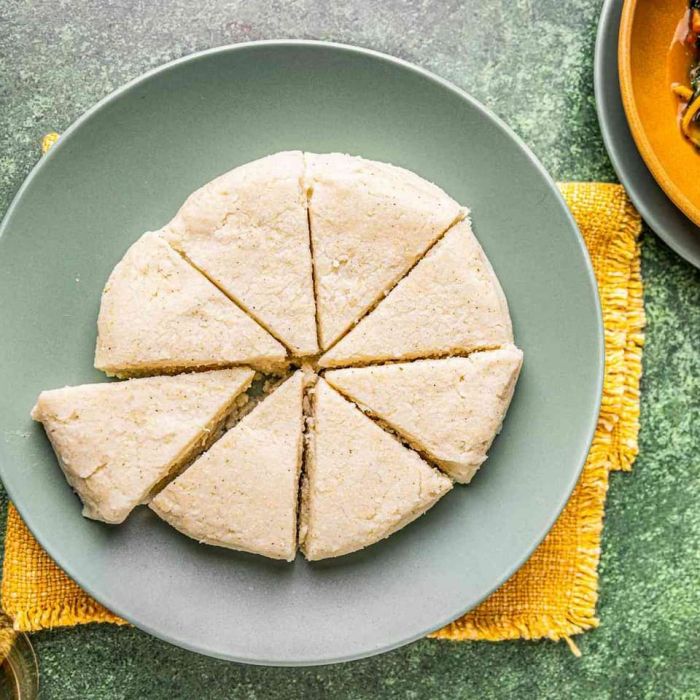
Bring the water to a boil in a medium saucepan. Reduce the heat to low, and stirring constantly with a whisk, slowly add the cornmeal to the boiling water. The ugali will begin to thicken quite quickly. Continue cooking on low heat, stirring constantly with a sturdy wooden spoon, until the ugali begins to pull away from the sides of the pan, hold together, and takes on the aroma of roasted corn. Turn it out immediately onto a serving plate. If you would like, using a spoon or spatula, quickly shape it into a thick disk or round. The ugali will continue to firm as it cools and will be thick enough to cut with a knife (similar to firm polenta).

Combine ground beef with 1/2 of the minced garlic and 1 tablespoon chopped onion in a large bowl. Mix with your hands until fully incorporated. Shape meat mixture into 1 1/2-inch oblong patties; you should have 12 to 14 meatballs. Heat a large skillet over medium-high heat. Brown patties in batches in the hot skillet until crispy on both sides and no longer pink in the center, about 10 minutes. Set meatballs aside in a rimmed serving dish. Reduce heat to medium and stir remaining chopped onion into drippings in the skillet. Season with salt and pepper. Cook, stirring constantly, until onion has softened and turned translucent, about 5 minutes. Stir in remaining garlic and cook for 30 seconds. Stir in Roma tomatoes, dried parsley, and ras el hanout. Pour in water. Cook until tomatoes are soft, about 5 minutes. Pour tomato sauce over meatballs to serve.
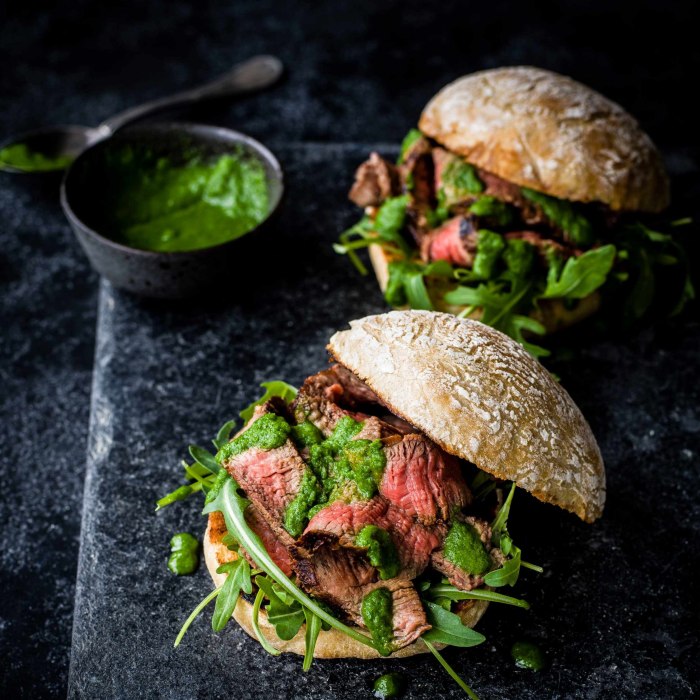
STEP 1 Rub the garlic over the steaks then put in a sandwich bag and tip in the olive oil, sherry vinegar and parsley stalks. Smoosh everything together, then use a rolling pin to bash the steaks a few times. Leave for 1-2 hours. STEP 2 To make the sauce, put all the ingredients into a blender with 1 tbsp water and whizz until as smooth as possible. This will make more than you’ll need for the recipe but will keep for a week in an airtight jar. STEP 3 Heat a griddle or frying pan to high. Brush away the garlic and parsley stalks from the steaks and season well. Sear the steaks for 2 minutes on each side then rest on a plate. Put the ciabatta halves onto the plate, toasted-side down, to soak up any juices. STEP 4 Slice the steaks then stuff into the rolls with the green sauce and rocket.

Preheat the oven to 180C/350F/Gas 4. For the beef stew, heat the oil and butter in an ovenproof casserole and fry the beef until browned on all sides. Sprinkle over the flour and cook for a further 2-3 minutes. Add the garlic and all the vegetables and fry for 1-2 minutes. Stir in the wine, stock and herbs, then add the Worcestershire sauce and balsamic vinegar, to taste. Season with salt and freshly ground black pepper. Cover with a lid, transfer to the oven and cook for about two hours, or until the meat is tender. For the dumplings, sift the flour, baking powder and salt into a bowl. Add the suet and enough water to form a thick dough. With floured hands, roll spoonfuls of the dough into small balls. After two hours, remove the lid from the stew and place the balls on top of the stew. Cover, return to the oven and cook for a further 20 minutes, or until the dumplings have swollen and are tender. (If you prefer your dumplings with a golden top, leave the lid off when returning to the oven.) To serve, place a spoonful of mashed potato onto each of four serving plates and top with the stew and dumplings. Sprinkle with chopped parsley.

To prepare the sauerkraut filling, melt the butter in a skillet over medium heat. Stir in the onion, and cook until translucent, about 5 minutes. Add the drained sauerkraut and cook for an additional 5 minutes. Season to taste with salt and pepper, then remove to a plate to cool. For the mashed potato filling, melt the butter in a skillet over medium heat. Stir in the onion, and cook until translucent, about 5 minutes. Stir into the mashed potatoes, and season with salt and white pepper. To make the dough, beat together the eggs and sour cream until smooth. Sift together the flour, salt, and baking powder; stir into the sour cream mixture until dough comes together. Knead the dough on a lightly floured surface until firm and smooth. Divide the dough in half, then roll out one half to 1/8 inch thickness. Cut into 3 inch rounds using a biscuit cutter. Place a small spoonful of the mashed potato filling into the center of each round. Moisten the edges with water, fold over, and press together with a fork to seal. Repeat procedure with the remaining dough and the sauerkraut filling. Bring a large pot of lightly salted water to a boil. Add perogies and cook for 3 to 5 minutes or until pierogi float to the top. Remove with a slotted spoon.
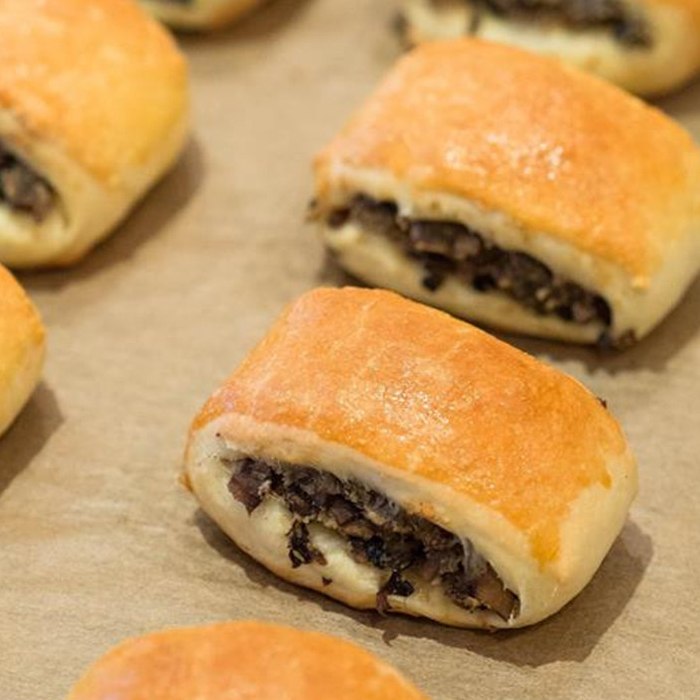
Sift flour and salt into a large mixing bowl. Use a spoon to push the egg yolk through a fine sieve into the flour. Add the raw egg and mix well. Beat in butter 1 tablespoon at a time. Place dough on a floured surface and knead until smooth and elastic, then wrap in waxed paper and refrigerate until firm (at least 30 minutes). In a heavy skillet, melt 2 tablespoons butter over medium heat; saute the onion and rutabaga until the onion is soft and transparent (5 minutes). Put the onions, rutabaga, and beef through a meat grinder twice if you have one, if not just chop them up as fine as possible. Melt the remaining 4 tablespoons butter over medium heat, and add the meat mixture. Cook over low heat, stirring occasionally, until all of the liquid has evaporated and the mixture is thick enough to hold its shape. Remove from heat and let cool, then stir in 1 egg, and season with salt and pepper. Preheat oven to 350°F. On a lightly floured surface, roll the dough out into a 13x8" rectangle (1/8" thick). Spoon the filling down the center of the rectangle lengthwise, leaving about an inch of space on each end. Lightly brush the long sides with cold water, then fold one of the long sides over the filling and the other side over the top of that. Brush the short ends with cold water and fold them over the top, enclosing the filling. Place pastry seam side down on a baking sheet and brush the top evenly with the remaining scrambled egg. Bake in preheated oven until rich golden brown (30 minutes). Slice pastry diagonally into 1.5" long pieces and serve as an appetizer or with soup.

Crush the meat so that it is finite and we put it on a griddle to brown. Put the eggs, bacon and ham to fry. Cut the bread in half, put the beef brisket, the fried eggs, the bacon, the ham, the mozzarella, the tomato and the lettuce. Cover with the other half of the bread and serve.

Season the Cutlets: Salt and pepper the cutlets. Bread the Cutlets: Dip each cutlet in egg, then coat with a mixture of breadcrumbs, parsley, and garlic. Fry: Heat oil in a large pan over medium heat. Fry the cutlets until golden and cooked through, about 3-4 minutes per side. Serve: Serve hot with lemon wedges or a side salad. Pro Tips: For an extra crispy crust, use panko breadcrumbs mixed with finely grated Parmesan cheese. Gently pound the cutlets to an even thickness for uniform cooking.
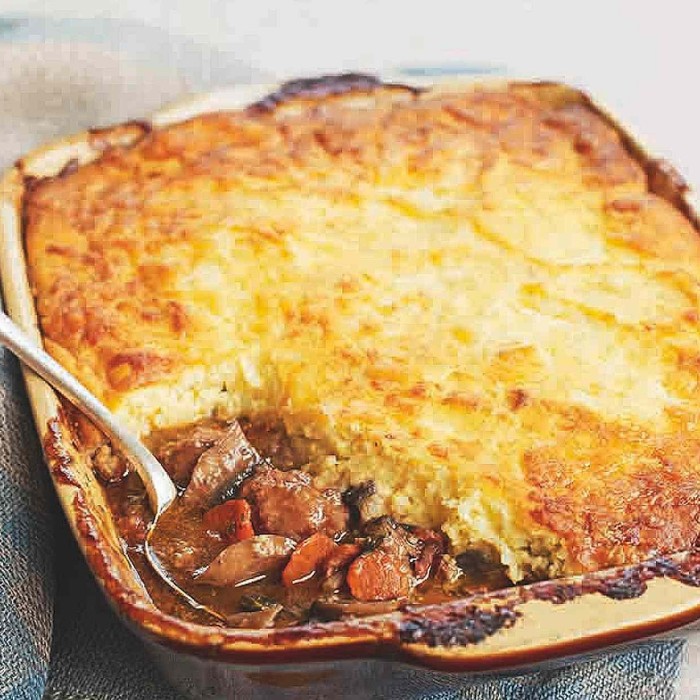
step 1 Heat oven to 160C/140C fan/gas 3. Soften the celery, onion, carrots, bay and 1 thyme sprig in a casserole with 1 tbsp oil and the butter for 10 mins. Stir in the flour, followed by the purée, Worcestershire sauce and stock cubes. step 2 Gradually stir in 600ml hot water, then tip in the beef and bring to a gentle simmer. Cover and cook in the oven for 2 hrs 30 mins, then uncover and cook for 30 mins -1 hr more until the meat is really tender and sauce thickened. step 3 Meanwhile, cook potatoes in a pan of boiling water until they’re not done but about ¾ of the way there. step 4 Transfer meat to a baking dish. Slice spuds into 1cm thick rounds and gently toss with seasoning, the remaining oil and thyme leaves. Layer on the beef, scattering with the cheese as you layer. You can cover and chill the pie now for 1 day, or freeze for up to 3 months. step 5 Increase oven to 200C/180C fan/gas 6 and bake for 30-40 mins until golden and crispy, and sauce bubbling if the dish went in cold. Serve with peas.

Bring a large pot of lightly salted water to a boil. Place cabbage head into water, cover pot, and cook until cabbage leaves are slightly softened enough to remove from head, 3 minutes. Remove cabbage from pot and let cabbage sit until leaves are cool enough to handle, about 10 minutes. Remove 18 whole leaves from the cabbage head, cutting out any thick tough center ribs. Set whole leaves aside. Chop the remainder of the cabbage head and spread it in the bottom of a casserole dish. Melt butter in a large skillet over medium-high heat. Cook and stir onion in hot butter until tender, 5 to 10 minutes. Cool. Stir onion, beef, pork, rice, garlic, 1 teaspoon salt, and 1/4 teaspoon pepper together in a large bowl. Preheat oven to 350 degrees F (175 degrees C). Place about 1/2 cup beef mixture on a cabbage leaf. Roll cabbage around beef mixture, tucking in sides to create an envelope around the meat. Repeat with remaining leaves and meat mixture. Place cabbage rolls in a layer atop the chopped cabbage in the casserole dish; season rolls with salt and black pepper. Whisk tomato soup, tomato juice, and ketchup together in a bowl. Pour tomato soup mixture over cabbage rolls and cover dish wish aluminum foil. Bake in the preheated oven until cabbage is tender and meat is cooked through, about 1 hour.
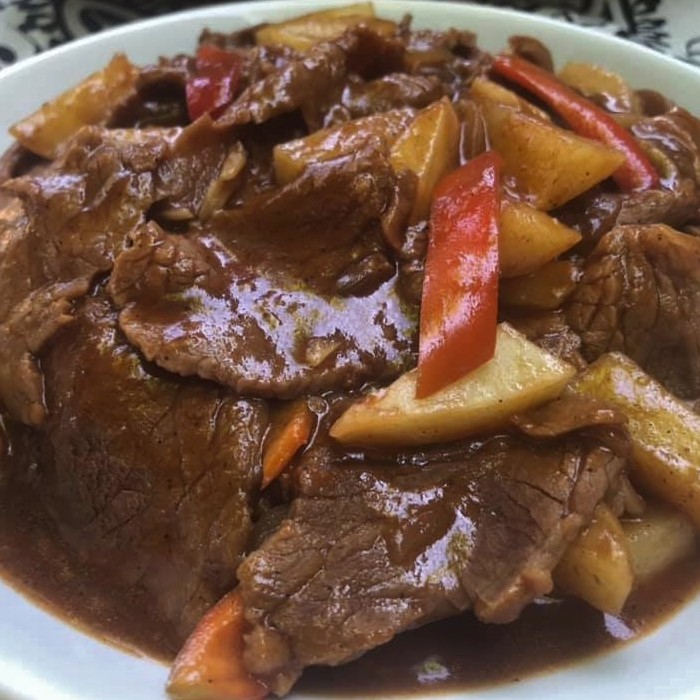
0. Combine beef, crushed peppercorn, soy sauce, vinegar, dried bay leaves, lemon, and tomato sauce. Mix well. Marinate beef for at least 30 minutes. 1. Put the marinated beef in a cooking pot along with remaining marinade. Add water. Let boil. 2. Add Knorr Beef Cube. Stir. Cover the pot and cook for 40 minutes in low heat. 3. Turn the beef over. Add tomato paste. Continue cooking until beef tenderizes. Set aside. 4. Heat oil in a pan. Fry the potato until it browns. Turn over and continue frying the opposite side. Remove from the pan and place on a clean plate. Do the same with the carrots. 5. Save 3 tablespoons of cooking oil from the pan where the potato was fried. Saute onion and garlic until onion softens. 6. Pour-in the sauce from the beef stew. Let boil. Add the beef. Cook for 2 minutes. 7. Add butter and let it melt. Continue cooking until the sauce reduces to half.
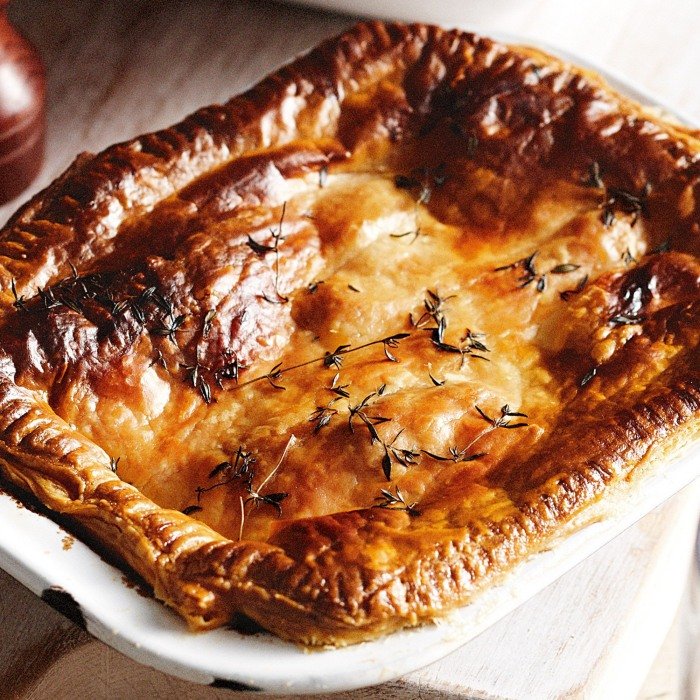
Preheat the oven to 220C/425F/Gas 7 Heat the vegetable oil in a large frying pan, and brown the beef all over. (You may need to do this in batches.) Set aside, then brown the kidneys on both sides in the same pan. Add the onions and cook for 3-4 minutes. Return the beef to the pan, sprinkle flour over and coat the meat and onions Add the stock to the pan, stir well and bring to the boil. Turn the heat down and simmer for 1½ hours without a lid. If the liquid evaporates too much, add more stock. Remove from the heat. Add salt, pepper and Worcestershire sauce and allow to cool completely. Place the cooked meat mixture into a pie dish. Roll out the pastry to 5mm/¼in thick and 5cm/2in larger than the dish you are using. Using a rolling pin, lift the pastry and place it over the top of the pie dish. Trim and crimp the edges with your fingers and thumb. Brush the surface with the beaten egg mixture and bake for 30-40 minutes until golden-brown and puffed. Serve with creamy mash and steamed vegetables to soak up the gravy.
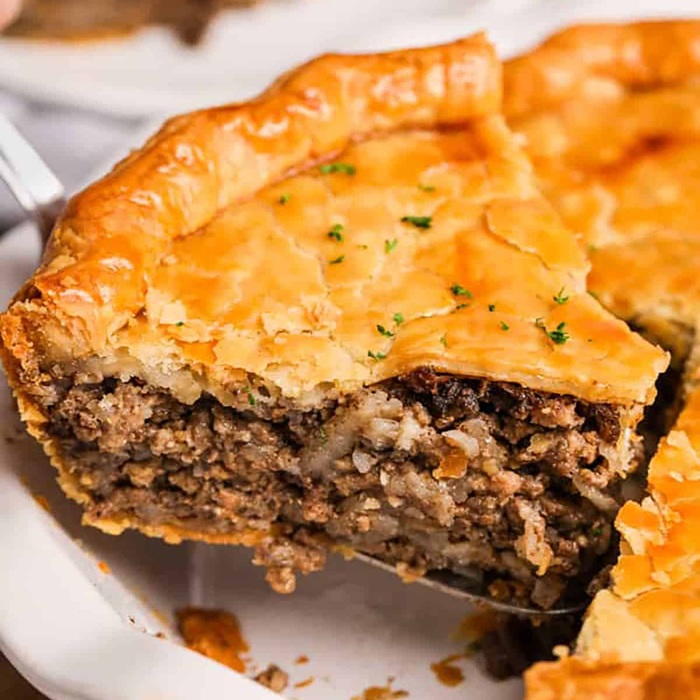
Heat oil on medium-high heat in a large sauté pan or skillet, then sauté the onion and garlic until softened, about 5 minutes. Add the ground beef, pork, and spices and cook until the meat is browned. Add the beef broth and bring it up to a simmer then reduce heat to medium low. Add the grated potato and stir it in. Cook until liquid is almost absorbed, about 15 min. Remove the bay leaves and add salt to taste. Remove the pan from the heat and let the mixture cool completely — it bakes best if the filling is chilled. Preheat the oven to 375 °F (190 °C). On a lightly floured surface, roll out one disc of the pie dough to less than the 1/4-inch thickness and line the 9-inch pie plate. Fill this with the cooled tourtière mixture and spread out evenly. Roll out the remaining dough to the same thickness, cut a hole in the centre (for steam to escape) and place on top of the filling. Trim the dough to 1/2-inch beyond the edge of the pie plate and pinch the edges of the crust together. Brush the crust with the egg wash. Bake tourtière for about 45 minutes or until the pastry is a rich golden brown. Let cool for 15 minutes before slicing to serve. Serves: 8-10 (makes 2 9-inch pies)

Make the Dough: Mix flour and salt in a large bowl. Add butter, using your fingers to blend into a crumbly texture. Gradually add water, mixing until a dough forms. Wrap and chill for 30 minutes. Prepare the Filling: Cook onions in a pan until translucent. Add ground beef, cooking until browned. Stir in spices, then remove from heat. Once cooled, mix in eggs and olives. Assemble: Roll out the dough and cut into circles. Place a spoonful of filling in each, fold over, and seal the edges. Cook: Bake at 200°C (400°F) for 20-25 minutes, or until golden. Pro Tips: For a flakier crust, incorporate a tablespoon of vinegar into the dough mixture. This helps prevent gluten formation. Seal the edges of the empanadas with a fork to ensure they do not open during baking or frying.
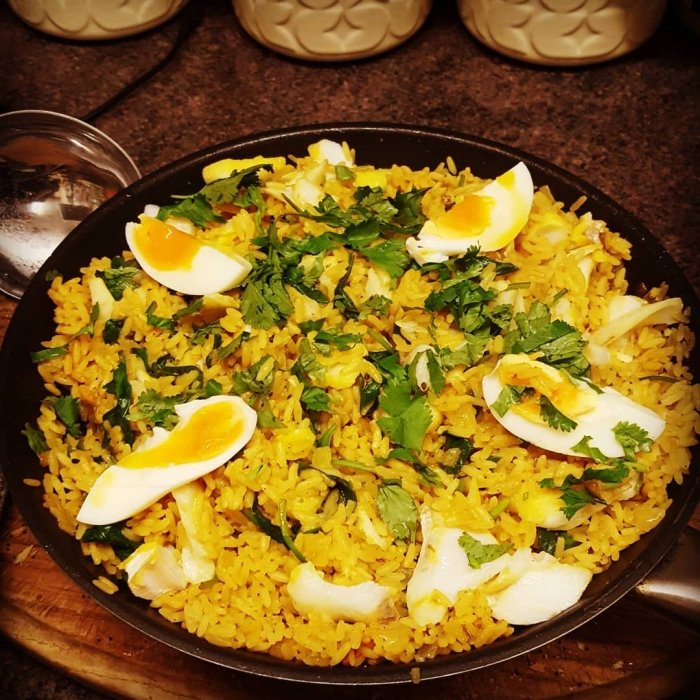
Melt 50g butter in a large saucepan (about 20cm across), add 1 finely chopped medium onion and cook gently over a medium heat for 5 minutes, until softened but not browned. Stir in 3 split cardamom pods, ¼ tsp turmeric, 1 small cinnamon stick and 2 bay leaves, then cook for 1 minute. Tip in 450g basmati rice and stir until it is all well coated in the spicy butter. Pour in 1 litre chicken or fish stock, add ½ teaspoon salt and bring to the boil, stir once to release any rice from the bottom of the pan. Cover with a close-fitting lid, reduce the heat to low and leave to cook very gently for 12 minutes. Meanwhile, bring some water to the boil in a large shallow pan. Add 750g un-dyed smoked haddock fillet and simmer for 4 minutes, until the fish is just cooked. Lift it out onto a plate and leave until cool enough to handle. Hard-boil 3 eggs for 8 minutes. Flake the fish, discarding any skin and bones. Drain the eggs, cool slightly, then peel and chop. Uncover the rice and remove the bay leaves, cinnamon stick and cardamom pods if you wish to. Gently fork in the fish and the chopped eggs, cover again and return to the heat for 2-3 minutes, or until the fish has heated through. Gently stir in almost all the 3 tbsp chopped fresh parsley, and season with a little salt and black pepper to taste. Serve scattered with the remaining parsley and garnished with 1 lemon, cut into wedges.

For the brioche buns heat the milk with the butter and molasses until the butter has melted. Add the cold water and egg to this mix. 2 In a large bowl place flour, salt and yeast and mix. Then add the milk and water mix and stir with a wooden spoon until combined. You don't have to knead the dough, it is perfectly fine to do this by hand with a wooden spoon, this doesn't need to be very thorough. Cover with a damp towel and stick in the fridge overnight. 3 The next morning knead dough on a generously floured surface for a little and cut into eight equal pieces. Shape these into balls and place on a baking sheet lined with parchment paper. Cover again with damp towel and let rise for about an hour or until double in size. 4 Heat oven to 220 degrees Celsius. Brush the buns with either milk, heavy cream or egg wash and sprinkle with sesame seeds, if desired. Bake for about 15-20min or until golden. Let cool. 5 For the toppings chop the onions and sauté in a bit of butter, let caramelize, this may take ten to 15 minutes, stir occasionally. Rub the steaks with a bit of garlic and then grill or fry the steaks, the bacon, and eggs with salt and pepper, toast the buns after having cut in half. Spread mustard on one bun half, layer each chivito with steak, a slice of ham, a slice of cheese, one bacon stripe, a tomato slice, and some lettuce. Place fried egg on top and sprinkle generously with chimichurri and some onions right before serving.

In a glass, muddle fresh mint leaves with granulated sugar and lime wedges to release the flavors. Add white rum and stir well. Fill the glass with ice cubes and top with club soda. Stir gently and garnish with a sprig of mint. Sip and enjoy the classic and refreshing taste of a Mojito!

Pick through your lentils for any foreign debris, rinse them 2 or 3 times, drain, and set aside. Fair warning, this will probably turn your lentils into a solid block that you’ll have to break up later In a large pot over medium-high heat, sauté the olive oil and the onion with a pinch of salt for about 3 minutes, then add the carrots and cook for another 3 minutes. Add the tomato paste and stir it around for around 1 minute. Now add the cumin, paprika, mint, thyme, black pepper, and red pepper as quickly as you can and stir for 10 seconds to bloom the spices. Congratulate yourself on how amazing your house now smells. Immediately add the lentils, water, broth, and salt. Bring the soup to a (gentle) boil. After it has come to a boil, reduce heat to medium-low, cover the pot halfway, and cook for 15-20 minutes or until the lentils have fallen apart and the carrots are completely cooked. After the soup has cooked and the lentils are tender, blend the soup either in a blender or simply use a hand blender to reach the consistency you desire. Taste for seasoning and add more salt if necessary. Serve with crushed-up crackers, torn up bread, or something else to add some extra thickness. You could also use a traditional thickener (like cornstarch or flour), but I prefer to add crackers for some texture and saltiness. Makes great leftovers, stays good in the fridge for about a week.
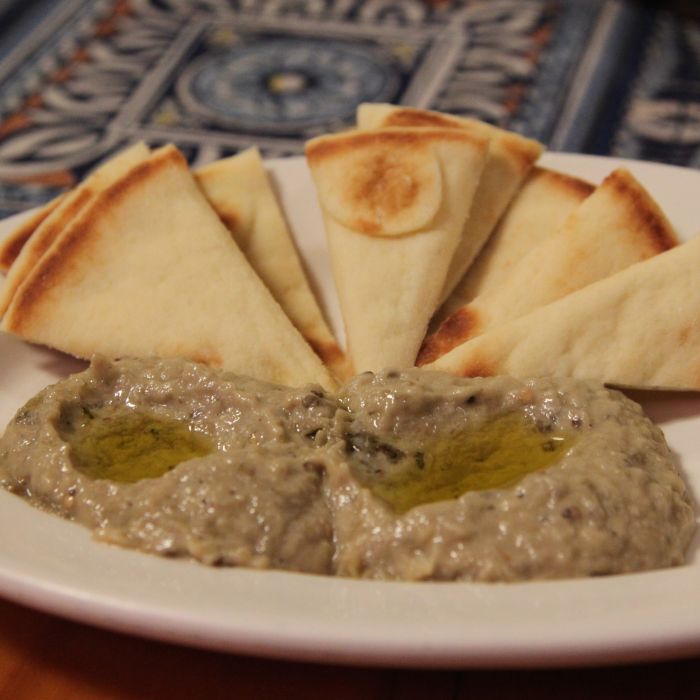
Preheat an outdoor grill for medium-high heat and lightly oil the grate. Prick the surface of the skin of eggplants several times with the tip of a knife. Place eggplants directly on grill. Turn frequently with tongs while skin chars. Cook until eggplants have collapsed and are very soft, 25 to 30 minutes. Transfer to a bowl and cover tightly with aluminum foil and allow to cool, about 15 minutes. When eggplants are cool enough to handle, split them in half and scrape flesh into a colander placed over a bowl. Drain 5 or 10 minutes. Transfer eggplant to mixing bowl. Add crushed garlic and salt; mash until creamy but with a little texture, about 5 minutes. Whisk in lemon juice, tahini, olive oil, and cayenne pepper. Stir in yogurt. Cover bowl with plastic wrap and refrigerate until completely chilled. Stir in mint and parsley, and taste to adjust seasonings before serving.
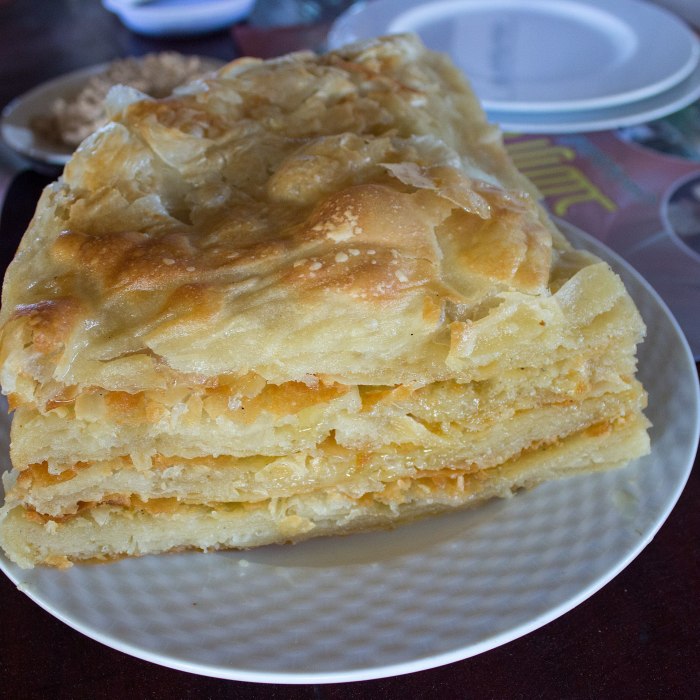
Mix the flour and salt then pour one cup of water and start kneading. If you feel the dough is still not coming together or too dry, gradually add the remaining water until you get a dough that is very elastic so that when you pull it and it won’t be torn. Let the dough rest for just 10 minutes then divide the dough into 6-8 balls depending on the size you want for your feteer. Warm up the butter/ghee or oil you are using and pour into a deep bowl. Immerse the dough balls into the warm butter. Let it rest for 15 to 20 minutes. Preheat oven to 550F. Stretch the first ball with your hands on a clean countertop. Stretch it as thin as you can, the goal here is to see your countertop through the dough. Fold the dough over itself to form a square brushing in between folds with the butter mixture. Set aside and start making the next ball. Stretch the second one thin as we have done for the first ball. Place the previous one on the middle seam side down. Fold the outer one over brushing with more butter mixture as you fold. Set aside. Keep doing this for the third and fourth balls. Now we have one ready, place on a 10 inch baking/pie dish seam side down and brush the top with more butter. Repeat for the remaining 4 balls to make a second one. With your hands lightly press the folded feteer to spread it on the baking dish. Place in preheated oven for 10 minutes when the feteer starts puffing turn on the broiler to brown the top. When it is done add little butter on top and cover so it won’t get dry.
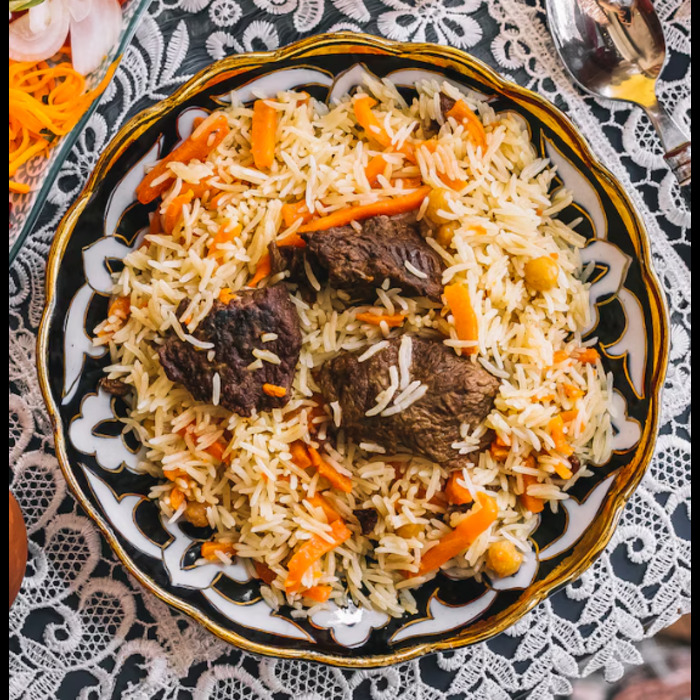
1. Wash the beef and cut into large pieces. Season lightly with salt and turmeric. 2. Heat ghee/oil in a large pot. Add sliced onions and sauté until light golden. 3. Add garlic, green chilies, and tomato; cook until softened. 4. Add the mandi spice mix: coriander, cumin, black pepper, cinnamon, cardamom, cloves, and bay leaves. 5. Add beef pieces and stir on medium heat until the meat is well coated with spices. 6. Pour in water or beef stock. Cover and simmer until beef is tender (about 1.5–2 hours depending on cut). 7. Remove beef carefully and set aside. Strain and measure the broth. 8. Add washed, soaked basmati rice to the broth (usually 1 cup rice = 1.5–2 cups liquid). Adjust seasoning and bring to a boil. 9. Lower heat, cover, and cook the rice until fluffy. 10. Place the beef pieces over the rice and steam on low heat for 10 minutes so flavors combine. 11. Optional: For smoky flavor, place a small hot charcoal on foil in the pot, add 1 tsp butter/oil, immediately cover for 5 minutes. Remove coal before serving. 12. Fluff rice and serve beef mandi with salad or chutney.
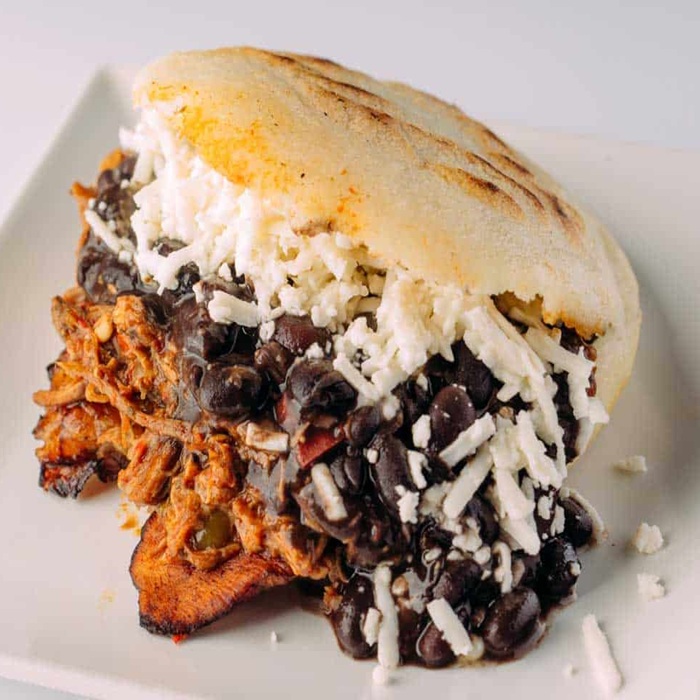
Prepare the meat in a skillet and add salt and pepper to taste, heat the beans over medium heat in a pan, fry or grill the ripe plantains as indicated on its package and cut the tomato into small cubes. Reserve these ingredients until filling. Preheat the grill or pan and grill the arepa, putting it once on each side until they are golden brown. With the help of a knife, open it by the edge through the middle, creating a space to fill it with the ripe plantain, the beans, meat and chopped tomato. Serve with a little pico de gallo or guacamole dip sauce.