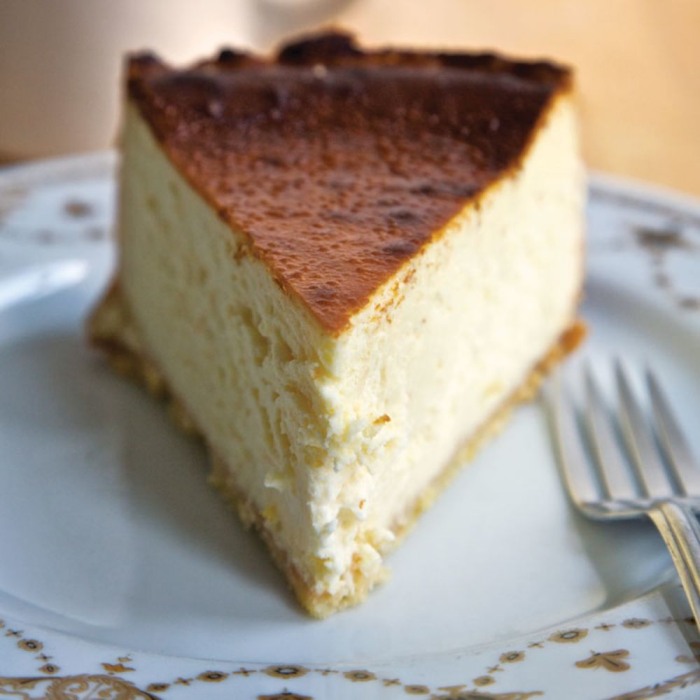
Position an oven shelf in the middle of the oven. Preheat the oven to fan 160C/conventional 180C/gas 4. Line the base of a 23cm springform cake tin with parchment paper. For the crust, melt the butter in a medium pan. Stir in the biscuit crumbs and sugar so the mixture is evenly moistened. Press the mixture into the bottom of the pan and bake for 10 minutes. Cool on a wire rack while preparing the filling. For the filling, increase the oven temperature to fan 200C/conventional 240C/gas 9. In a table top mixer fitted with the paddle attachment, beat the soft cheese at medium-low speed until creamy, about 2 minutes. With the mixer on low, gradually add the sugar, then the flour and a pinch of salt, scraping down the sides of the bowl and the paddle twice. Swap the paddle attachment for the whisk. Continue by adding the vanilla, lemon zest and juice. Whisk in the eggs and yolk, one at a time, scraping the bowl and whisk at least twice. Stir the 284ml carton of soured cream until smooth, then measure 200ml/7fl oz (just over 3⁄4 of the carton). Continue on low speed as you add the measured soured cream (reserve the rest). Whisk to blend, but don't over-beat. The batter should be smooth, light and somewhat airy. Brush the sides of the springform tin with melted butter and put on a baking sheet. Pour in the filling - if there are any lumps, sink them using a knife - the top should be as smooth as possible. Bake for 10 minutes. Reduce oven temperature to fan 90C/conventional 110C/gas 1⁄4 and bake for 25 minutes more. If you gently shake the tin, the filling should have a slight wobble. Turn off the oven and open the oven door for a cheesecake that's creamy in the centre, or leave it closed if you prefer a drier texture. Let cool in the oven for 2 hours. The cheesecake may get a slight crack on top as it cools. Combine the reserved soured cream with the 142ml carton, the sugar and lemon juice for the topping. Spread over the cheesecake right to the edges. Cover loosely w
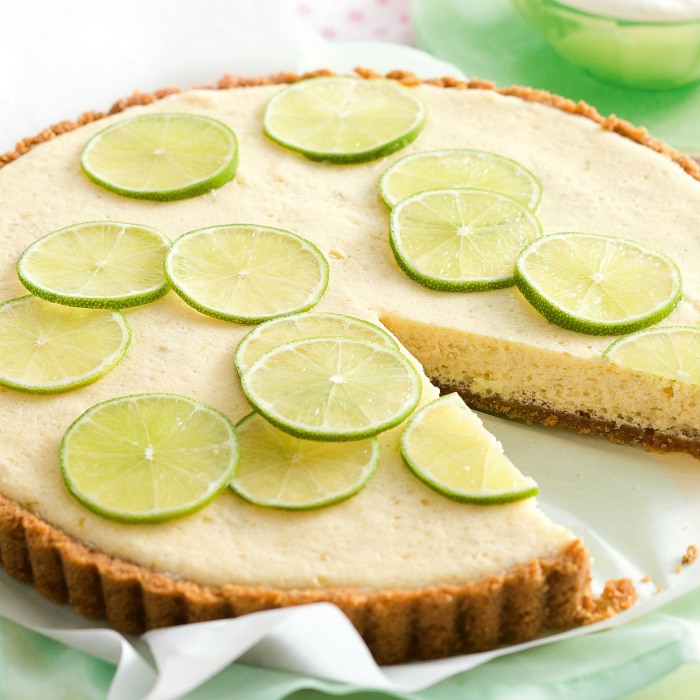
Heat the oven to 160C/fan 140C/gas 3. Whizz the biscuits to crumbs in a food processor (or put in a strong plastic bag and bash with a rolling pin). Mix with the melted butter and press into the base and up the sides of a 22cm loose-based tart tin. Bake in the oven for 10 minutes. Remove and cool. Put the egg yolks in a large bowl and whisk for a minute with electric beaters. Add the condensed milk and whisk for 3 minutes then add the zest and juice and whisk again for 3 minutes. Pour the filling into the cooled base then put back in the oven for 15 minutes. Cool then chill for at least 3 hours or overnight if you like. When you are ready to serve, carefully remove the pie from the tin and put on a serving plate. To decorate, softly whip together the cream and icing sugar. Dollop or pipe the cream onto the top of the pie and finish with extra lime zest.
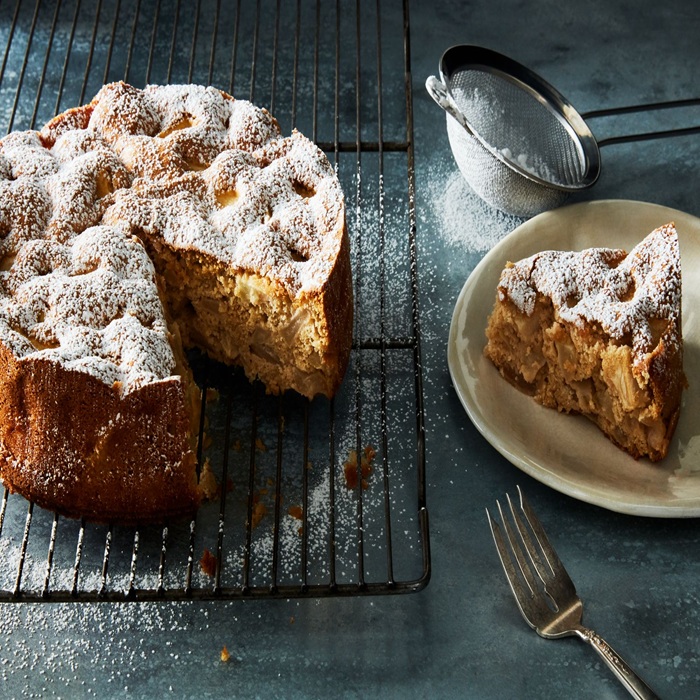
Preheat the oven to 180°C. (350˚F) Grease a cake pan and line it with baking paper. In a large bowl, break the four eggs with the sugar and beat until they have tripled in volume and become fluffy. Sift the self-rising baking flour and add it to your egg mixture. Fold this over, preserving as much air as possible. Add the melted (and slightly cooled) butter and mix until combined. Add cinnamon, pinch of salt and vanilla extract. Add the diced apple to the batter and gently fold them into the batter so that the apple pieces are evenly distributed. You can roll the apple pieces through some more cinnamon. Pour the batter into the prepared cake pan and smooth the top with a spatula. Place the apple slices on top of the batter and press lightly. Sprinkle optionally with some almond shavings. Bake the apple cake in the preheated oven for about 45-50 minutes, or until a wooden skewer comes out clean when inserted into the center of the cake. Remove the cake from the oven and let it cool in the mold for a few minutes. Then carefully remove the cake from the mold and let cool completely on a wire rack. Sprinkle the cooled apple cake with powdered sugar
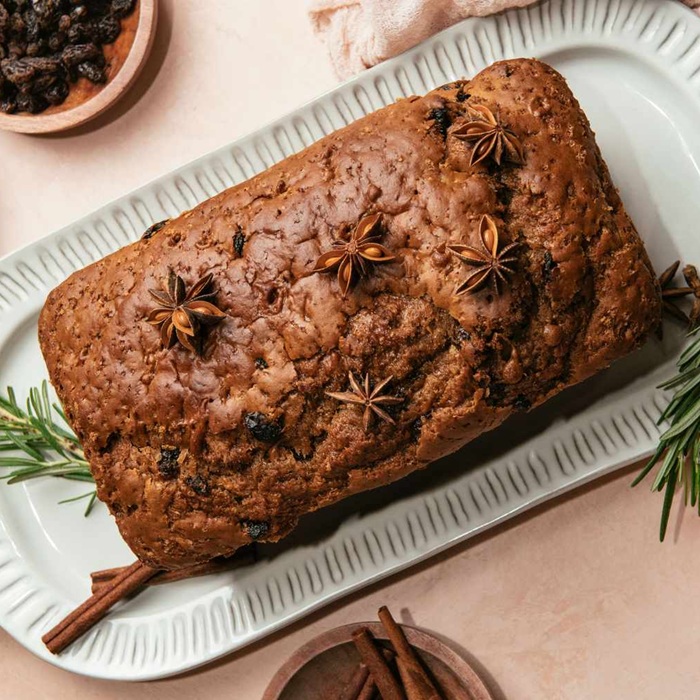
Soak the craisins, raisins, and cherries in the 1 cup of beer. Set aside and allow to soak for 30 minutes. Preheat the oven to 325 degrees Fahrenheit. Grease an 8x4 loaf pan. Set aside. Combine all-purpose flour, baking powder, ground cinnamon, salt, in a large bowl and set aside. In another bowl, combine brown sugar, egg, milk, honey, melted butter, molasses, browning, vanilla extract, and the beer that’s soaking the fruit. Do not pour the fruit in at this time, just the beer. Mix to combine. Remove 2 tablespoon of flour from the flour mixture and toss the fruit in it. Set aside. Make a well in the middle of the bowl of dry ingredients and pour in wet mixture, stirring until fully combined. And the fruits to the mixture and stir until incpororated. Pour mixture into prepared loaf pan and bake in the preheated oven for 50-60 minutes or until a toothpick comes out clean. Cool for 5 minutes in the pan and then move to a cooling rack to finish cooling. Serve with slices of cheddar cheese.
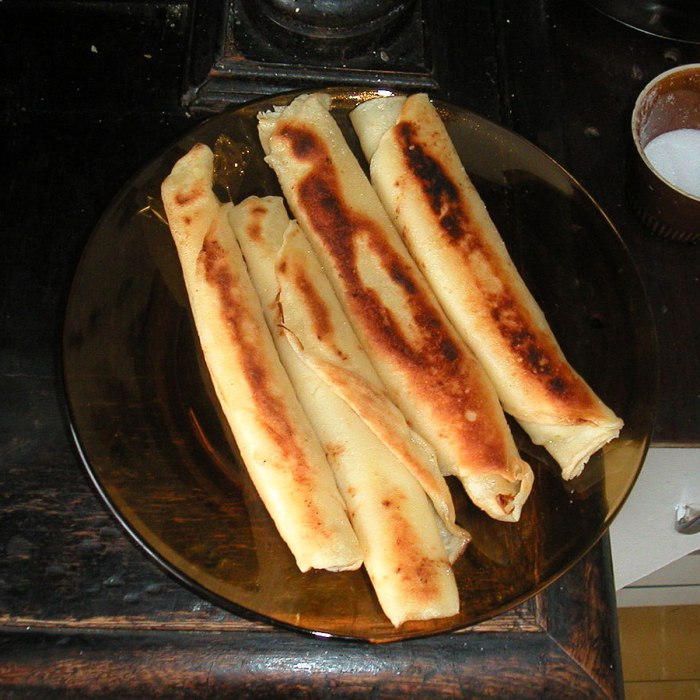
Add flour, eggs, milk, water, and salt in a large bowl then mix with a hand mixer until you have a smooth, lump-free batter. At this point, mix in the butter or the vegetable oil. Alternatively, you can use them to grease the pan before frying each pancake. Heat a non-stick pan over medium heat, then pour in the batter, swirling the pan to help it spread. When the pancake starts pulling away a bit from the sides, and the top is no longer wet, flip it and cook shortly on the other side as well. Transfer to a plate. Cook the remaining batter until all used up. Serve warm, with the filling of your choice.
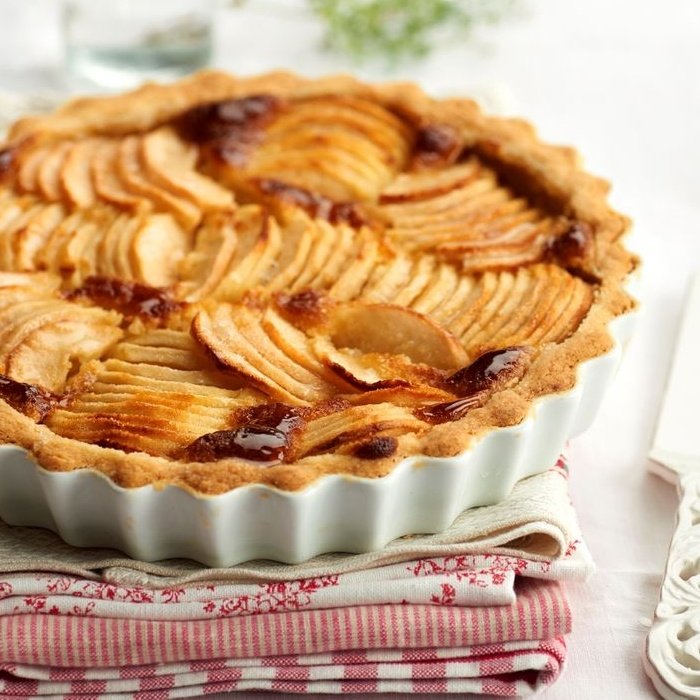
To make the red wine jelly, put the red wine, jam sugar, star anise, clove, cinnamon stick, allspice, split vanilla pod and seeds in a medium saucepan. Stir together, then heat gently to dissolve the sugar. Turn up the heat and boil for 20 mins until reduced and syrupy. Strain into a small, sterilised jam jar and leave to cool completely. Will keep in the fridge for up to 1 month. Take the pastry out of the fridge and leave at room temperature for 10 mins, then unroll. Heat the grill to high and heat the oven to 180C/160C fan/gas 4. Cut out 2 x 13cm circles of pastry, using a plate as a guide, and place on a non-stick baking sheet. Sprinkle each circle with 1 tbsp sugar and grill for 5 mins to caramelise, watching carefully so that the sugar doesn’t burn. Remove from the grill. Can be done a few hours ahead, and left, covered, out of the fridge. Peel, quarter and core the apples, cut into 2mm-thin slices and arrange on top of the pastry. Sprinkle over the remaining sugar and pop in the oven for 20-25 mins until the pastry is cooked through and golden, and the apples are softened. Remove and allow to cool slightly. Warm 3 tbsp of the red wine jelly in a small pan over a low heat with 1 tsp water to make it a little more runny, then brush over the top of the tarts. Tip the crème fraîche into a bowl, sift over the icing sugar and cardamom, and mix together. Carefully lift the warm tarts onto serving plates and serve with the cardamom crème fraîche.
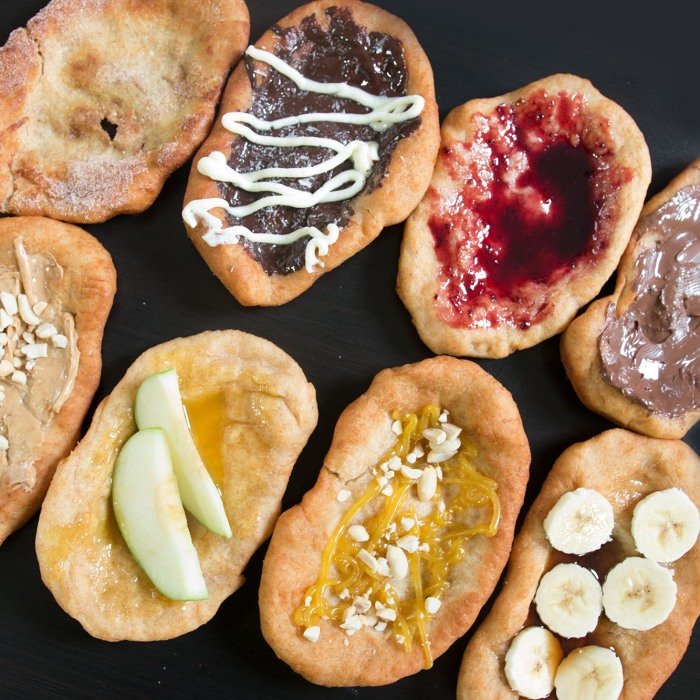
In the bowl of a stand mixer, add warm water, a big pinch of sugar and yeast. Allow to sit until frothy. Into the same bowl, add 1/2 cup sugar, warm milk, melted butter, eggs and salt, and whisk until combined. Place a dough hook on the mixer, add the flour with the machine on, until a smooth but slightly sticky dough forms. Place dough in a bowl, cover with plastic wrap, and allow to proof for 1 1/2 hours. Cut dough into 12 pieces, and roll out into long oval-like shapes about 1/4 inch thick that resemble a beaver’s tail. In a large, deep pot, heat oil to 350 degrees. Gently place beavertail dough into hot oil and cook for 30 to 45 seconds on each side until golden brown. Drain on paper towels, and garnish as desired. Toss in cinnamon sugar, in white sugar with a squeeze of lemon, or with a generous slathering of Nutella and a handful of toasted almonds. Enjoy!
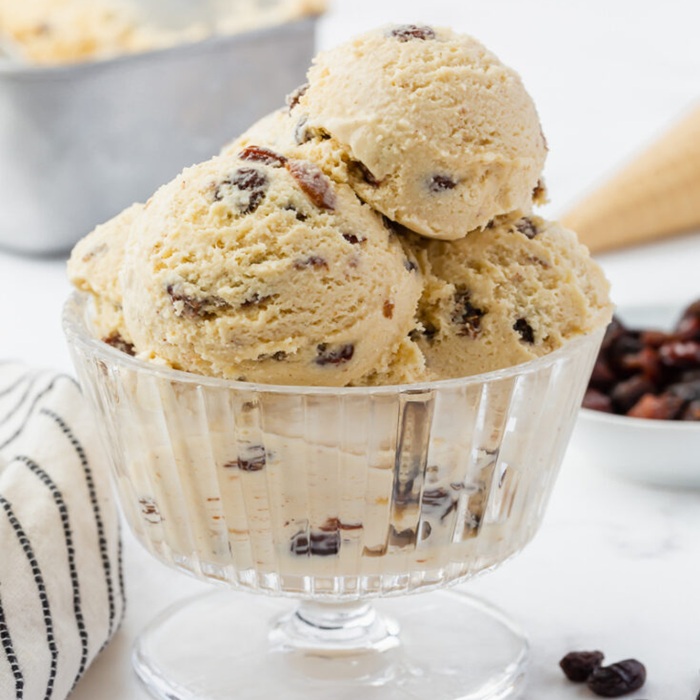
Heat the rum in a small saucepan over medium heat until warm (do not boil). Remove from heat and stir in the raisins and vanilla extract. Let the mixture sit for at least 30 minutes. After soaking, drain off the extra rum, but keep ¼ cup of the rum and reserve it to mix into your ice cream base. In a large bowl, whisk together the sweetened condensed milk, dark brown sugar, cinnamon, allspice, salt, and reserved rum (¼ cup). Stir until the brown sugar is fully dissolved. In a separate bowl, whip the cold heavy cream with an electric mixer until stiff peaks form. Gently fold the whipped cream into the condensed milk mixture until fully combined, being careful not to deflate the cream. Fold in the drained rum-soaked raisins to distribute them evenly. Pour the mixture into a loaf pan or freezer-safe container. Smooth the top and cover with plastic wrap or an airtight lid. Freeze for at least 6 hours, or until firm. Let the ice cream sit at room temperature for 5–10 minutes before scooping for the best texture.
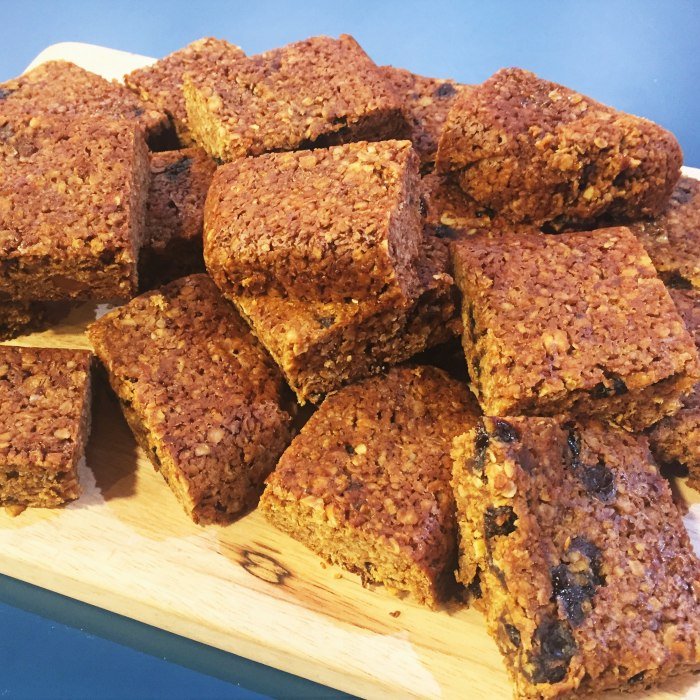
Preheat the oven to 180°C/fan 160°C/gas mark 4 and grease and line a 25cm x 20cm tin. Melt the butter, sugar, syrup and orange zest in a large saucepan over a medium heat. The aim is to dissolve all the ingredients so that they are smooth, but to not lose any volume through boiling so be careful not to overheat. Add the oats and stir well until evenly coated. Stir through the leftover Christmas pudding and tip into the prepared tin. Use a spoon to flatten the top and bake for 40 minutes until the edges start to brown. Whilst still warm in the tin, score into 12 squares. Allow to cool completely before cutting along the scores. Keeps for 5 days in an air tight tin or freeze for up to 1 month.
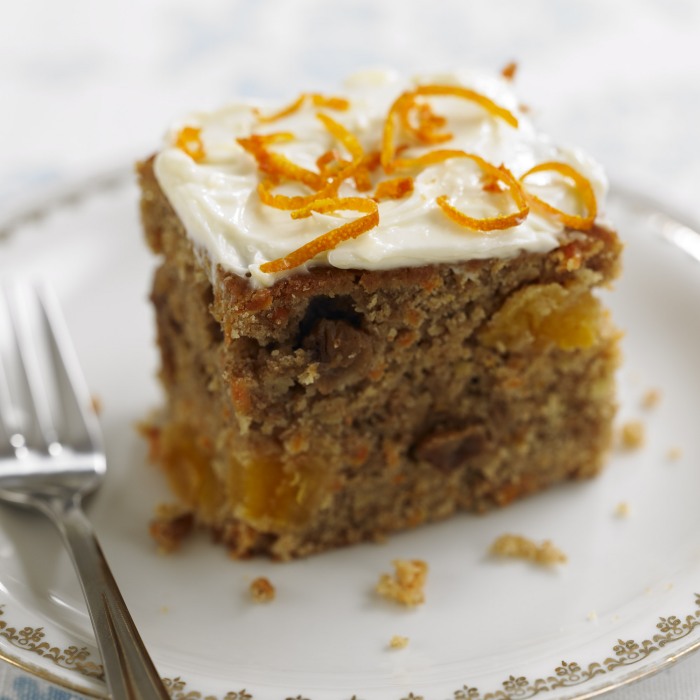
For the carrot cake, preheat the oven to 160C/325F/Gas 3. Grease and line a 26cm/10in springform cake tin. Mix all of the ingredients for the carrot cake, except the carrots and walnuts, together in a bowl until well combined. Stir in the carrots and walnuts. Spoon the mixture into the cake tin and bake for 1 hour 15 minutes, or until a skewer inserted into the middle comes out clean. Remove the cake from the oven and set aside to cool for 10 minutes, then carefully remove the cake from the tin and set aside to cool completely on a cooling rack. Meanwhile, for the icing, beat the cream cheese, caster sugar and butter together in a bowl until fluffy. Spread the icing over the top of the cake with a palette knife.
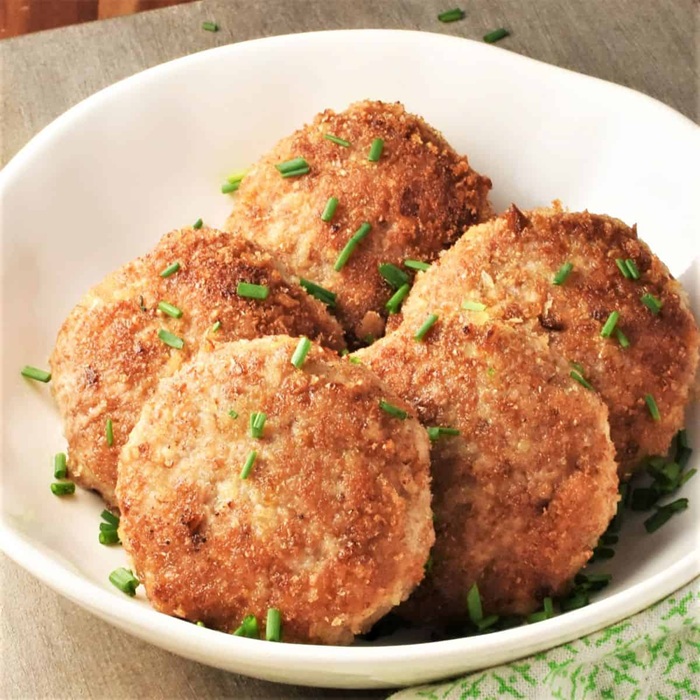
step 1 Soak the bread roll in the milk so it softens completely. Meanwhile, fry the onion in the oil for around 8 mins or until soft and golden. Add the fried onion to the beef mince along with the egg, garlic, marjoram and some seasoning. Squeeze the excess milk from the bread roll and add it to the mince mixture. Mix everything together and season well. step 2 Divide the meat into 8 patties. Tip the dried breadcrumbs into a shallow bowl and coat the patties in it, all over. Heat some oil in a deep frying pan and fry the patties in batches on both sides until browned and cooked through, about 6-7 mins on each side.
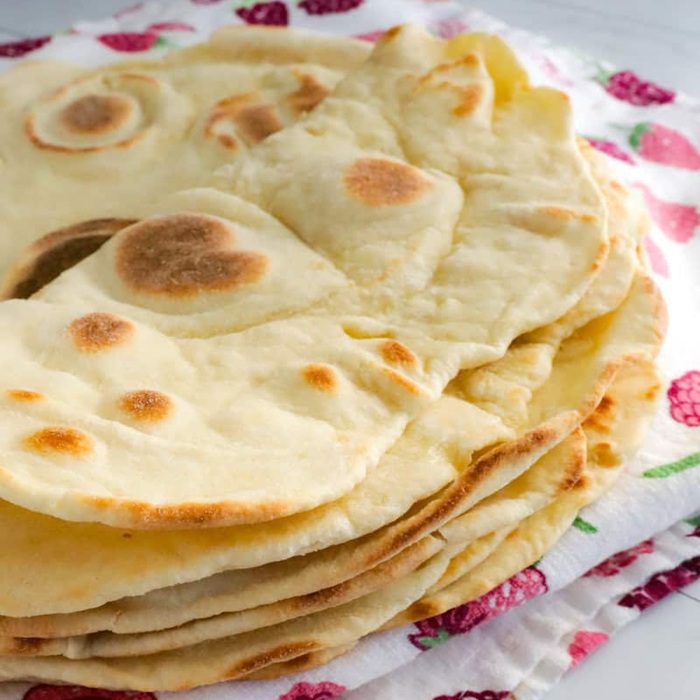
1 Sieve flour and add baking powder,salt,sugar,oil nd mix together 2 Add water nd knead the dough for like 10mins 3 Cover the mixture and allow it to rise 4 After it rised transfer it to a work surface and form a round (you can use a plate or pot's lid) 5 Heat ur pan and put it 6 It'll start puffing then you turn it 7 And lastly put it in in a warm place, then you'll see it has pocket
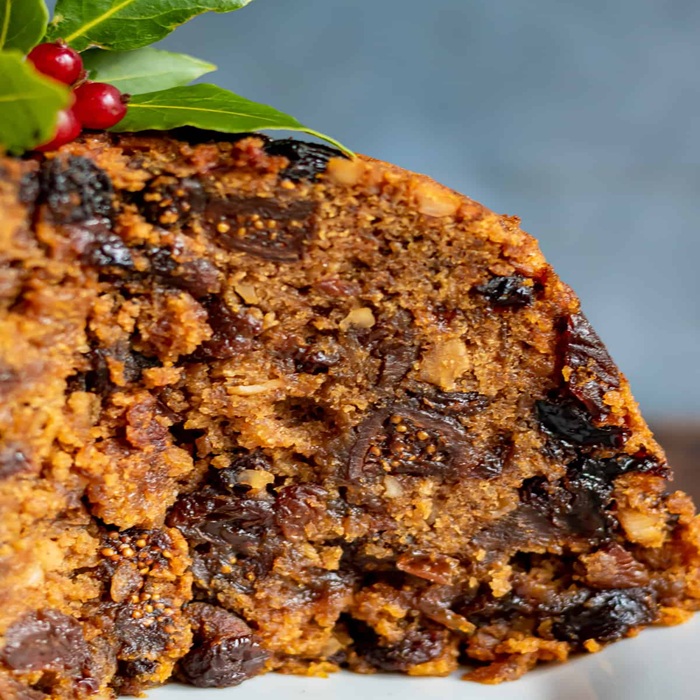
In a medium bowl, whisk together flour, brown sugar, baking powder, and spices. Add raisins and stir well, making sure to coat the raisins in the flour mixture. Add melted butter, molasses and water and mix with a wooden spoon. Form a ball with the spoon or your hands and put the dough ball in a cotton pudding bag. Tie the bag, leaving at least 1 inch of room to allow the pudding to expand while cooking. Boil pudding for 1.5 hours. (In NL, this is typically done in the pot along with Jiggs Dinner, but it can be done independently.) When the duff is firm, remove it from the boiling water and let it cool slightly before removing it from the pudding bag. Slice pudding like a cake and serve with the warm sauce of your choice: rum butter sauce, warmed molasses or Molasses Coady sauce (1 cup (250 mL) molasses, 1/4 cup (60 mL) butter, 1/4 cup (60 mL) water) is common in Newfoundland.
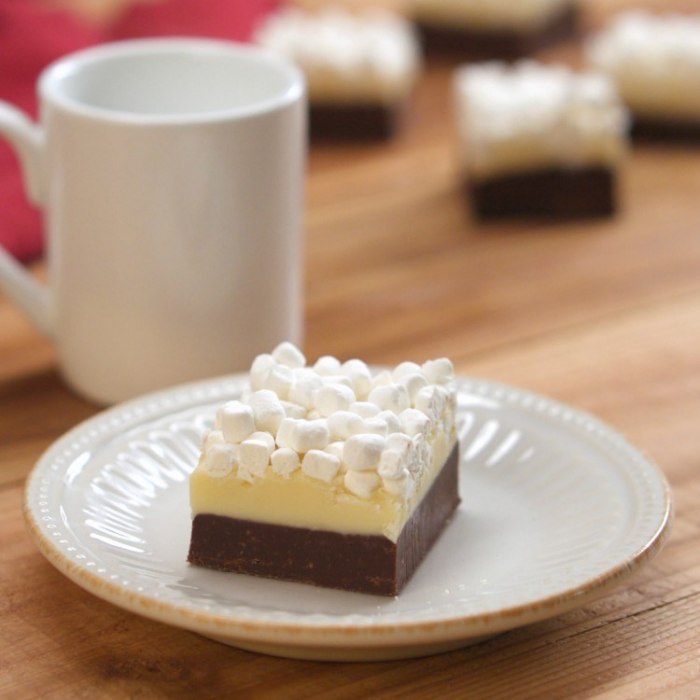
Line an 8-inch-square baking pan with wax paper or foil, and coat with non-stick spray. In a microwave-safe bowl, combine the dark chocolate chips, heavy cream and half of the sweetened condensed milk. Microwave the dark chocolate mixture in 20-second intervals, stirring in between each interval, until the chocolate is melted. Add the vanilla extract to the dark chocolate mixture and stir well until smooth. Transfer the dark chocolate mixture into the prepared pan and spread into an even layer. In a separate bowl, combine the white chocolate chips with the remaining half of the sweetened condensed milk. Microwave the white chocolate mixture in 20-second intervals, stirring in between each interval, until the chocolate is melted. Evenly spread the white chocolate mixture on top of dark chocolate layer. Top the chocolate layers with the Mallow Bits or miniature marshmallows, and gently press them down. Refrigerate for 4 hours, or until set. Remove the fudge and wax paper from the pan. Carefully peel all of the wax paper from the fudge. Cut the fudge into bite-sized pieces and serve.
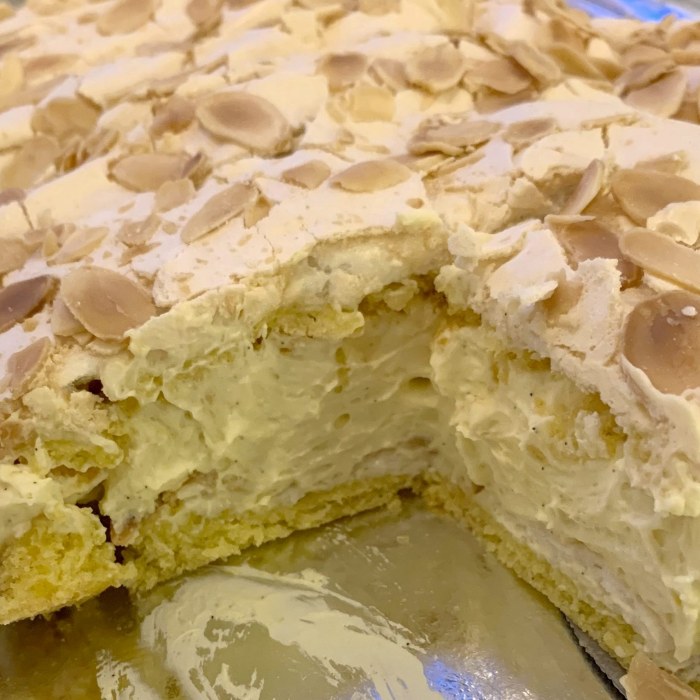
Vanilla custard ▢ Separate the egg yolks and set aside the whites to use in the meringue. ▢ Whisk together the egg yolks, cornstarch and sugar in a bowl. ▢ Heat the cream and milk in a saucepan. Split open the vanilla pod and add the beans to the saucepan. Once the milk begins to bubble pour about half of it into the bowl with the egg mixture, whisking constantly. Then return the saucepan to the heat and pour the egg mixture back into the saucepan with remaining milk, whisking constantly. Once the mixture thickens lower the heat and continue whisking for about 30 seconds. ▢ Pour the custard into a clean bowl and cover with plastic wrap, placing the plastic directly on the top layer of the custard. Chill in the fridge. Cake ▢ Mix together butter and sugar until light and fluffy. Add egg yolks one at a time, setting aside the egg whites for the meringue. Add the flour mixed with baking powder. Stir in the milk, beating until smooth (you can use an electric mixer if you prefer). ▢ Preheat oven to 320°F (160°C). Cover a baking sheet with baking paper and spread out the batter into a large, even rectangle. Meringue topping ▢ Whisk together the egg whites and sugar until you get glossy, stiff peaks. The meringue should hold its form – if it still melts continue whisking. ▢ Spread out the meringue on top of the cake batter. Use a spatula to form light waves with the meringue. Sprinkle almonds on top of the meringue. Bake for about 30 minutes, until the meringue and almonds are golden. Cream filling ▢ Whisk the cream into stiff peaks. Carefully fold in the vanilla custard. Assembly ▢ Once the cake has cooled, cut it in half. You can use scissors for this, or a knife on a cutting board, slicing through the baking paper as well. ▢ Place half of the cake on a serving platter with the meringue side down and peel off the baking paper. ▢ Spread the cream filling across the cake. Then carefully remove the other half of the cake from the baking paper and
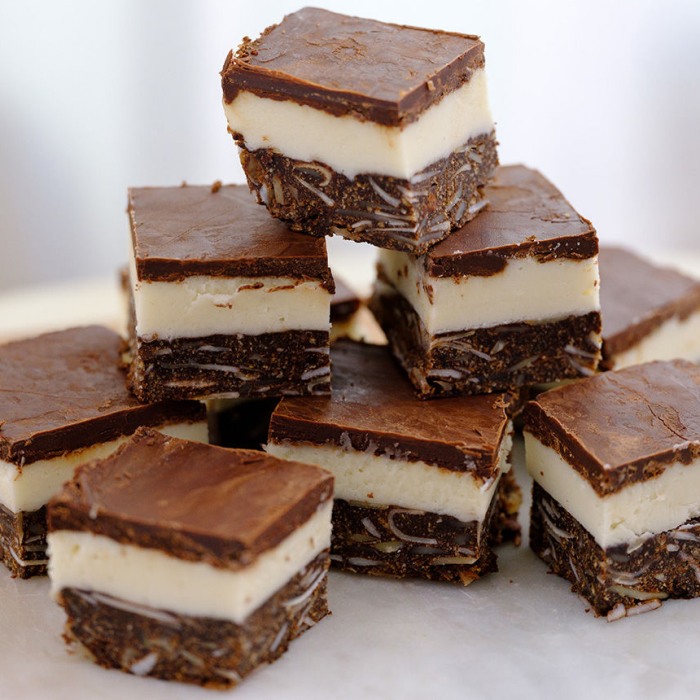
Start by making the biscuit base. In a bowl, over a pan of simmering water, melt the butter with the sugar and cocoa powder, stirring occasionally until smooth. Whisk in the egg for 2 to 3 mins until the mixture has thickened. Remove from heat and mix in the biscuit crumbs, coconut and almonds if using, then press into the base of a lined 20cm square tin. Chill for 10 mins. For the middle layer, make the custard icing; whisk together the butter, cream and custard powder until light and fluffy, then gradually add the icing sugar until fully incorporated. Spread over the bottom layer and chill in the fridge for at least 10 mins until the custard is no longer soft. Melt the chocolate and butter together in the microwave, then spread over the chilled bars and put back in the fridge. Leave until the chocolate has fully set (about 2 hrs). Take the mixture out of the tin and slice into squares to serve.
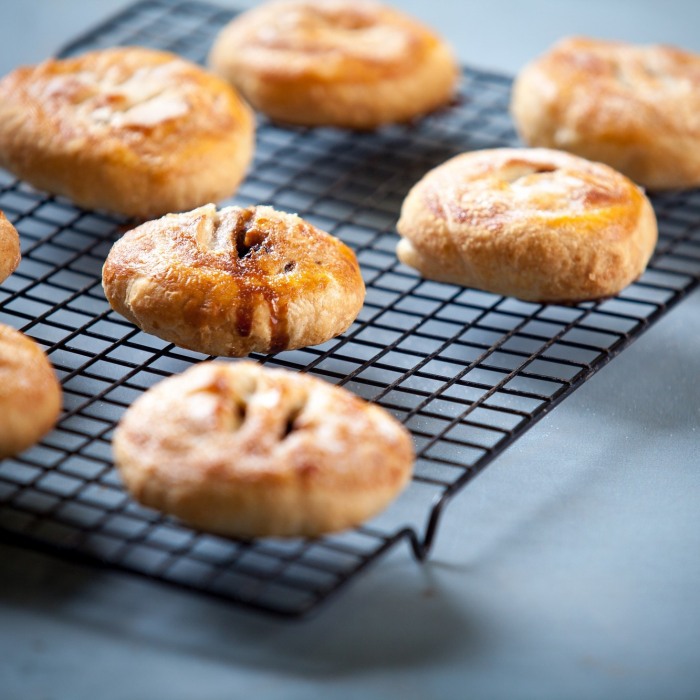
To make the pastry, dice the butter and put it in the freezer to go really hard. Tip flour into the bowl of a food processor with half the butter and pulse to the texture of breadcrumbs. Pour in the lemon juice and 100ml iced water, and pulse to a dough. Tip in the rest of the butter and pulse a few times until the dough is heavily flecked with butter. It is important that you don’t overdo this as the flecks of butter are what makes the pastry flaky. On a floured surface roll the pastry out to a neat rectangle about 20 x 30cm. Fold the two ends of the pastry into the middle (See picture 1), then fold in half (pic 2). Roll the pastry out again and refold the same way 3 more times resting the pastry for at least 15 mins each time between roll and fold, then leave to rest in the fridge for at least 30 mins before using. To make the filling, melt the butter in a large saucepan. Take it off the heat and stir in all the other ingredients until completely mixed, then set aside. To make the cakes, roll the pastry out until it’s just a little thicker than a £1 coin and cut out 8 rounds about 12cm across. Re-roll the trimming if needed. Place a good heaped tablespoon of mixture in the middle of each round, brush the edges of the rounds with water, then gather the pastry around the filling and squeeze it together (pic 3). Flip them over so the smooth top is upwards and pat them into a smooth round. Flatten each round with a rolling pin to an oval until the fruit just starts to poke through, then place on a baking tray. Cut 2 little slits in each Eccles cakes, brush generously with egg white and sprinkle with the sugar (pic 4). Heat the oven to 220C/200C fan/gas 8. Bake the Eccles cakes for 15-20 mins until just past golden brown and sticky. Leave to cool on a rack and enjoy while still warm or cold with a cup of tea. If you prefer, Eccles cakes also go really well served with a wedge of hard, tangy British cheese such as Lancashire or cheddar.
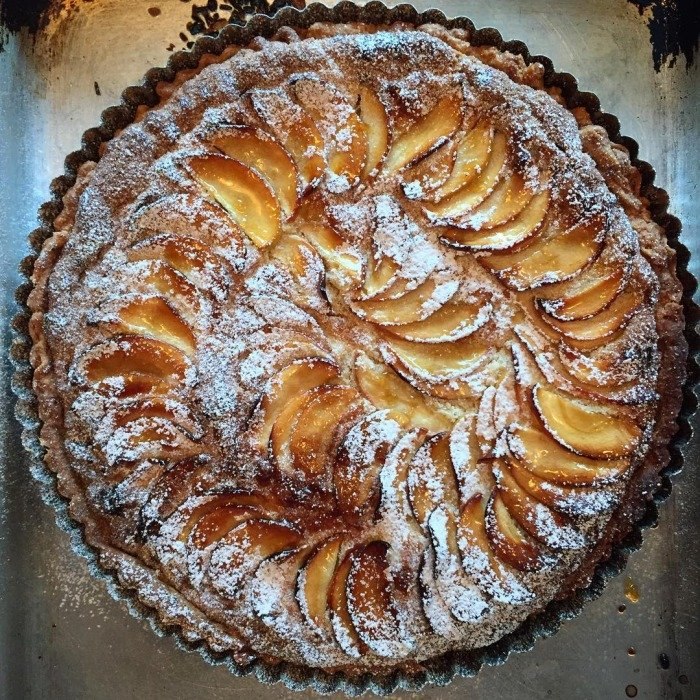
Preheat the oven to 200C/180C Fan/Gas 6. Put the biscuits in a large re-sealable freezer bag and bash with a rolling pin into fine crumbs. Melt the butter in a small pan, then add the biscuit crumbs and stir until coated with butter. Tip into the tart tin and, using the back of a spoon, press over the base and sides of the tin to give an even layer. Chill in the fridge while you make the filling. Cream together the butter and sugar until light and fluffy. You can do this in a food processor if you have one. Process for 2-3 minutes. Mix in the eggs, then add the ground almonds and almond extract and blend until well combined. Peel the apples, and cut thin slices of apple. Do this at the last minute to prevent the apple going brown. Arrange the slices over the biscuit base. Spread the frangipane filling evenly on top. Level the surface and sprinkle with the flaked almonds. Bake for 20-25 minutes until golden-brown and set. Remove from the oven and leave to cool for 15 minutes. Remove the sides of the tin. An easy way to do this is to stand the tin on a can of beans and push down gently on the edges of the tin. Transfer the tart, with the tin base attached, to a serving plate. Serve warm with cream, crème fraiche or ice cream.
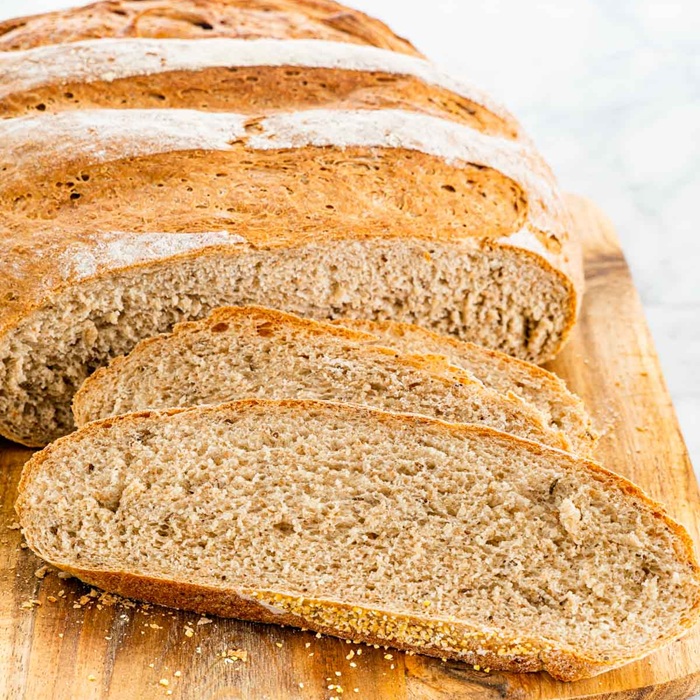
step 1 Tip the flours, yeast and salt into a bowl. In a jug, mix the honey with 250ml warm water, pour the liquid into the bowl and mix to form a dough. Rye flour can be quite dry and absorbs lots of water, if the dough looks too dry add more warm water until you have a soft dough Tip out onto your work surface and knead for 10 mins until smooth. Rye contains less gluten than white flour so the dough will not feel as springy as a conventional white loaf. step 2 Place the dough in a well oiled bowl, cover with cling film and leave to rise in a warm place for 1-2 hrs, or until roughly doubled in size. Dust a 2lb/900g loaf tin with flour. step 3 Tip the dough back onto your work surface and knead briefly to knock out any air bubbles. If using caraway seeds work these in to the dough. Shape into a smooth oval loaf and pop into your tin. Cover the tin with oiled cling film and leave to rise somewhere warm for a further 1 – 1.5 hr, or until doubled in size. step 4 Heat oven to 220C/200C fan/gas 7. Remove the cling film and dust the surface of the loaf with rye flour. Slash a few incisions on an angle then bake for 30 mins until dark brown and hollow sounding when tapped. Transfer to a wire cooling rack and leave to cool for at least 20 mins before serving
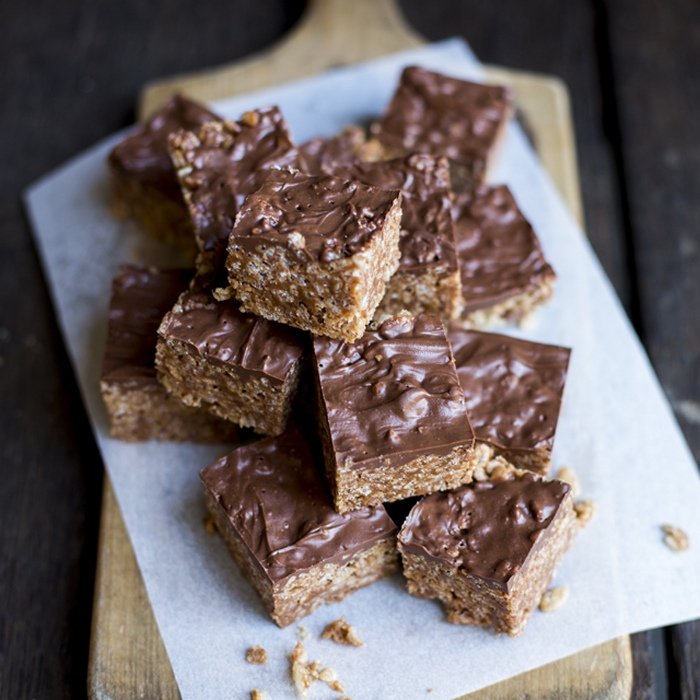
Grease and line a 20 x 20cm/8" x 8" baking tin with parchment paper. Put the mars bars and butter in a heat proof bowl and place over a pan of barely simmering water. Mixing with a whisk, melt until the mixture is smooth. Pour over the rice krispies in a mixing bowl and mix until all the ingredients are evenly combined. Press evenly into the prepare baking tin and set aside. Melt the milk chocolate in the microwave or over a pan of barely simmering water. Spread the melted chocolate over the rice krispie mixture and leave to set in a cool place. Once set slice into squares and serve!
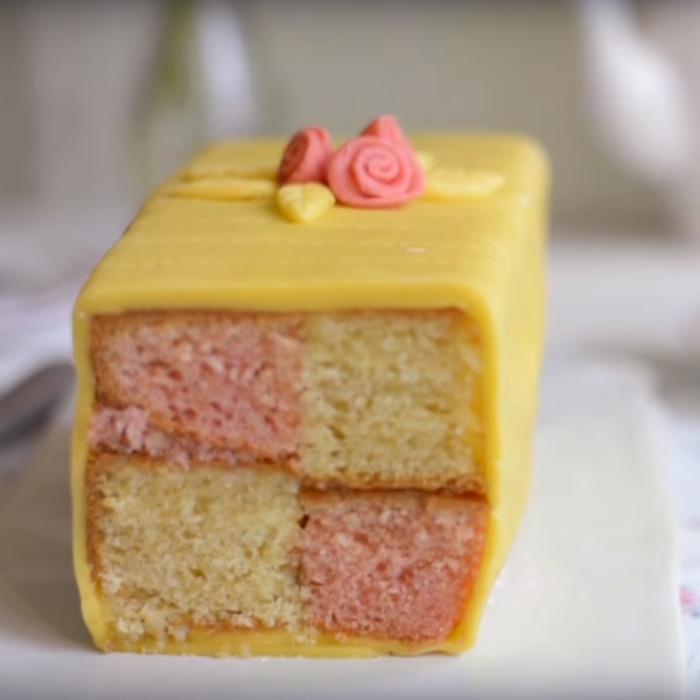
Heat oven to 180C/160C fan/gas 4 and line the base and sides of a 20cm square tin with baking parchment (the easiest way is to cross 2 x 20cm-long strips over the base). To make the almond sponge, put the butter, sugar, flour, ground almonds, baking powder, eggs, vanilla and almond extract in a large bowl. Beat with an electric whisk until the mix comes together smoothly. Scrape into the tin, spreading to the corners, and bake for 25-30 mins – when you poke in a skewer, it should come out clean. Cool in the tin for 10 mins, then transfer to a wire rack to finish cooling while you make the second sponge. For the pink sponge, line the tin as above. Mix all the ingredients together as above, but don’t add the almond extract. Fold in some pink food colouring. Then scrape it all into the tin and bake as before. Cool. To assemble, heat the jam in a small pan until runny, then sieve. Barely trim two opposite edges from the almond sponge, then well trim a third edge. Roughly measure the height of the sponge, then cutting from the well-trimmed edge, use a ruler to help you cut 4 slices each the same width as the sponge height. Discard or nibble leftover sponge. Repeat with pink cake. Take 2 x almond slices and 2 x pink slices and trim so they are all the same length. Roll out one marzipan block on a surface lightly dusted with icing sugar to just over 20cm wide, then keep rolling lengthways until the marzipan is roughly 0.5cm thick. Brush with apricot jam, then lay a pink and an almond slice side by side at one end of the marzipan, brushing jam in between to stick sponges, and leaving 4cm clear marzipan at the end. Brush more jam on top of the sponges, then sandwich remaining 2 slices on top, alternating colours to give a checkerboard effect. Trim the marzipan to the length of the cakes. Carefully lift up the marzipan and smooth over the cake with your hands, but leave a small marzipan fold along the bottom edge before you stick it to the first side. Trim opposite side t
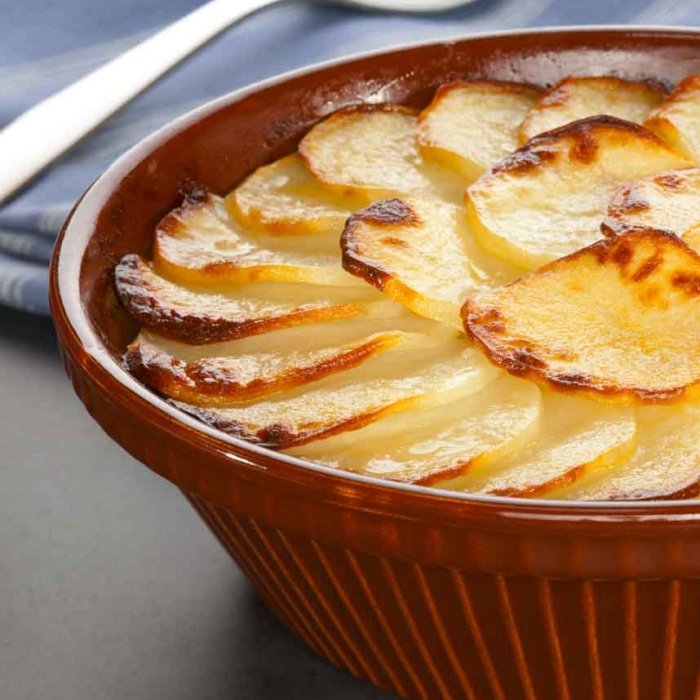
Heat oven to 200C/fan 180C/gas 6. Fry the onions and thyme sprigs in the oil until softened and lightly coloured (about 5 mins). Spread a layer of potatoes over the base of a 1.5-litre oiled gratin dish. Sprinkle over a few onions (see picture, above) and continue layering, finishing with a layer of potatoes. Pour over the stock and bake for 50-60 mins until the potatoes are cooked and the top is golden and crisp.
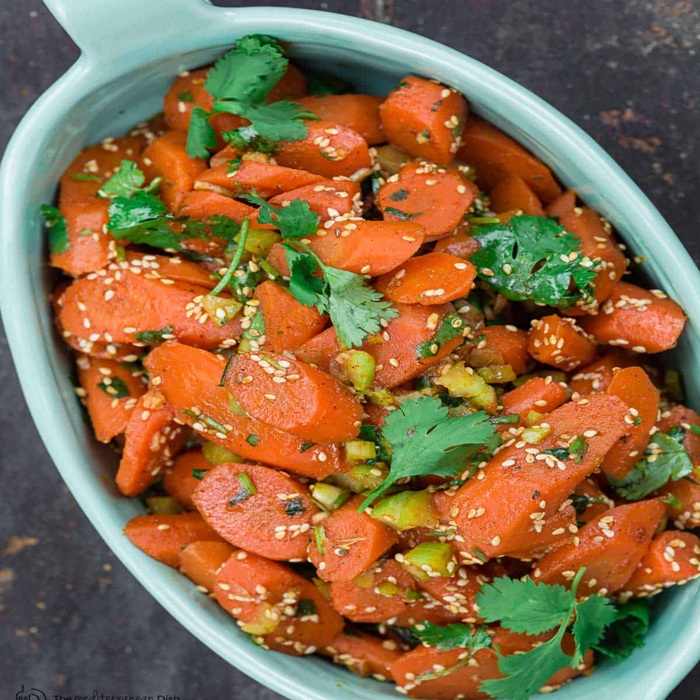
Place a steamer insert into a saucepan, and fill with 1 1/2 cups of water, or just below the bottom of the steamer. Cover, and bring the water to a boil over high heat. Add the sliced carrots, reduce the heat to medium, and cover the pan again. Steam until tender but not mushy, 4 to 6 minutes depending on the thickness of the slices. Reserve 1/2 cup of the cooking liquid. Heat the olive oil in a skillet over medium heat. Reduce the heat to low and stir in the salt, pepper, cinnamon, cumin, garlic, and thyme. Cook the spices and garlic, stirring frequently, until fragrant, about 10 minutes. Add the 1/2 cup reserved cooking liquid and the bay leaf, cover, and simmer for 20 minutes. Stir in the carrots, tossing well to coat with the spice mixture, and cook until heated through, about 2 to 3 minutes. Sprinkle with lemon juice and remove the bay leaf before serving.
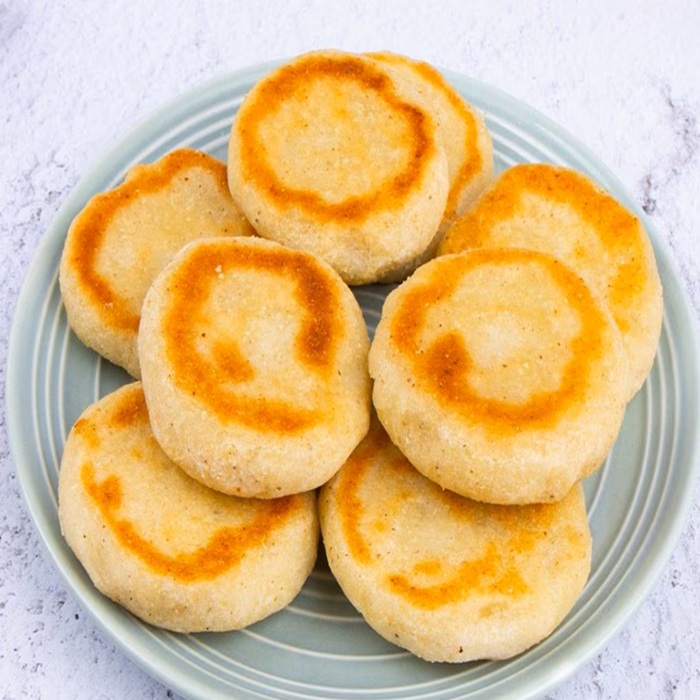
Preheat oven to 410° F. Pour the water into a large bowl. Make sure it is room temperature. Add the salt. Blend well with a mixer, fork or spatula to make sure it dissolves well. While you continue to beat the mixture, slowly add the corn meal—a little bit at a time. Once all the flour is added, keep mixing until the corn meal, water and salt are thoroughly blended and dissolved. Set aside the masa in its bowl. Let it rest for 5 minutes so that the flour is thoroughly hydrated. This type of corn flour does not have any gluten, so it doesn’t need to be kneaded. The masa should be smooth, firm yet malleable. While waiting for the 5 minutes’ rest, heat your budare (or comal, griddle, cast-iron pan or non-stick pan) over medium heat. Coat with a little bit of the oil. Fill a small bowl with water to wet your hands to make the arepas. Take about 2 Tbsp of the masa in your damp hands. The masa should fit easily in your palm so that it is easy to shape into a small ball. Cross your hands, so that one is on top of the other, with the masa ball between them. Rotate your right hand in a circle, so that you are at the same time both pressing the masa into a flat disc and keeping its round shape. arepa making The last step in shaping your arepa is to quickly pass and lightly press the masa disc from one hand to the other until it is about ¾ of an inch thick and 4 inches wide. Smooth the edges with your fingertips (quickly dip them into the water bowl first) so that they stay as round as possible and without cracks. arepa making Place your arepas in batches on the preheated surface of your budare griddle or nonstick pan. Let each side turn golden, about 4 to 5 minutes per side. Check them often so that they don’t burn. Once they are nicely browned on both sides, place the arepas on a baking sheet in your preheated oven for 10 minutes. They should be somewhat puffy, so that if you tap an arepa lightly on top, it will sound like you are tapping an empty box. Serve