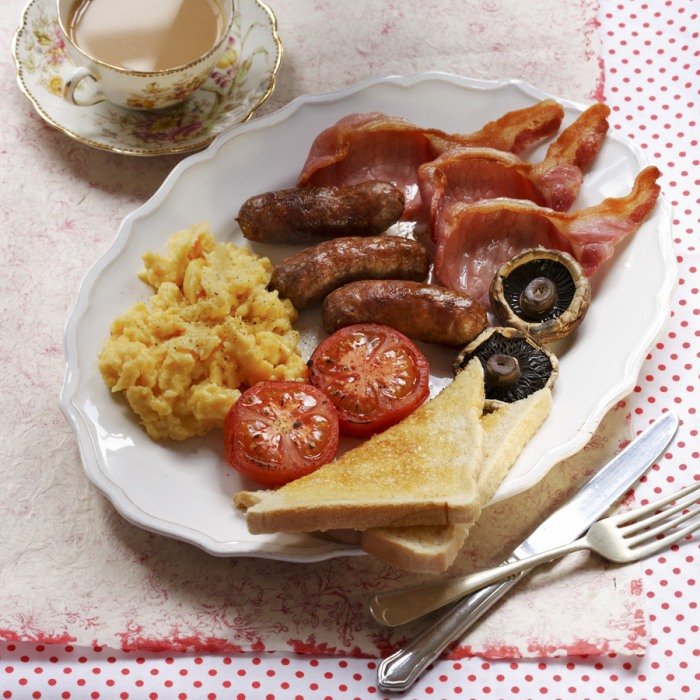
Heat the flat grill plate over a low heat, on top of 2 rings/flames if it fits, and brush sparingly with light olive oil. Cook the sausages first. Add the sausages to the hot grill plate/the coolest part if there is one and allow to cook slowly for about 15-20 minutes, turning occasionally, until golden. After the first 10 minutes, increase the heat to medium before beginning to cook the other ingredients. If you are struggling for space, completely cook the sausages and keep hot on a plate in the oven. Snip a few small cuts into the fatty edge of the bacon. Place the bacon straight on to the grill plate and fry for 2-4 minutes each side or until your preferred crispiness is reached. Like the sausages, the cooked bacon can be kept hot on a plate in the oven. For the mushrooms, brush away any dirt using a pastry brush and trim the stalk level with the mushroom top. Season with salt and pepper and drizzle over a little olive oil. Place stalk-side up on the grill plate and cook for 1-2 minutes before turning and cooking for a further 3-4 minutes. Avoid moving the mushrooms too much while cooking, as this releases the natural juices, making them soggy. For the tomatoes, cut the tomatoes across the centre/or in half lengthways if using plum tomatoes , and with a small, sharp knife remove the green 'eye'. Season with salt and pepper and drizzle with a little olive oil. Place cut-side down on the grill plate and cook without moving for 2 minutes. Gently turn over and season again. Cook for a further 2-3 minutes until tender but still holding their shape. For the black pudding, cut the black pudding into 3-4 slices and remove the skin. Place on the grill plate and cook for 1½-2 minutes each side until slightly crispy. For 'proper' fried bread it's best to cook it in a separate pan. Ideally, use bread that is a couple of days old. Heat a frying pan to a medium heat and cover the base with oil. Add the bread and cook for 2-3 minutes each side until crispy and golden. If

Preheat oven to 400ºF (200ºC), and prepare two cookie sheets with parchment paper. In a bowl, mix cream cheese, sugar, and vanilla until fully combined. Lightly flour the surface and roll out puff pastry on top to flatten. Cut each sheet of puff pastry into 9 equal squares. On the top right and bottom left of the pastry, cut an L shape approximately ½ inch (1 cm) from the edge. NOTE: This L shape should reach all the way down and across the square, however both L shapes should not meet at the ends. Your pastry should look like a picture frame with two corners still intact. Take the upper right corner and fold down towards the inner bottom corner. You will now have a diamond shape. Place 1 to 2 teaspoons of the cream cheese filling in the middle, then place berries on top. Repeat with the remaining pastry squares and place them onto the parchment covered baking sheet. Bake for 15-20 minutes or until pastry is golden brown and puffed. Enjoy!
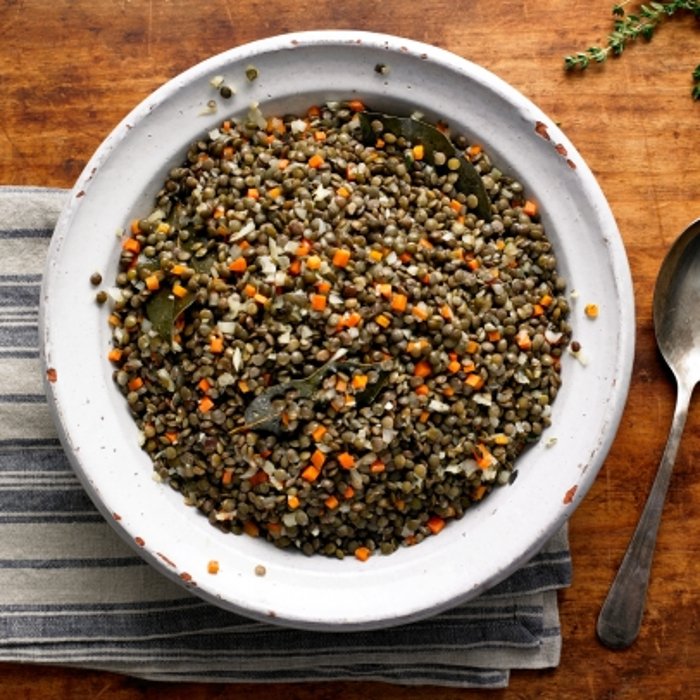
Place a large saucepan over medium heat and add oil. When hot, add chopped vegetables and sauté until softened, 5 to 10 minutes. Add 6 cups water, lentils, thyme, bay leaves and salt. Bring to a boil, then reduce to a fast simmer. Simmer lentils until they are tender and have absorbed most of the water, 20 to 25 minutes. If necessary, drain any excess water after lentils have cooked. Serve immediately, or allow them to cool and reheat later. For a fuller taste, use some chicken stock and reduce the water by the same amount.
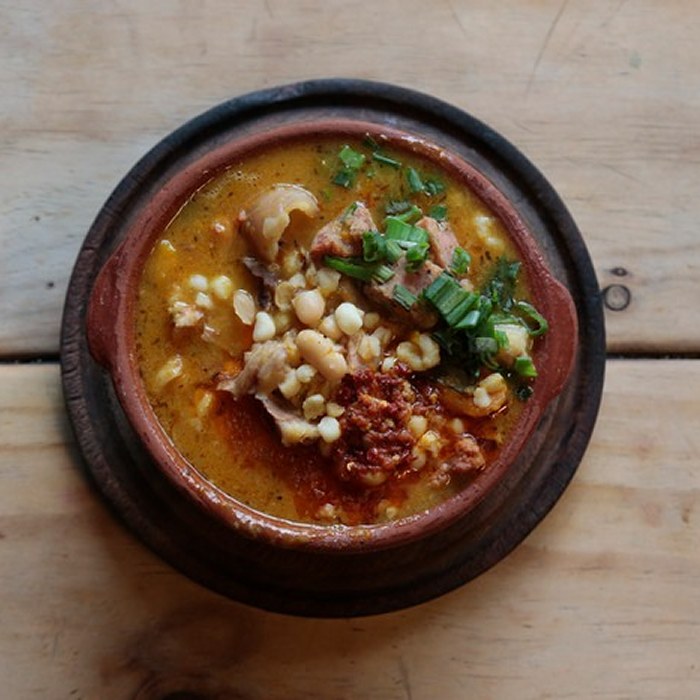
Soak: Soak corn and beans overnight in water. Cook Meats: In a large pot, brown the beef and pork. Add onions and spices, cooking until translucent. Simmer the Stew: Add soaked corn and beans, pumpkin, potato, and enough water to cover. Simmer for 2-3 hours, until thick. Serve: Enjoy hot, with bread on the side. Pro Tips: Toasting the corn slightly before adding it to the stew enhances its flavor. Add a spoonful of paprika or a dash of cumin for an extra layer of warmth and complexity
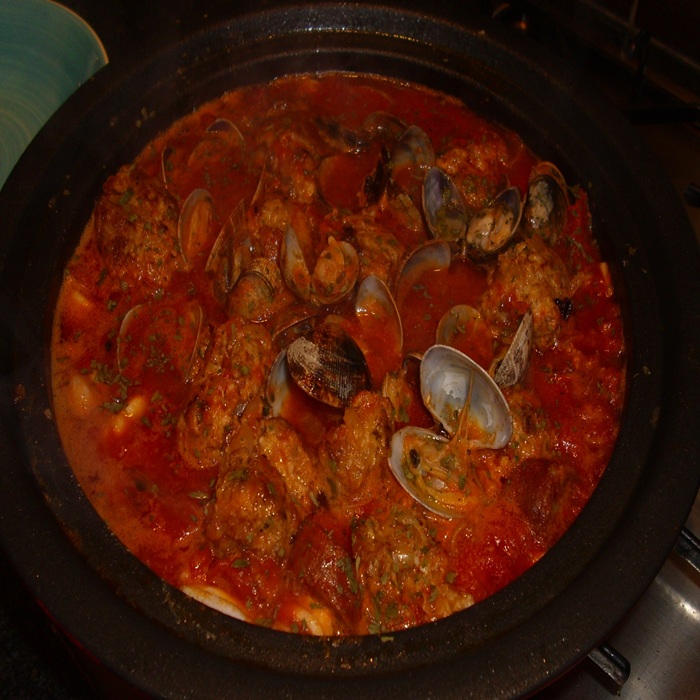
step 1 Melt the butter in a heavy-based casserole, then soften the shallots for 5 mins. Add the paprika and crushed garlic and cook for 1 min until the paprika becomes fragrant. Splash in the sherry, then pour the whole lot into a bowl with the breadcrumbs. Season and cool. step 2 Add the pork mince and the egg yolk to the bowl, then beat well. Shape into 18 small meatballs. Wipe the pan, put on a medium-high heat, then add the oil. Fry the meatballs for 5 mins, just to colour, then lift onto a plate, but keep the oil in the pan. Sizzle the chorizo with the sliced garlic. Add the squid and fry to give a little colour. Now tip in the white wine and bring to the boil, scraping the bottom. Stir in the pulped tomatoes, bring to the boil, then add the meatballs and the clams. Cover and cook for 5 mins until the clam shells open. Discard any that stay shut. Sprinkle with the chopped parsley, drizzle with the extra virgin oil, then serve with crusty bread.
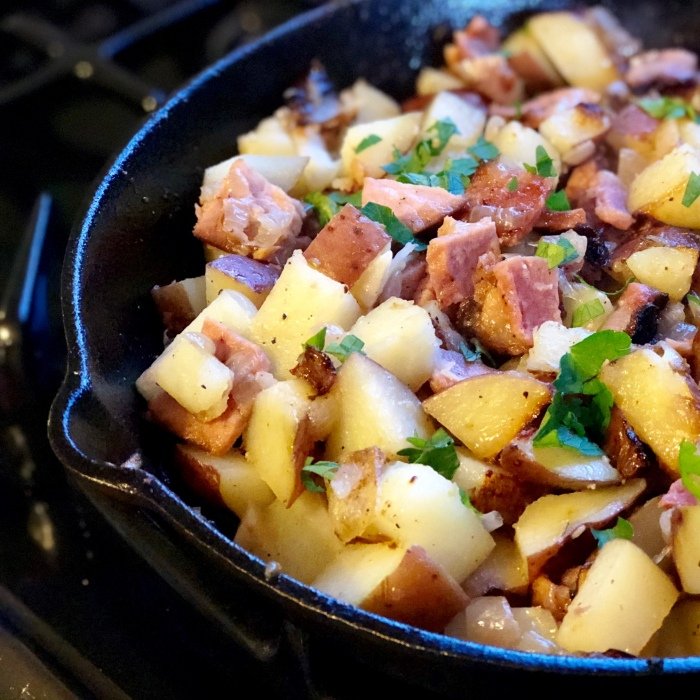
Before you do anything, freeze your bacon slices that way when you're ready to prep, it'll be so much easier to chop! Wash the potatoes and cut medium dice into square pieces. To prevent any browning, place the already cut potatoes in a bowl filled with water. In the meantime, heat 1-2 tablespoons of oil in a large skillet over medium-high heat. Tilt the skillet so the oil spreads evenly. Once the oil is hot, drain the potatoes and add to the skillet. Season with salt, pepper, and Old Bay as needed. Cook for 10 minutes, stirring the potatoes often, until brown. If needed, add a tablespoon more of oil. Chop up the bacon and add to the potatoes. The bacon will start to render and the fat will begin to further cook the potatoes. Toss it up a bit! The bacon will take 5-6 minutes to crisp. Once the bacon is cooked, reduce the heat to medium-low, add the minced garlic and toss. Season once more. Add dried or fresh parsley. Control heat as needed. Let the garlic cook until fragrant, about one minute. Just before serving, drizzle over the maple syrup and toss. Let that cook another minute, giving the potatoes a caramelized effect. Serve in a warm bowl with a sunny side up egg!
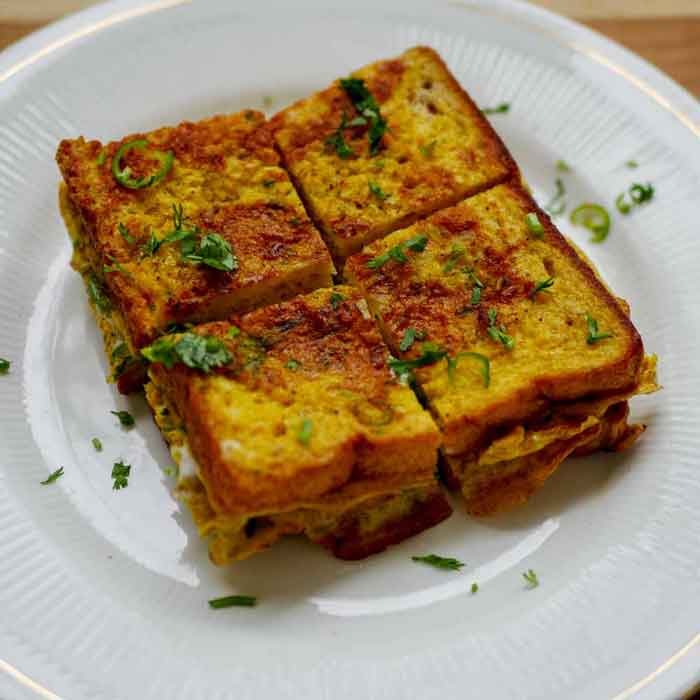
Make and enjoy
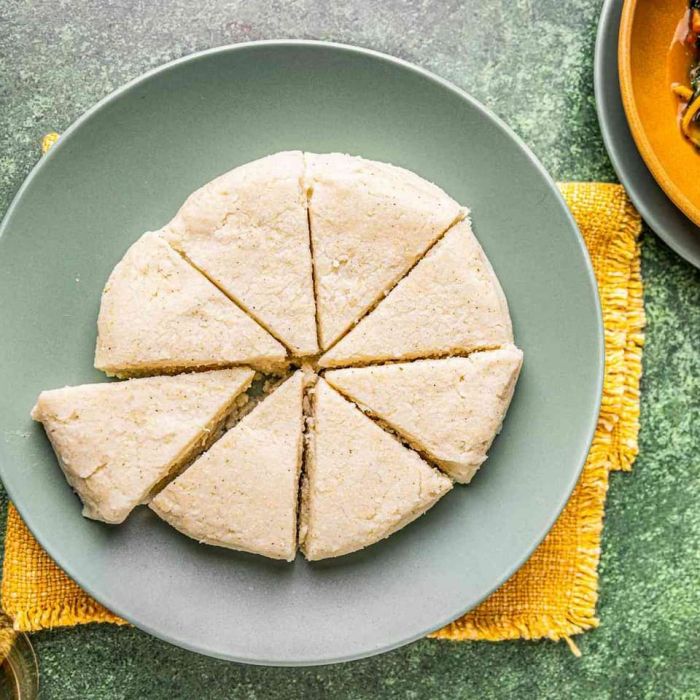
Bring the water to a boil in a medium saucepan. Reduce the heat to low, and stirring constantly with a whisk, slowly add the cornmeal to the boiling water. The ugali will begin to thicken quite quickly. Continue cooking on low heat, stirring constantly with a sturdy wooden spoon, until the ugali begins to pull away from the sides of the pan, hold together, and takes on the aroma of roasted corn. Turn it out immediately onto a serving plate. If you would like, using a spoon or spatula, quickly shape it into a thick disk or round. The ugali will continue to firm as it cools and will be thick enough to cut with a knife (similar to firm polenta).
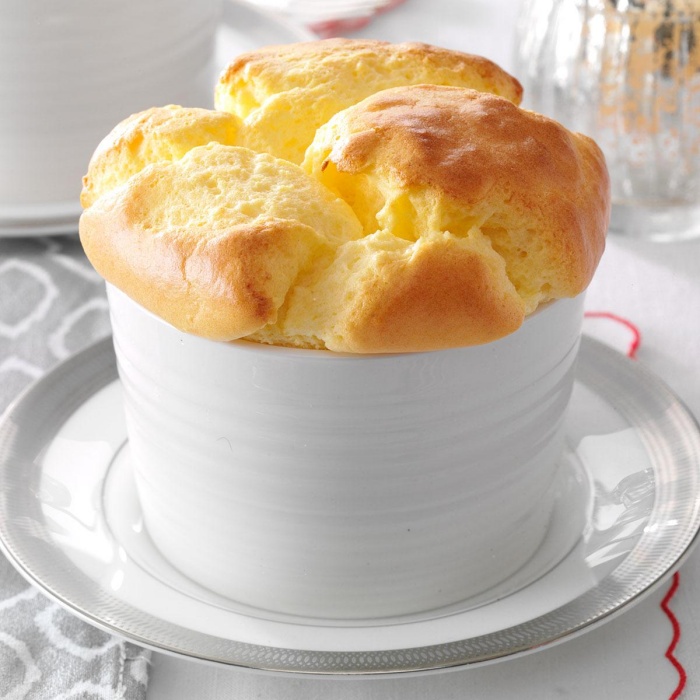
Heat oven to 200C/180C fan/ gas 6 and butter 4 small (about 200ml) ramekins. Sprinkle the Parmesan into the ramekins, turning until all sides are covered. Place the milk and bay leaves in a large saucepan over a gentle heat and bring to the boil. Turn off the heat and leave to infuse for 15 mins. Discard the bay leaves, add the butter and flour, and return to a low heat. Very gently simmer, stirring continuously with a balloon whisk, for about 6 mins until you get a smooth, thick white sauce. Make sure that you get right into the corners of the pan to stop the sauce from catching or becoming lumpy. Once thickened, transfer the sauce to a large bowl and stir in the mustard powder, cayenne pepper, Gruyère and egg yolks until fully combined. In a spotlessly clean bowl and with a clean whisk, beat the egg whites just until peaks begin to form. Carefully fold the egg whites into the cheese sauce in three stages making sure you fold, rather than stir, to keep the egg whites light and airy. Fill the prepared ramekins with the soufflé mix. Top each soufflé with a slice of goat’s cheese, then place on a baking tray. Bake for 20-25 mins or until springy and well risen but cooked through. Leave to cool, then run a knife around the edge of each dish and remove the soufflés. If preparing in advance, place soufflés upside down (for neat presentation), on a tray. Cover tray in cling film. Chill for a few days or freeze for up to 1 month. When ready to re-bake, heat oven to 200C/180C fan/gas 6. Place the upside-down soufflés in a shallow baking dish, top with the remaining goat’s cheese slices and pour over the cream (this stops them from drying out when baked for the second time). Cook for 8-10 mins until golden. Serve immediately alongside some simply dressed salad.
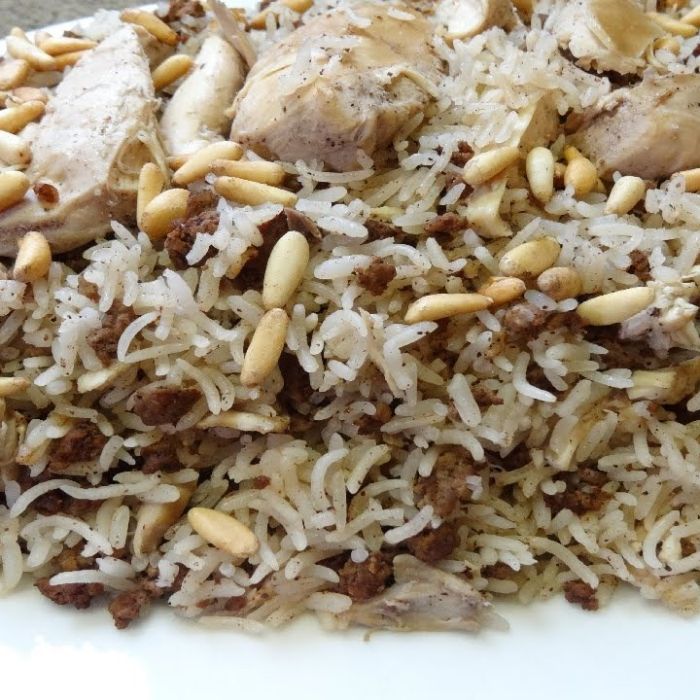
Heat 1/4 cup butter in a large saucepan over medium-high heat. Add ground beef and season with salt, allspice, cinnamon, and black pepper. Cook and stir until beef is browned and crumbly, 7 to 10 minutes. Stir chicken broth and rice into beef in the saucepan; bring to a boil. Reduce heat to low, cover, and cook until liquid is absorbed, about 20 minutes. Meanwhile, melt 2 tablespoons butter in a small skillet over medium heat. Cook and stir pine nuts in hot butter until lightly browned, 3 to 5 minutes. Mix pine nuts into beef-rice mixture before serving.
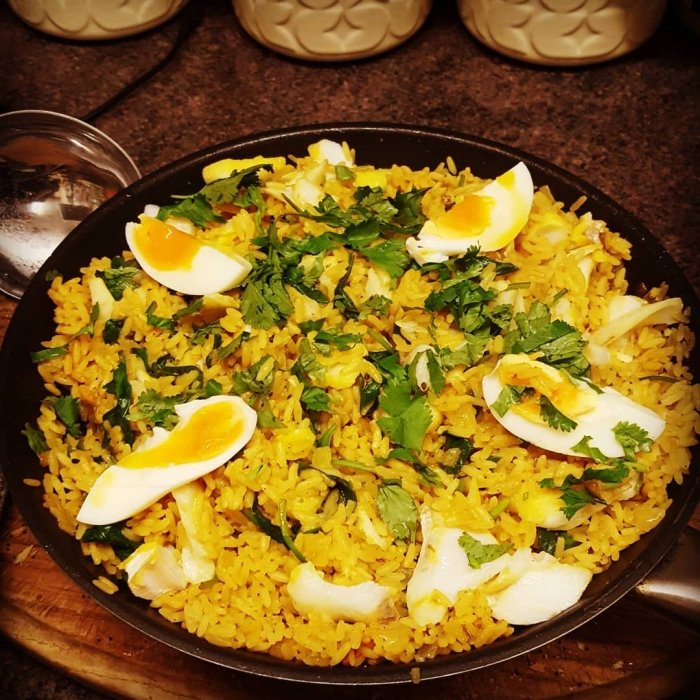
Melt 50g butter in a large saucepan (about 20cm across), add 1 finely chopped medium onion and cook gently over a medium heat for 5 minutes, until softened but not browned. Stir in 3 split cardamom pods, ¼ tsp turmeric, 1 small cinnamon stick and 2 bay leaves, then cook for 1 minute. Tip in 450g basmati rice and stir until it is all well coated in the spicy butter. Pour in 1 litre chicken or fish stock, add ½ teaspoon salt and bring to the boil, stir once to release any rice from the bottom of the pan. Cover with a close-fitting lid, reduce the heat to low and leave to cook very gently for 12 minutes. Meanwhile, bring some water to the boil in a large shallow pan. Add 750g un-dyed smoked haddock fillet and simmer for 4 minutes, until the fish is just cooked. Lift it out onto a plate and leave until cool enough to handle. Hard-boil 3 eggs for 8 minutes. Flake the fish, discarding any skin and bones. Drain the eggs, cool slightly, then peel and chop. Uncover the rice and remove the bay leaves, cinnamon stick and cardamom pods if you wish to. Gently fork in the fish and the chopped eggs, cover again and return to the heat for 2-3 minutes, or until the fish has heated through. Gently stir in almost all the 3 tbsp chopped fresh parsley, and season with a little salt and black pepper to taste. Serve scattered with the remaining parsley and garnished with 1 lemon, cut into wedges.

In a glass, muddle fresh mint leaves with granulated sugar and lime wedges to release the flavors. Add white rum and stir well. Fill the glass with ice cubes and top with club soda. Stir gently and garnish with a sprig of mint. Sip and enjoy the classic and refreshing taste of a Mojito!
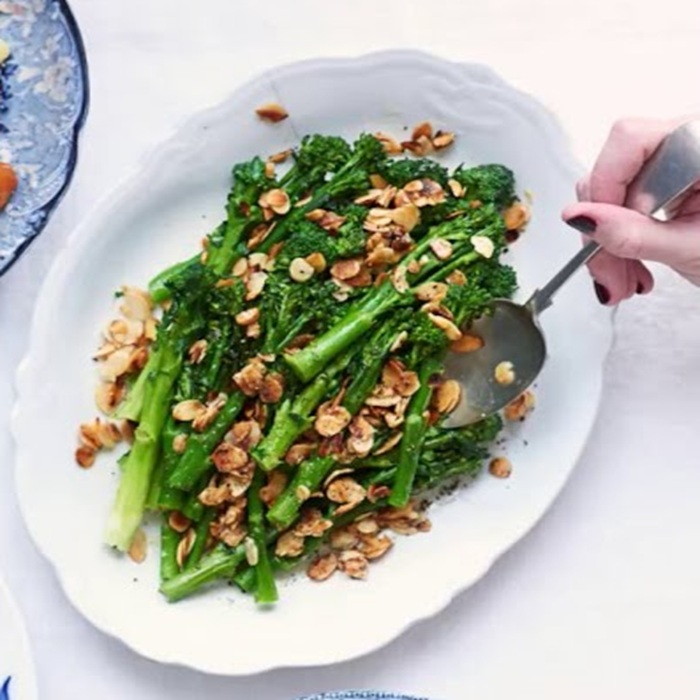
step 1 For the nuoc cham, whisk together all of the ingredients with 5 tbsp hot water in a small bowl. Set aside while you make the tempura. step 2 Whisk the cornflour, plain flour, sesame seeds (if using) and a large pinch of salt together. Fill a large, deep pan no more than a third full with the vegetable oil and heat until it reaches 180C or a cube of bread dropped in browns in 20 seconds. step 3 Quickly whisk the soda water into the flour mixture, being careful not to overmix, then dunk in the broccoli using tongs. Carefully lower into the hot oil and cook for 2-3 mins until crisp. Drain on kitchen paper, then serve with the nuoc cham on the side for dipping.
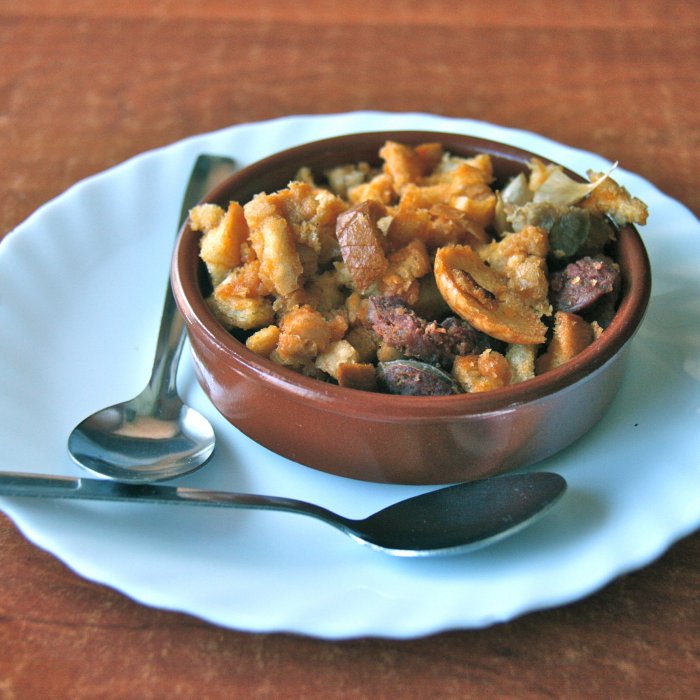
Crumble the bread into small pieces. Sprinkle with cold water, cover with a damp cloth and leave for 30 minutes. Heat 2 tsp of olive oil in a deep pan. Add the garlic cloves separated, skins on; just make a small cut with a knife to open them and keep frying for 5 minutes. Set the garlic aside. In the same oil, where we fried everything, simmer the bread, stirring constantly for 15 minutes and add a grinding of black pepper. Add the garlic, continue stirring for about 20 minutes. It will be ready when the bread is soft and golden.
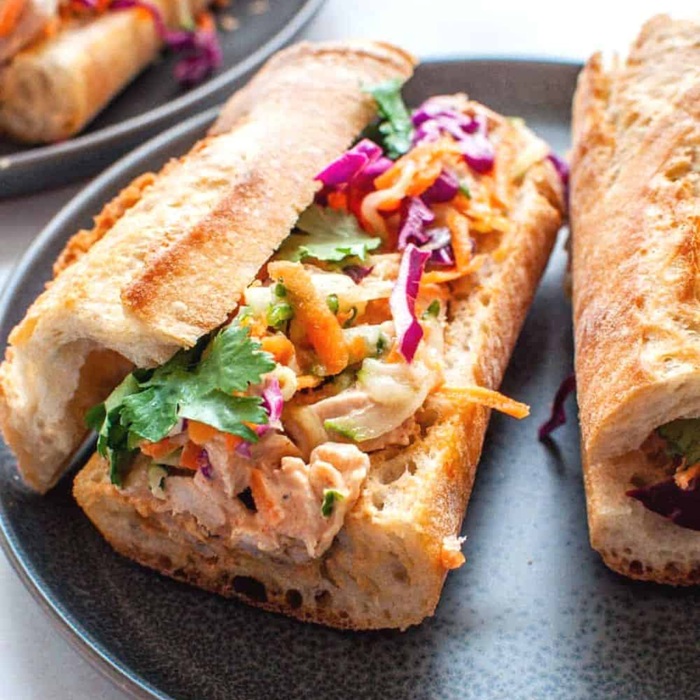
step 1 To make the pickled slaw, tip the carrots and cabbage into a large bowl. In a small bowl, combine the ginger, rice vinegar, sugar and a few pinches of salt. Pour over the vegetables and toss together. Set aside for at least 15 mins. step 2 Halve the baguettes lengthways and spread the pâté over the bottom half. Top with the pickled slaw, cucumber and turkey. Mix the mayonnaise with the chopped chilli and dollop over the top. Scatter over the mint leaves and sliced chilli. Sandwich together and dig in.
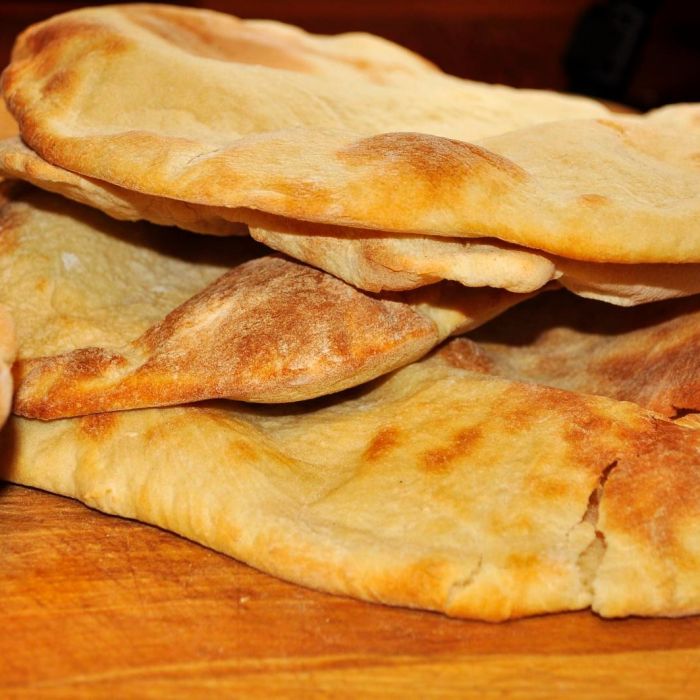
Place ingredients in the pan of the bread machine in the order recommended by the manufacturer. Select Dough cycle; press Start. When the Dough cycle is almost complete, preheat the oven to 475 degrees F (245 degrees C). Turn dough out onto a lightly floured surface. Divide into eight equal pieces and form into rounds. Cover the rounds with a damp cloth and let rest. Roll dough into thin flat circles, about 8 inches in diameter. Cook two at a time on preheated baking sheets or a baking stone until puffed up and golden brown, about 5 minutes. Repeat for remaining loaves.
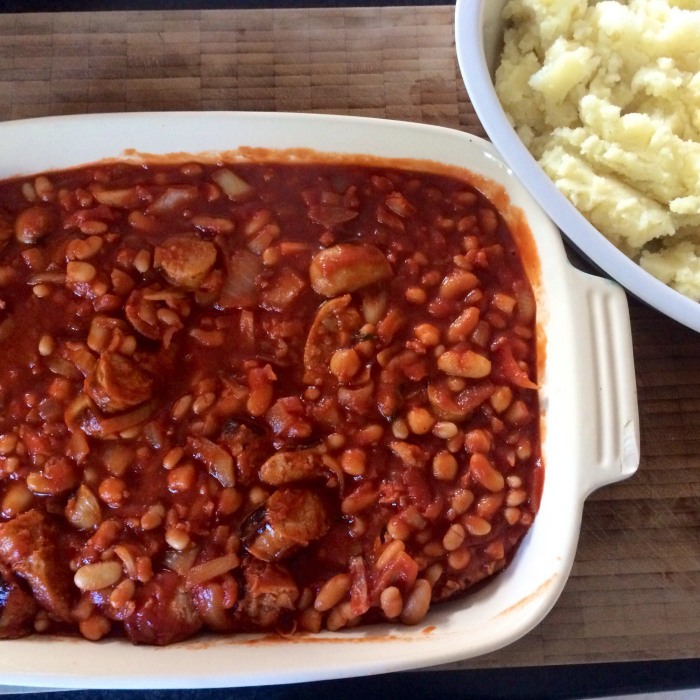
In a large casserole, fry the sausages until brown all over – about 10 mins. Add the tomato sauce, stirring well, then stir in the beans, treacle or sugar and mustard. Bring to the simmer, cover and cook for 30 mins. Great served with crusty bread or rice.
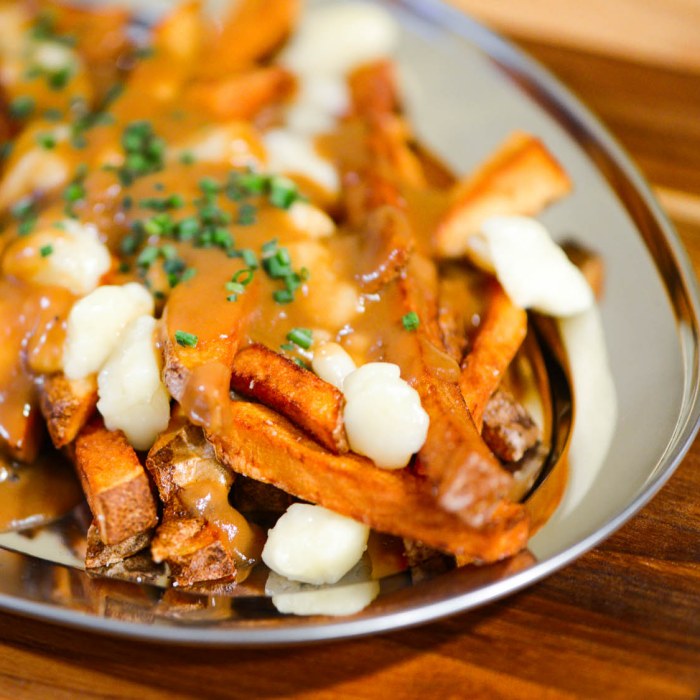
Heat oil in a deep fryer or deep heavy skillet to 365°F (185°C). Warm gravy in saucepan or microwave. Place the fries into the hot oil, and cook until light brown, about 5 minutes. Remove to a paper towel lined plate to drain. Place the fries on a serving platter, and sprinkle the cheese over them. Ladle gravy over the fries and cheese, and serve immediately.
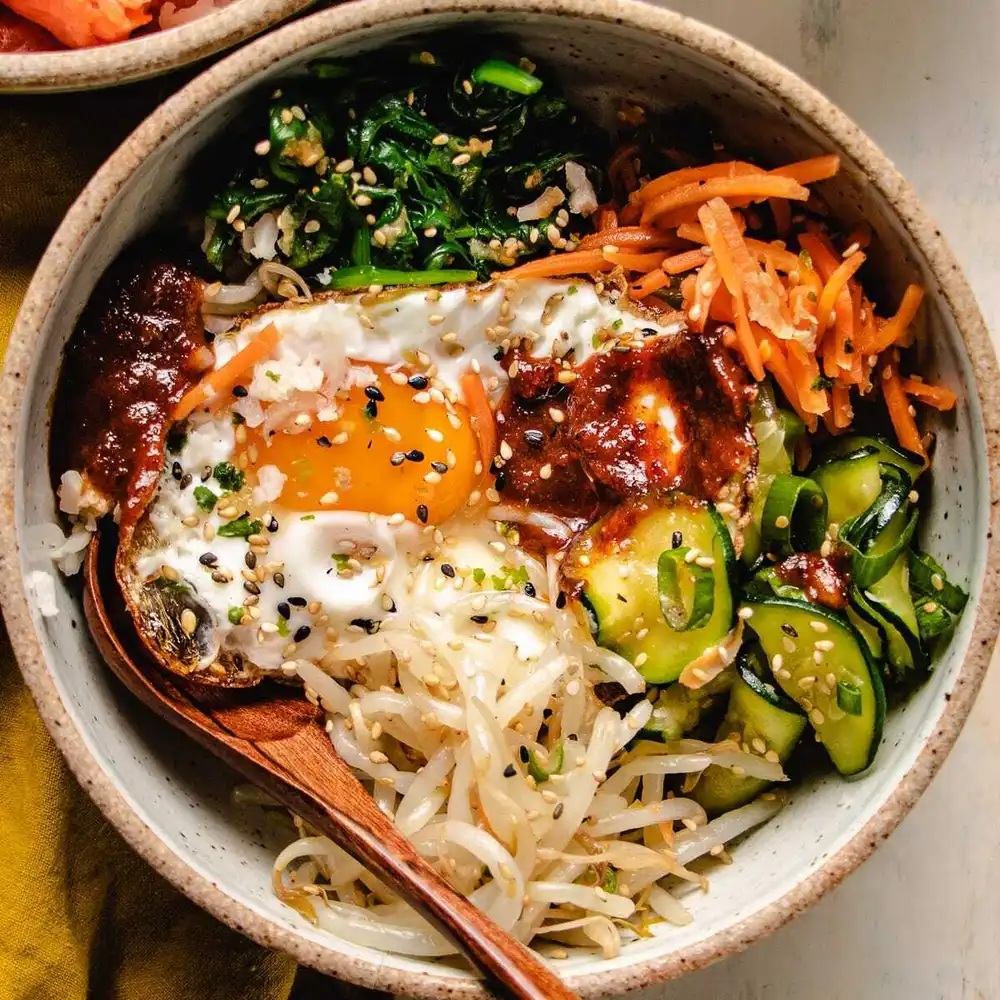
Arrange cooked white rice in a bowl. Top with beef bulgogi, sautéed carrots, seasoned spinach, grilled zucchini, and blanched bean sprouts. Place a fried egg on top and drizzle with gochujang and sesame oil. Sprinkle with toasted sesame seeds before serving. Mix everything together before enjoying this delicious Korean bibimbap! Feel free to customize with additional vegetables or protein.
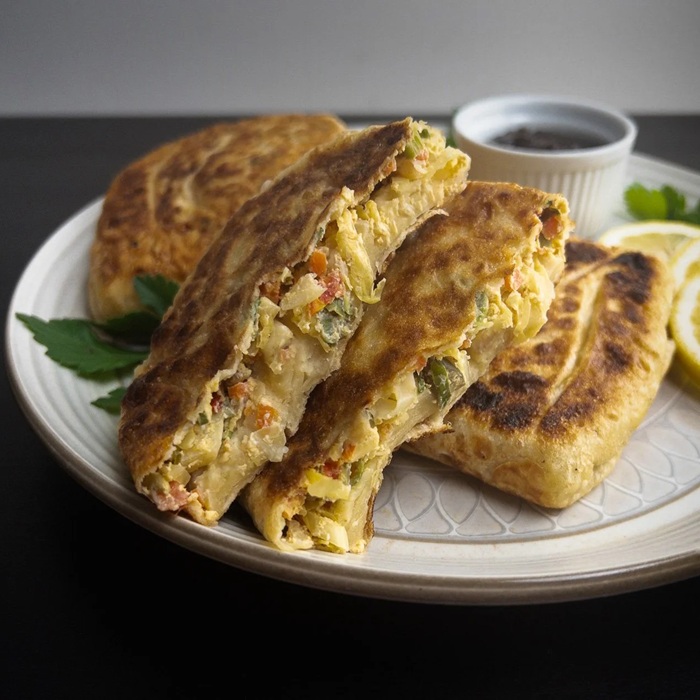
1 Heat the frying pan and add in some oil. Fry the mashed garlic and ginger first and then add in the minced meat and all seasoning. When the meat is cooked, set aside to cool down. 2 Get another big bowl. Add in egg, chopped tomato, chopped spring onion and minced meat. 3 Get one 2 sheets of filo pastry or 1 sheet spring roll wrap. Brush it with some butter and then put some filling in the middle. Fold the pastry and brush more butter on the seal part. 4 Heat a frying pan and add in some oil to cook the parcel until its both sides and 4 edges all turn into golden brown. (Or brush melted butter all over the parcel and bake it in 180°C oven for 10-15 minutes) 5 Enjoy
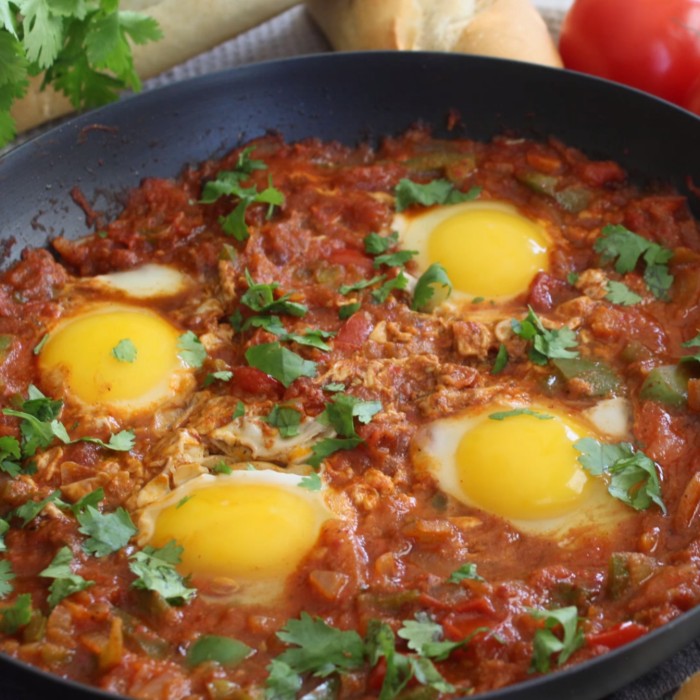
In a large cast iron skillet or sauté pan with a lid, heat oil over medium high heat. Add the onion and sauté for 2-3 minutes, until softened. Add the peppers and garlic, and sauté for an additional 3-5 minutes. Add the tomatoes, cumin, paprika, salt, and chili powder. Mix well and bring the mixture to a simmer. Reduce the heat to medium low and continue to simmer, uncovered, 10-15 minutes until the mixture has thickened to your desired consistency. (Taste the sauce at this point and adjust for salt and spice, as desired.) Using the back of a spoon, make four craters in the mixture, large enough to hold an egg. Crack one egg into each of the craters. Cover the skillet and simmer for 5-7 minutes, until the eggs have set. Serve immediately with crusty bread or pita.
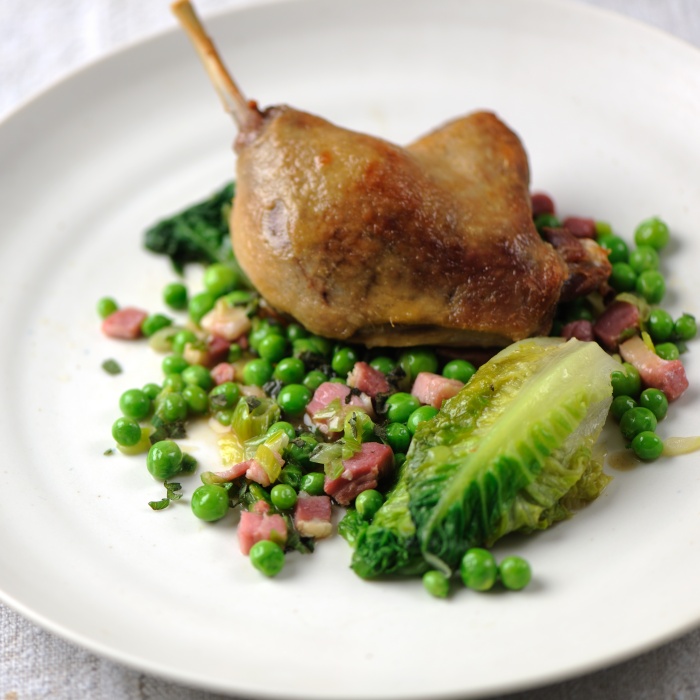
The day before you want to make the dish, scatter half the salt, half the garlic and half of the herbs over the base of a small shallow dish. Lay the duck legs, skin-side up, on top, then scatter over the remaining salt, garlic and herbs. Cover the duck and refrigerate overnight. This can be done up to 2 days ahead. Pour the wine into a saucepan that will snugly fit the duck legs in a single layer. Brush the salt off the duck legs and place them, skin-side down, in the wine. Cover the pan with a lid and place over a medium heat. As soon as the wine starts to bubble, turn the heat down to the lowest setting and cook for 2 hours, checking occasionally that the liquid is just barely simmering. (If you own a heat diffuser, it would be good to use it here.) After 2 hours, the duck legs should be submerged in their own fat and the meat should feel incredibly tender when prodded. Leave to cool. The duck legs are now cooked and can be eaten immediately – or you can follow the next step if you like them crisp. If you are preparing ahead, pack the duck legs tightly into a plastic container or jar and pour over the fat, but not the liquid at the bottom of the pan. Cover and leave in the fridge for up to a month, or freeze for up to 3 months. The liquid you are left with makes a tasty gravy, which can be chilled or frozen until needed. To reheat and crisp up the duck legs, heat oven to 220C/fan 200C/gas 7. Remove the legs from the fat and place them, skin-side down, in an ovenproof frying pan. Roast for 30-40 mins, turning halfway through, until brown and crisp. Serve with the reheated gravy, a crisp salad and some crisp golden ptoatoes.
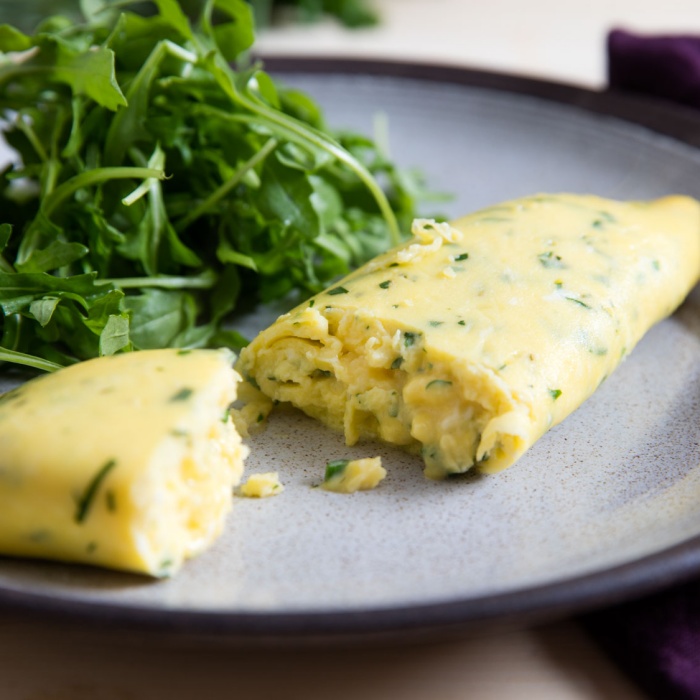
Get everything ready. Warm a 20cm (measured across the top) non-stick frying pan on a medium heat. Crack the eggs into a bowl and beat them with a fork so they break up and mix, but not as completely as you would for scrambled egg. With the heat on medium-hot, drop one knob of butter into the pan. It should bubble and sizzle, but not brown. Season the eggs with the Parmesan and a little salt and pepper, and pour into the pan. Let the eggs bubble slightly for a couple of seconds, then take a wooden fork or spatula and gently draw the mixture in from the sides of the pan a few times, so it gathers in folds in the centre. Leave for a few seconds, then stir again to lightly combine uncooked egg with cooked. Leave briefly again, and when partly cooked, stir a bit faster, stopping while there’s some barely cooked egg left. With the pan flat on the heat, shake it back and forth a few times to settle the mixture. It should slide easily in the pan and look soft and moist on top. A quick burst of heat will brown the underside. Grip the handle underneath. Tilt the pan down away from you and let the omelette fall to the edge. Fold the side nearest to you over by a third with your fork, and keep it rolling over, so the omelette tips onto a plate – or fold it in half, if that’s easier. For a neat finish, cover the omelette with a piece of kitchen paper and plump it up a bit with your fingers. Rub the other knob of butter over to glaze. Serve immediately.
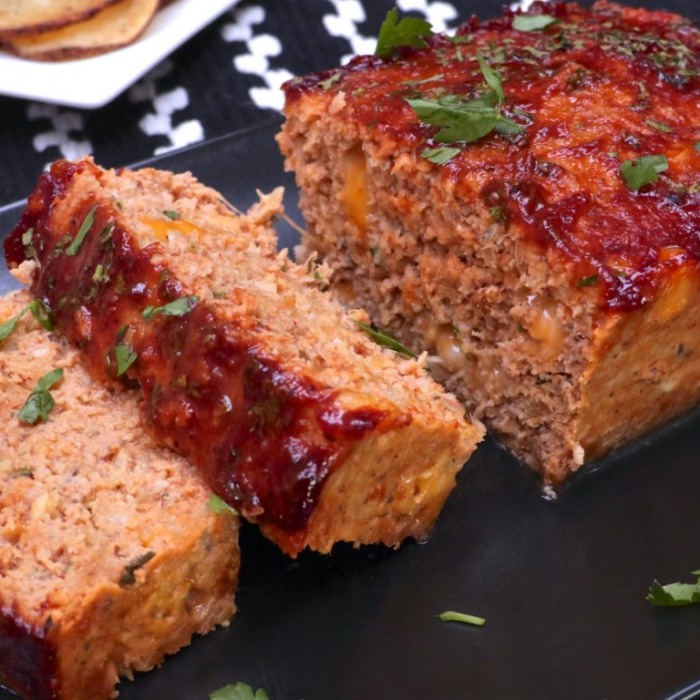
Heat oven to 180C/160C fan/gas 4. Heat the oil in a large frying pan and cook the onion for 8-10 mins until softened. Add the garlic, Worcestershire sauce and 2 tsp tomato purée, and stir until combined. Set aside to cool. Put the turkey mince, egg, breadcrumbs and cooled onion mix in a large bowl and season well. Mix everything to combine, then shape into a rectangular loaf and place in a large roasting tin. Spread 2 tbsp barbecue sauce over the meatloaf and bake for 30 mins. Meanwhile, drain 1 can of beans only, then pour both cans into a large bowl. Add the remaining barbecue sauce and tomato purée. Season and set aside. When the meatloaf has had its initial cooking time, scatter the beans around the outside and bake for 15 mins more until the meatloaf is cooked through and the beans are piping hot. Scatter over the parsley and serve the meatloaf in slices.