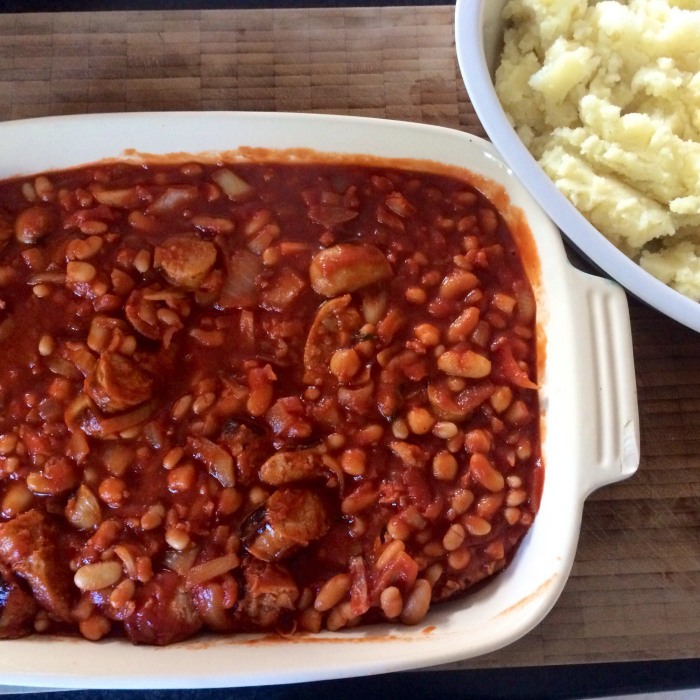
In a large casserole, fry the sausages until brown all over – about 10 mins. Add the tomato sauce, stirring well, then stir in the beans, treacle or sugar and mustard. Bring to the simmer, cover and cook for 30 mins. Great served with crusty bread or rice.
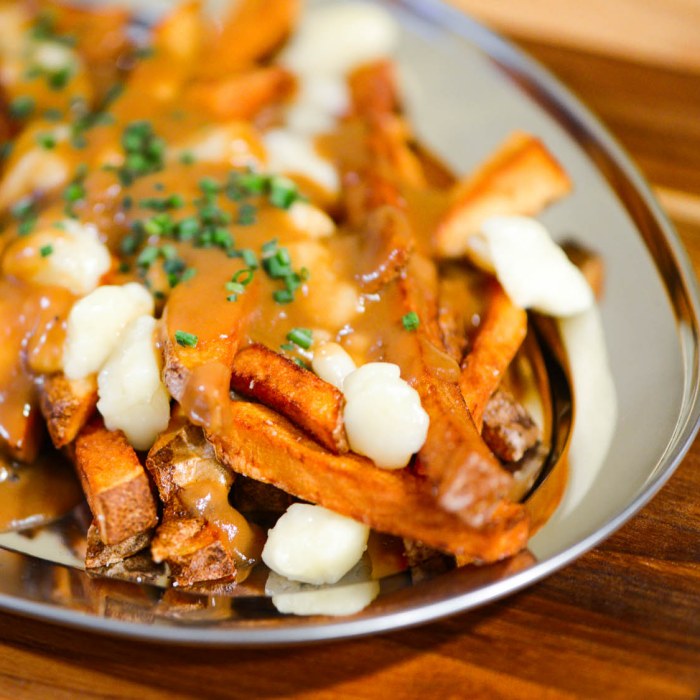
Heat oil in a deep fryer or deep heavy skillet to 365°F (185°C). Warm gravy in saucepan or microwave. Place the fries into the hot oil, and cook until light brown, about 5 minutes. Remove to a paper towel lined plate to drain. Place the fries on a serving platter, and sprinkle the cheese over them. Ladle gravy over the fries and cheese, and serve immediately.
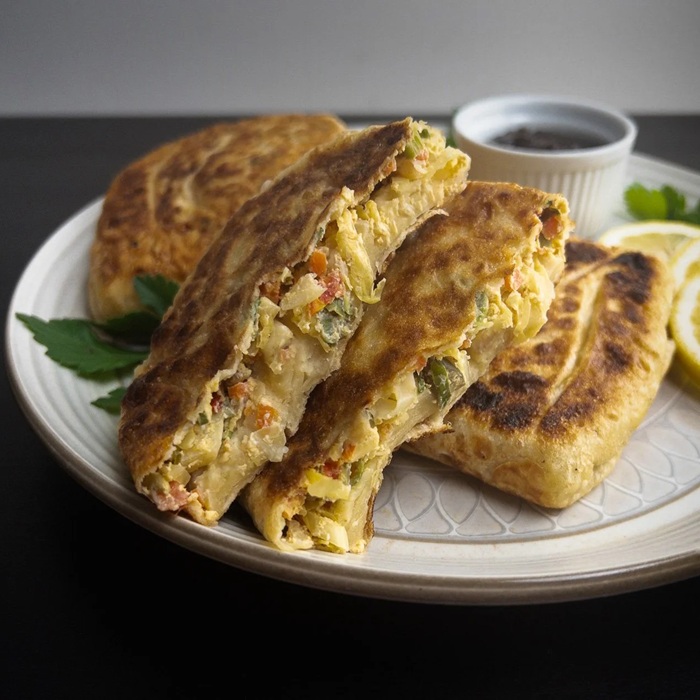
1 Heat the frying pan and add in some oil. Fry the mashed garlic and ginger first and then add in the minced meat and all seasoning. When the meat is cooked, set aside to cool down. 2 Get another big bowl. Add in egg, chopped tomato, chopped spring onion and minced meat. 3 Get one 2 sheets of filo pastry or 1 sheet spring roll wrap. Brush it with some butter and then put some filling in the middle. Fold the pastry and brush more butter on the seal part. 4 Heat a frying pan and add in some oil to cook the parcel until its both sides and 4 edges all turn into golden brown. (Or brush melted butter all over the parcel and bake it in 180°C oven for 10-15 minutes) 5 Enjoy

In a large cast iron skillet or sauté pan with a lid, heat oil over medium high heat. Add the onion and sauté for 2-3 minutes, until softened. Add the peppers and garlic, and sauté for an additional 3-5 minutes. Add the tomatoes, cumin, paprika, salt, and chili powder. Mix well and bring the mixture to a simmer. Reduce the heat to medium low and continue to simmer, uncovered, 10-15 minutes until the mixture has thickened to your desired consistency. (Taste the sauce at this point and adjust for salt and spice, as desired.) Using the back of a spoon, make four craters in the mixture, large enough to hold an egg. Crack one egg into each of the craters. Cover the skillet and simmer for 5-7 minutes, until the eggs have set. Serve immediately with crusty bread or pita.
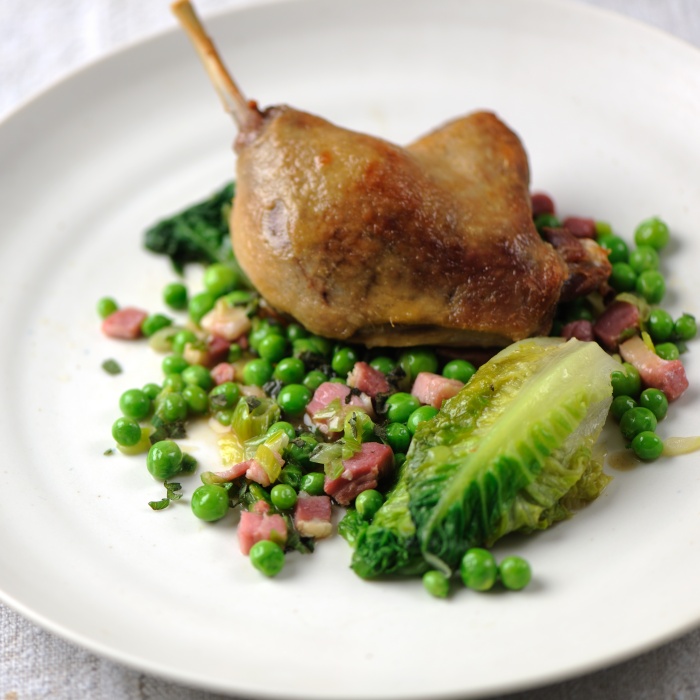
The day before you want to make the dish, scatter half the salt, half the garlic and half of the herbs over the base of a small shallow dish. Lay the duck legs, skin-side up, on top, then scatter over the remaining salt, garlic and herbs. Cover the duck and refrigerate overnight. This can be done up to 2 days ahead. Pour the wine into a saucepan that will snugly fit the duck legs in a single layer. Brush the salt off the duck legs and place them, skin-side down, in the wine. Cover the pan with a lid and place over a medium heat. As soon as the wine starts to bubble, turn the heat down to the lowest setting and cook for 2 hours, checking occasionally that the liquid is just barely simmering. (If you own a heat diffuser, it would be good to use it here.) After 2 hours, the duck legs should be submerged in their own fat and the meat should feel incredibly tender when prodded. Leave to cool. The duck legs are now cooked and can be eaten immediately – or you can follow the next step if you like them crisp. If you are preparing ahead, pack the duck legs tightly into a plastic container or jar and pour over the fat, but not the liquid at the bottom of the pan. Cover and leave in the fridge for up to a month, or freeze for up to 3 months. The liquid you are left with makes a tasty gravy, which can be chilled or frozen until needed. To reheat and crisp up the duck legs, heat oven to 220C/fan 200C/gas 7. Remove the legs from the fat and place them, skin-side down, in an ovenproof frying pan. Roast for 30-40 mins, turning halfway through, until brown and crisp. Serve with the reheated gravy, a crisp salad and some crisp golden ptoatoes.
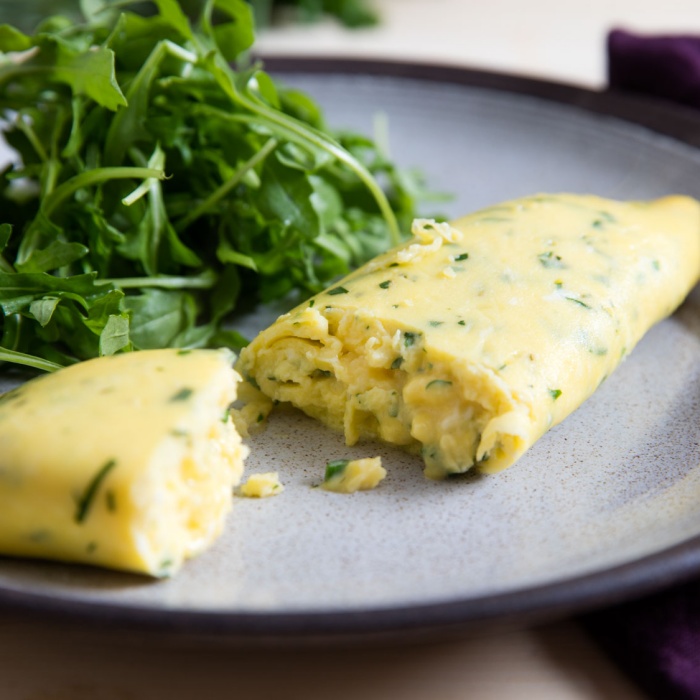
Get everything ready. Warm a 20cm (measured across the top) non-stick frying pan on a medium heat. Crack the eggs into a bowl and beat them with a fork so they break up and mix, but not as completely as you would for scrambled egg. With the heat on medium-hot, drop one knob of butter into the pan. It should bubble and sizzle, but not brown. Season the eggs with the Parmesan and a little salt and pepper, and pour into the pan. Let the eggs bubble slightly for a couple of seconds, then take a wooden fork or spatula and gently draw the mixture in from the sides of the pan a few times, so it gathers in folds in the centre. Leave for a few seconds, then stir again to lightly combine uncooked egg with cooked. Leave briefly again, and when partly cooked, stir a bit faster, stopping while there’s some barely cooked egg left. With the pan flat on the heat, shake it back and forth a few times to settle the mixture. It should slide easily in the pan and look soft and moist on top. A quick burst of heat will brown the underside. Grip the handle underneath. Tilt the pan down away from you and let the omelette fall to the edge. Fold the side nearest to you over by a third with your fork, and keep it rolling over, so the omelette tips onto a plate – or fold it in half, if that’s easier. For a neat finish, cover the omelette with a piece of kitchen paper and plump it up a bit with your fingers. Rub the other knob of butter over to glaze. Serve immediately.
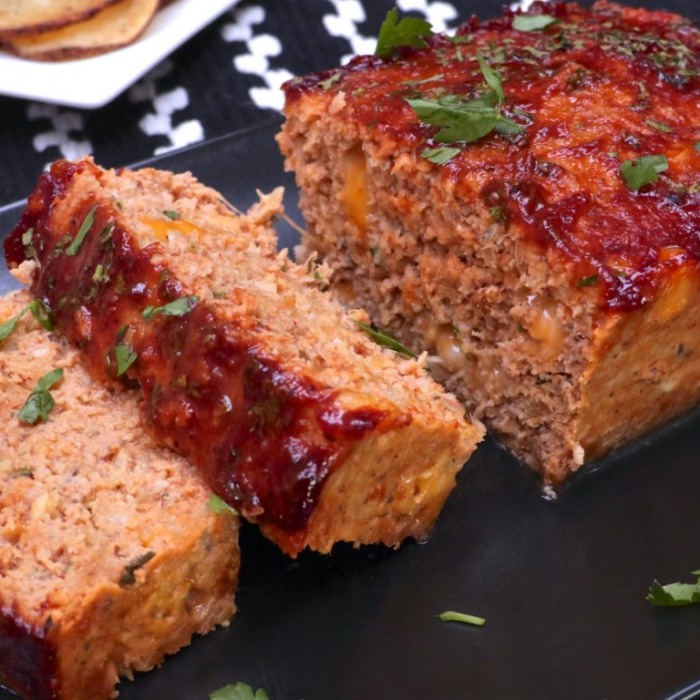
Heat oven to 180C/160C fan/gas 4. Heat the oil in a large frying pan and cook the onion for 8-10 mins until softened. Add the garlic, Worcestershire sauce and 2 tsp tomato purée, and stir until combined. Set aside to cool. Put the turkey mince, egg, breadcrumbs and cooled onion mix in a large bowl and season well. Mix everything to combine, then shape into a rectangular loaf and place in a large roasting tin. Spread 2 tbsp barbecue sauce over the meatloaf and bake for 30 mins. Meanwhile, drain 1 can of beans only, then pour both cans into a large bowl. Add the remaining barbecue sauce and tomato purée. Season and set aside. When the meatloaf has had its initial cooking time, scatter the beans around the outside and bake for 15 mins more until the meatloaf is cooked through and the beans are piping hot. Scatter over the parsley and serve the meatloaf in slices.
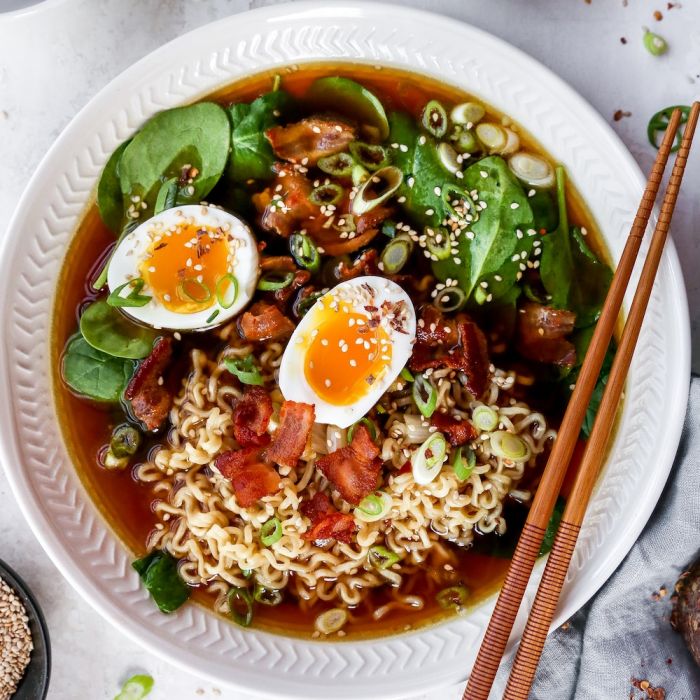
Boil: Bring water to a boil, gently add eggs, and cook for exactly 6½ to 7 minutes. Ice Bath: Immediately transfer the eggs to a bowl of ice water for 3–5 minutes to stop cooking. Marinate (Optional but recommended): Peel the eggs and marinate in a mix of 2 tbsp soy sauce, 2 tbsp mirin, 1 tsp sugar, and 4 tbsp water for at least 4 hours (or overnight). Serve: Slice in half, letting the yolk flow into the broth

1 In a pan heat the oil medium to high heat, with a tablespoon of olive oil 2 Add the chopped vegetables as onions, garlic, celery and red pepper. Stir all together for 5 mins. 3 Add the cumin powder and salt and pepper and the tomato sauce and let it cook for another 7 mins. 4 Add the eggs, cover and leave to coo for 8 mins. Add the fresh spinach and feta cheese at the end. 5 Serve with fresh bread.