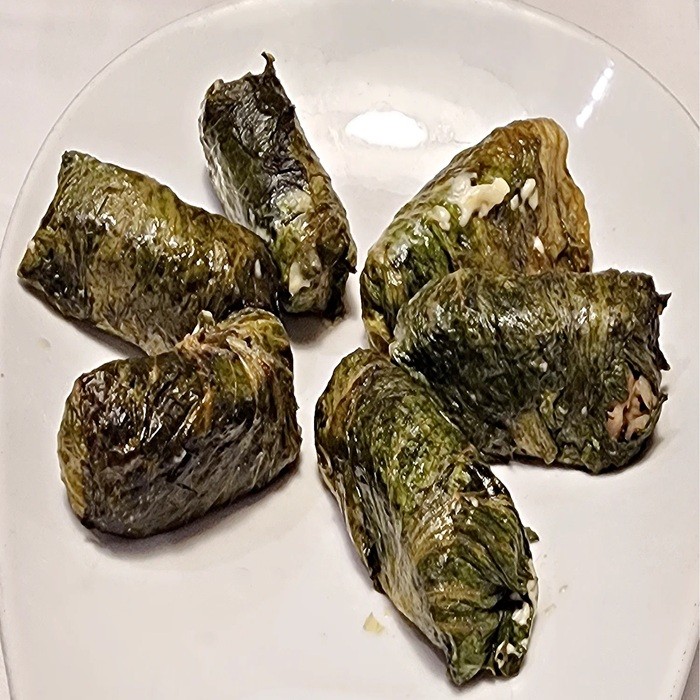
1 Preperation Add the onions to a saute pan and fry for 5 minutes in olive oil until the onions start to brown. 2 Turn off the heat and add the meat, rice, pepper, paprika, dried vegetable stock, parsley and basil. Mix all the ingredients together. 3 Carefully unwrap the vine leaves. Place one vine leaf on your hand with the base on the bottom of your palm and the point pointing towards the top. Add a second vine leaf with the point pointing downwards and base of the leaf at the top of your fingers. there should be a good overlap. You can do this on a flat surface if preferred. 4 Place a spoonful of the meat and rice mixture in the middle of the leaves. Fold the bottom of the leaf over the mixture, fold in both sides and the roll the leaf upwards sealing in the mixture into a parcel shape. 5 Layer a layer of vine leaves covering the bottom of a deep saucepan and then add the vine leaf parcel on top. 6 Make as many vine leaf parcels as the meat and rice mixture will make adding each one to the saucepan. Pack the parcels side by side util the saucepan is covered, then start another layer on top. 7 Cooking Pour into the saucepan enough boiling water to just cover the top of the vine leaves and bring to a boil. Leave to simmer with a lid on for 1.5 hours. All water should be absorbed however top up with a little extra boiling water if this happens before the time is up. 8 Serving Remove from the saucepan and leave to cool for 10 minutes before serving.
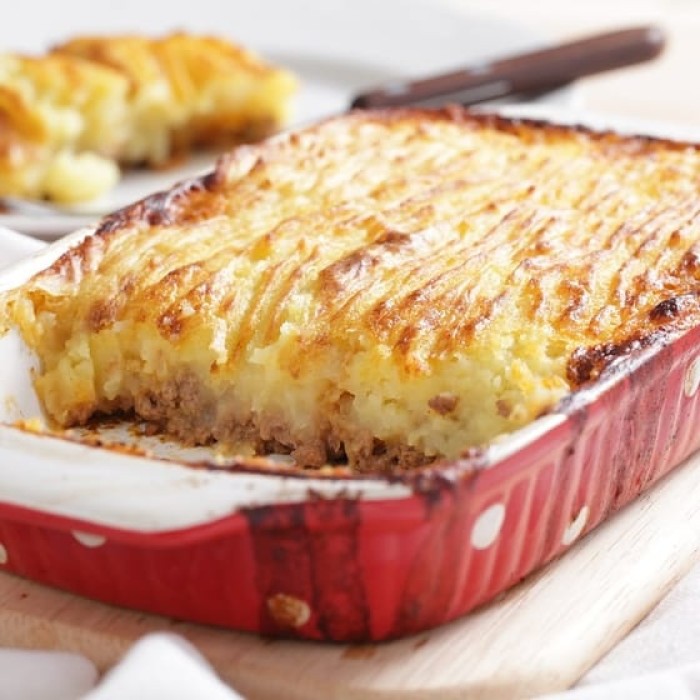
Clean and peel the potatoes and cut them into even size chunks. Boil them in salted water for about 10 min and then add the cleaned and chopped apples into the boiling water. Add the cinnamon stick as well. Leave to boil for another 10 minutes or until both apples and potatoes are to your liking. I like mine to be fairly chunky but that is a personal preference In the mean time bake the streaky bacon in a dry frying pan until crispy and set aside to drain on paper towels. Slice a few apple pieces and melt a little butter in a fryin pan. Add the apple slices to it and add a bit of maple syrup into the pan as well as some cinnamon. Let it simmer until the apple is soft. Prepare a plate with one whisked egg and one plate with sesame seeds. Cut your cheese into the required size. The smaller it is, the easier it is too handle. Dip the cheese into the egg and make sure it coats all sides. Then dip the cheese into the sesame seeds and make sure it is covered everywhere. Heat a non stick frying pan on high until nice and hot. Put the cheese slice in and bake until the sesame seeds are brown. You have to do this rather quickly or the cheese will melt completely. Turn and bake the other side. Drain the apples and potatoes and mash them together. Taste and add cinnamon and salt where needed. Remove the cinnamon stick before mashing
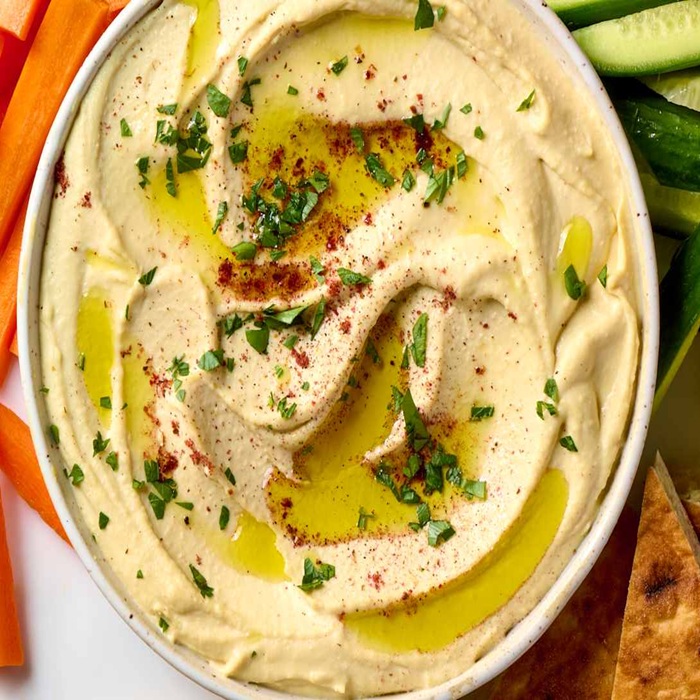
step 1 Drain the chickpeas into a sieve set over a bowl or jug to catch the liquid. Tip the chickpeas, tahini, garlic and yogurt into a food processor or blender and whizz to smooth. step 2 Whizz in a tbsp of the chickpea liquid at a time until you have a nice consistency, then scrape into a bowl. step 3 Stir in a squeeze of lemon juice and season to taste.
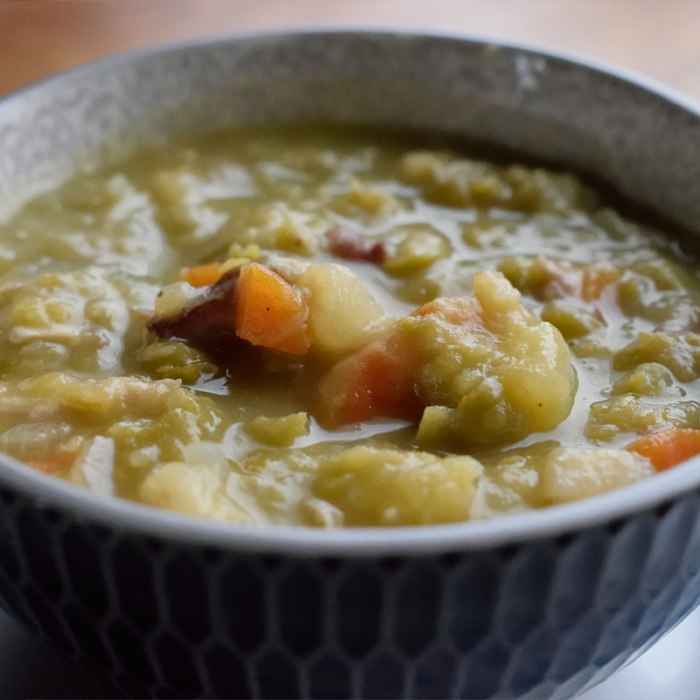
Gather the ingredients. In a large soup pot, bring water, split peas, pork belly or bacon, pork chop, and bouillon cube to a boil. Reduce the heat to a simmer, cover and let cook for 45 minutes, stirring occasionally and skimming off any foam that rises to the top. Remove the pork chop, debone, and thinly slice the meat. Set aside. Add the celery, carrots, potato, onion, leek, and celeriac to the soup. Return to the boil, reduce the heat to a simmer and let cook, uncovered, for another 30 minutes, adding a little extra water if the ingredients start to stick to the bottom of the pot. Add the smoked sausage for the last 15 minutes of cooking time. When the vegetables are tender, remove the bacon and smoked sausage, slice thinly and set aside. If you prefer a smooth consistency, purée the soup with a stick blender. Season to taste with salt and pepper. Add the meat back to the soup, setting some slices of rookworst aside. Serve in heated bowls or soup plates, garnished with slices of rookworst and chopped celery leaf. Enjoy!
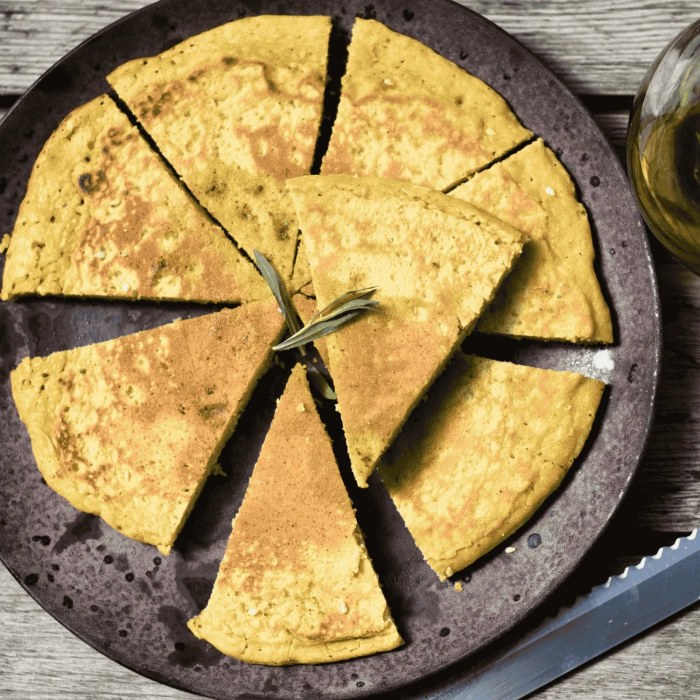
Prepare the Batter: Whisk together chickpea flour, water, salt, and pepper. Let sit for at least 4 hours. Bake: Preheat the oven to 220°C (430°F). Pour olive oil into a round baking dish and heat in the oven. Pour in the batter and bake for 25-30 minutes, until golden. Serve: Slice and serve hot, optionally with black pepper on top. Pro Tips: Let the batter rest for at least 2 hours, or overnight in the refrigerator, to ensure the chickpea flour fully hydrates and the flavors meld. For a crispy edge, preheat the baking pan with oil in the oven before adding the batter.
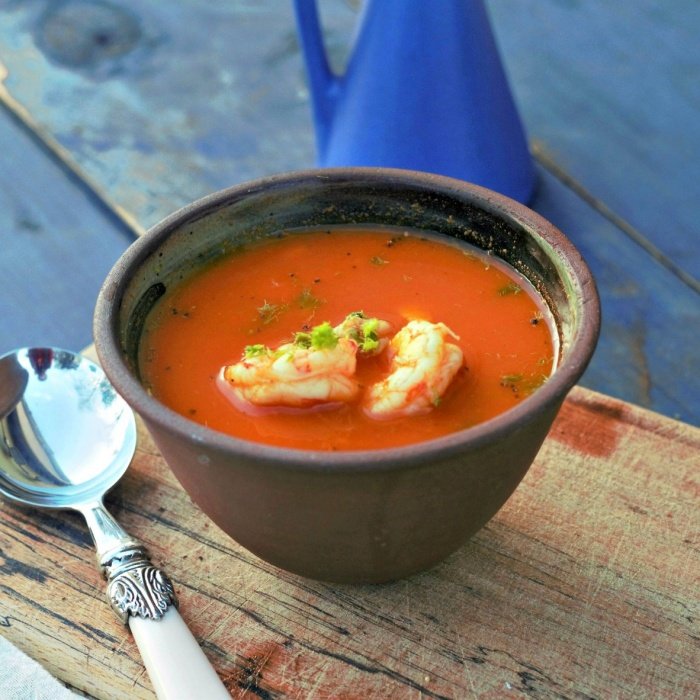
Shell the prawns, then fry the shells in the oil in a large pan for about 5 mins. Add the onion, fennel and carrots and cook for about 10 mins until the veg start to soften. Pour in the wine and brandy, bubble hard for about 1 min to drive off the alcohol, then add the tomatoes, stock and paprika. Cover and simmer for 30 mins. Meanwhile, chop the prawns. Blitz the soup as finely as you can with a stick blender or food processor, then press through a sieve into a bowl. Spend a bit of time really working the mixture through the sieve as this will give the soup its velvety texture. Tip back into a clean pan, add the prawns and cook for 10 mins, then blitz again until smooth. You can make and chill this a day ahead or freeze it for 1 month. Thaw ovenight in the fridge. To serve, gently reheat in a pan with the cream. If garnishing, cook the 8 prawns in a little butter. Spoon into small bowls and top with the prawns and snipped fennel fronds.
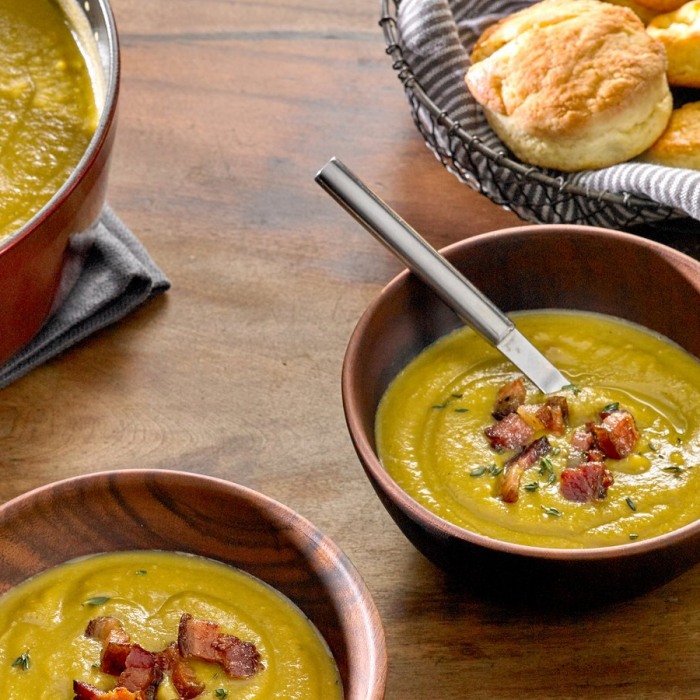
Put the gammon in a very large pan with 2 litres water and bring to the boil. Remove from the heat and drain off the water – this helps to get rid of some of the saltiness. Recover with 2 litres cold water and bring to the boil again. Put everything but the frozen peas into the pan and bring to the boil. Reduce to a simmer and cook for 1½-2½ hrs, topping up the water as and when you need to, to a similar level it started at. As the ham cooks and softens, you can halve it if you want, so it is all submerged under the liquid. When the ham is tender enough to pull into shreds, it is ready. Lift out the ham, peel off and discard the skin. While it is still hot (wear a clean pair of rubber gloves), shred the meat. Remove bay from the soup and stir in the frozen peas. Simmer for 1 min, then blend until smooth. Add a splash of water if too thick, and return to the pan to heat through if it has cooled, or if you are making ahead. When you are ready to serve, mix the hot soup with most of the ham – gently reheat if made ahead. Serve in bowls with the remaining ham scattered on top, and eat with crusty bread and butter.
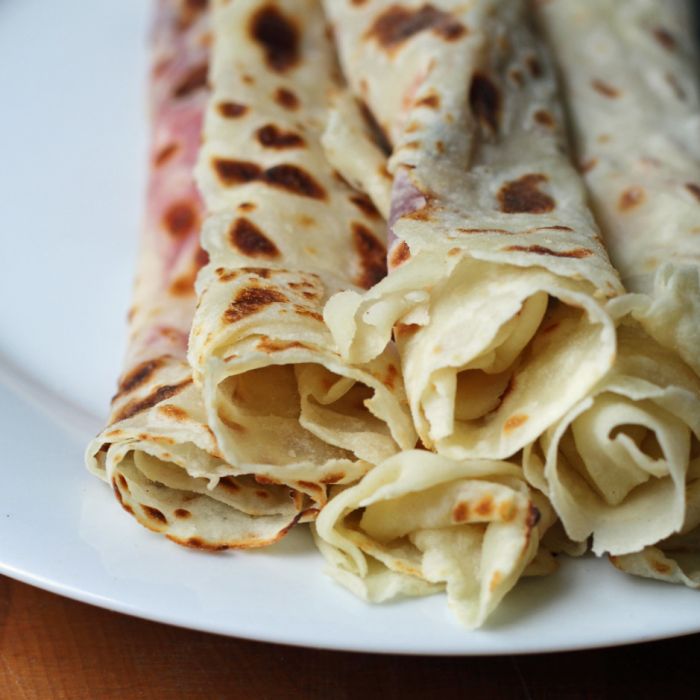
Boil the potatoes. Peel the potatoes while still warm and run them through a potato ricer twice. ▢ Let the potatoes cool in an uncovered bowl in the fridge. ▢ Stir the salt, sugar, melted butter, and cream into the riced potatoes. ▢ Slowly add the flour and knead by hand until you get a good consistency. Don't add more flour than necessary! Roll the dough into a long sausage and divide into about 7 or 8 pieces if using an 18 inch griddle. If using a smaller griddle or frying pan, divide the dough into 10 – 12 pieces. ▢ Roll each piece into a ball and then press into a flat circle, using the edges of your hands to form the dough into a nice circle shape without any cracks. This is important, otherwise you won't get round lefser. ▢ Heat up your griddle on medium/high heat. ▢ Flour your rolling surface and roll the lefse dough into a large circle slightly smaller than your griddle or frying pan. Begin rolling with a smooth rolling pin, then switch to a corrugated rolling pin as the lefse gets thinner. Don't use too much flour, as then the edges can become hard. ▢ Roll the lefse onto your lefse stick and then gently unroll it onto your griddle. After a minute or two check the underside of the lefse for brown spots and then use the lefse stick to flip the lefse and cook on the other side. ▢ Use the lefse stick to remove the lefse from the griddle and place it in a folded damp sheet or tablecloth.

In a medium bowl, whisk together egg, parsley, garlic and crushed red pepper. Mix in Gouda and Emmentaler. One sheet at a time, place phyllo dough on a flat surface and brush with about 1 tablespoon butter. Cut lengthwise into 4 strips. Place a rounded teaspoon of the egg mixture at one end of each strip. Fold corner of strip over the filling, forming a triangular fold. Continue folding the length of the strip in triangular folds to form a small stuffed triangle. Repeat with remaining phyllo dough. Preheat oven to 350 degrees F (175 degrees C). Lightly butter a large baking sheet. Arrange stuffed phyllo triangles in a single layer on the prepared baking sheet. Bake in the preheated oven 30 minutes, or until lightly browned. Serve warm
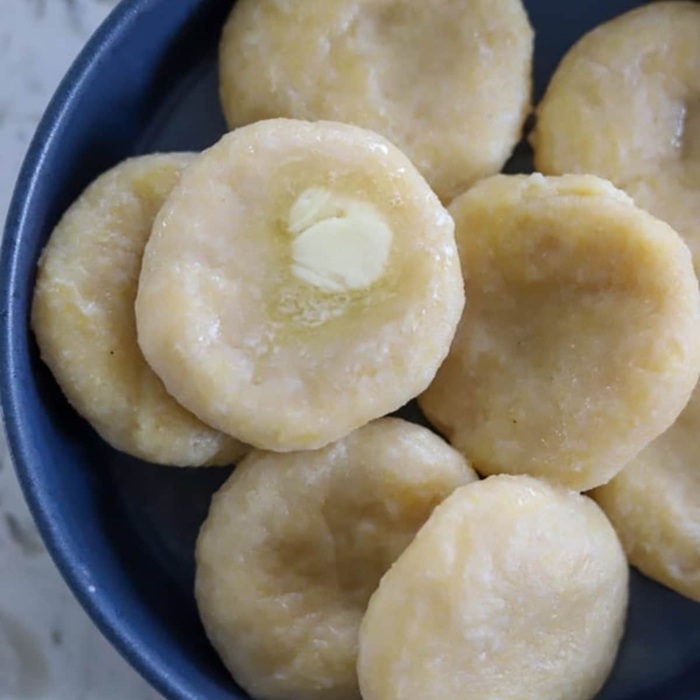
Instructions In a large pot, bring water and salt to a boil to boil the dumplings. In a large mixing bowl, combine the all-purpose flour and salt, stirring to distribute the salt evenly throughout the flour. Gradually add water to the flour mixture, mixing with your hands until a dough forms. Divide the dough into equal-sized pieces, rolling each into a smooth ball. Flatten each ball slightly with the palm of your hand to form a round, circular dumpling. It should look like a thick disk. Carefully drop the dumplings into the boiling water, one at a time, ensuring that they don't stick together. You can use a wooden spoon to stir the dumplings in the water. Boil the dumplings for 15-20 minutes, or until they are cooked through and have risen to the surface of the water. Stir occasionally to prevent sticking. Use a slotted spoon to remove the cooked dumplings from the pot, allowing any excess water to drain. Serve with your favorite recipes.
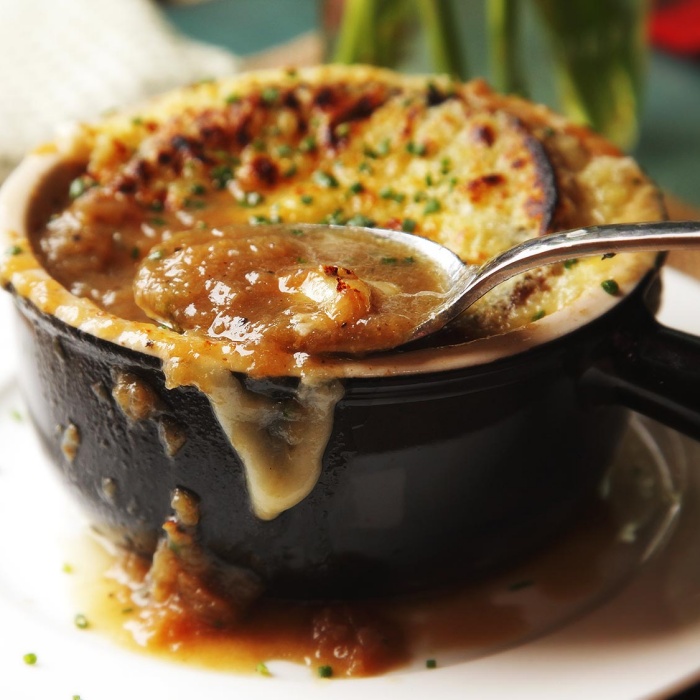
Melt the butter with the oil in a large heavy-based pan. Add the onions and fry with the lid on for 10 mins until soft. Sprinkle in the sugar and cook for 20 mins more, stirring frequently, until caramelised. The onions should be really golden, full of flavour and soft when pinched between your fingers. Take care towards the end to ensure that they don’t burn. Add the garlic for the final few mins of the onions’ cooking time, then sprinkle in the flour and stir well. Increase the heat and keep stirring as you gradually add the wine, followed by the hot stock. Cover and simmer for 15-20 mins. To serve, turn on the grill, and toast the bread. Ladle the soup into heatproof bowls. Put a slice or two of toast on top of the bowls of soup, and pile on the cheese. Grill until melted. Alternatively, you can complete the toasts under the grill, then serve them on top.
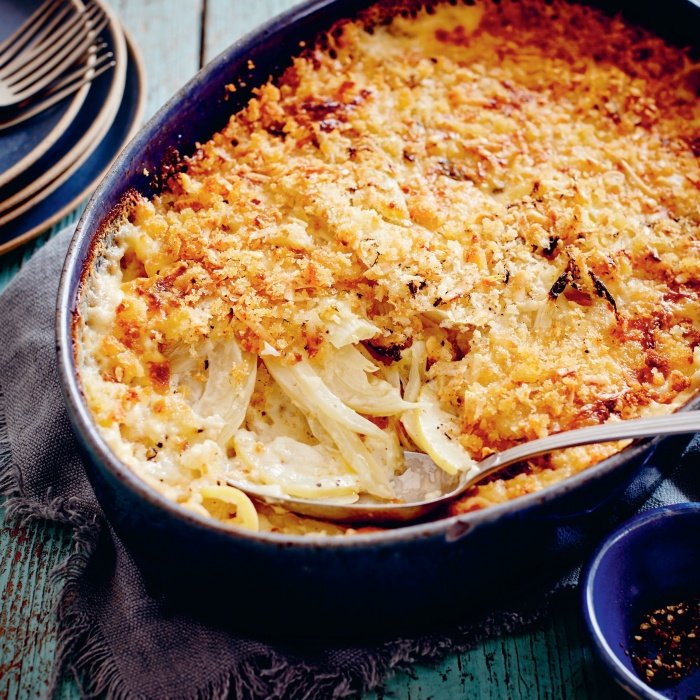
Heat oven to 180C/160C fan/gas 4. Put potatoes, fennel, and garlic in a medium non-stick pan. Pour in milk and double cream, season well and simmer gently, covered, for 10 mins, stirring halfway through, until potatoes are just tender. Divide the mixture between 2 small (about 150ml) buttered ramekins and scatter with Parmesan. Bake for 40 mins until the potatoes are golden and tender when pierced with a knife. Snip the reserved fennel fronds over before serving.
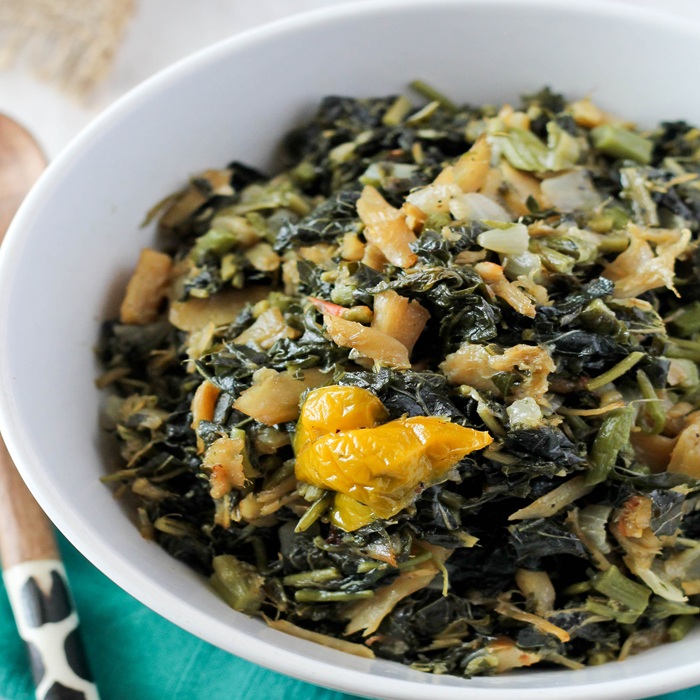
Soak salted fish in water overnight. Next, heat salted fish in water on stove until water boils. You should see a foam on top. Remove from heat and drain. Set aside and shred salted fish once it cools. Cook bacon in skillet over medium heat until crispy. Remove bacon from heat and drain the majority of the bacon grease, leaving about 1 tablespoon in the skillet. Add yellow onion, green onion, scotch bonnet pepper, and garlic to the skillet and stir. Cook for about 2 minutes or until onions soften. Add salted fish to skillet and stir. Cook for about a minute. Next, add callaloo, roma tomatoes, thyme, and black pepper. Stir to combine and cook until heated through, about 2 minutes. Enjoy
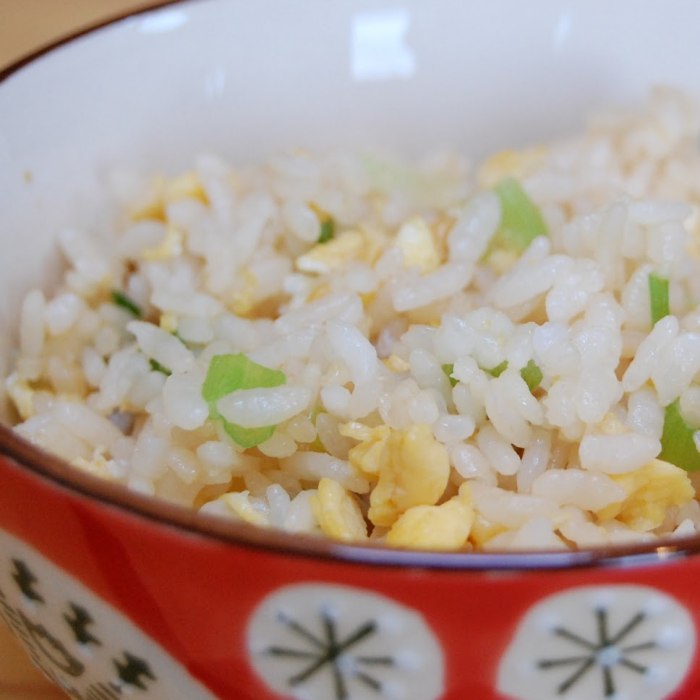
STEP 1 Rinsing and soaking your rice is key to achieving the perfect texture. Measure the rice into a bowl, cover with cold water, then use your fingers to massage the grains of rice – the water will become cloudy. Drain and rinse again with fresh water. Repeat five more times until the water stays clear. STEP 2 Tip the rinsed rice into a saucepan with 400ml water, or 200ml dashi and 200ml water, bring to the boil, then turn down the heat to a low simmer, cover with a tight-fitting lid with a steam hole and cook for 15 mins. Remove from the heat and leave to sit for another 15 mins, then stir through the mirin. Remove the lid and give it a good stir. Serve with any or all of the optional toppings.
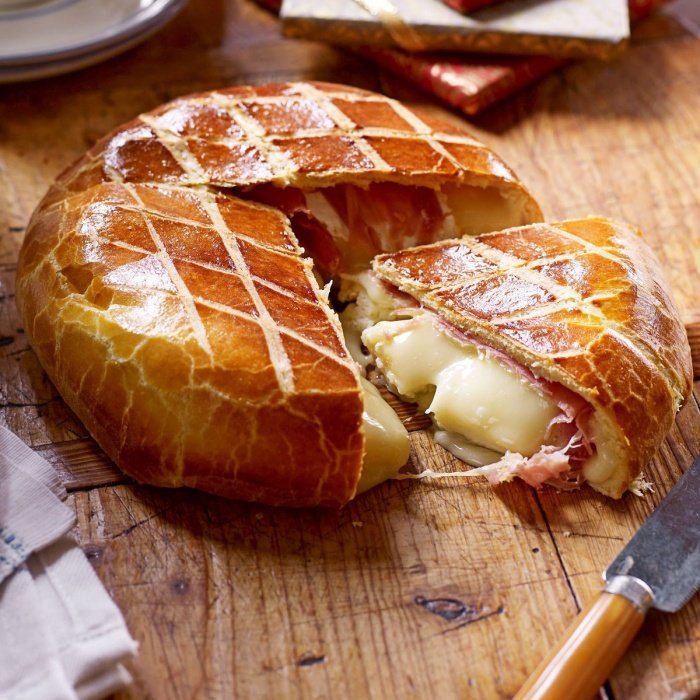
Mix the flour, 1 tsp salt, caster sugar, yeast, milk and eggs together in a mixer using the dough attachment for 5 mins until the dough is smooth. Add the butter and mix for a further 4 mins on medium speed. Scrape the dough bowl and mix again for 1 min. Place the dough in a container, cover with cling film and leave in the fridge for at least 6 hrs before using. Wrap the Brie in the prosciutto and set aside. Turn out the dough onto a lightly floured surface. Roll into a 25cm circle. Place the wrapped Brie in the middle of the circle and fold the edges in neatly. Put the parcel onto a baking tray lined with baking parchment and brush with beaten egg. Chill in the fridge for 30 mins, then brush again with beaten egg and chill for a further 30 mins. Leave to rise for 1 hr at room temperature. Heat oven to 200C/180C fan/gas 6, then bake for 22 mins. Serve warm.
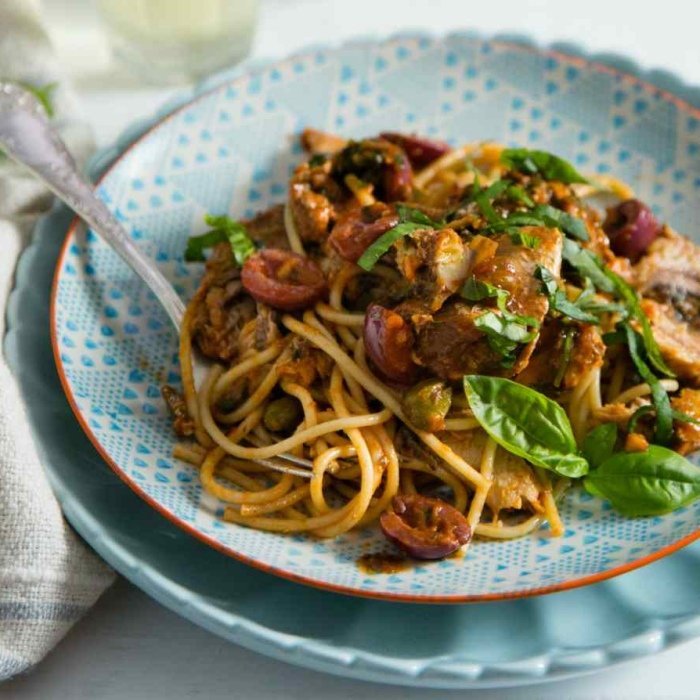
Cook the pasta following pack instructions. Heat the oil in a non-stick frying pan and cook the onion, garlic and chilli for 3-4 mins to soften. Stir in the tomato purée and cook for 1 min, then add the pilchards with their sauce. Cook, breaking up the fish with a wooden spoon, then add the olives and continue to cook for a few more mins. Drain the pasta and add to the pan with 2-3 tbsp of the cooking water. Toss everything together well, then divide between plates and serve, scattered with Parmesan.
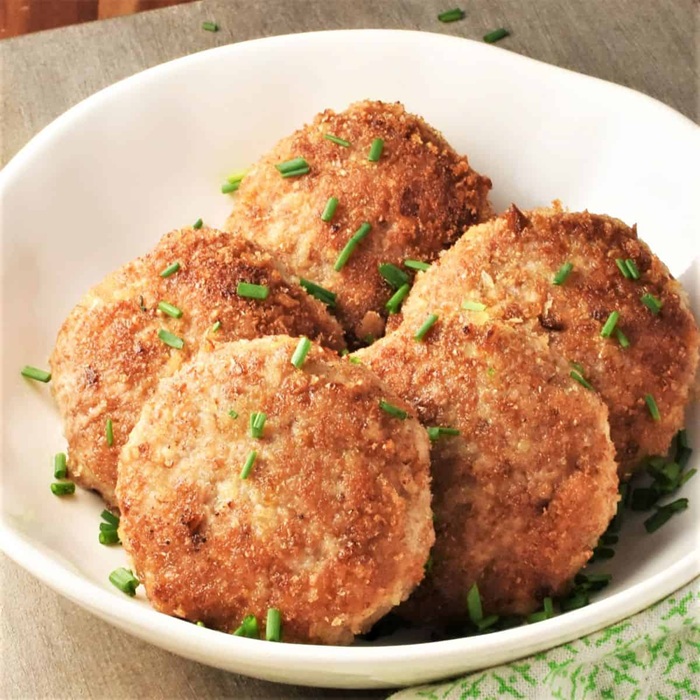
step 1 Soak the bread roll in the milk so it softens completely. Meanwhile, fry the onion in the oil for around 8 mins or until soft and golden. Add the fried onion to the beef mince along with the egg, garlic, marjoram and some seasoning. Squeeze the excess milk from the bread roll and add it to the mince mixture. Mix everything together and season well. step 2 Divide the meat into 8 patties. Tip the dried breadcrumbs into a shallow bowl and coat the patties in it, all over. Heat some oil in a deep frying pan and fry the patties in batches on both sides until browned and cooked through, about 6-7 mins on each side.
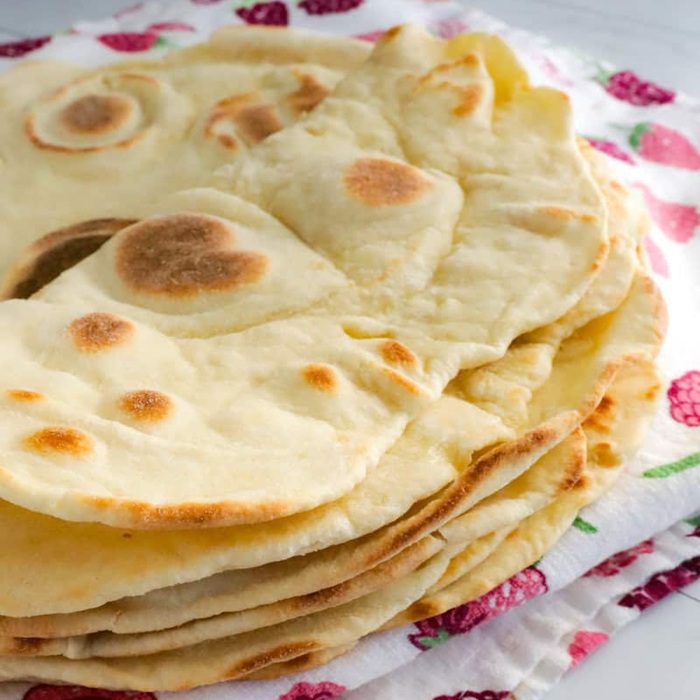
1 Sieve flour and add baking powder,salt,sugar,oil nd mix together 2 Add water nd knead the dough for like 10mins 3 Cover the mixture and allow it to rise 4 After it rised transfer it to a work surface and form a round (you can use a plate or pot's lid) 5 Heat ur pan and put it 6 It'll start puffing then you turn it 7 And lastly put it in in a warm place, then you'll see it has pocket
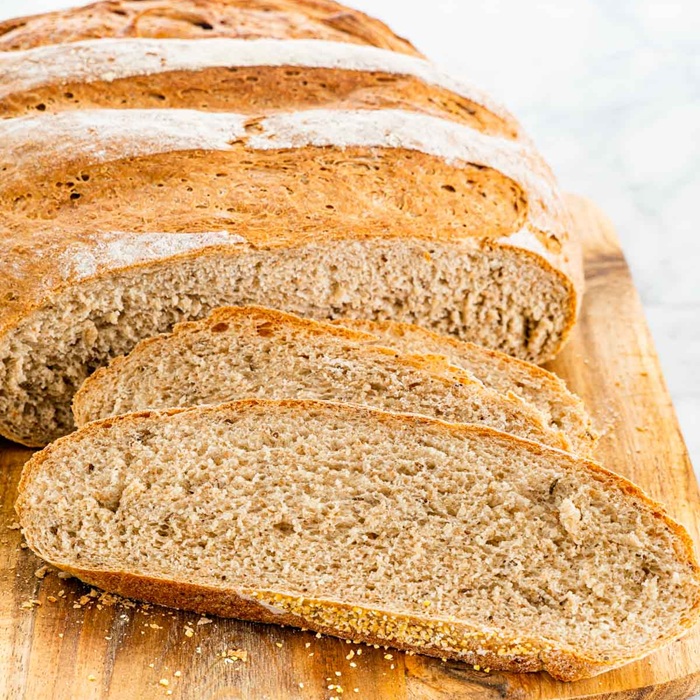
step 1 Tip the flours, yeast and salt into a bowl. In a jug, mix the honey with 250ml warm water, pour the liquid into the bowl and mix to form a dough. Rye flour can be quite dry and absorbs lots of water, if the dough looks too dry add more warm water until you have a soft dough Tip out onto your work surface and knead for 10 mins until smooth. Rye contains less gluten than white flour so the dough will not feel as springy as a conventional white loaf. step 2 Place the dough in a well oiled bowl, cover with cling film and leave to rise in a warm place for 1-2 hrs, or until roughly doubled in size. Dust a 2lb/900g loaf tin with flour. step 3 Tip the dough back onto your work surface and knead briefly to knock out any air bubbles. If using caraway seeds work these in to the dough. Shape into a smooth oval loaf and pop into your tin. Cover the tin with oiled cling film and leave to rise somewhere warm for a further 1 – 1.5 hr, or until doubled in size. step 4 Heat oven to 220C/200C fan/gas 7. Remove the cling film and dust the surface of the loaf with rye flour. Slash a few incisions on an angle then bake for 30 mins until dark brown and hollow sounding when tapped. Transfer to a wire cooling rack and leave to cool for at least 20 mins before serving
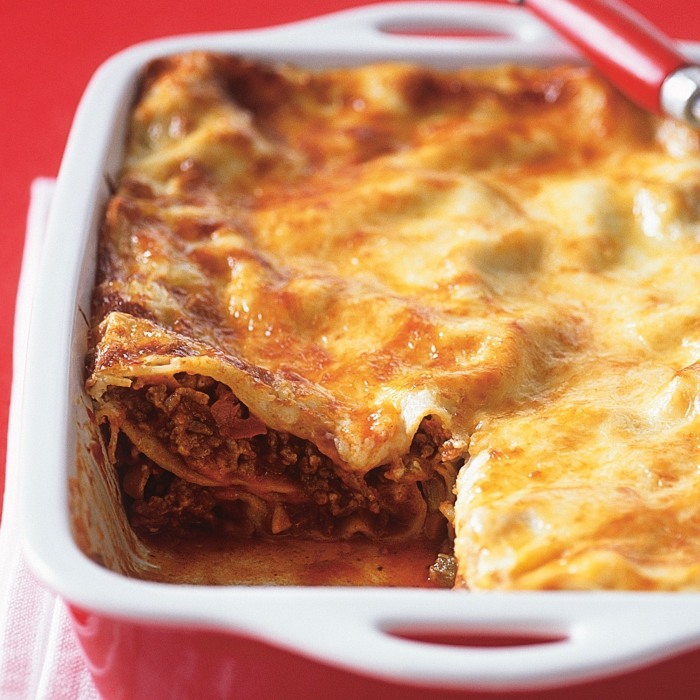
Heat the oil in a large saucepan. Use kitchen scissors to snip the bacon into small pieces, or use a sharp knife to chop it on a chopping board. Add the bacon to the pan and cook for just a few mins until starting to turn golden. Add the onion, celery and carrot, and cook over a medium heat for 5 mins, stirring occasionally, until softened. Add the garlic and cook for 1 min, then tip in the mince and cook, stirring and breaking it up with a wooden spoon, for about 6 mins until browned all over. Stir in the tomato purée and cook for 1 min, mixing in well with the beef and vegetables. Tip in the chopped tomatoes. Fill each can half full with water to rinse out any tomatoes left in the can, and add to the pan. Add the honey and season to taste. Simmer for 20 mins. Heat oven to 200C/180C fan/gas 6. To assemble the lasagne, ladle a little of the ragu sauce into the bottom of the roasting tin or casserole dish, spreading the sauce all over the base. Place 2 sheets of lasagne on top of the sauce overlapping to make it fit, then repeat with more sauce and another layer of pasta. Repeat with a further 2 layers of sauce and pasta, finishing with a layer of pasta. Put the crème fraîche in a bowl and mix with 2 tbsp water to loosen it and make a smooth pourable sauce. Pour this over the top of the pasta, then top with the mozzarella. Sprinkle Parmesan over the top and bake for 25–30 mins until golden and bubbling. Serve scattered with basil, if you like.
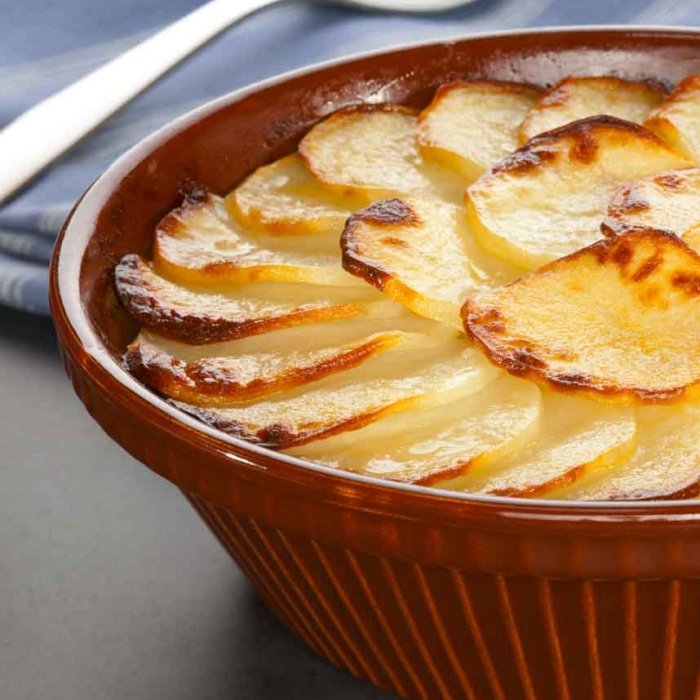
Heat oven to 200C/fan 180C/gas 6. Fry the onions and thyme sprigs in the oil until softened and lightly coloured (about 5 mins). Spread a layer of potatoes over the base of a 1.5-litre oiled gratin dish. Sprinkle over a few onions (see picture, above) and continue layering, finishing with a layer of potatoes. Pour over the stock and bake for 50-60 mins until the potatoes are cooked and the top is golden and crisp.
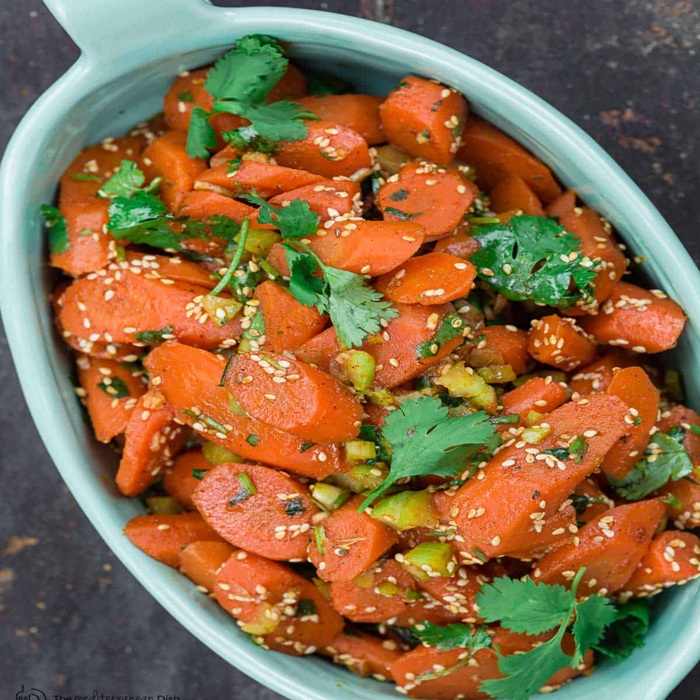
Place a steamer insert into a saucepan, and fill with 1 1/2 cups of water, or just below the bottom of the steamer. Cover, and bring the water to a boil over high heat. Add the sliced carrots, reduce the heat to medium, and cover the pan again. Steam until tender but not mushy, 4 to 6 minutes depending on the thickness of the slices. Reserve 1/2 cup of the cooking liquid. Heat the olive oil in a skillet over medium heat. Reduce the heat to low and stir in the salt, pepper, cinnamon, cumin, garlic, and thyme. Cook the spices and garlic, stirring frequently, until fragrant, about 10 minutes. Add the 1/2 cup reserved cooking liquid and the bay leaf, cover, and simmer for 20 minutes. Stir in the carrots, tossing well to coat with the spice mixture, and cook until heated through, about 2 to 3 minutes. Sprinkle with lemon juice and remove the bay leaf before serving.

Preheat oven to 410° F. Pour the water into a large bowl. Make sure it is room temperature. Add the salt. Blend well with a mixer, fork or spatula to make sure it dissolves well. While you continue to beat the mixture, slowly add the corn meal—a little bit at a time. Once all the flour is added, keep mixing until the corn meal, water and salt are thoroughly blended and dissolved. Set aside the masa in its bowl. Let it rest for 5 minutes so that the flour is thoroughly hydrated. This type of corn flour does not have any gluten, so it doesn’t need to be kneaded. The masa should be smooth, firm yet malleable. While waiting for the 5 minutes’ rest, heat your budare (or comal, griddle, cast-iron pan or non-stick pan) over medium heat. Coat with a little bit of the oil. Fill a small bowl with water to wet your hands to make the arepas. Take about 2 Tbsp of the masa in your damp hands. The masa should fit easily in your palm so that it is easy to shape into a small ball. Cross your hands, so that one is on top of the other, with the masa ball between them. Rotate your right hand in a circle, so that you are at the same time both pressing the masa into a flat disc and keeping its round shape. arepa making The last step in shaping your arepa is to quickly pass and lightly press the masa disc from one hand to the other until it is about ¾ of an inch thick and 4 inches wide. Smooth the edges with your fingertips (quickly dip them into the water bowl first) so that they stay as round as possible and without cracks. arepa making Place your arepas in batches on the preheated surface of your budare griddle or nonstick pan. Let each side turn golden, about 4 to 5 minutes per side. Check them often so that they don’t burn. Once they are nicely browned on both sides, place the arepas on a baking sheet in your preheated oven for 10 minutes. They should be somewhat puffy, so that if you tap an arepa lightly on top, it will sound like you are tapping an empty box. Serve
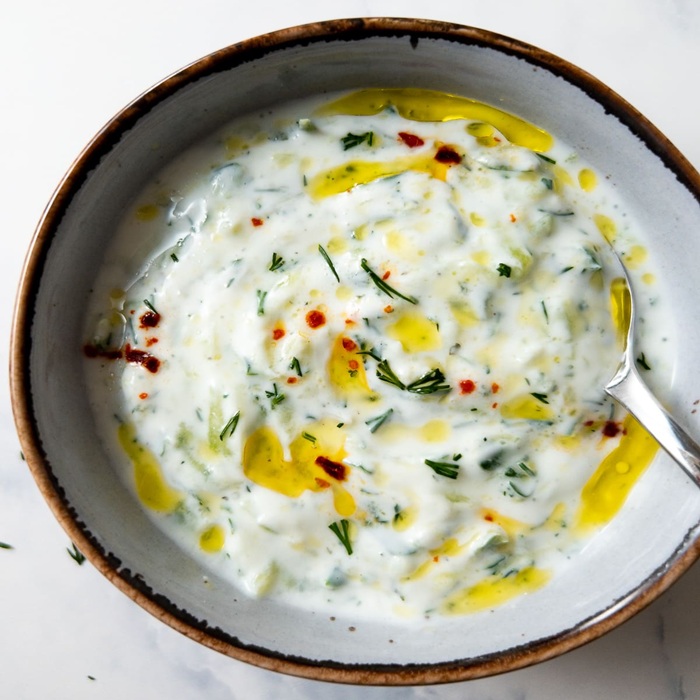
step 1 Put a sieve over a large bowl, line it with a thick sheet of non-dyed kitchen paper or a clean muslin cloth, and spoon in the yogurt. Cover with another sheet of kitchen paper and leave to strain in the fridge for a minimum of 12 hrs. step 2 Add the lemon juice, most of the olive oil and the dried mint to a bowl and stir well for the dried mint to soften and soak up the juices. Mix in the strained yogurt, then pour away the strained yogurt liquid and leave that bowl to one side. step 3 Halve the cucumber(s) lengthways and remove the seeds by running a teaspoon from the top to the bottom of the flesh, halve the cucumbers widthways to make them shorter and easier to handle, then coarsely grate each one into the bowl the yogurt was straining over. Using clean hands (or a clean muslin cloth), squeeze as much of the liquid out of the cucumber as possible. step 4 Add the strained, grated cucumber, garlic and ¾ tsp flaky salt to the rest of the ingredients and mix well. Garnish with a drizzle of extra virgin olive oil and a sprinkling of dried mint.