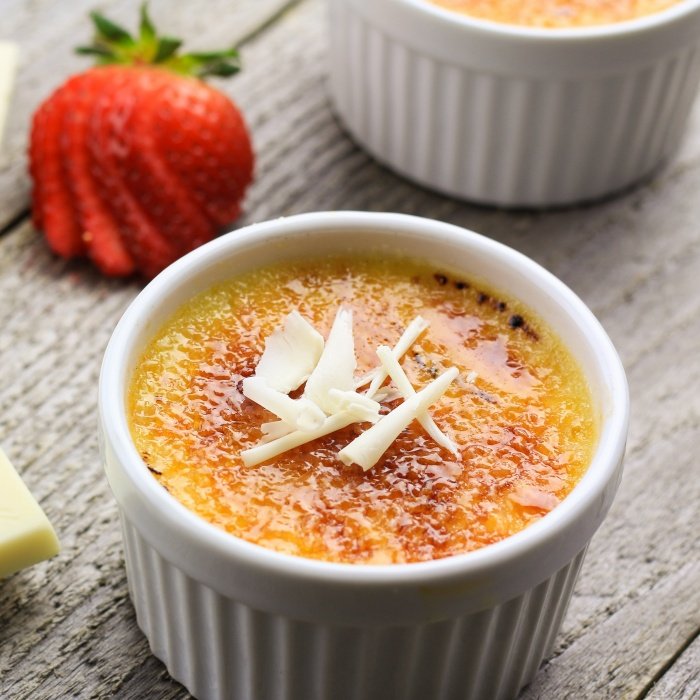
Heat the cream, chocolate and vanilla pod in a pan until the chocolate has melted. Take off the heat and allow to infuse for 10 mins, scraping the pod seeds into the cream. If using the vanilla extract, add straight away. Heat oven to 160C/fan 140C/gas 3. Beat yolks and sugar until pale. stir in the chocolate cream. Strain into a jug and pour into ramekins. Place in a deep roasting tray and pour boiling water halfway up the sides. Bake for 15-20 mins until just set with a wobbly centre. Chill in the fridge for at least 4 hrs. To serve, sprinkle some sugar on top of the brûlées and caramelise with a blowtorch or briefly under a hot grill. Leave caramel to harden, then serve.
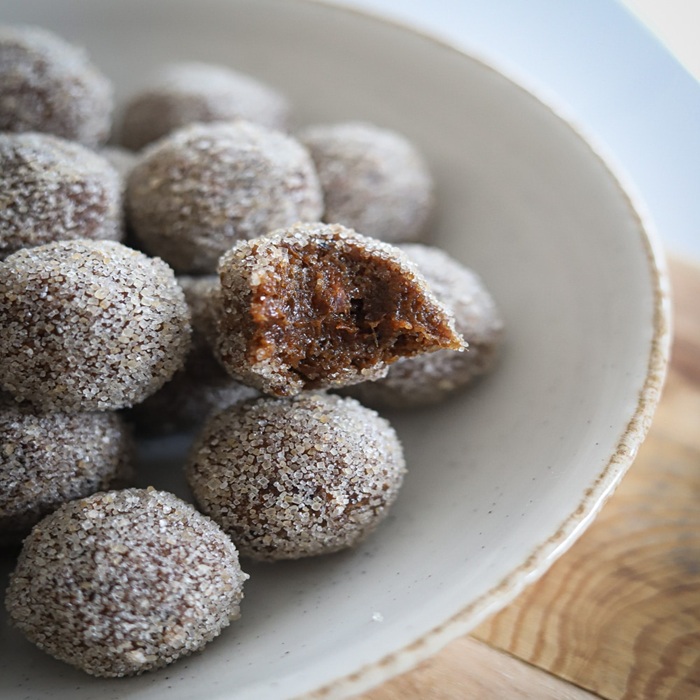
Add tamarind pulp and 1 cup granulated sugar to a bowl and mash together with a spoon or fork. Take small amounts of the tamarind and sugar mix and shape them into small balls by rolling them in your hands. Make them the size of a marble or slightly bigger, as you like. Add the remaining sugar to a flat surface, like a plate or a sheet pan. Roll the tamarind balls in granulated sugar until they're well-coated. You can eat the tamarind balls immediately, or you can let them set for a few hours or overnight. Allowing them to set will give them a firmer texture and more crystallized sugar coating. Enjoy.
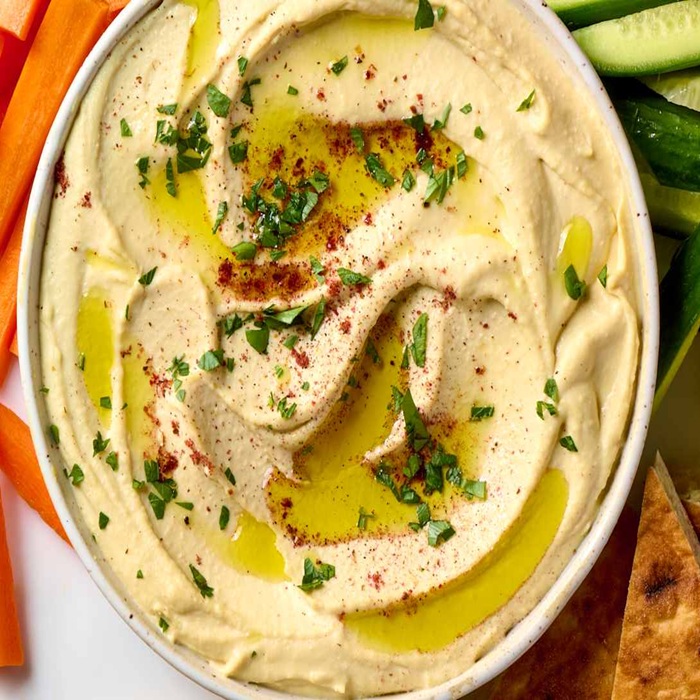
step 1 Drain the chickpeas into a sieve set over a bowl or jug to catch the liquid. Tip the chickpeas, tahini, garlic and yogurt into a food processor or blender and whizz to smooth. step 2 Whizz in a tbsp of the chickpea liquid at a time until you have a nice consistency, then scrape into a bowl. step 3 Stir in a squeeze of lemon juice and season to taste.
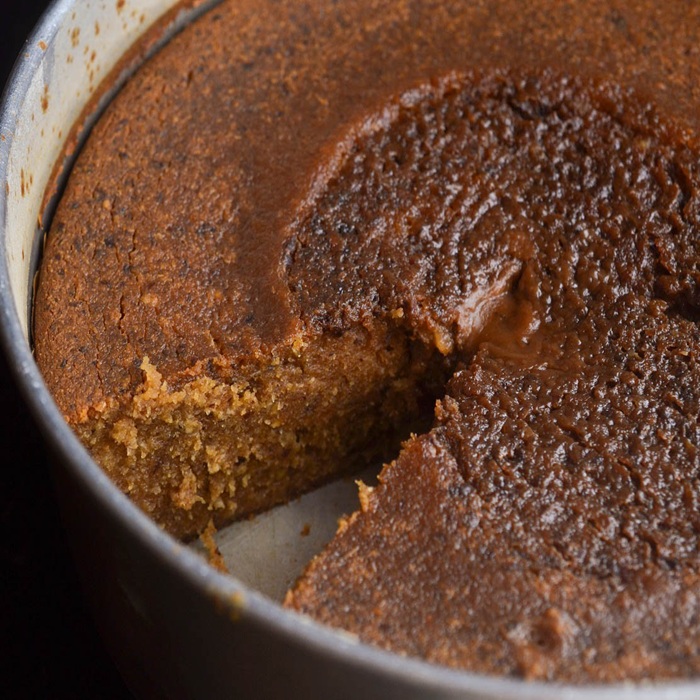
Preheat oven to 350°F (175°C). Grease and line a 9-inch round pan or loaf pan with parchment paper. Place your cut sweet potatoes in the bowl of a food processor and process until finely grated. In a small bowl, toss raisins in 2 teaspoons flour from the ½ cup. Set aside. In a large bowl, combine grated sweet potatoes, light brown sugar, all-purpose flour, vanilla extract, allspice, cinnamon, nutmeg, ginger, and salt. Stir in 1½ cups of coconut milk until a batter forms. Fold in the raisins that were tossed in the flour. Pour the batter into the prepared pan and smooth the top. Bake uncovered for 1 hour 30 minutes, until mostly set but still slightly soft in the center
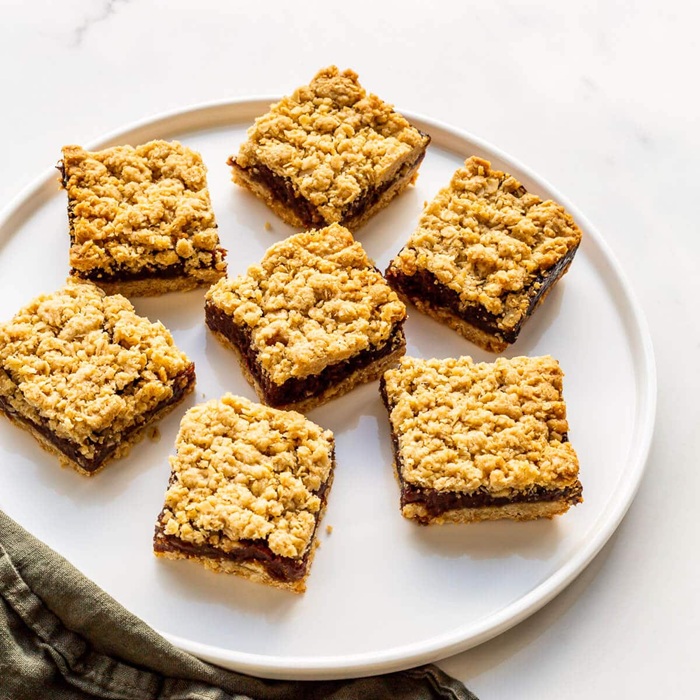
Preheat oven to 350°F (180°C). Grease an 8-inch (20 cm) square baking pan. To make the date filing: Combine the dates and water in a medium saucepan over high heat and bring to a boil. Reduce heat to low and simmer gently, stirring occasionally until the mixture thickens, around 6 to 8 minutes. Remove from heat, stir in vanilla and let cool. Set aside. Combine rolled oats, flour, sugar, baking soda and salt in a food processor. Pulse 3 times (careful not to overmix, you don’t want the mixture to be powdery, just combined). Add butter and pulse again until the mixture is crumbly in pea-sized clumps. Transfer to a mixing bowl to thoroughly mix in the butter. Spread half of the oat mixture on the bottom of the prepared baking pan, pressing down to make a flat, equal bottom later. Add the date mixture over the crust and then spread evenly. Layer with the remaining oat mixture and press down to flatten the top layer. Bake in the centre of the oven until the top is golden brown, 30 to 35 minutes. Let cool completely in the pan before cutting and serving. Date Squares keep well, covered in the refrigerator for up to a week, and frozen for 2 to 3 months.
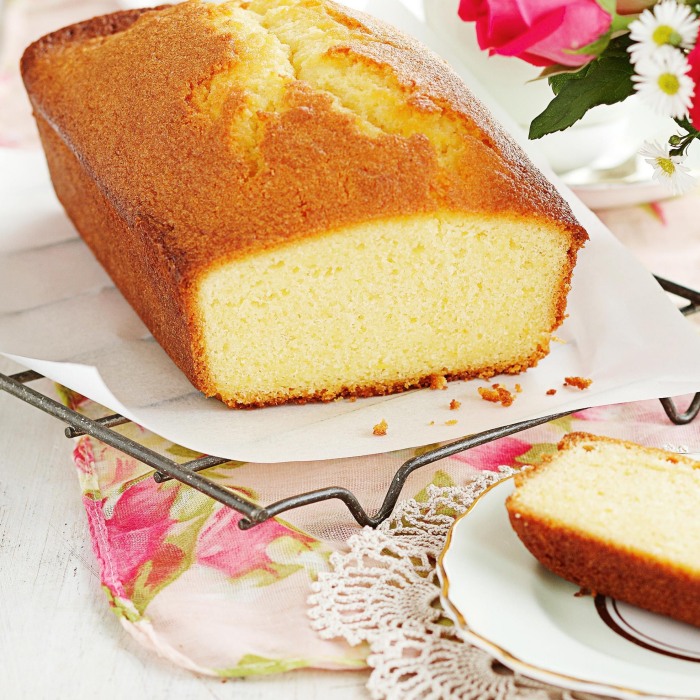
Pre-heat the oven to 180C/350F/Gas 4. Grease an 18cm/7in round cake tin, line the base with greaseproof paper and grease the paper. Cream the butter and sugar together in a bowl until pale and fluffy. Beat in the eggs, one at a time, beating the mixture well between each one and adding a tablespoon of the flour with the last egg to prevent the mixture curdling. Sift the flour and gently fold in, with enough milk to give a mixture that falls slowly from the spoon. Fold in the lemon zest. Spoon the mixture into the prepared tin and lightly level the top. Bake on the middle shelf of the oven for 30-40 minutes, or until golden-brown on top and a skewer inserted into the centre comes out clean. Remove from the oven and set aside to cool in the tin for 10 minutes, then turn it out on to a wire rack and leave to cool completely. To serve, decorate the cake with the candied peel.
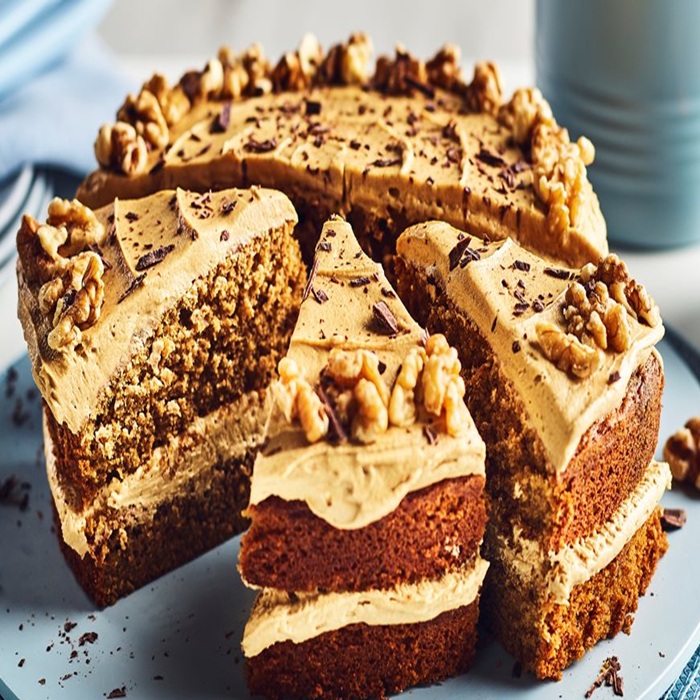
Heat the oven to 170C/150C fan/gas 3½. Line a 30 x 22cm shallow baking tin with baking parchment. Sift the flour and mix it with cocoa, then set aside. Beat the egg whites until stiff, then add the sugar to them in small batches. Add the egg yolks, one by one, whisking constantly. Tip in the flour mixture and gently fold everything together with a spatula. Pour the prepared batter into the lined tin and bake for 35 mins. Cool for 5 mins, remove from the tin and re-line the tin with baking parchment. step 2 To make the meringue, whisk the whites until stiff, then gradually whisk in the sugar, one tablespoon at a time. When you have a stiff and shiny meringue, fold in the finely chopped walnuts, flour and startch. Spread the mixture into the re-lined tin and cook for 40 mins on the same heat. Remove from the oven and leave to cool. step 3 For the chocolate glaze, heat the cream over low heat, then remove from the heat, pour the chopped chocolate into it and mix it until it melts and becomes shiny. step 4 Cut the cooled chocolate sponge cake and meringue into two layers. Put the nut meringue on top of the bottom layer of sponge and sprinkle on some of the reserved walnuts. Add another layer of meringue and then the upper layer of chocolate sponge cake and cover the top with chocolate glaze. Decorate with walnuts. Put the finished cake in the fridge for 1-2 hrs before serving.
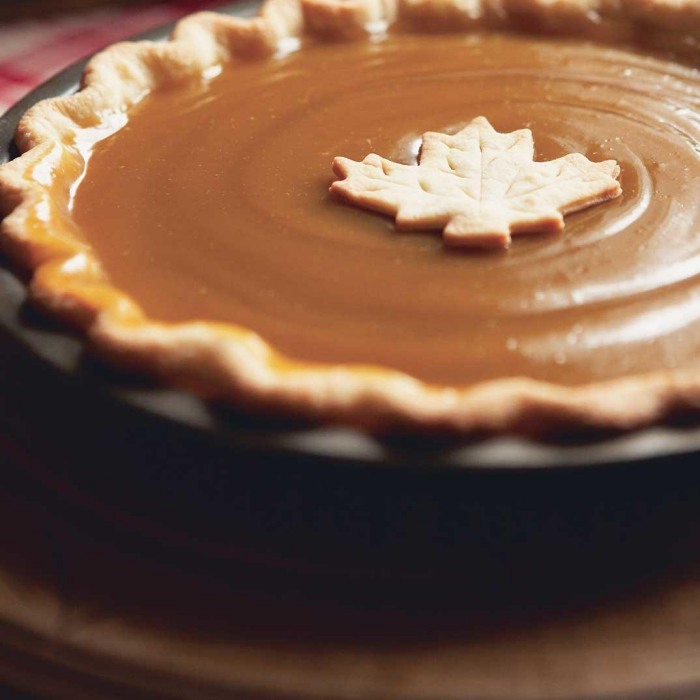
Preheat oven to 350 degrees F (175 degrees C). Grease a 9-inch pie dish. Place the brown sugar and butter in a mixing bowl, and beat them together with an electric mixer until creamy and very well combined, without lumps. Beat in eggs, one at a time, incorporating the first egg before adding the next one. Add the vanilla extract and salt; beat the flour in, a little at a time, and then the milk, making a creamy batter. Pour the batter into the prepared pie dish. Bake in the preheated oven for 35 minutes; remove pie, and cover the rim with aluminum foil to prevent burning. Return to oven, and bake until the middle sets and the top forms a crusty layer, about 15 more minutes. Let the pie cool to room temperature, then refrigerate for at least 1 hour before serving.
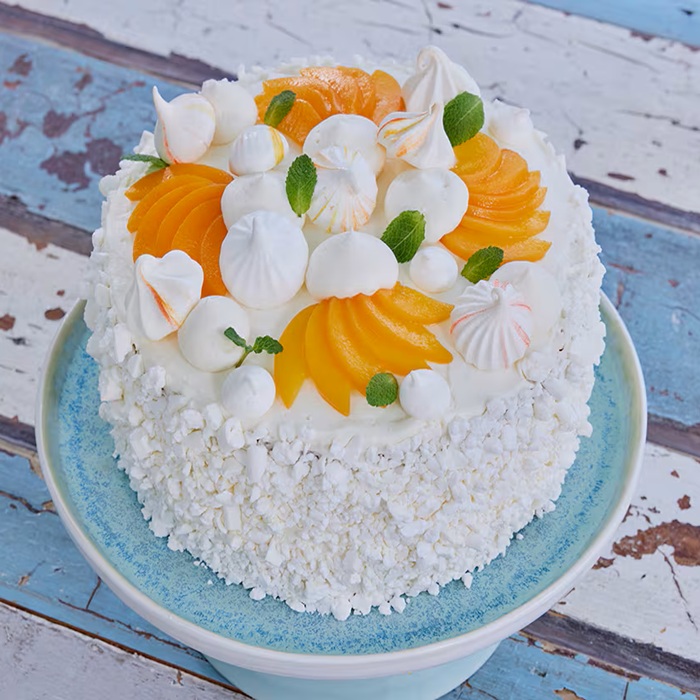
For the sponge cake preheat oven to 180 degrees Celsius and prepare either one or two 20cm/8 inch cake pan(s). Line bottom with parchment paper. Then divide the eggs into egg white and egg yolks. Use a bigger bowl for the egg yolks. If you have a glass or metal bowl, use that one for the egg whites. Be sure that bowl is free of fat/grease and that your mixer was properly cleaned. First beat the egg whites on medium speed with a pinch of salt until soft peaks form. Set aside. Without cleaning our mixer, beat the egg yolks with the sugar. Beat until the color becomes much paler and you have a creamy consistency. This usually takes several minutes. 2 Gently pour one third of the egg whites on top of the mixed egg yolks and sift the flour and cornstarch on top. Don't skip this step. It is important that the flour mix was sifted. Gently mix all ingredients with a spatula. Try to incorperate the flour mix and egg whites without losing volume. Add the last two thirds of beaten egg whites and gently fold the mixture. Don't overmix. Put batter into the prepared cake pans and immediately bake. Don't let the batter sit for too long as it will quickly lose volume. Bake for 35 minutes if using one springform or 25 minutes if using two. Let cool a little before gently getting them out of the form. Tip: if making the day before, wrap in cling wrap, it is much easier to cut in half once cold. 3 For the meringue beat egg white until soft peaks form, add pinch of salt and continue beating on high while adding the sugar. Beat for at least three more minutes until glossy and shiny. Pipe small stars or other shapes with the meringue on a baking sheet lined with parchment paper. Dry for about 45min at 100 degrees Celsius in the oven. Keep in airtight container until further use. 4 For the filling beat heavy cream, vanilla extract and sugar until stiff peaks form, slice peaches in thin slices. Cut cake in four layers, this is much easier done once the cake layers are cold. Bru
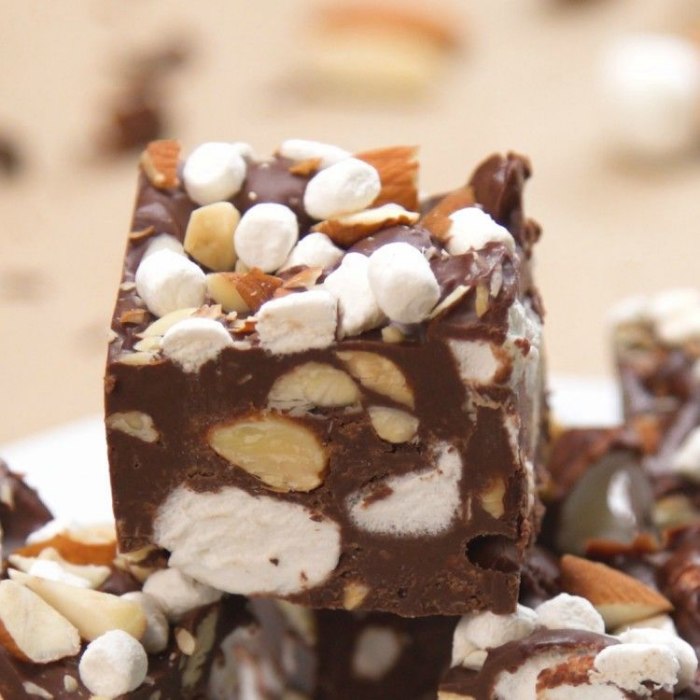
Line an 8-inch-square baking pan with wax paper or foil, and coat with non-stick spray. Pour ½ cup of the miniature marshmallows into the bottom of the lined baking dish. In a microwave-safe bowl, combine the chocolate chips and peanut butter. Microwave the chocolate mixture in 20-second intervals, stirring in between each interval, until the chocolate is melted. Add the vanilla extract and stir well, until smooth. Reserve 2 tablespoons of the chopped almonds or peanuts, and set aside. Fold 1 ½ cups of the miniature marshmallows and the remaining chopped nuts into the chocolate mixture. Transfer the chocolate mixture into the prepared pan and spread into an even layer. Immediately top with the reserved chopped nuts and the mallow bits or additional miniature marshmallows, if using. Refrigerate for 4 hours, or until set. Remove the fudge and wax paper from the pan. Carefully peel all of wax paper from the fudge. Cut the fudge into bite-sized pieces and serve.
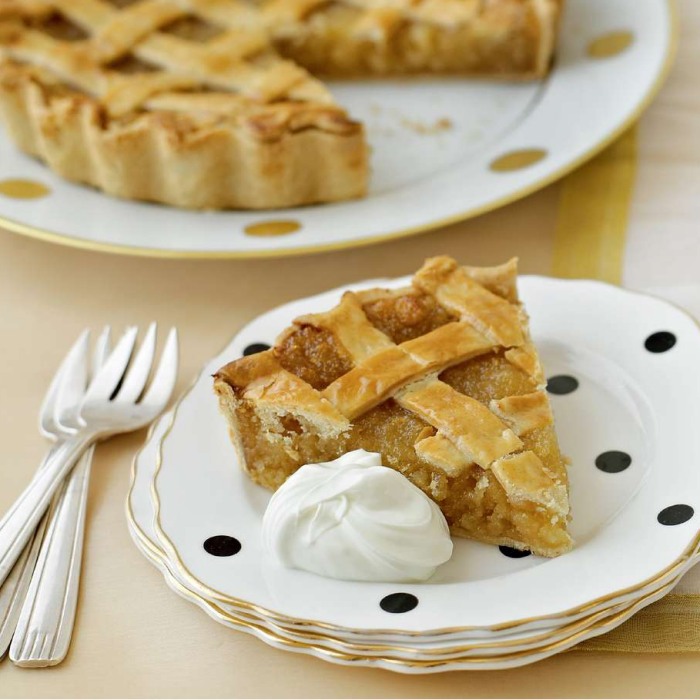
First make the short crust pastry: measure the flour into a large bowl and rub in the butter with your fingertips until the mixture resembles fine breadcrumbs (alternatively, this can be done in a food processor). Add about three tablespoons of cold water and mix to a firm dough, wrap in cling film and chill in the fridge for about 20 minutes. Preheat the oven to 200C/400F/Gas 6 and put a heavy baking tray in the oven to heat up. Grease a deep 18cm/7in loose-bottomed fluted flan tin with butter. Remove about 150g/5½oz of pastry from the main ball and set aside for the lattice top. Roll the rest of the pastry out thinly on a lightly floured work surface and line the prepared flan tin with the pastry. Prick the base with a fork, to stop the base rising up during baking. Place the reserved pastry for the lattice top on cling film and roll out thinly. Egg wash the pastry and set aside to chill in the fridge (the cling film makes it easier to move about). Do not cut into strips at this stage. Do not egg wash the strips once they are on the tart as it will drip into the treacle mixture. To make the filling, heat the syrup gently in a large pan but do not boil. Once melted, add the breadcrumbs, lemon juice and zest to the syrup. (You can add less lemon if you would prefer less citrus taste.) If the mixture looks runny, add a few more breadcrumbs. Pour the syrup mixture into the lined tin and level the surface. Remove the reserved pastry from the fridge and cut into long strips, 1cm/½in wide. Make sure they are all longer than the edges of the tart tin. Egg wash the edge of the pastry in the tin, and start to make the woven laying lattice pattern over the mixture, leave the strips hanging over the edge of the tin. Once the lattice is in place, use the tin edge to cut off the strips by pressing down with your hands, creating a neat finish. Bake on the pre-heated baking tray in the hot oven for about 10 minutes until the pastry has started to colour, and then redu
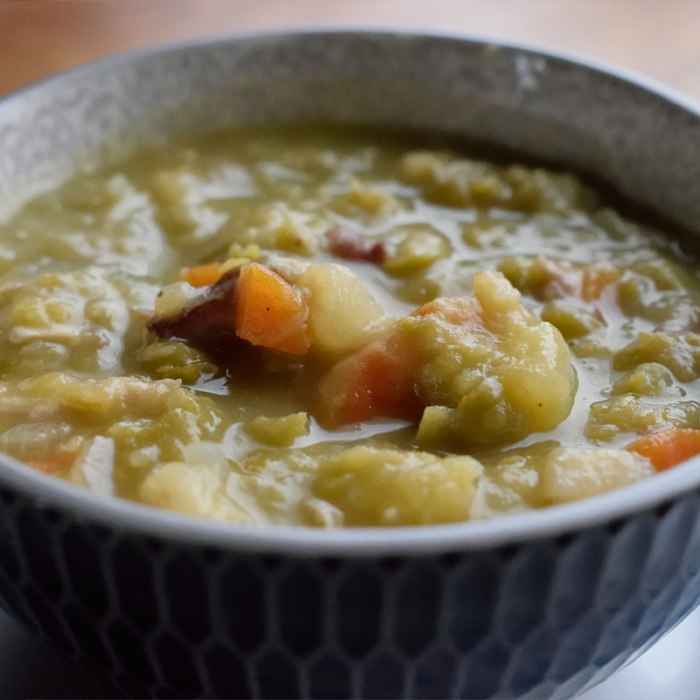
Gather the ingredients. In a large soup pot, bring water, split peas, pork belly or bacon, pork chop, and bouillon cube to a boil. Reduce the heat to a simmer, cover and let cook for 45 minutes, stirring occasionally and skimming off any foam that rises to the top. Remove the pork chop, debone, and thinly slice the meat. Set aside. Add the celery, carrots, potato, onion, leek, and celeriac to the soup. Return to the boil, reduce the heat to a simmer and let cook, uncovered, for another 30 minutes, adding a little extra water if the ingredients start to stick to the bottom of the pot. Add the smoked sausage for the last 15 minutes of cooking time. When the vegetables are tender, remove the bacon and smoked sausage, slice thinly and set aside. If you prefer a smooth consistency, purée the soup with a stick blender. Season to taste with salt and pepper. Add the meat back to the soup, setting some slices of rookworst aside. Serve in heated bowls or soup plates, garnished with slices of rookworst and chopped celery leaf. Enjoy!
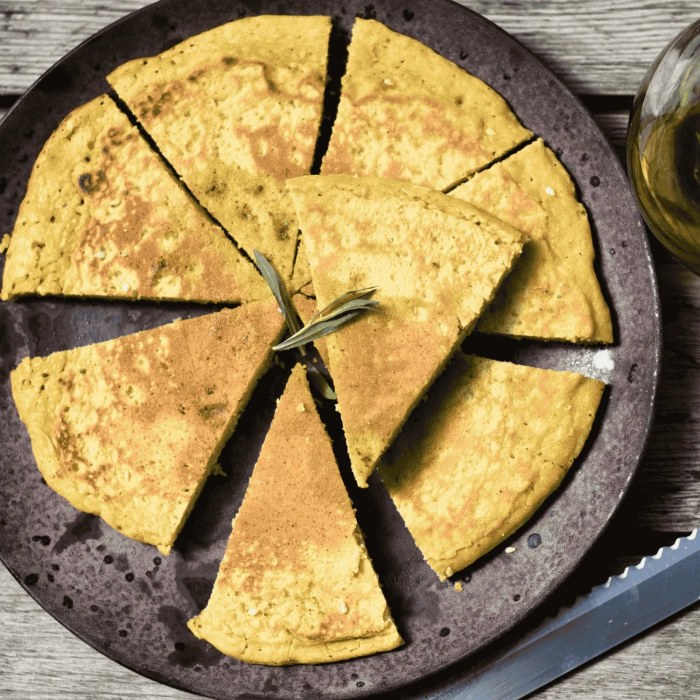
Prepare the Batter: Whisk together chickpea flour, water, salt, and pepper. Let sit for at least 4 hours. Bake: Preheat the oven to 220°C (430°F). Pour olive oil into a round baking dish and heat in the oven. Pour in the batter and bake for 25-30 minutes, until golden. Serve: Slice and serve hot, optionally with black pepper on top. Pro Tips: Let the batter rest for at least 2 hours, or overnight in the refrigerator, to ensure the chickpea flour fully hydrates and the flavors meld. For a crispy edge, preheat the baking pan with oil in the oven before adding the batter.
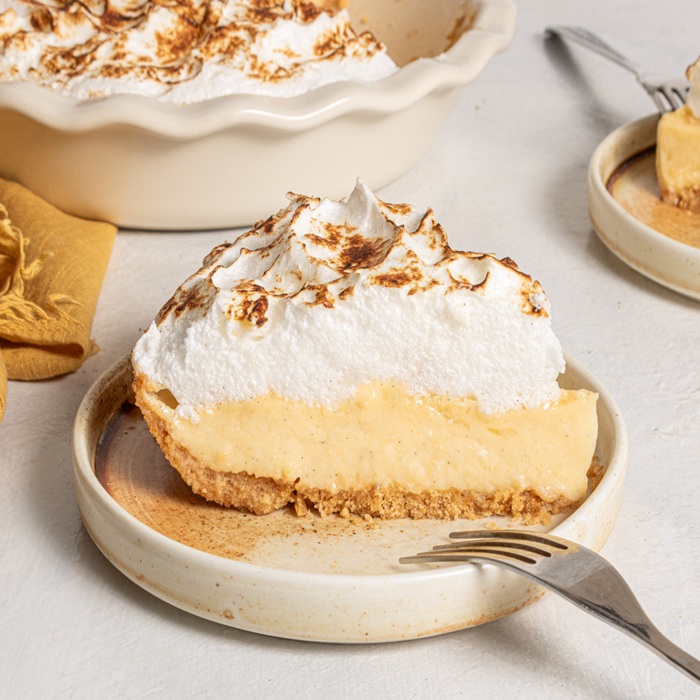
Preheat the oven to 350˚F. Mix all the crust ingredients (graham cracker crumbs, melted butter, granulated sugar and ground cinnamon) in a medium bowl. Set aside about 2 Tbsp (30 mL) for later and press the mixture into a 9-inch deep-dish pie plate in the bottom and up the sides. Bake crust for 10 minutes, it will only brown slightly. Combine the vanilla custard filling ingredients (milk, granulated sugar, cornstarch, egg yolks, vanilla extract and salt together) and cook on medium heat, stirring constantly, until it bubbles and thickens to the texture of pudding. Set aside to cool while you make the meringue topping. In the bowl of a stand mixer fitted with the beater attachment or in a large bowl using an electric mixer beat the meringue ingredients (egg whites, granulated sugar, cream of tartar) together until it holds stiff and glossy peaks. To assemble the pie, pour the filling into the crust and top with a thick layer of the meringue, making little spikes that will brown on top. Sprinkle the reserved crumb over the top and place it into the preheated oven. Bake until the meringue browns, around 10 minutes, making sure to watch it carefully. Chill in the fridge and eat within a few hours of baking. This pie is best eaten the same day as the meringue will soften and liquify.
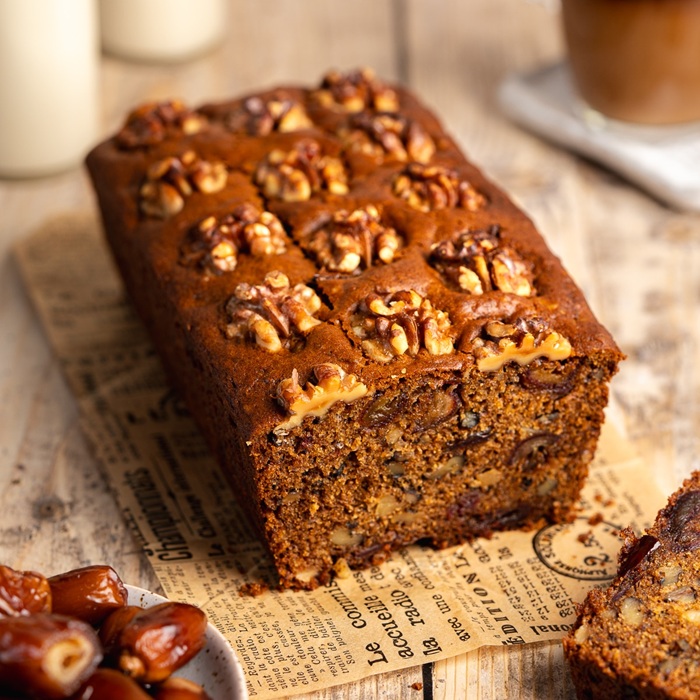
step 1 Preheat the oven to 160C/Gas 3/fan oven 140C. Line the base and long sides of a 900g/2lb loaf tin with greaseproof paper, buttering the tin and paper. step 2 Tip the flour, cinnamon, butter, sugar, 2 tablespoons of the honey and the eggs into a large mixing bowl. Mash the bananas and chop the dates (kitchen scissors are easiest for this) and add to the bowl. Beat the mixture for 2-3 minutes, using a wooden spoon or hand-held mixer, until well blended. step 3 Spoon into the prepared tin and level the top. Scatter the walnut pieces over. Bake for 1 hour, then lightly press the top – it will feel firm if cooked. If not, bake for a further 10 minutes. step 4 Cool for 15 minutes, then lift out of the tin using the paper. When cold, drizzle the remaining honey over. Cut into thick slices.
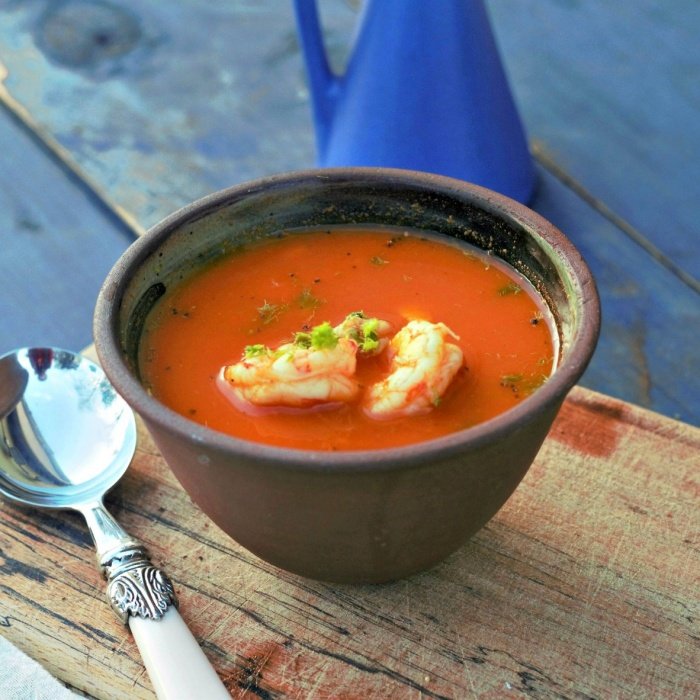
Shell the prawns, then fry the shells in the oil in a large pan for about 5 mins. Add the onion, fennel and carrots and cook for about 10 mins until the veg start to soften. Pour in the wine and brandy, bubble hard for about 1 min to drive off the alcohol, then add the tomatoes, stock and paprika. Cover and simmer for 30 mins. Meanwhile, chop the prawns. Blitz the soup as finely as you can with a stick blender or food processor, then press through a sieve into a bowl. Spend a bit of time really working the mixture through the sieve as this will give the soup its velvety texture. Tip back into a clean pan, add the prawns and cook for 10 mins, then blitz again until smooth. You can make and chill this a day ahead or freeze it for 1 month. Thaw ovenight in the fridge. To serve, gently reheat in a pan with the cream. If garnishing, cook the 8 prawns in a little butter. Spoon into small bowls and top with the prawns and snipped fennel fronds.
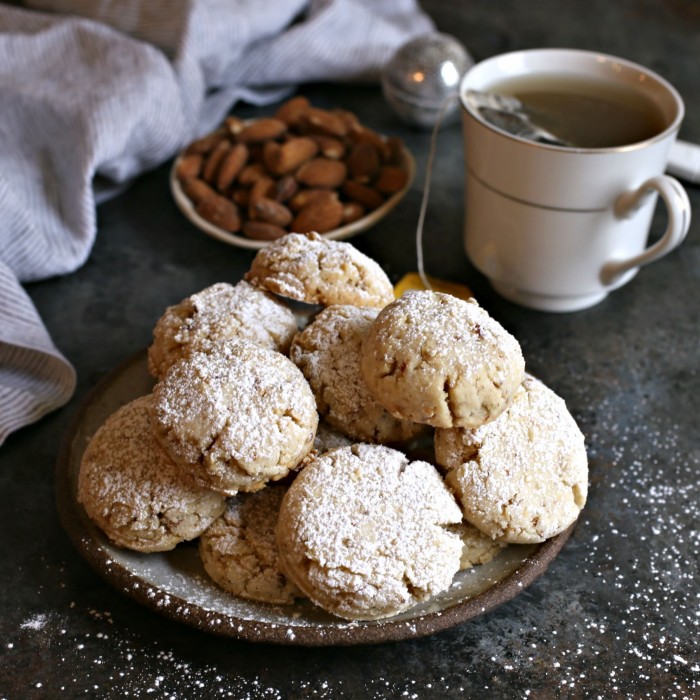
Preheat the oven at 180 C / Gas 4. Line a baking tray with greaseproof paper. In a bowl, mix the cashews and icing sugar. Add the egg yolks and orange blossom water and mix to a smooth homogeneous paste. Take lumps of the cashew paste and shape into small balls. Roll the balls in icing sugar and transfer to the baking tray. Push an almond in the centre of each ghribia. Bake until the biscuits are lightly golden, about 20 minutes. Keep an eye on them, they burn quickly.
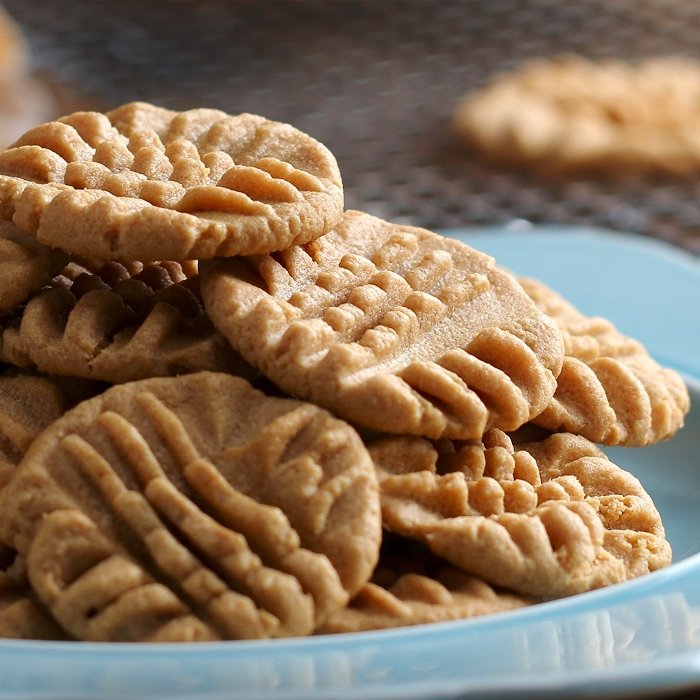
Preheat oven to 350ºF (180ºC). In a large bowl, mix together the peanut butter, sugar, and egg. Scoop out a spoonful of dough and roll it into a ball. Place the cookie balls onto a nonstick baking sheet. For extra decoration and to make them cook more evenly, flatten the cookie balls by pressing a fork down on top of them, then press it down again at a 90º angle to make a criss-cross pattern. Bake for 8-10 minutes or until the bottom of the cookies are golden brown. Remove from baking sheet and cool. Enjoy!
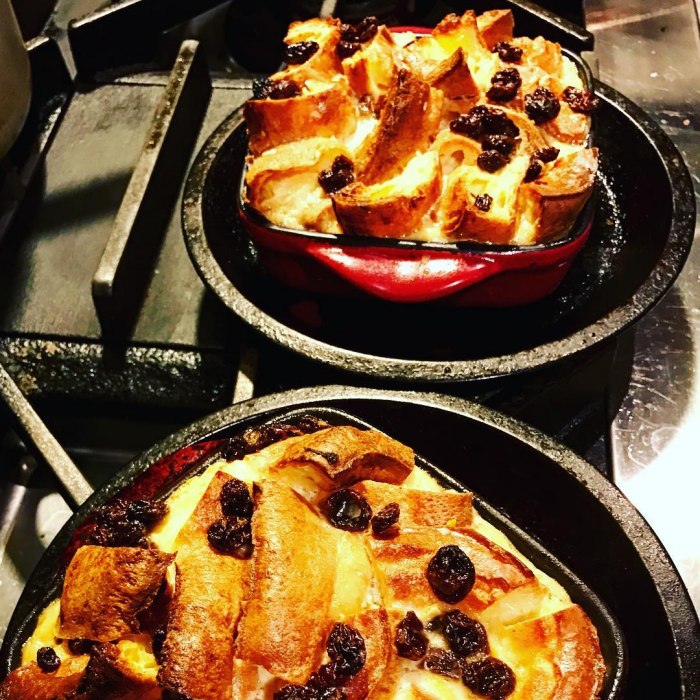
Grease a 1 litre/2 pint pie dish with butter. Cut the crusts off the bread. Spread each slice with on one side with butter, then cut into triangles. Arrange a layer of bread, buttered-side up, in the bottom of the dish, then add a layer of sultanas. Sprinkle with a little cinnamon, then repeat the layers of bread and sultanas, sprinkling with cinnamon, until you have used up all of the bread. Finish with a layer of bread, then set aside. Gently warm the milk and cream in a pan over a low heat to scalding point. Don't let it boil. Crack the eggs into a bowl, add three quarters of the sugar and lightly whisk until pale. Add the warm milk and cream mixture and stir well, then strain the custard into a bowl. Pour the custard over the prepared bread layers and sprinkle with nutmeg and the remaining sugar and leave to stand for 30 minutes. Preheat the oven to 180C/355F/Gas 4. Place the dish into the oven and bake for 30-40 minutes, or until the custard has set and the top is golden-brown.
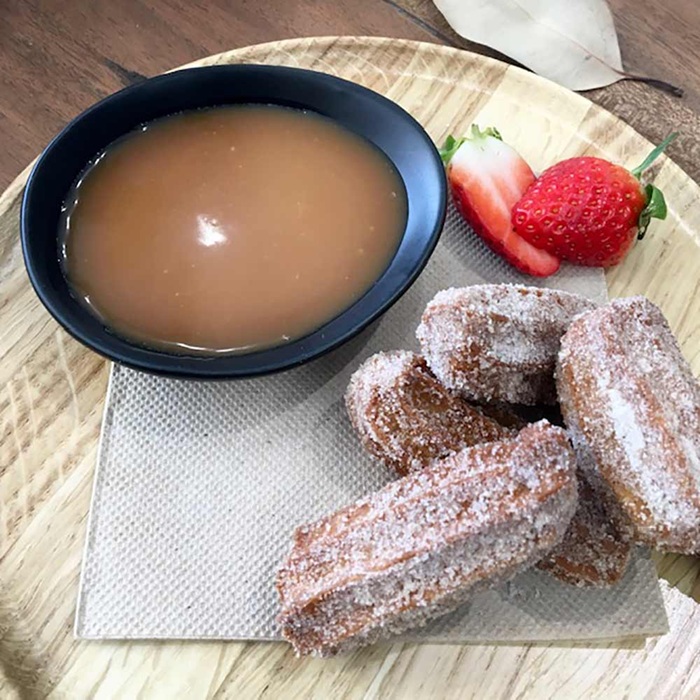
step 1 To make the sauce, tip the sugar and butter into a saucepan and bring to a simmer until the sugar has melted, then stir in the cream and simmer until you have a smooth sauce, about 2-3 mins. Remove from the heat, stir through a pinch of sea salt and the chocolate, and continue to stir for 2-3 mins, or until it has completely melted. Keep warm or leave to cool for reheating later. For the coating, mix the sugar with the cinnamon and a small pinch of fine sea salt and set aside. step 2 For the churros, tip the flour, cocoa, baking powder and a large pinch of salt into a bowl. Add the vanilla extract and melted butter, then carefully pour in 250-300ml boiling water and whisk to make a smooth, very thick batter. Leave to cool for a few minutes, then scrape the mixture into a piping bag fitted with a medium star nozzle. step 3 Tip sunflower oil into a deep-fat fryer following the manufacturer’s instructions, or a heavy-based pan, ensuring it is no more than a third full. Heat to 170C, or until a cube of bread dropped in browns in 30 seconds. Pipe 12-15cm lengths of dough into the oil, snipping off the end of each one with a pair of scissors as you go. Pipe four or five at a time and cook for around 4 mins, or until golden and crisp, turning them with tongs or a slotted spoon as they cook. Remove from the oil and place on a wire rack. Repeat with the rest of the dough. Leave to cool if reheating later, otherwise roll the churros in the cinnamon sugar and serve immediately with the warm chocolate sauce and ice cream. To reheat the churros, put on a tray and bake for 5-8 mins, then roll in the sugar coating. Meanwhile, warm the sauce in a pan and serve alongside for dipping.

Put the gammon in a very large pan with 2 litres water and bring to the boil. Remove from the heat and drain off the water – this helps to get rid of some of the saltiness. Recover with 2 litres cold water and bring to the boil again. Put everything but the frozen peas into the pan and bring to the boil. Reduce to a simmer and cook for 1½-2½ hrs, topping up the water as and when you need to, to a similar level it started at. As the ham cooks and softens, you can halve it if you want, so it is all submerged under the liquid. When the ham is tender enough to pull into shreds, it is ready. Lift out the ham, peel off and discard the skin. While it is still hot (wear a clean pair of rubber gloves), shred the meat. Remove bay from the soup and stir in the frozen peas. Simmer for 1 min, then blend until smooth. Add a splash of water if too thick, and return to the pan to heat through if it has cooled, or if you are making ahead. When you are ready to serve, mix the hot soup with most of the ham – gently reheat if made ahead. Serve in bowls with the remaining ham scattered on top, and eat with crusty bread and butter.
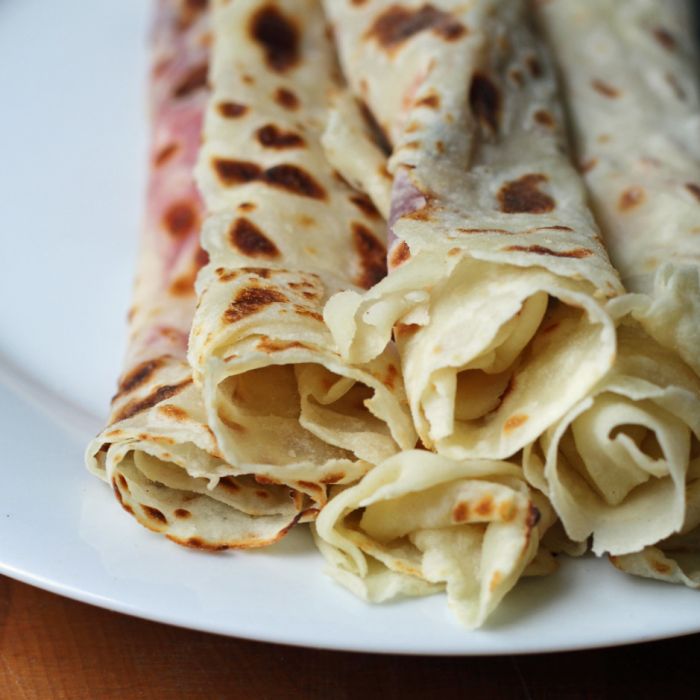
Boil the potatoes. Peel the potatoes while still warm and run them through a potato ricer twice. ▢ Let the potatoes cool in an uncovered bowl in the fridge. ▢ Stir the salt, sugar, melted butter, and cream into the riced potatoes. ▢ Slowly add the flour and knead by hand until you get a good consistency. Don't add more flour than necessary! Roll the dough into a long sausage and divide into about 7 or 8 pieces if using an 18 inch griddle. If using a smaller griddle or frying pan, divide the dough into 10 – 12 pieces. ▢ Roll each piece into a ball and then press into a flat circle, using the edges of your hands to form the dough into a nice circle shape without any cracks. This is important, otherwise you won't get round lefser. ▢ Heat up your griddle on medium/high heat. ▢ Flour your rolling surface and roll the lefse dough into a large circle slightly smaller than your griddle or frying pan. Begin rolling with a smooth rolling pin, then switch to a corrugated rolling pin as the lefse gets thinner. Don't use too much flour, as then the edges can become hard. ▢ Roll the lefse onto your lefse stick and then gently unroll it onto your griddle. After a minute or two check the underside of the lefse for brown spots and then use the lefse stick to flip the lefse and cook on the other side. ▢ Use the lefse stick to remove the lefse from the griddle and place it in a folded damp sheet or tablecloth.

In a medium bowl, whisk together egg, parsley, garlic and crushed red pepper. Mix in Gouda and Emmentaler. One sheet at a time, place phyllo dough on a flat surface and brush with about 1 tablespoon butter. Cut lengthwise into 4 strips. Place a rounded teaspoon of the egg mixture at one end of each strip. Fold corner of strip over the filling, forming a triangular fold. Continue folding the length of the strip in triangular folds to form a small stuffed triangle. Repeat with remaining phyllo dough. Preheat oven to 350 degrees F (175 degrees C). Lightly butter a large baking sheet. Arrange stuffed phyllo triangles in a single layer on the prepared baking sheet. Bake in the preheated oven 30 minutes, or until lightly browned. Serve warm
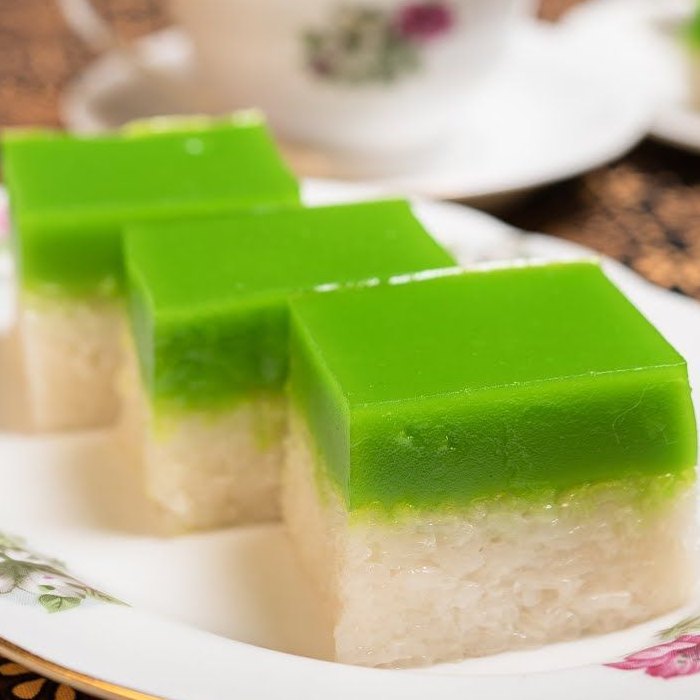
Soak glutinous rice with water for at least 1 ½ hours prior to using. Drain. Prepare a 9-inch round or square cake pan and spray with cooking spray or line with plastic wrap. Mix coconut milk, water, salt and the rice. Pour it into cake pan, topped with the pandan knots. Steam for 30 minutes. After 30 minutes, fluff up the rice and remove pandan knots. Then, using a greased spatula, flatten the steamed rice. Make sure there are no holes/air bubbles and gaps in the rice, especially the sides. Steam for another 10 minutes. Combine pandan juice, coconut milk, all purpose flour, cornflour, and sugar. Mix well. Add eggs and whisk well then strain into a medium sized metal bowl or pot. Place pandan mixture over simmering water (double boiler or bain-marie) Stir continuously and cook till custard starts to thicken. (15 minutes) Pour pandan custard into glutinous rice layer, give it a little tap (for air bubbles) and continue to steam for 30 minutes. Remove kuih seri muka from the steamer and allow to cool completely before cutting into rectangles or diamond shapes.