
step 1 Combine the yeast, a pinch of the sugar and a couple tablespoons of lukewarm water in a small bowl. Stir to dissolve the yeast, then leave for 10 mins until foamy. step 2 Meanwhile, combine the flour, the remaining sugar and 2 tsp fine salt in a large bowl. Make a well in the centre, then add half the beaten egg, the yeast mixture and the oil. Pour in 200ml lukewarm water (it should feel slightly warm to the touch) and stir with a spoon, then mix using one hand, keeping the other clean while you bring the dough together. If there are a lot of very dry bits, gradually add a little water to just bring it together – you don't want it to get too wet and sticky. The dough should be moist, but not soggy. step 3 Once the dough has come together, turn it out onto a lightly floured surface. Knead using both hands for 10 mins until smooth and a bit springy. If it gets very sticky, add a very small amount of flour – as little as possible. A dough scraper is useful if the dough is sticking to the work surface. Stretch the sides of the dough down and pull together to form a ball. Lightly oil a bowl, then lightly roll the dough ball around the bowl so it's coated in the oil. Cover with a clean tea towel and leave in a warm place for 1 hr, or until dough has doubled in size. step 4 Line a baking sheet with baking parchment. Turn the dough out onto a clean work surface and divide into three equal pieces, weighing for accuracy, if you like. Roll each piece into a long sausage shape about 25cm long, tapering them slightly at both ends. Lay the pieces out in front of you, parallel to one another with a couple centimetres between each. Bring the sausages together at the top end, then plait them down the length, tucking in the ends when you reach the bottom. Carefully transfer the loaf to the prepared baking sheet and loosely cover with a clean tea towel. Leave to rise until puffy and billowy, about 40 mins. step 5 Meanwhile, heat the oven to 200C/180C fan/gas 6.
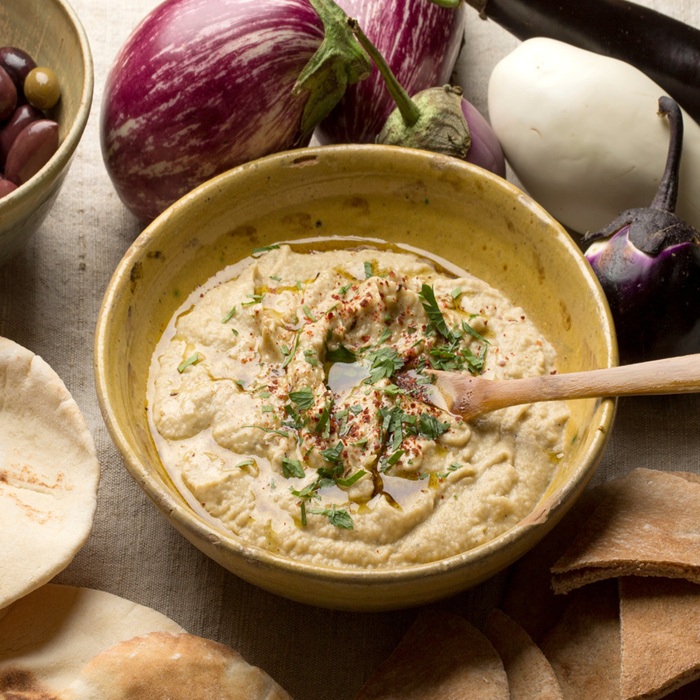
step 1 Heat grill to very hot. Slice the aubergines in half lengthways, then grill for 25 mins, turning occasionally, until soft – the skin will remain firm, but the flesh will soften. Lift the aubergines off the grill and leave until cool enough to handle. step 2 Using a sharp knife, score the grilled flesh and scoop out the flesh with a spoon. Tip into a bowl and mash with a fork until you get a thick pulp. Beat in the lemon juice and garlic. Add the yogurt and dill, and season. Serve while still warm.

step 1 Tip the flours into a food processor. Add the yeast, sugar and 1tsp salt, then mix well. Pour in 350ml warm water and the oil, then process to a soft dough. Mix for 1 min, then leave until doubled in size, about 1 hour. step 2 Pulse the dough a couple of times just to knock out the air, then tip onto a floured surface. Cut the dough in half and roll out one half to a rectangle about 20 x 40cm. Trim the edges using a large sharp knife, then cut into eight 10cm squares. Line a large tray or two baking sheets with non-stick paper and arrange the bread rectangles over the tray in one layer. Repeat with the other half of the dough. Leave in a warm place for about 30 mins until the dough is just starting to rise. step 3 Place bread directly onto the BBQ racks and cook for a couple of mins until they puff up, then flip over and cook on the other side. Tip into a basket and serve with the dips.
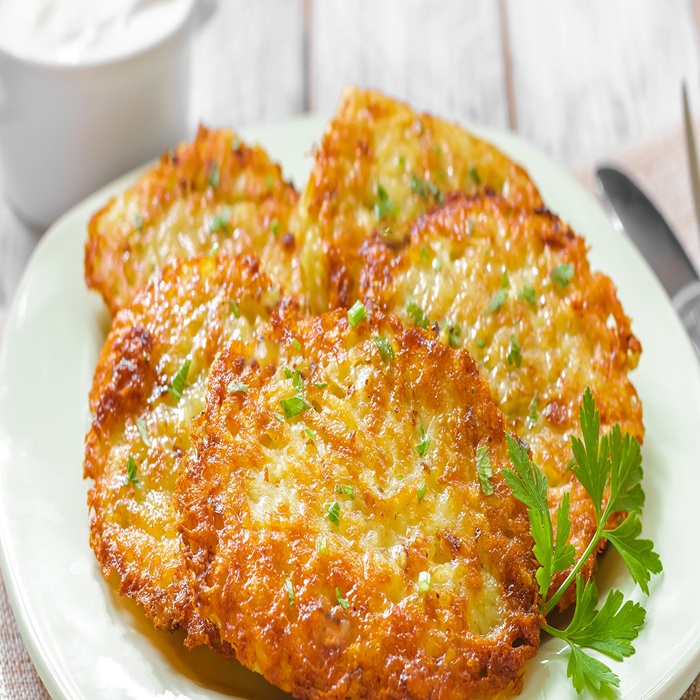
1. Prepare the Potatoes Start by peeling and finely grating the potatoes. To ensure extra crispiness, use a clean kitchen towel to squeeze out as much moisture as possible. 2. Mix the Ingredients In a large mixing bowl, combine the grated potatoes, chopped onion, minced garlic, eggs, flour, marjoram, salt, and black pepper. Stir well until the mixture forms a thick, consistent batter. 3. Heat the Oil In a large frying pan, heat a generous amount of oil over medium heat. The oil should be hot but not smoking. 4. Fry the Pancakes Spoon portions of the batter into the pan, flattening each into a thin pancake. Fry until golden brown and crispy on one side, then flip and cook the other side until equally golden and crispy. 5. Drain & Serve Transfer the cooked pancakes onto a plate lined with paper towels to remove excess oil. Serve immediately while hot, with sour cream, garlic dip, or as a side dish.
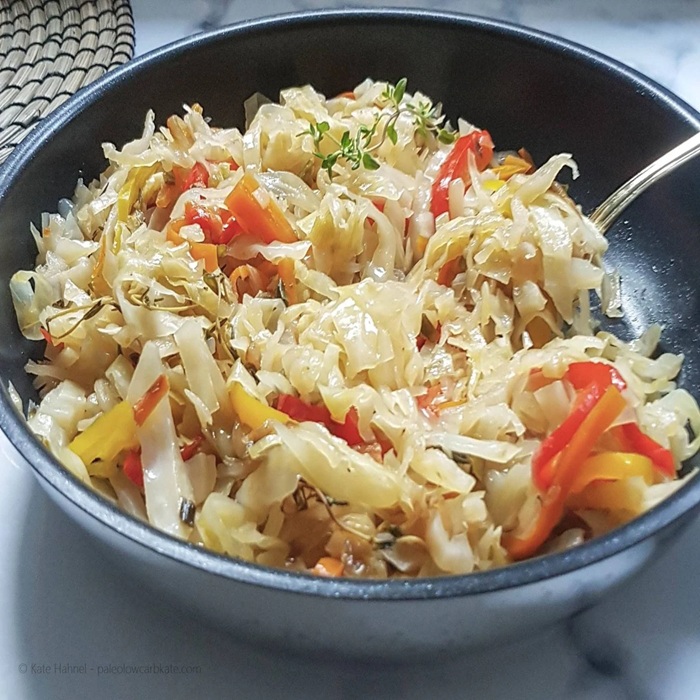
Add all the ingredients to a large pan over medium heat and cover with a lid. Cook on medium heat for 10 minutes, stirring occasionally. After 10 minutes, reduce the heat to low and continue to cook for an additional 5 minutes, until the cabbage is soft and tender. Remove from the heat and remove the stalks of thyme before serving.
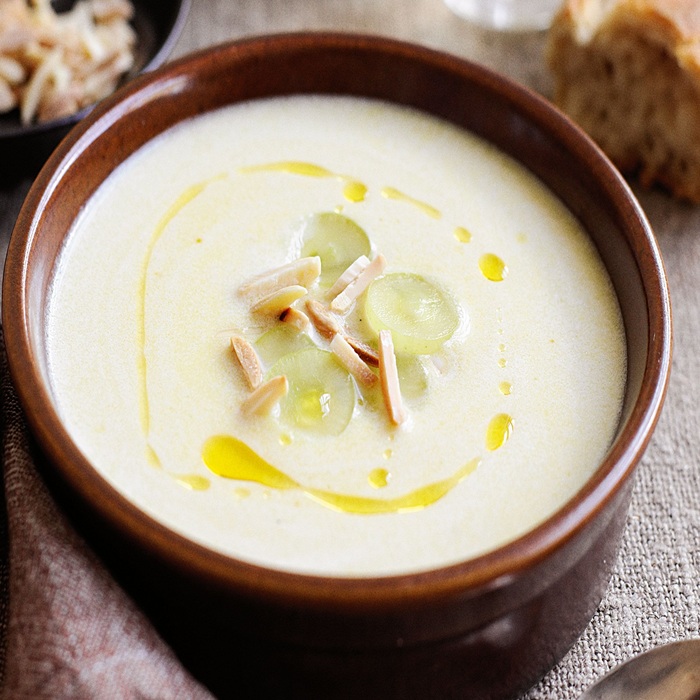
step 1 Tip the bread into a bowl and pour over 350ml water. Leave to soak for 10 mins. step 2 Blend the ingredients together with 350ml water and 1 tsp salt. step 3 Let the soup cool in the fridge for 1 hr or so, then serve with a drizzle of oil and some black pepper.
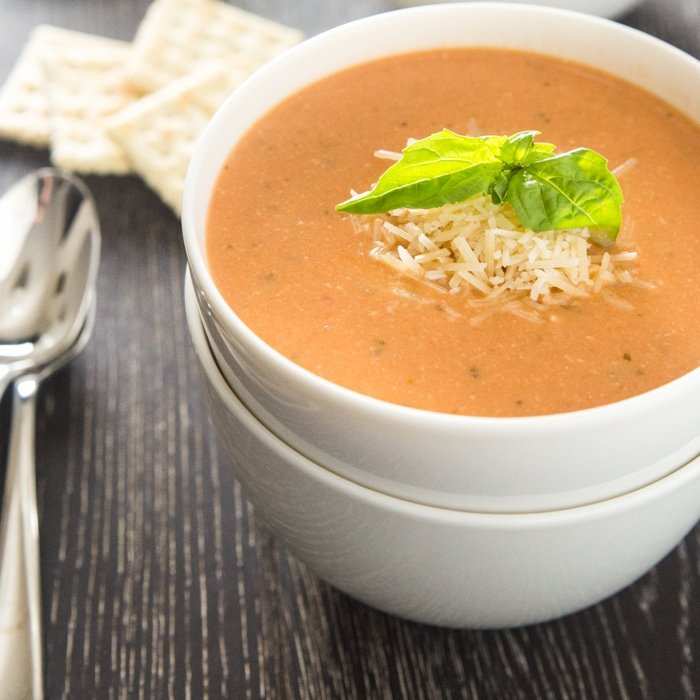
Put the oil, onions, celery, carrots, potatoes and bay leaves in a big casserole dish, or two saucepans. Fry gently until the onions are softened – about 10-15 mins. Fill the kettle and boil it. Stir in the tomato purée, sugar, vinegar, chopped tomatoes and passata, then crumble in the stock cubes. Add 1 litre boiling water and bring to a simmer. Cover and simmer for 15 mins until the potato is tender, then remove the bay leaves. Purée with a stick blender (or ladle into a blender in batches) until very smooth. Season to taste and add a pinch more sugar if it needs it. The soup can now be cooled and chilled for up to 2 days, or frozen for up to 3 months. To serve, reheat the soup, stirring in the milk – try not to let it boil. Serve in small bowls with cheesy sausage rolls.

Heat a heavy bottom pot of oil that has at least 3 inches of oil in it or use a deep fryer if you have one. Turn the heat over medium heat until the temperature reaches 350 degrees Fahrenheit. Add the all-purpose flour, cornmeal, granulated sugar, baking powder, and salt to a large bowl and stir to combine. Add the vanilla extract and milk and stir until the dough comes together. Then use your hands to lightly form the mixture into a ball. Pinch off pieces of dough and roll them into long oval shapes. Make about 12 dumplings. Once the oil has reached the temperature of 350 degrees Fahrenheit, fry the dough on all sides, until golden brown. This should take about 4-6 minutes. Remove dough and drain off any excess grease. Serve and enjoy.

In a large bowl, whisk together 1/2 cup buckwheat flour, 2/3 cup all-purpose flour, 1/2 teaspoon salt, and 1 teaspoon yeast. Make a well in the center and pour in 1 cup warm milk, whisking until the batter is smooth. Cover the bowl and let the batter rise until doubled, about 1 hour. Enrich and Rest the Batter Stir 2 tablespoons melted butter and 1 egg yolk into the batter. In a separate bowl, whisk 1 egg white until stiff, but not dry. Fold the whisked egg white into the batter. Cover the bowl and let the batter stand 20 minutes. Pan-Fry the Blini Heat butter in a large nonstick skillet over medium heat. Drop quarter-sized dollops of batter into the pan, being careful not to overcrowd the pan. Cook for about 1 minute or until bubbles form. Turn and cook for about 30 additional seconds. Remove the finished blini onto a plate and cover them with a clean kitchen towel to keep warm. Add more butter to the pan and repeat the frying process with the remaining batter.

To prepare the sauerkraut filling, melt the butter in a skillet over medium heat. Stir in the onion, and cook until translucent, about 5 minutes. Add the drained sauerkraut and cook for an additional 5 minutes. Season to taste with salt and pepper, then remove to a plate to cool. For the mashed potato filling, melt the butter in a skillet over medium heat. Stir in the onion, and cook until translucent, about 5 minutes. Stir into the mashed potatoes, and season with salt and white pepper. To make the dough, beat together the eggs and sour cream until smooth. Sift together the flour, salt, and baking powder; stir into the sour cream mixture until dough comes together. Knead the dough on a lightly floured surface until firm and smooth. Divide the dough in half, then roll out one half to 1/8 inch thickness. Cut into 3 inch rounds using a biscuit cutter. Place a small spoonful of the mashed potato filling into the center of each round. Moisten the edges with water, fold over, and press together with a fork to seal. Repeat procedure with the remaining dough and the sauerkraut filling. Bring a large pot of lightly salted water to a boil. Add perogies and cook for 3 to 5 minutes or until pierogi float to the top. Remove with a slotted spoon.
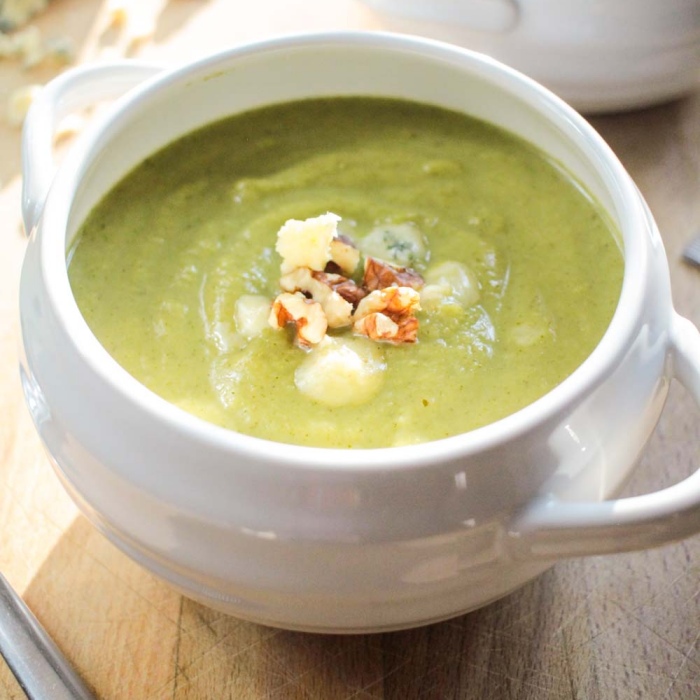
Heat the rapeseed oil in a large saucepan and then add the onions. Cook on a medium heat until soft. Add a splash of water if the onions start to catch. Add the celery, leek, potato and a knob of butter. Stir until melted, then cover with a lid. Allow to sweat for 5 minutes. Remove the lid. Pour in the stock and add any chunky bits of broccoli stalk. Cook for 10 – 15 minutes until all the vegetables are soft. Add the rest of the broccoli and cook for a further 5 minutes. Carefully transfer to a blender and blitz until smooth. Stir in the stilton, allowing a few lumps to remain. Season with black pepper and serve.

Pick through your lentils for any foreign debris, rinse them 2 or 3 times, drain, and set aside. Fair warning, this will probably turn your lentils into a solid block that you’ll have to break up later In a large pot over medium-high heat, sauté the olive oil and the onion with a pinch of salt for about 3 minutes, then add the carrots and cook for another 3 minutes. Add the tomato paste and stir it around for around 1 minute. Now add the cumin, paprika, mint, thyme, black pepper, and red pepper as quickly as you can and stir for 10 seconds to bloom the spices. Congratulate yourself on how amazing your house now smells. Immediately add the lentils, water, broth, and salt. Bring the soup to a (gentle) boil. After it has come to a boil, reduce heat to medium-low, cover the pot halfway, and cook for 15-20 minutes or until the lentils have fallen apart and the carrots are completely cooked. After the soup has cooked and the lentils are tender, blend the soup either in a blender or simply use a hand blender to reach the consistency you desire. Taste for seasoning and add more salt if necessary. Serve with crushed-up crackers, torn up bread, or something else to add some extra thickness. You could also use a traditional thickener (like cornstarch or flour), but I prefer to add crackers for some texture and saltiness. Makes great leftovers, stays good in the fridge for about a week.
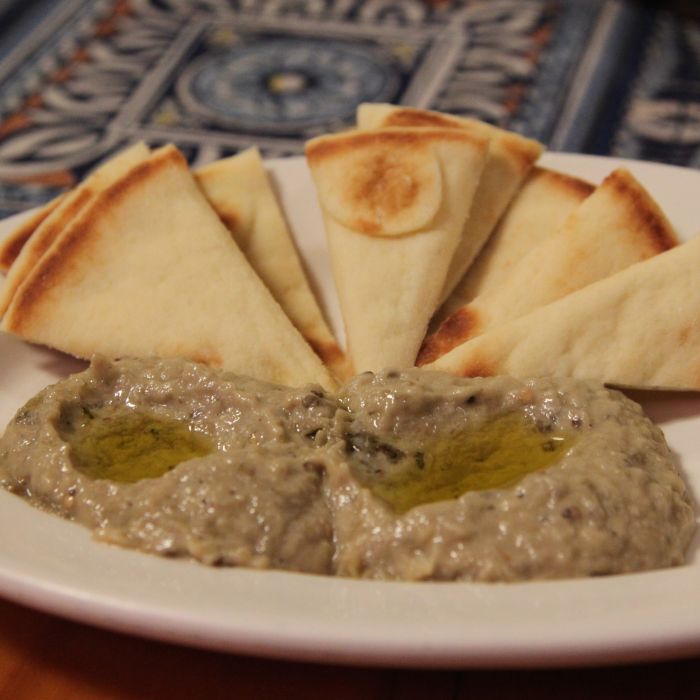
Preheat an outdoor grill for medium-high heat and lightly oil the grate. Prick the surface of the skin of eggplants several times with the tip of a knife. Place eggplants directly on grill. Turn frequently with tongs while skin chars. Cook until eggplants have collapsed and are very soft, 25 to 30 minutes. Transfer to a bowl and cover tightly with aluminum foil and allow to cool, about 15 minutes. When eggplants are cool enough to handle, split them in half and scrape flesh into a colander placed over a bowl. Drain 5 or 10 minutes. Transfer eggplant to mixing bowl. Add crushed garlic and salt; mash until creamy but with a little texture, about 5 minutes. Whisk in lemon juice, tahini, olive oil, and cayenne pepper. Stir in yogurt. Cover bowl with plastic wrap and refrigerate until completely chilled. Stir in mint and parsley, and taste to adjust seasonings before serving.
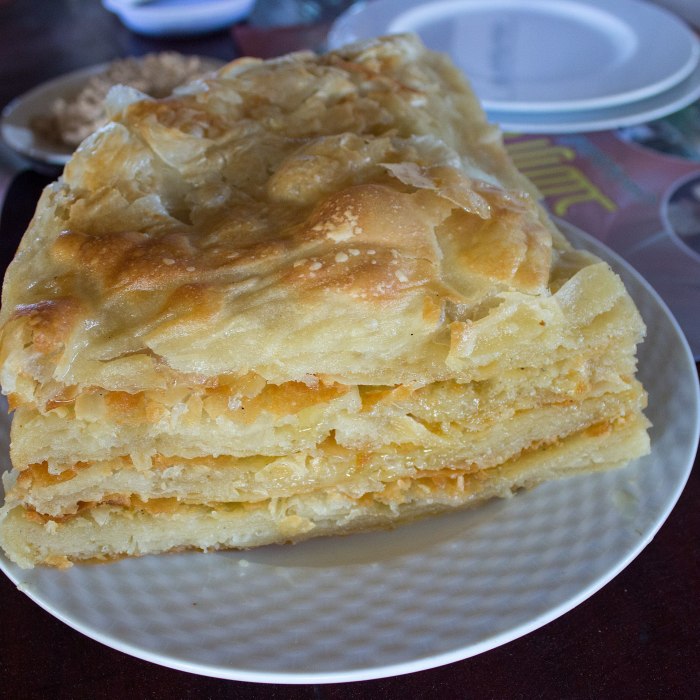
Mix the flour and salt then pour one cup of water and start kneading. If you feel the dough is still not coming together or too dry, gradually add the remaining water until you get a dough that is very elastic so that when you pull it and it won’t be torn. Let the dough rest for just 10 minutes then divide the dough into 6-8 balls depending on the size you want for your feteer. Warm up the butter/ghee or oil you are using and pour into a deep bowl. Immerse the dough balls into the warm butter. Let it rest for 15 to 20 minutes. Preheat oven to 550F. Stretch the first ball with your hands on a clean countertop. Stretch it as thin as you can, the goal here is to see your countertop through the dough. Fold the dough over itself to form a square brushing in between folds with the butter mixture. Set aside and start making the next ball. Stretch the second one thin as we have done for the first ball. Place the previous one on the middle seam side down. Fold the outer one over brushing with more butter mixture as you fold. Set aside. Keep doing this for the third and fourth balls. Now we have one ready, place on a 10 inch baking/pie dish seam side down and brush the top with more butter. Repeat for the remaining 4 balls to make a second one. With your hands lightly press the folded feteer to spread it on the baking dish. Place in preheated oven for 10 minutes when the feteer starts puffing turn on the broiler to brown the top. When it is done add little butter on top and cover so it won’t get dry.
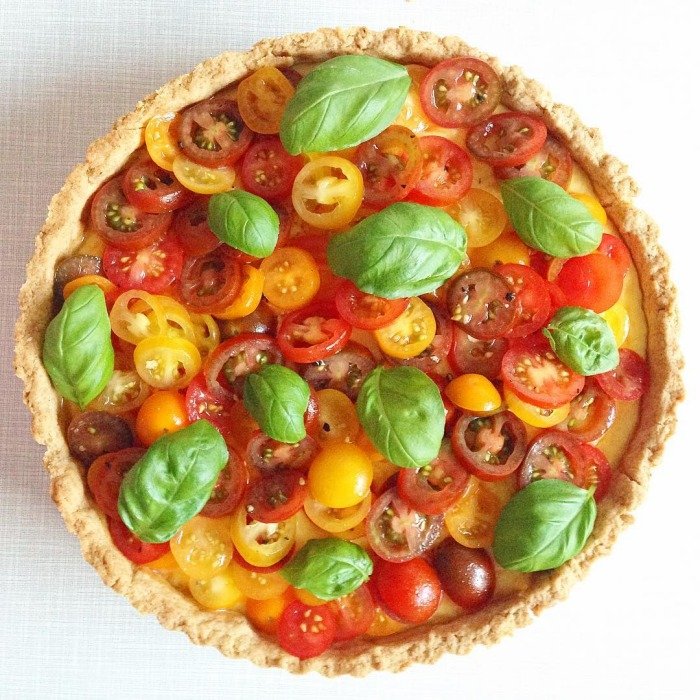
Crust: make a dough from 250g flour (I like mixing different flours like plain and wholegrain spelt flour), 125g butter, 1 egg and a pinch of salt, press it into a tart form and place it in the fridge. Filling: stir 300g cream cheese and 100ml milk until smooth, add in 3 eggs, 100g grated parmesan cheese and season with salt, pepper and nutmeg. Take the crust out of the fridge and prick the bottom with a fork. Pour in the filling and bake at 175 degrees C for about 25 minutes. Cover the tart with some aluminium foil after half the time. In the mean time, slice about 350g mini tomatoes. In a small pan heat 3tbsp olive oil, 3tbsp white vinegar, 1 tbsp honey, salt and pepper and combine well. Pour over the tomato slices and mix well. With a spoon, place the tomato slices on the tart, avoiding too much liquid on it. Decorate with basil leaves and enjoy
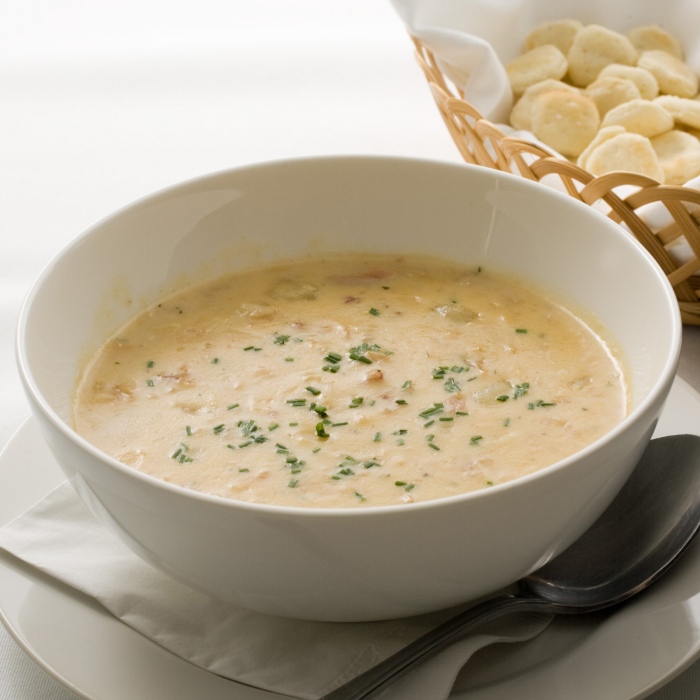
Rinse the clams in several changes of cold water and drain well. Tip the clams into a large pan with 500ml of water. Cover, bring to the boil and simmer for 2 mins until the clams have just opened. Tip the contents of the pan into a colander over a bowl to catch the clam stock. When cool enough to handle, remove the clams from their shells – reserving a handful of empty shells for presentation if you want. Strain the clam stock into a jug, leaving any grit in the bottom of the bowl. You should have around 800ml stock. Heat the butter in the same pan and sizzle the bacon for 3-4 mins until it starts to brown. Stir in the onion, thyme and bay and cook everything gently for 10 mins until the onion is soft and golden. Scatter over the flour and stir in to make a sandy paste, cook for 2 mins more, then gradually stir in the clam stock then the milk and the cream. Throw in the potatoes, bring everything to a simmer and leave to bubble away gently for 10 mins or until the potatoes are cooked. Use a fork to crush a few of the potato chunks against the side of the pan to help thicken – you still want lots of defined chunks though. Stir through the clam meat and the few clam shells, if you've gone down that route, and simmer for a minute to reheat. Season with plenty of black pepper and a little salt, if needed, then stir through the parsley just before ladling into bowls or hollowed-out crusty rolls.

Season meat with Adobo. In skillet, heat oil on medium high. Cook meat until pink is gone. Stir in onion, pepper, garlic, alcaparras, tomato sauce and Sazón. Cook, stirring often until most of the liquid has evaporated (about 20 minutes). Cool. Prepared dough should be moist and should hold together, but it should not stick to your fingers. Start with about ½ cup of dough and roll into a ball between palms of your hands. Working on a sheet of non-stick parchment paper, form the ball into a 5-inch circle about ⅛ inch thick. Place a generous tbsp. of filling on one half of circle and using parchment paper close dough over to form a semi-circle. To seal and trim edges of the empanada, press lip of inverted bowl over semi-circle shaped patty. Repeat for all the Empanadas. In large skillet on medium high, heat ½ inch of oil until hot but not smoking. Cook empanadas in batches, turning once or twice until lightly browned. Drain on paper towel. Do not over crowd skillet or let oil get too hot.
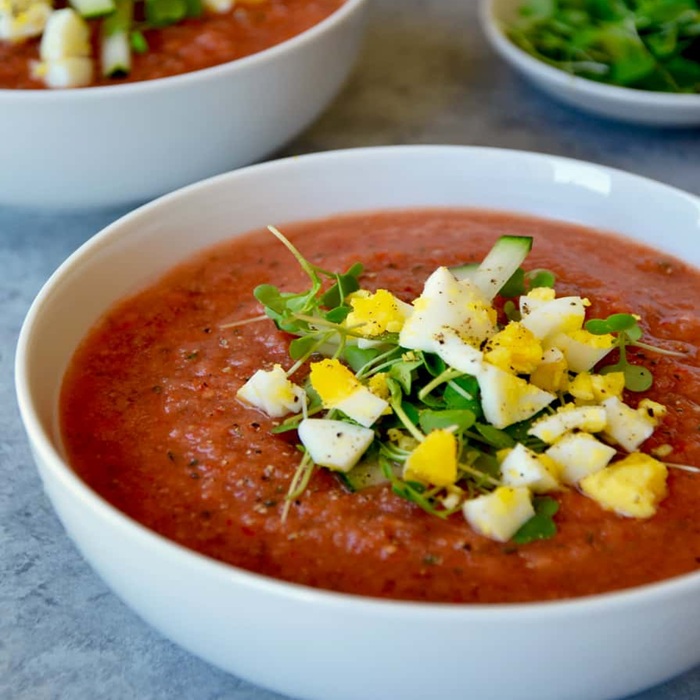
step 1 In a blender (or with a stick blender), whizz together the passata, red pepper, chilli, garlic, sherry vinegar and lime juice until smooth. Season to taste, then serve with ice cubes

Alternative Pan Fry Method: If you don’t have access to an air fryer, you can make these egg rolls using a traditional pan fry method. Add enough oil to a medium skillet with high walls so the oil is about 1/2 inch up the side of the skillet. Heat oil on medium high heat until it reaches 350°F. Add egg rolls and fry for 3 to 4 minutes, flip, and fry for another 3 to 4 minutes until golden brown. Remove and let them drain and cool on a few paper towels. Cook the filling: In a large skillet over medium heat, add the olive oil along with the ground pork or chicken. Break apart the meat with a spatula or wooden spoon as it cooks. Cook until the meat is cooked through, 6 to 8 minutes. Add garlic, ginger, carrot, scallions, and cabbage. Continue to cook until cabbage wilts down and is soft, another 3 to 4 minutes, stirring regularly. Season the filling with soy sauce and rice wine vinegar, and take off the heat to cool. (This filling can be made in advance.) Assemble the egg rolls: Place a single egg roll wrapper on a dry surface with one point of the square facing you (like a diamond). Place about 1/4 cup of the egg roll filling mixture in the middle of the wrapper. Dip your fingers in water and run around the edges of the wrapper. Then fold the edges of the wrapper over the center and start rolling the egg roll away from you to form a tight cylinder. Place on a plate and repeat until you are out of filling. You should get at least a dozen egg rolls. Air fry the egg rolls: Place the egg rolls in the basket of your air fryer. Spray or brush them lightly with oil. Add as many as you can without stacking the egg rolls, making sure they don’t touch. Air needs to circulate around them. Brush the egg rolls lightly with oil. Place the basket in the air fryer and turn the air fryer to 350°F. Cook for 6 to 7 minutes, then flip the egg rolls, spray or brush with oil a second time on the bottom side, and cook for another 4 to 5 minutes. Finished egg rolls sh
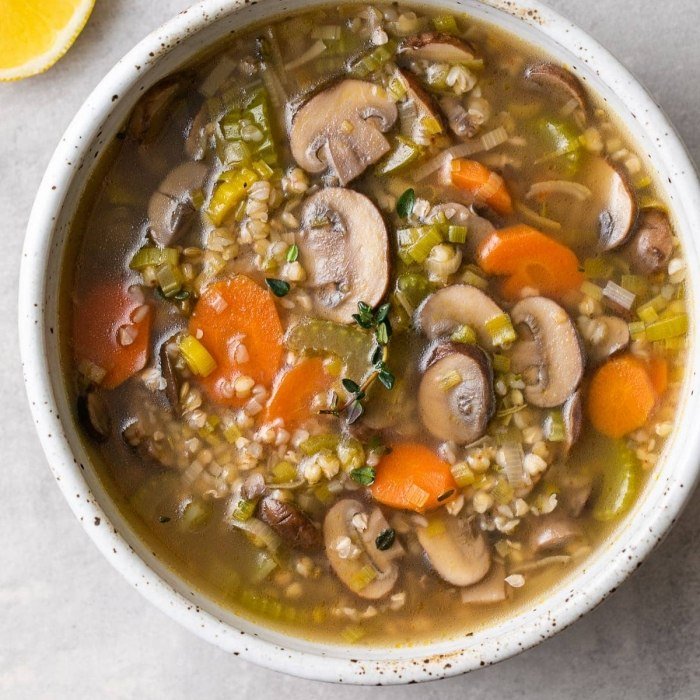
Chop the onion and garlic, slice the mushrooms and wash the buckwheat. Heat the oil and lightly sauté the onion. Add the mushrooms and the garlic and continue to sauté. Add the salt, vegetable seasoning, buckwheat and the bay leaf and cover with water. Simmer gently and just before it is completely cooked, add pepper, sour cream mixed with flour, the chopped parsley and vinegar to taste.
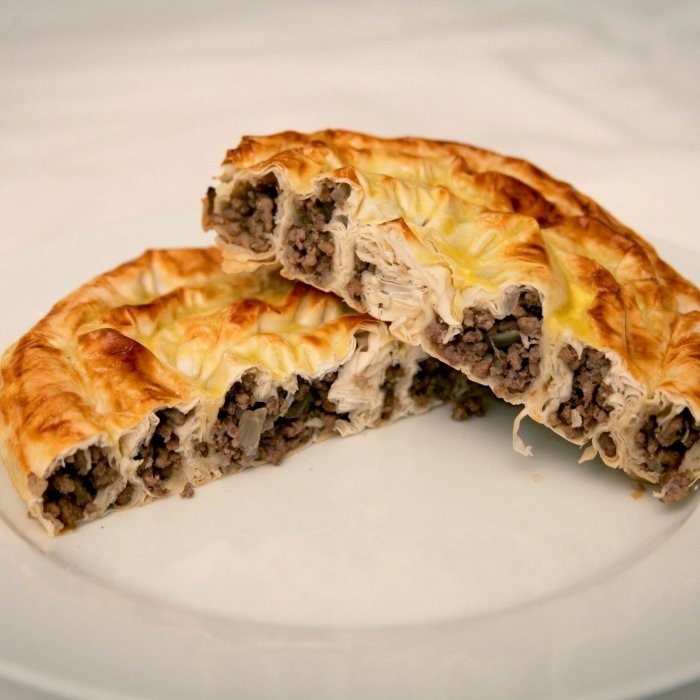
Fry the finely chopped onions and minced meat in oil. Add the salt and pepper. Grease a round baking tray and put a layer of pastry in it. Cover with a thin layer of filling and cover this with another layer of filo pastry which must be well coated in oil. Put another layer of filling and cover with pastry. When you have five or six layers, cover with filo pastry, bake at 200ºC/392ºF for half an hour and cut in quarters and serve.
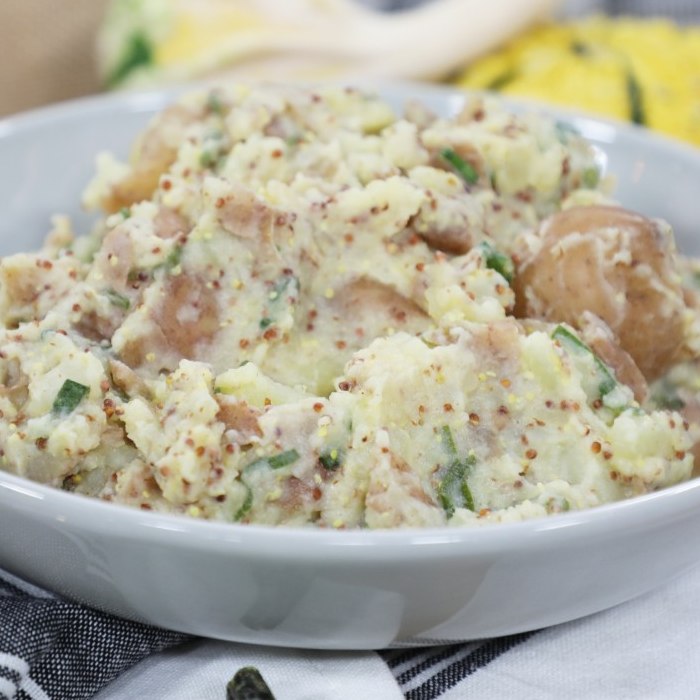
STEP 1 Boil the potatoes for 15 mins or until tender. Drain, then mash. STEP 2 Heat the milk and half the butter in the corner of the pan, then beat into the mash, along with the wholegrain mustard. STEP 3 Gently fry the spring onions in the remaining butter for 2 mins until just soft but still a perky green. Fold into the mash and serve. Great with gammon or to top a fish pie.
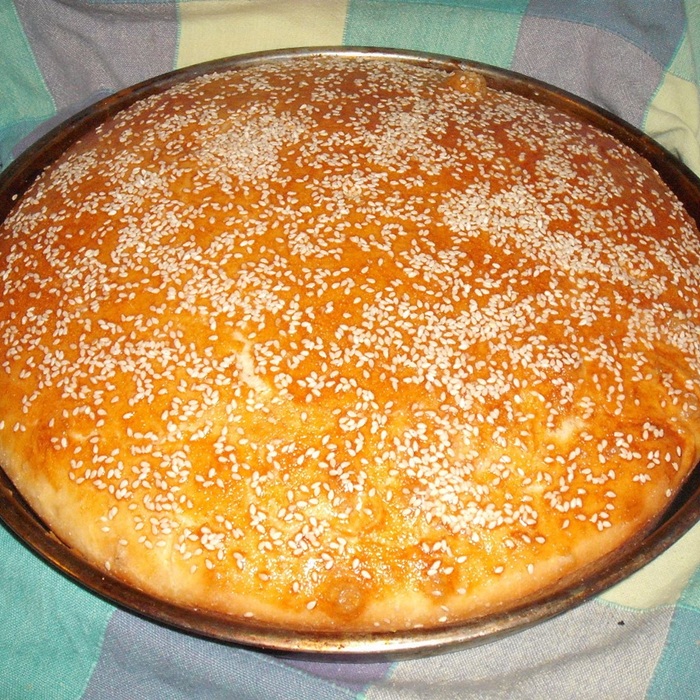
Mix 1/2 cup plus 2 tablespoons semolina, 2 tablespoons sesame seeds, sugar, yeast, and salt together in a large bowl. Whisk in oil, egg, and egg white. Stir in warm milk slowly until a liquid dough forms. Cover the bowl with a plate or plastic wrap; let stand at room temperature until frothy, about 1 hour. Stir in 2 3/4 cups flour with a wooden spoon until a sticky dough forms. Cover again and allow to rest for 30 minutes. Line a baking sheet with parchment paper or a baking mat. Sprinkle 1 tablespoon flour over the dough and your hands. Mix dough, adding flour as needed, 1 tablespoon at a time, until it pulls away from the sides of the bowl. Shape into a round loaf and place on the prepared baking sheet. Cover loosely with a towel and let rise for 1 hour in a warm place until loaf doubles in volume. Preheat oven to 400 degrees F (200 degrees C). Beat egg yolk and water in a bowl with a fork; brush over the entire surface of the loaf. Sprinkle 1 tablespoon sesame seeds on top. Bake in the preheated oven until loaf is golden brown, about 20 to 25 minutes.
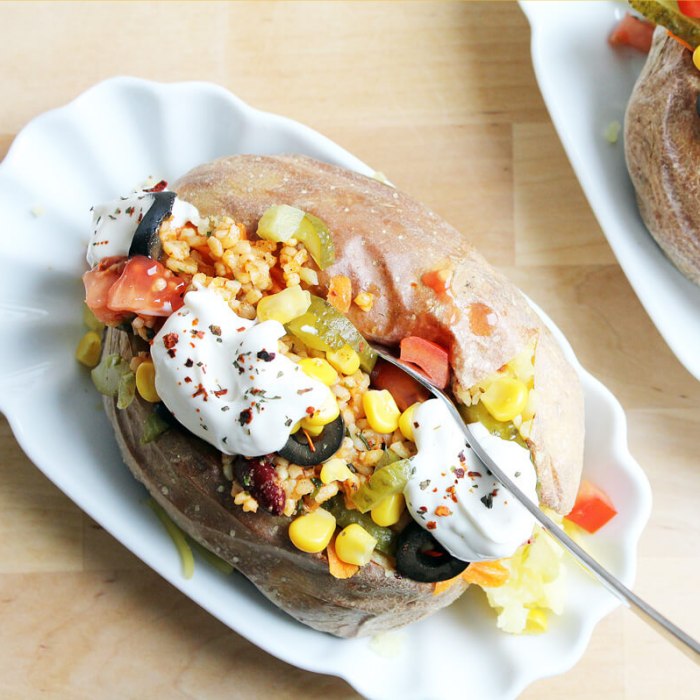
If you order kumpir in Turkey, the standard filling is first, lots of butter mashed into the potato, followed by cheese. There’s then a row of other toppings that you can just point at to your heart’s content – sweetcorn, olives, salami, coleslaw, Russian salad, allsorts – and you walk away with an over-stuffed potato because you got ever-excited by the choices on offer. Grate (roughly – you can use as much as you like) 150g of cheese. Finely chop one onion and one sweet red pepper. Put these ingredients into a large bowl with a good sprinkling of salt and pepper, chilli flakes (optional).