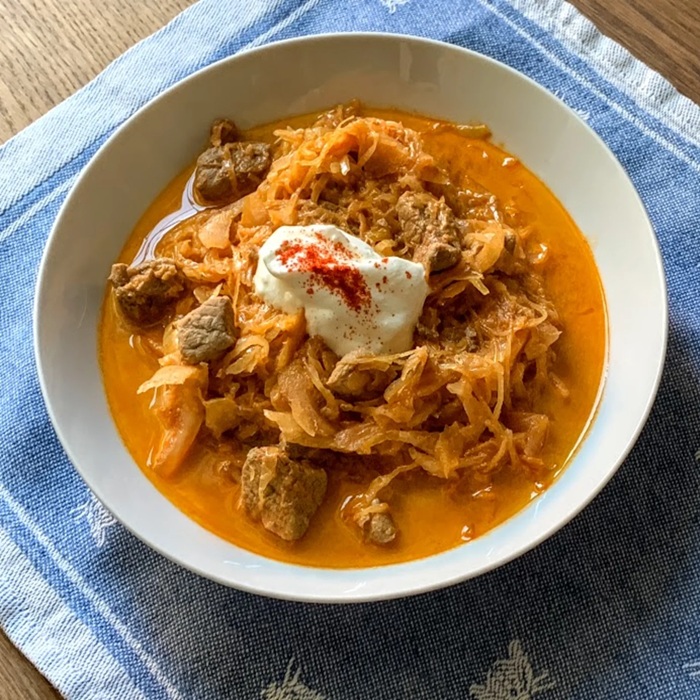
step 1 Heat the lard in a saucepan over a medium heat and fry the finely chopped onion until golden, around 5-8 mins. Tip in the cumin and pork, and fry for 10 mins all over until browned. Add the garlic, season well and scatter over the flour. Cook for about a minute, then add the paprika and cook for 1 min more. step 2 Pour in half of the stock, add the bay leaves, and simmer with the lid on over a low heat for 30 mins. step 3 Add the sauerkraut, remaining stock and a drizzle of the sauerkraut pickling juices. Simmer with the lid for 30 mins, stirring occasionally, until the meat is tender. Stir in the cream and simmer for 5 mins to combine the flavours. Season to taste, the serve garnished with a spoonful of soured cream. This recipe has been provided by Apetit Online and not been re-tested by us.

step 1 Heat the oil in a large pan, then gently fry the onion for 3-4 mins until it begins to soften. Stir in the carrot, celery, thyme and bay leaves. Season, then cook for 2-3 mins, stirring occasionally. Add the garlic, chorizo, cinnamon and smoked paprika. Gently fry until the vegetables soften and the chorizo starts to release its oils and crisp up. step 2 Stir in the chickpeas, vinegar and 150ml water, then bring to a simmer for 1-2 mins until the chickpeas have heated up. Add the spinach, then stir through the chickpeas until it wilts a little. Remove from the heat, season to taste, then serve warm with crusty bread.
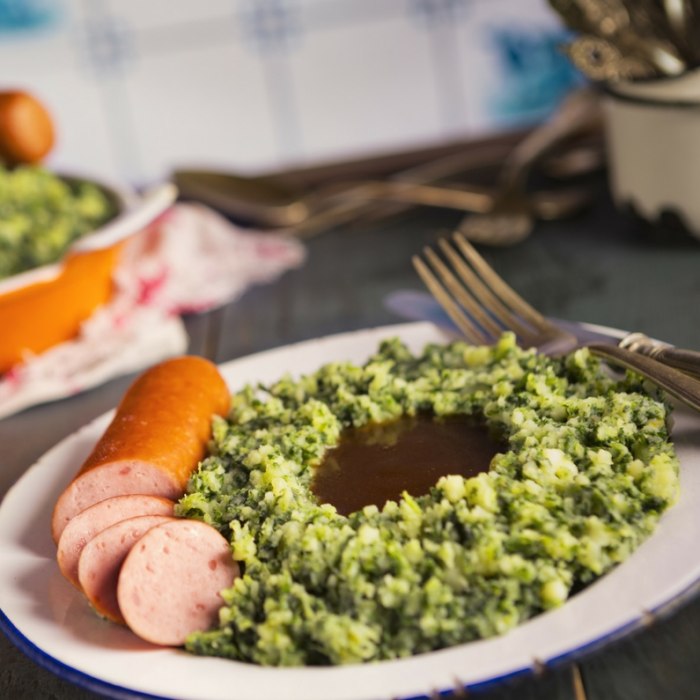
Wash and peel the potatoes and cut into similarly sized pieces for even cooking. In a large soup pot, boil the potatoes and the bay leaves in salted water for 20 minutes. Discard the bay leaves. If you're not using a bag of ready-cut curly kale, wash the bunches thoroughly under cool running water to get rid of all soil—you wouldn't want that gritty texture in your finished dish. Trim any coarse stems and discard any brown leaves. With a sharp knife, cut the curly kale into thin strips. Peel and chop the shallots. In a frying pan or skillet, melt 1 tbsp. of butter and saute the shallots for a few minutes before adding the curly kale and 2 tbsp. of water. Season and cook for about 10 minutes, or until tender. Warm the milk on the stove or in the microwave. Drain, shake and dry the potatoes with kitchen towels before mashing with a potato masher or ricer. Working quickly, add the warm milk and the remaining butter. Season to taste with nutmeg, salt, and pepper. Mix the cooked curly kale through the cooked mashed potato mixture. Top with slices of the smoked sausage and serve hot with your favorite mustard or gravy. Serve and enjoy!

Combine pork, garlic, ginger, soy sauce, sesame oil, and vegetables in a bowl. Separate wonton skins. Place a heaping teaspoon of filling in the center of the wonton. Brush water on 2 borders of the skin, covering 1/4 inch from the edge. Fold skin over to form a triangle, sealing edges. Pinch the two long outside points together. Heat oil to 450 degrees and fry 4 to 5 at a time until golden. Drain and serve with sauce.
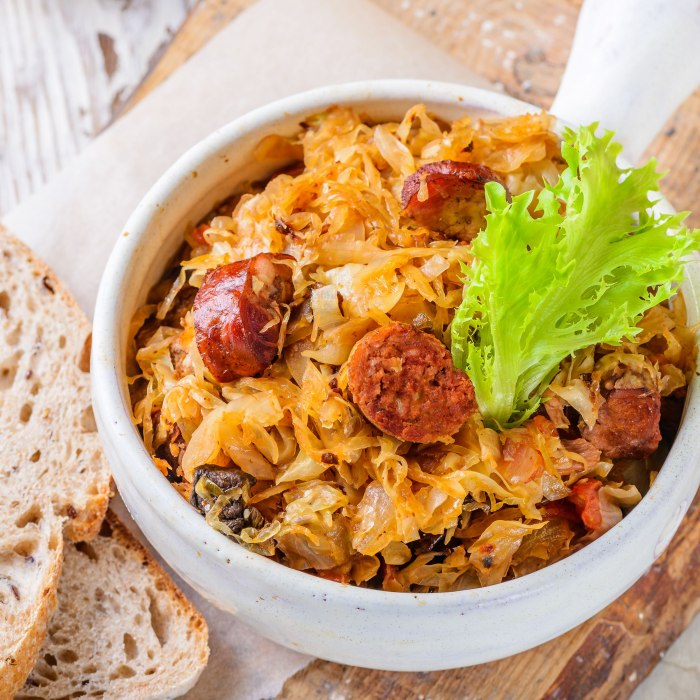
Preheat the oven to 350 degrees F (175 degrees C). Heat a large pot over medium heat. Add the bacon and kielbasa; cook and stir until the bacon has rendered its fat and sausage is lightly browned. Use a slotted spoon to remove the meat and transfer to a large casserole or Dutch oven. Coat the cubes of pork lightly with flour and fry them in the bacon drippings over medium-high heat until golden brown. Use a slotted spoon to transfer the pork to the casserole. Add the garlic, onion, carrots, fresh mushrooms, cabbage and sauerkraut. Reduce heat to medium; cook and stir until the carrots are soft, about 10 minutes. Do not let the vegetables brown. Deglaze the pan by pouring in the red wine and stirring to loosen all of the bits of food and flour that are stuck to the bottom. Season with the bay leaf, basil, marjoram, paprika, salt, pepper, caraway seeds and cayenne pepper; cook for 1 minute. Mix in the dried mushrooms, hot pepper sauce, Worcestershire sauce, beef stock, tomato paste and tomatoes. Heat through just until boiling. Pour the vegetables and all of the liquid into the casserole dish with the meat. Cover with a lid. Bake in the preheated oven for 2 1/2 to 3 hours, until meat is very tender.
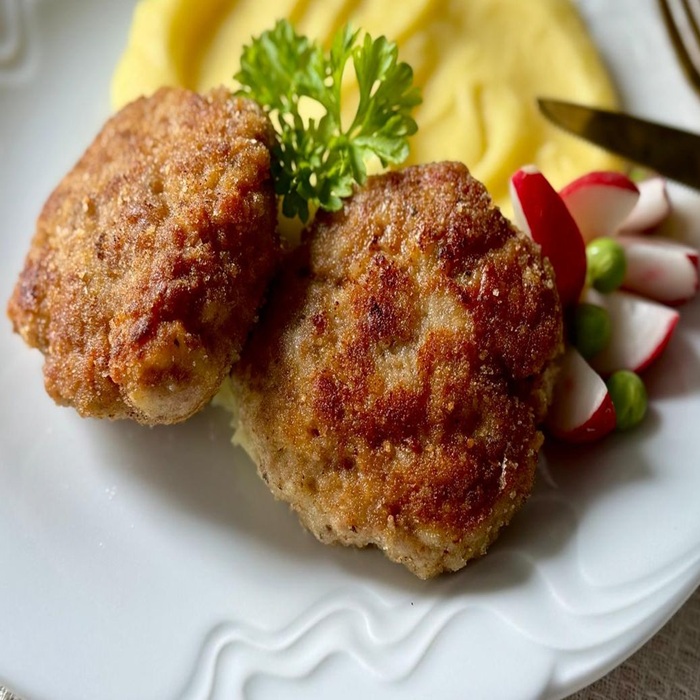
1. Prepare the Bread Mixture Soak the bread slices in milk or water until soft. Squeeze out excess liquid and mash into small crumbs. 2. Mix the Ingredients In a large bowl, combine ground meat, chopped onions, garlic, soaked bread, egg, and seasonings. Mix well until evenly combined. 3. Shape the Meat Patties Take portions of the mixture and shape them into palm-sized patties. Flatten slightly to help with even cooking. 4. Coat the Patties Lightly dust each patty with flour. Dip into beaten egg, then coat with breadcrumbs for a crispy finish. 5. Fry the Fašírky Heat vegetable oil in a pan over medium heat. Fry the patties for 4-5 minutes per side until golden brown and fully cooked. Transfer to a paper towel-lined plate to drain excess oil. 6. Serve and Enjoy Serve Fašírky hot with mashed potatoes, cabbage salad, or fresh bread. Enjoy with mustard, pickles, or garlic sauce for extra flavor.
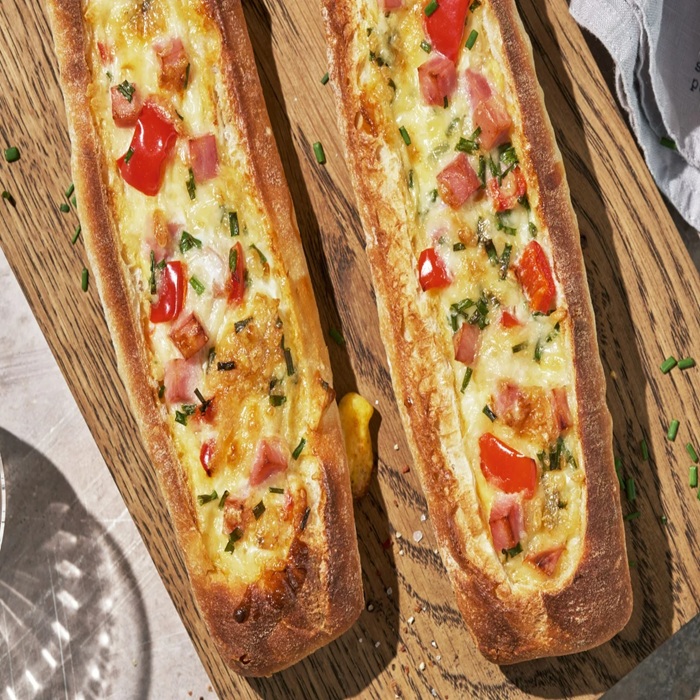
step 1 Heat the oven to 200C/180C fan/gas 6. Bake the baguettes on a baking tray for 8-10 mins, then leave to cool. step 2 Heat 2 tsp of the butter and 1 tsp of the oil in a pan over a low heat and cook the chopped onion for 5 mins until soft. Stir in the mushrooms, turn the heat to medium and cook for 5-10 mins more until the veg is soft and the mushroom liquid has evaporated. Stir in the garlic and cook for 1-2 mins until soft. Season, then stir in the mayonnaise and remove from the heat. step 3 Halve the baguettes lengthways, then return to the baking tray, cut-side up and spread over the mushroom mixture, then sprinkle over the cheddar, ham, kabanos and mozzarella. Bake for 8-10 mins, or until the cheese has melted and turned golden. step 4 Meanwhile, heat the remaining butter and oil in a pan over a medium heat and fry the sliced onions for 5 mins until golden and soft. Remove from the heat and set aside. Once the pizzas are cooked, top with the caramelised onions, dill pickles (if using), the chives and a zig-zag drizzle of ketchup.
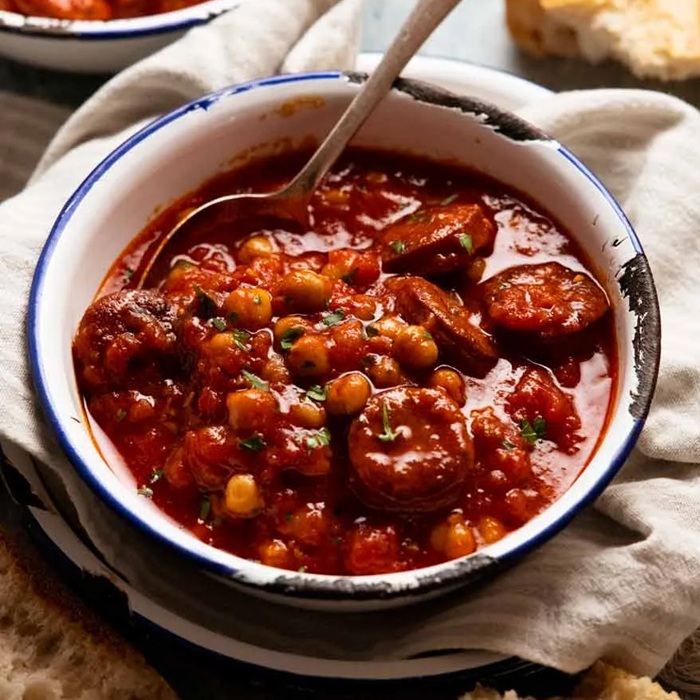
step 1 Put a medium pan on the heat and tip in the tomatoes, followed by a can of water. While the tomatoes are heating, quickly chop the chorizo into chunky pieces (removing any skin) and shred the cabbage. step 2 Pile the chorizo and cabbage into the pan with the chilli flakes and chickpeas, then crumble in the stock cube. Stir well, cover and leave to bubble over a high heat for 6 mins or until the cabbage is just tender. Ladle into bowls and eat with crusty or garlic bread.
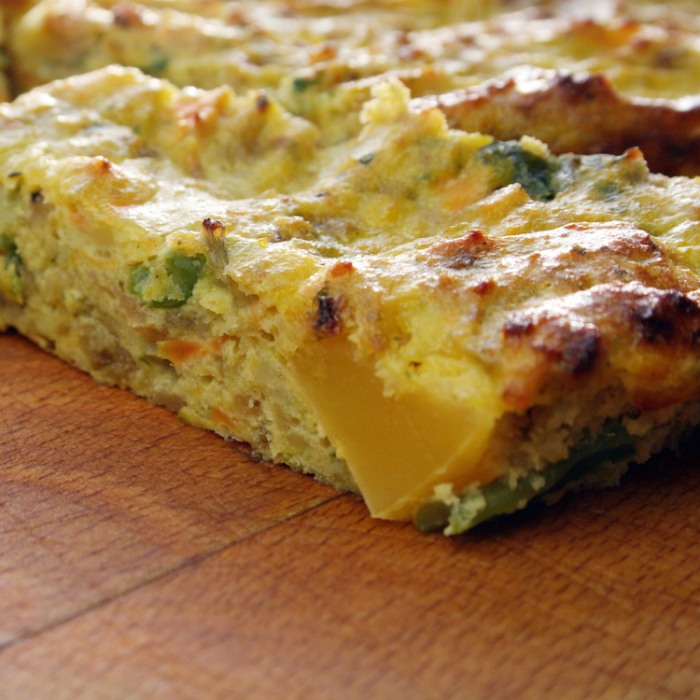
Melt the fat in a non-stick pan, allow it to get nice and hot, then add the bacon. As it begins to brown, add the onion and garlic. Next, add the sliced sprouts or cabbage and let it colour slightly. All this will take 5-6 mins. Next, add the potato. Work everything together in the pan and push it down so that the mixture covers the base of the pan – allow the mixture to catch slightly on the base of the pan before turning it over and doing the same again. It’s the bits of potato that catch in the pan that define the term ‘bubble and squeak’, so be brave and let the mixture colour. Cut into wedges and serve.
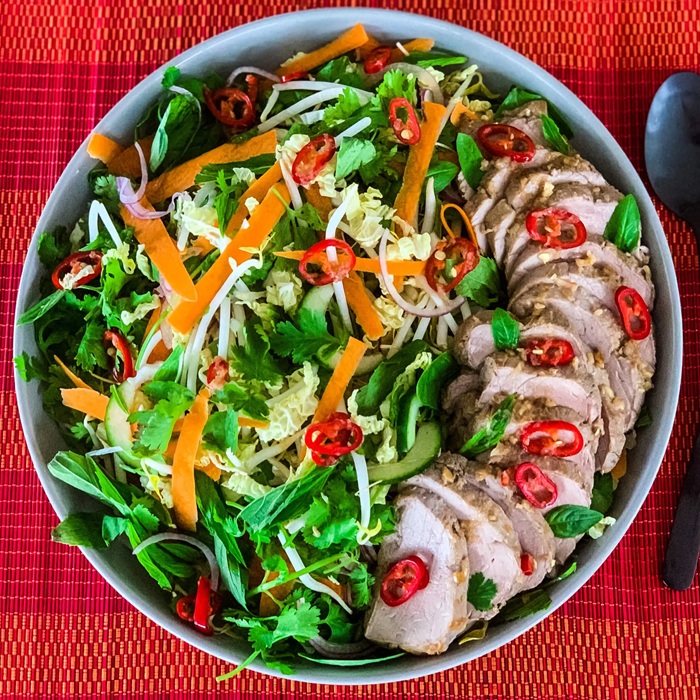
step 1 The day before: make the dressing. Put the sugar and lime juice in a pan with 1 tbsp water and bring to the boil to dissolve the sugar. Add the chilli and coriander and stir well, then pulse in a blender until smooth. Tip into a bowl, then stir in the sesame oil, fish sauce, soy sauce and sesame seeds to make a dressing. Cover and chill until needed. step 2 Two hours before serving: heat a griddle pan. Preheat the oven to 200C/gas 6/fan 180C. Brush the pork with oil and griddle on all sides for a few minutes until seared. Transfer to a baking tray and put in the oven for about 10-12 minutes until cooked through. Cool, thinly slice against the grain of the meat. Tip into a bowl and pour over half the dressing. step 3 To serve: toss the remaining salad ingredients in a bowl with the remaining dressing. Pile on to a platter, top with the pork slices and spoon over any juices.
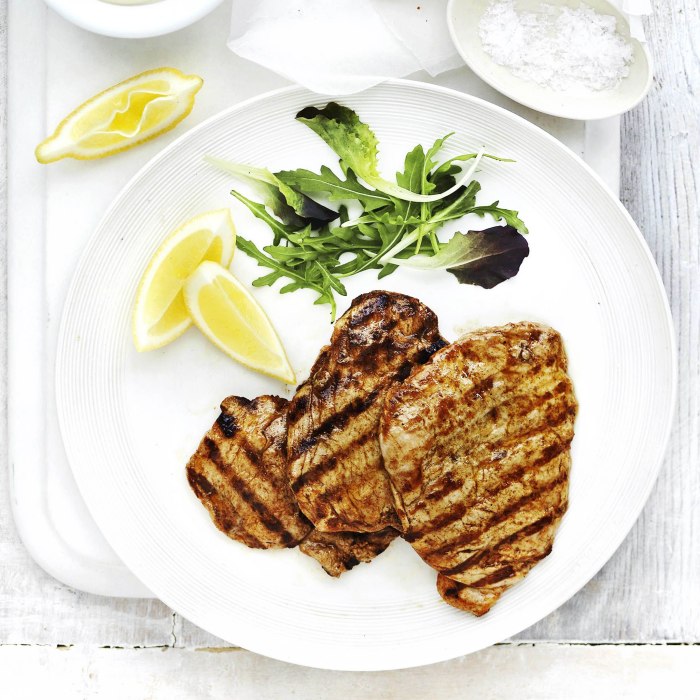
STEP 1 Cut the tenderloins into 5 equal-size pieces leaving the tail ends a little longer. Take a clear plastic bag and slip one of the pieces in. Bash it into an escalope the size of a side-plate with a rolling pin and repeat with the remaining pieces. STEP 2 Put the wine, paprika, some salt and pepper and the juice of ½ a lemon in a bowl and add the pork. Leave to marinate for 20-30 minutes, while you get your barbecue to the stage where the coals are glowing but there are no flames. STEP 3 To make the chips, fill a basin with cool water and cut the potatoes into 3cm-thick chips. Soak them in the water for 5 minutes and then change the water. Leave for 5 more minutes. Drain and then pat dry on a towel or with kitchen paper. STEP 4 Heat the oil in a deep fryer or a deep heavy-based pan with a lid to 130C and lower the chips into the oil (in batches). Blanch for 8-10 minutes. Remove from the oil and drain well. Place on a tray to cool. Reheat the oil to 180C (make sure it’s hot or your chips will be soggy) and lower the basket of chips into the oil (again, do this in batches). Leave to cook for 2 minutes and then give them a little shake. Cook for another minute or so until they are well coloured and crisp to the touch. Drain well for a few minutes, tip into a bowl and sprinkle with sea salt. STEP 5 The pork will cook quickly so do it in 2 batches. Take the pieces out of the marinade, rub them with oil, and drop them onto the barbecue (you could also use a chargrill). Cook for 1 minute on each side – they may flare up as you do so. This should really be enough time as they will keep on cooking. Take them off the barbecue and pile onto a plate. Repeat with the remaining batch. STEP 6 Serve by piling a plate with chips, drop the pork on top of each pile and pouring the juices from the plate over so the chips take up the flavours. Top with a spoon of mayonnaise and a wedge of lemon.

step 1 To make the filling, heat the olive oil in a pan until it starts to shimmer. Add the leek and sauté until soft but not coloured. Stir in the ham with a wooden spoon, fry for 1 min, then stir in the flour and fry over a medium heat, stirring occasionally, until the mixture is golden but not burnt – this will take about 5 mins. step 2 Meanwhile, combine the stock and milk in a small pan and heat until steaming but not boiling. Season with a few scrapes of nutmeg. Gradually add the liquid, a few tbsp at a time, stirring constantly. step 3 Once you’ve incorporated all the milk stock, continue to cook the filling over a medium heat for about 10 mins or until it thickens and leaves the sides of the pan when you stir it. step 4 Season with black pepper, taste and adjust the salt if necessary – the ham can be very salty to start with. The filling is now done: it has to be really thick because you don’t want the croquetas to turn into pancakes. step 5 Smooth the mixture onto a baking tray (30 x 20cm is fine). Once it has stopped steaming, cover with cling film to stop it drying out. Leave to cool before putting it in the fridge for 1 hr. step 6 When you're ready for the next stage, line up three bowls: the first filled with the flour, the second with beaten egg and the third with breadcrumbs. Take the ham mixture out of the fridge. Put a little bit of olive oil on your hands to make it easier to roll the croquetas. step 7 Roll a spoonful of the mixture between your palms. The size and shape of the croquetas is up to you, but the easiest is a walnut-sized ball. Then begin coating as follows. step 8 Dunk the croquetas into the flour – you want a dusting – followed by the egg, then the breadcrumbs. Put them on a tray and, when you’ve used up all the mixture, place in the fridge for 30 mins. step 9 If you have a deep-fat fryer, heat the oil to 180C and fry for a couple of mins. If not, heat the oil in a deep, heavy-bottomed saucepan until
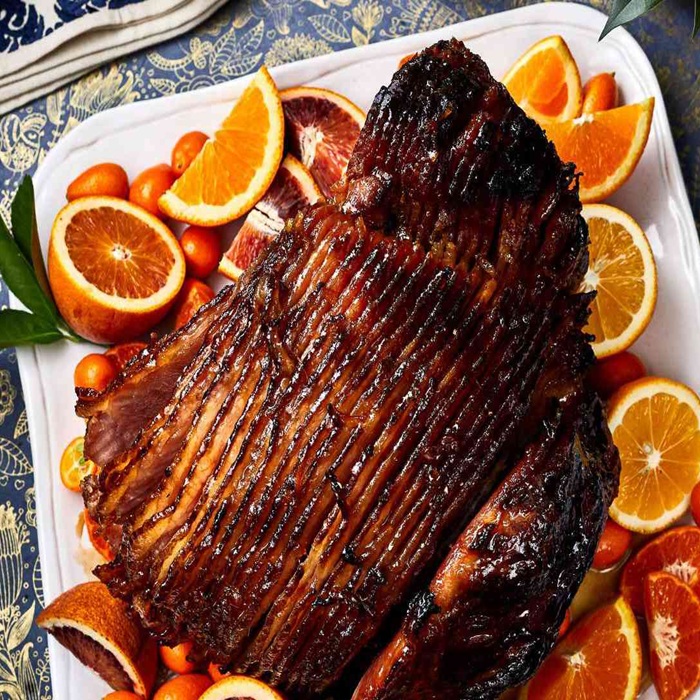
step 1 Heat the oven to 200C/180C fan/gas 6. Bash the garlic, sage, lemon zest, salt and pepper together using a pestle and mortar until the mixture becomes a paste. Stir in the oil, then spread the mixture over the pork shoulder, avoiding the skin on top. Score the skin using a sharp knife, then rub a large pinch of salt into the skin. Tie the pork together using kitchen string. step 2 Line a large baking tray with a double layer of foil and put the pork on top, skin-side up. Bring the sides of the foil up around the pork to create a parcel, then pour the wine into the tray around the sides. Transfer to the oven and reduce the temperature to 140C/120C fan/gas 1. Roast for 4-5 hrs, or until a meat thermometer inserted into the thickest part of the pork reads 70C. step 3 Turn the oven up to 240C/220C fan/gas 9. Carefully spoon the pork roasting juices from the pan into a saucepan and cook over a medium heat for 10-15 mins, or until reduced by a third. Season to taste. step 4 Meanwhile, arrange the foil around the meat so only the skin is exposed, then return to the oven for 10-15 mins until the skin is puffed up and browned all over. Leave to rest for 20 mins before slicing. Serve with the sauce drizzled over.
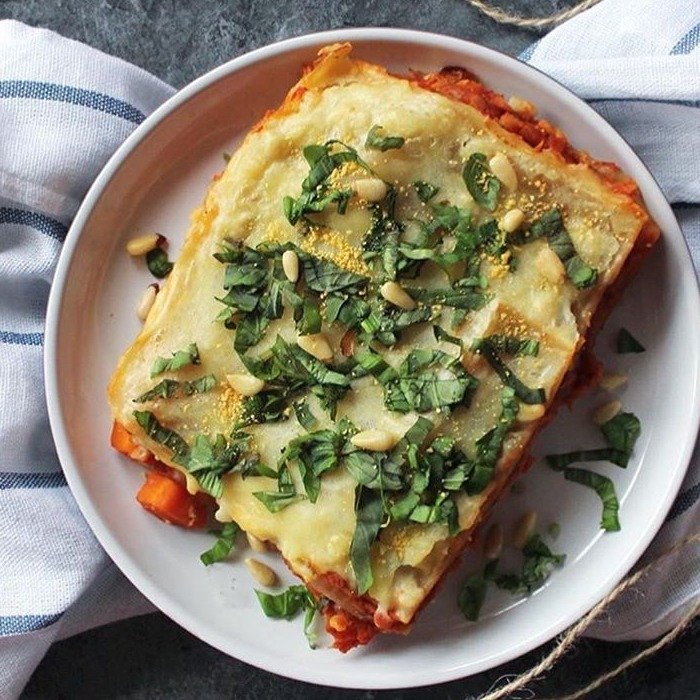
1) Preheat oven to 180 degrees celcius. 2) Boil vegetables for 5-7 minutes, until soft. Add lentils and bring to a gentle simmer, adding a stock cube if desired. Continue cooking and stirring until the lentils are soft, which should take about 20 minutes. 3) Blanch spinach leaves for a few minutes in a pan, before removing and setting aside. 4) Top up the pan with water and cook the lasagne sheets. When cooked, drain and set aside. 5) To make the sauce, melt the butter and add the flour, then gradually add the soya milk along with the mustard and the vinegar. Cook and stir until smooth and then assemble the lasagne as desired in a baking dish. 6) Bake in the preheated oven for about 25 minutes.
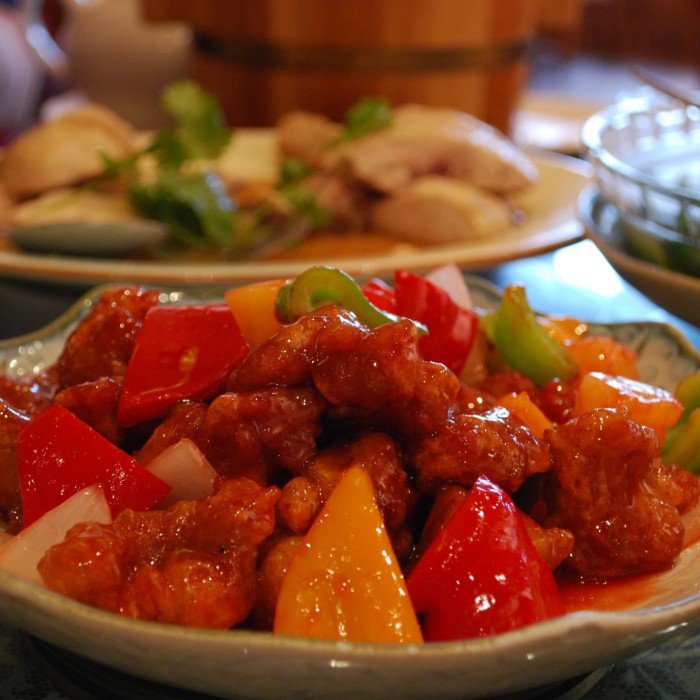
Preparation 1. Crack the egg into a bowl. Separate the egg white and yolk. Sweet and Sour Pork 2. Slice the pork tenderloin into strips. 3. Prepare the marinade using a pinch of salt, one teaspoon of starch, two teaspoons of light soy sauce, and an egg white. 4. Marinade the pork strips for about 20 minutes. 5. Put the remaining starch in a bowl. Add some water and vinegar to make a starchy sauce. Sweet and Sour Pork Cooking Instructions 1. Pour the cooking oil into a wok and heat to 190°C (375°F). Add the marinated pork strips and fry them until they turn brown. Remove the cooked pork from the wok and place on a plate. 2. Leave some oil in the wok. Put the tomato sauce and white sugar into the wok, and heat until the oil and sauce are fully combined. 3. Add some water to the wok and thoroughly heat the sweet and sour sauce before adding the pork strips to it. 4. Pour in the starchy sauce. Stir-fry all the ingredients until the pork and sauce are thoroughly mixed together. 5. Serve on a plate and add some coriander for decoration.
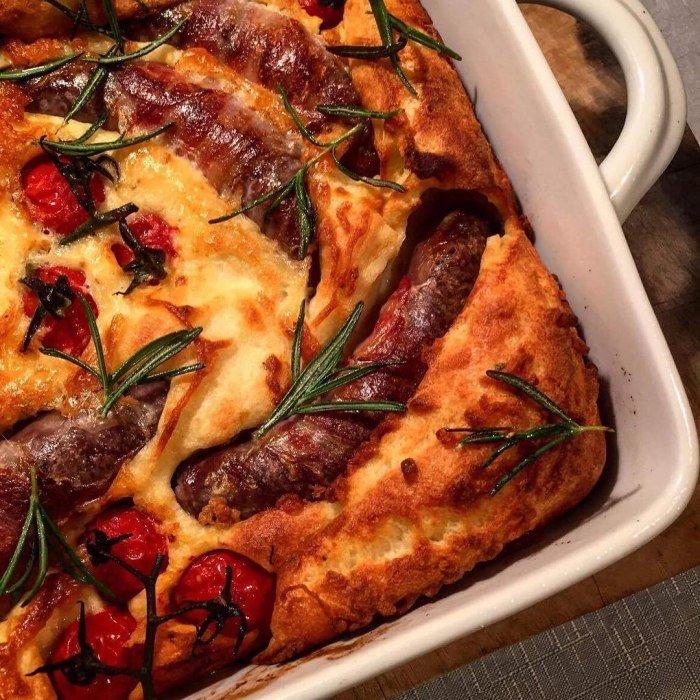
Preheat the oven to 200°C/fan180°C/gas 6. fry sausages in a non-stick pan until browned. Drizzle vegetable oil in a 30cm x 25cm x 6cm deep roasting tray and heat in the oven for 5 minutes. Put the plain flour in a bowl, crack in the medium free-range eggs, then stir in the grated horseradish. Gradually beat in the semi-skimmed milk. Season. Put the sausages into the hot roasting tray and pour over the batter. Top with cherry tomatoes on the vine and cook for 30 minutes until puffed and golden.

Preheat the oven to 200ºC. Cut the bacon or chorizo into medium pieces and the paprika into strips. Spread a little tomato sauce and mozzarella cheese on each portion of cassava. Add the bacon or chorizo, corn, turkey ham, some olives and paprika. Bake for 7 to 10 minutes. Remove from the oven and enjoy.

STEP 1 Heat the oil in a pan, fry the sliced onion until golden brown, then add the tonkatsu (see recipe here), placing it in the middle of the pan. Mix the dashi, soy, mirin and sugar together and tip three-quarters of the mixture around the tonkatsu. Sizzle for a couple of mins so the sauce thickens a little and the tonkatsu reheats. STEP 2 Tip the beaten eggs around the tonkatsu and cook for 2-3 mins until the egg is cooked through but still a little runny. Divide the rice between two bowls, then top each with half the egg and tonkatsu mix, sprinkle over the chives and serve immediately, drizzling with a little more soy if you want an extra umami kick.
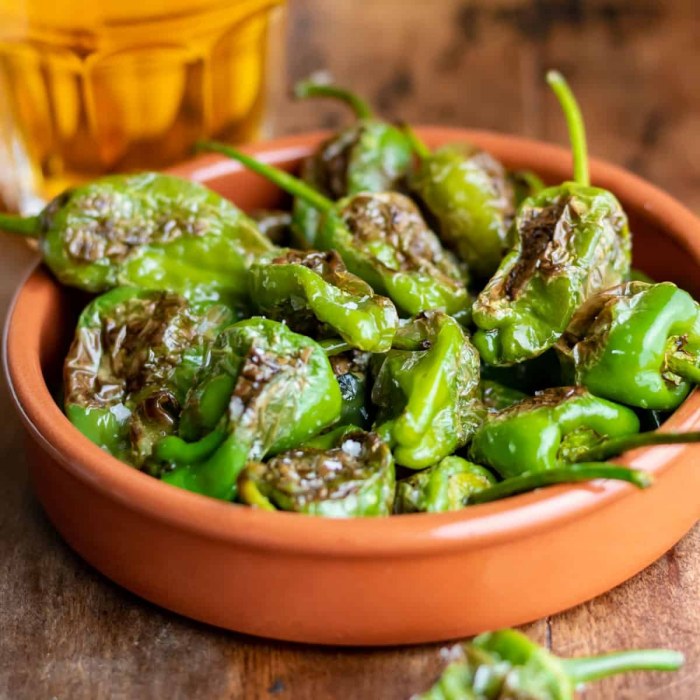
step 1 Heat the olive oil in a large frying pan over a high heat, or if using an air-fryer, heat to 205C for 3 mins. Fry the peppers, stirring frequently, for 5 mins until blistered and wilted. The peppers should be soft and slightly charred. step 2 Transfer the peppers to a serving plate and season with some sea salt. Serve with dips or as part of a tapas spread, if you like.
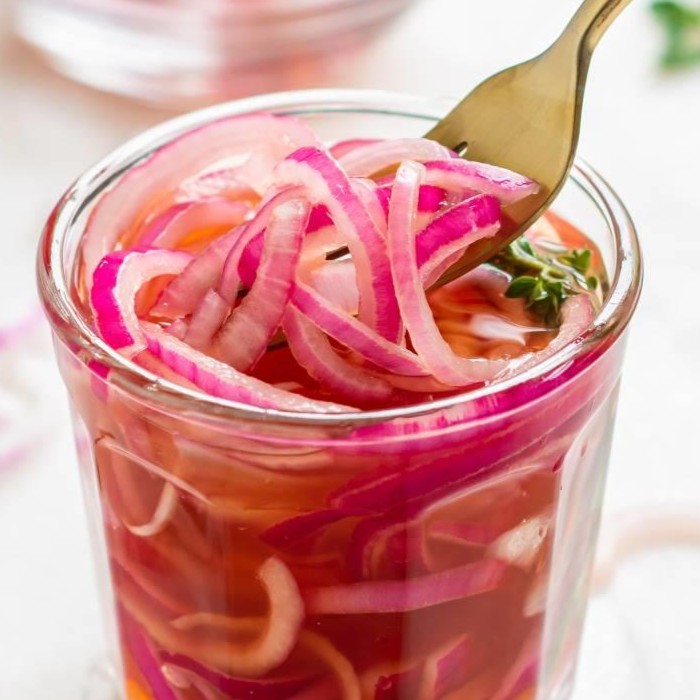
Peel the onions, cut them in half from top to bottom and finely slice into half-moon pieces. Put in a colander placed over a bowl and sprinkle with salt, lightly turning over the onion pieces with your hands so the surfaces are all covered. Set aside for an hour or so to brine. Meanwhile put the vinegar, 50ml/2fl oz water and the sugar in a saucepan. Bring to a simmer, stirring to help the sugar dissolve, and cook for a couple of minutes. Set aside. Pack the onions into the sterilised jars, sprinkling in a little pepper as you go. Cover with the warm vinegar and finish by tucking a couple of bay leaves down the side of the jars. Seal. The onions are best kept in the fridge and used within to 4 weeks.
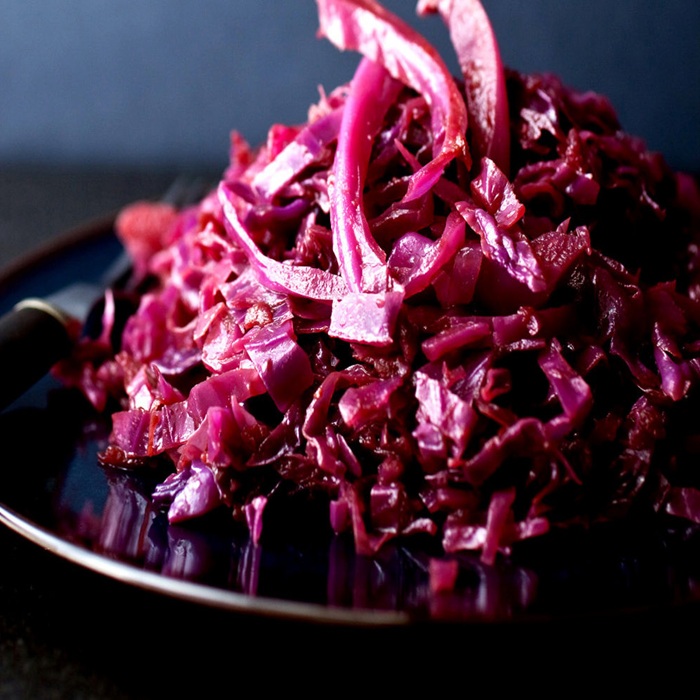
step 1 Halve the cabbage, remove the tough stem and thinly slice. Place in a large pan with all the other ingredients apart from the sausages, then mix in 300ml water and some salt and pepper. step 2 Bring to a simmer, then reduce the heat, cover with a well-fitting lid and gently cook for 1½ hrs, stirring frequently. If too dry, you can add a little more water. step 3 Add the kabanos to the cabbage mixture, place a lid on the pan and gently simmer for 20 mins. Remove the lid and cook for a further 10 mins. Serve alongside some simple mash or boiled potatoes.
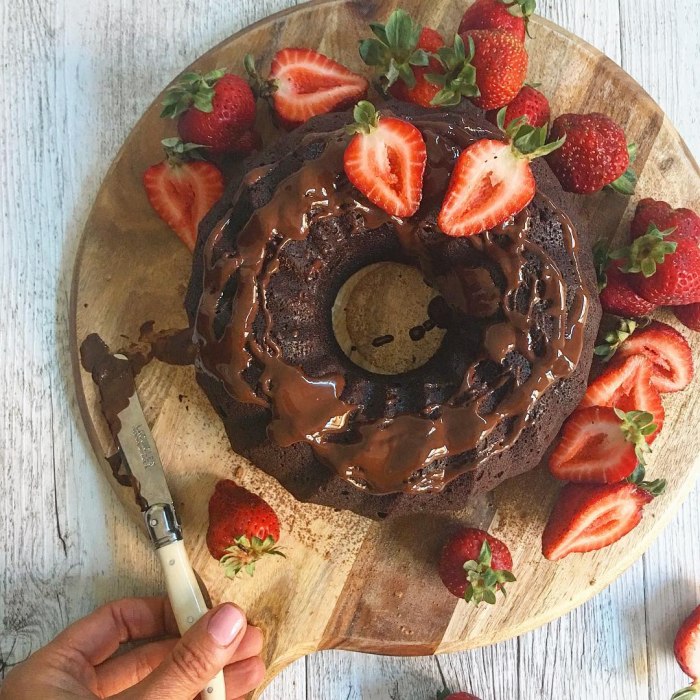
Simply mix all dry ingredients with wet ingredients and blend altogether. Bake for 45 min on 180 degrees. Decorate with some melted vegan chocolate
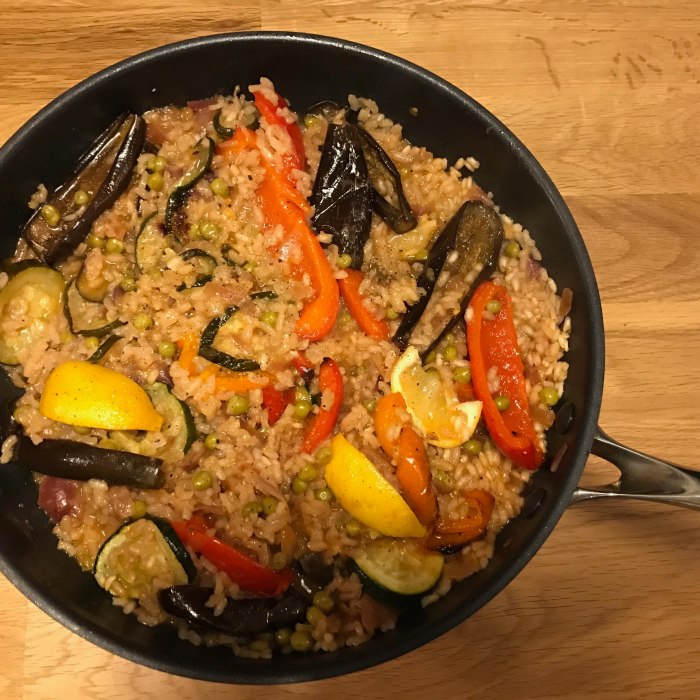
1 Put the fennel, aubergine, pepper and courgette in a roasting tray. Add a glug of olive oil, season with salt and pepper and toss around to coat the veggies in the oil. Roast in the oven for 20 minutes, turning a couple of times until the veg are pretty much cooked through and turning golden. 2 Meanwhile, heat a paella pan or large frying pan over a low– medium heat and add a glug of olive oil. Sauté the onion for 8–10 minutes until softened. Increase the heat to medium and stir in the rice, paprika and saffron. Cook for around 1 minute to start toasting the rice, then add the white wine. Reduce by about half before stirring in two-thirds of the stock. Reduce to a simmer and cook for 10 minutes without a lid, stirring a couple of times. 3 Stir in the peas, add some seasoning, then gently mix in the roasted veg. Pour over the remaining stock, arrange the lemon wedges on top and cover with a lid or some aluminium foil. Cook for a further 10 minutes. 4 To ensure you get the classic layer of toasted rice at the bottom of the pan, increase the heat to high until you hear a slight crackle. Remove from the heat and sit for 5 minutes before sprinkling over the parsley and serving.
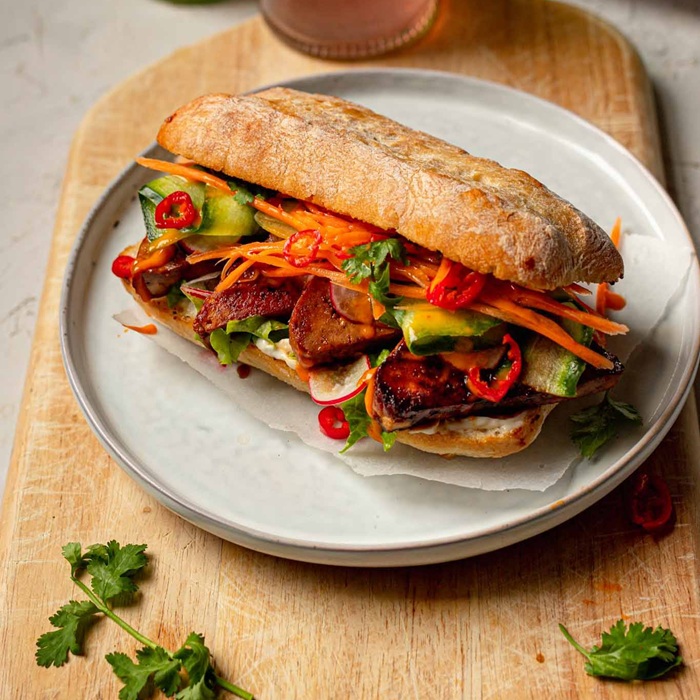
step 1 Put the shredded veg in a bowl and add the vinegar, sugar and 1 tsp salt. Toss everything together, then set aside to pickle quickly while you prepare the rest of the sandwich. step 2 Heat oven to 180C/160C fan/gas 4. Cut the baguette into four, then slice each piece horizontally in half. Put the baguette pieces in the oven for 5 mins until lightly toasted and warm. Spread each piece with a layer of hummus, then top four pieces with the tempeh slices and pile the pickled veg on top. To serve, sprinkle over the herbs and squeeze over some hot sauce, then top with the other baguette pieces to make sandwiches.