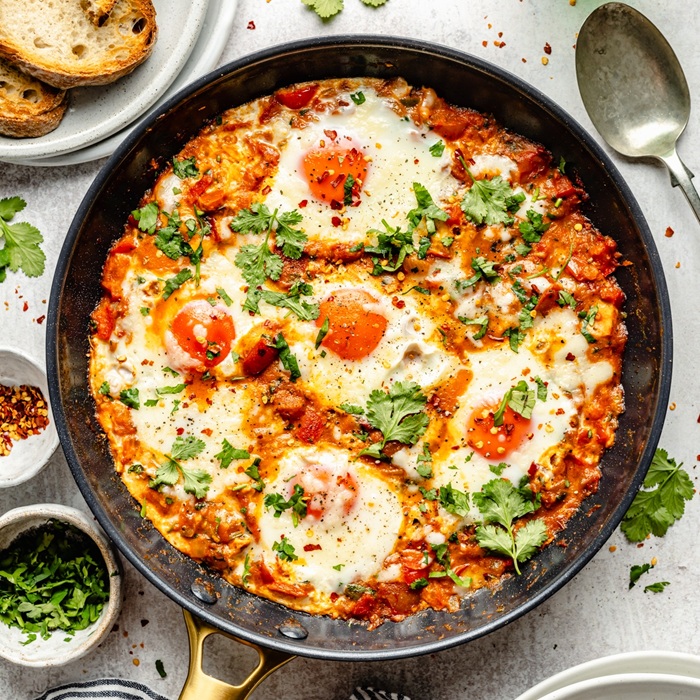
1 First, pan fry the black pepper and garlic over a dry medium heat until fragrant. 2 Add a good amount of extra virgin olive oil and infuse for a minute. 3 Once the oil heats up, add the tomatoes and salt, and cover with a lid. Simmer for 5 minutes. 4 Remove the lid and mash the tomatoes. Reduce until you reach the desired consistency of choice. 5 Make craters for the eggs and lower the heat. Carefully crack the eggs into the craters, making sure it touches the pan and not the tomato sauce. 6 Cover the eggs and leave it for 5 minutes without lifting the lid. 7 Remove from the heat and let the residual heat steam the eggs for 1-2 minutes. 8 Serve with flatbread. Enjoy!
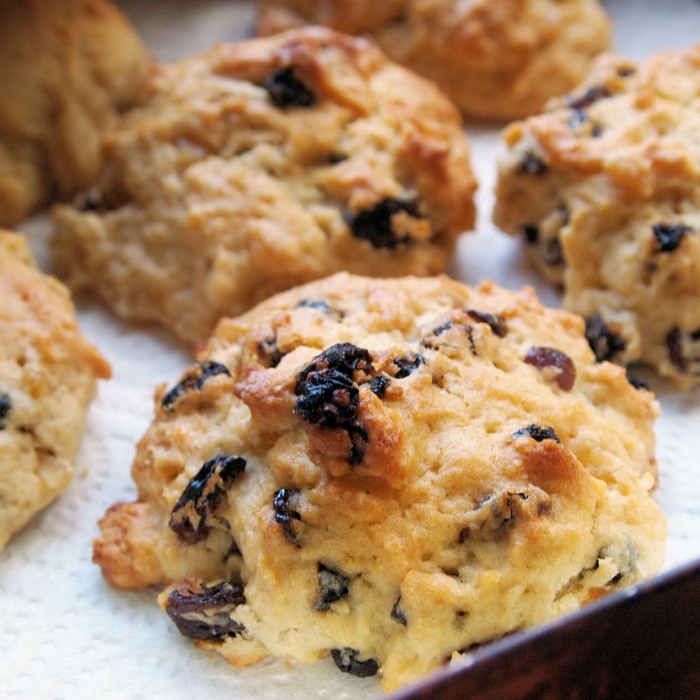
Preheat oven to 180C/350F/Gas 4 and line a baking tray with baking parchment. Mix the flour, sugar and baking powder in a bowl and rub in the cubed butter until the mixture looks like breadcrumbs, then mix in the dried fruit. In a clean bowl, beat the egg and milk together with the vanilla extract. Add the egg mixture to the dry ingredients and stir with a spoon until the mixture just comes together as a thick, lumpy dough. Add a teaspoon more milk if you really need it to make the mixture stick together. Place golfball-sized spoons of the mixture onto the prepared baking tray. Leave space between them as they will flatten and spread out to double their size during baking. Bake for 15-20 minutes, until golden-brown. Remove from the oven, allow to cool for a couple of minutes then turn them out onto a wire rack to cool.
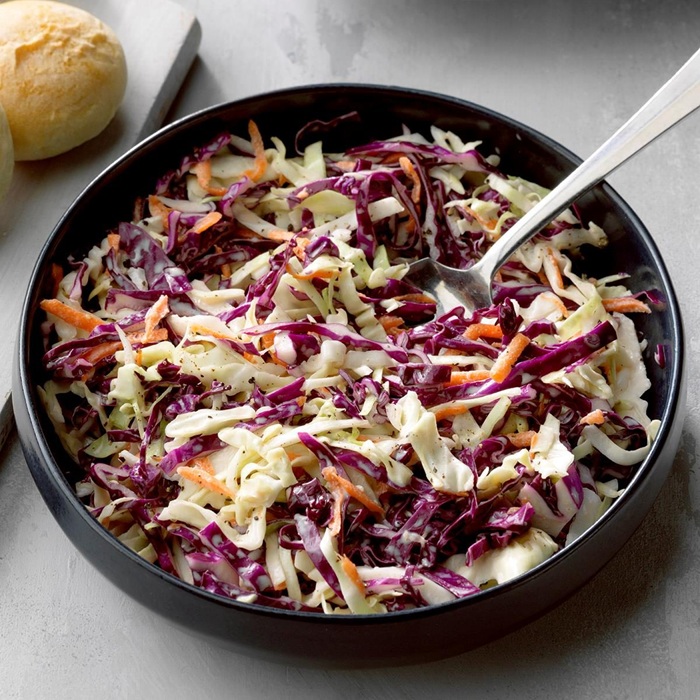
step 1 Whisk together mayonnaise, lemon zest and juice, vinegar, mustard and celery salt in a small bowl, then season generously. step 2 Add cabbage, carrots, onion and celery. Mix well and refrigerate. Can be made up to 1 day ahead.
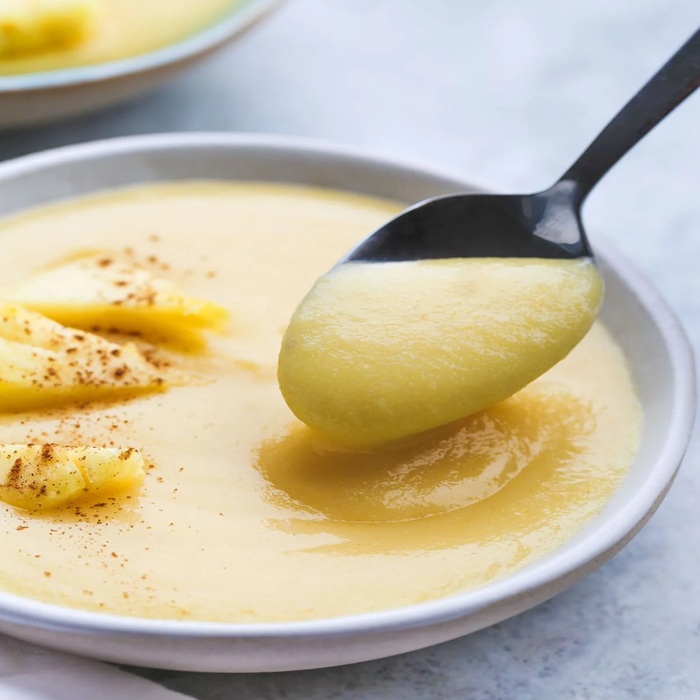
Add 2 ½ cups water, 1 can coconut milk to a 4 QT heavy bottomed pot. Bring to a boil over medium-high heat. Meanwhile, add 1 cup cornmeal and 1 ½ cup water to a large mixing cup and whisk until smooth. Once the pot begins to boil, whisk in cornmeal mixture and continue to whisk for about 1 minute, ensuring there are no lumps. Reduce heat to low and cover with a tight fitting lid. Cook over low heat for 15-20 minutes, stirring occasionally. When there is about 5 minutes left, stir in vanilla extract, cinnamon, nutmeg, and all-spice. Remove from heat and sweeten with condensed milk. Serve and enjoy.
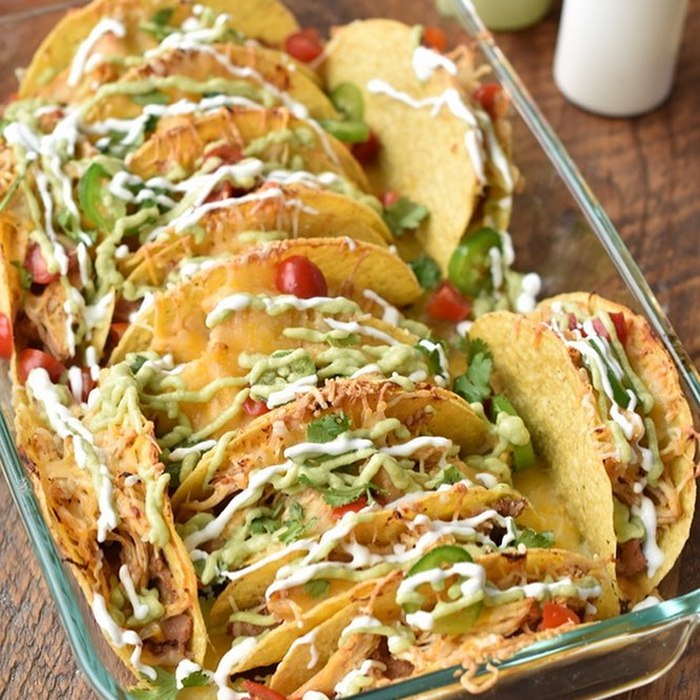
Put the uncooked chicken breasts in the crock pot. Pour the full bottle of salad dressing over the chicken. Sprinkle the rest of the ingredients over the top and mix them in a bit with a spoon. Cover your crock pot with the lid and cook on high for 4 hours. Remove all the chicken breasts from the crock pot and let cool. Shred the chicken breasts and move to a glass bowl. Pour most of the liquid over the shredded chicken. FOR THE TACOS: Make the guacamole sauce by mixing the avocado and green salsa together. Pour the guacamole mixture through a strainer until smooth and transfer to a squeeze bottle. Cut the tip off the lid of the squeeze bottle to make the opening more wide if needed. Make the sour cream sauce by mixing the sour cream and milk together until you get a more liquid sour cream sauce. Transfer to a squeeze bottle. In a 9x 13 glass baking dish, fill all 12+ tacos with a layer of refried beans, cooked chicken and shredded cheese. Bake at 450 for 10-15 minutes just until the cheese is melted and bubbling. Out of the oven top all the tacos with the sliced grape tomaotes, jalapeno and cilantro. Finish with a drizzle of guacamole and sour cream. Enjoy!

step 1 Soak the rice fl our pancakes according to pack instructions or in boiling water for 30 secs. Remove and cool on kitchen paper. Soak the rice noodles according to pack instructions, then drain and cut them into 2cm strips. step 2 Lay a rice pancake on a board and arrange some rice noodles, chicken, vegetables and herb leaves about a third of the way up, leaving a 1cm edge at the side. Fold the sides over the vegetables and then roll up lengthways to make a cigar. Store in the fridge, covered with moist kitchen paper for up to 1 day. step 3 Mix together the ingredients for the dipping sauce and put into a bowl. To serve, arrange the rolls on a plate along with the leaves and herbs. To eat, wrap each roll in a piece of lettuce with a herb sprig and dunk into the sauce.
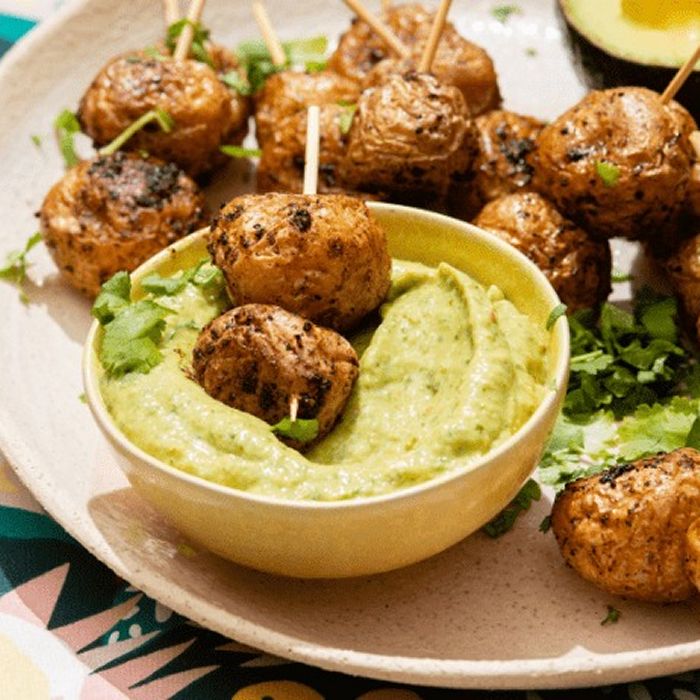
step 1 Whizz half the avocado flesh with the yogurt, lime and lemon juice and seasoning. Dice the remaining avocado, then gently stir into the whizzed mix with most of the lime zest. Cover, then chill until ready to serve. step 2 Boil potatoes for 6 mins, then drain well and toss with olive oil, chilli powder and cumin seeds. Now set aside until half an hour before your guests arrive. step 3 Heat oven to 200C/180C fan/gas 6, then roast potatoes for about 30 mins, shaking the tray halfway, until golden and tender. Transfer the dip to one or two bowls, scatter with the remaining lime zest and serve with the hot potatoes, and tortilla chips for dipping.
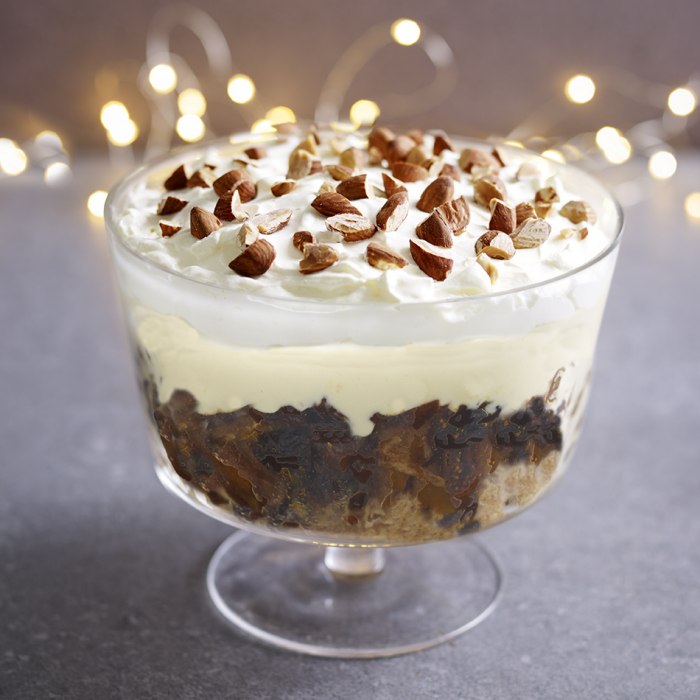
Peel the oranges using a sharp knife, ensuring all the pith is removed. Slice as thinly as possible and arrange over a dinner plate. Sprinkle with the demerara sugar followed by the Grand Marnier and set aside. Crumble the Christmas pudding into large pieces and scatter over the bottom of a trifle bowl. Lift the oranges onto the pudding in a layer and pour over any juices. Beat the mascarpone until smooth, then stir in the custard. Spoon the mixture over the top of the oranges. Lightly whip the cream and spoon over the custard. Sprinkle with the flaked almonds and grated chocolate. You can make this a day in advance if you like, chill until ready to serve.
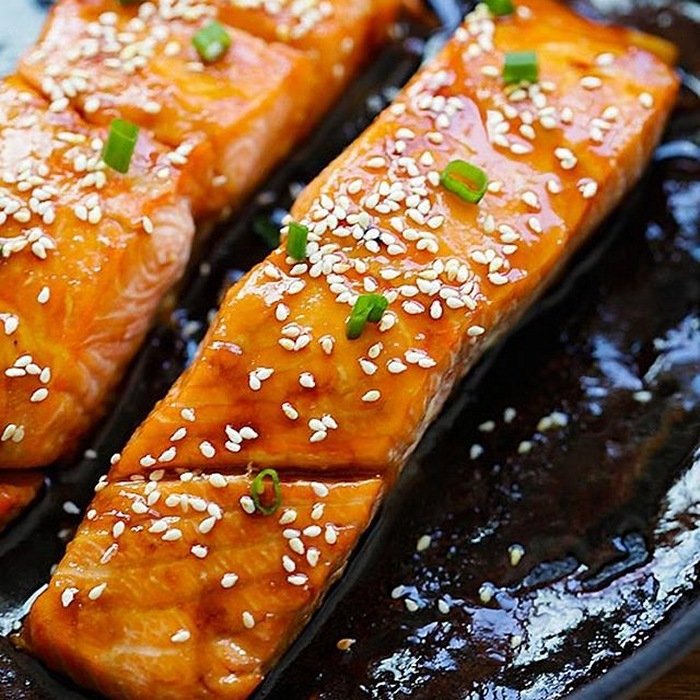
Mix all the ingredients in the Honey Teriyaki Glaze together. Whisk to blend well. Combine the salmon and the Glaze together. Heat up a skillet on medium-low heat. Add the oil, Pan-fry the salmon on both sides until it’s completely cooked inside and the glaze thickens. Garnish with sesame and serve immediately.
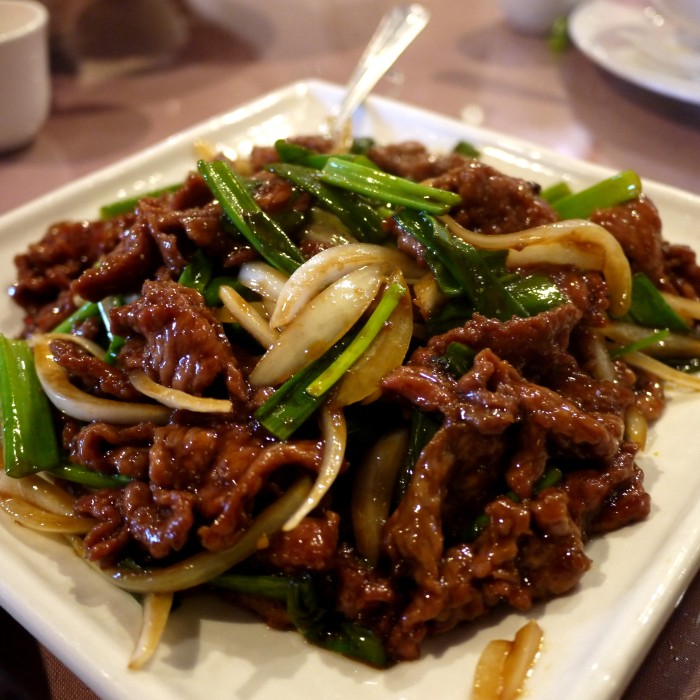
STEP 1 - MARINATING THE BEEF In a bowl, add the beef, salt, sesame seed oil, white pepper, egg white, 2 Tablespoon of corn starch and 1 Tablespoon of oil. STEP 2 - STIR FRY First Cook the beef by adding 2 Tablespoon of oil until the beef is golden brown. Set the beef aside In a wok add 1 Tablespoon of oil, minced ginger, minced garlic and stir-fry for few seconds. Next add all of the vegetables and then add sherry cooking wine and 1 cup of water. To make the sauce add oyster sauce, hot pepper sauce, and sugar. add the cooked beef and 1 spoon of soy sauce To thicken the sauce, whisk together 1 Tablespoon of cornstarch and 2 Tablespoon of water in a bowl and slowly add to your stir-fry until it's the right thickness.
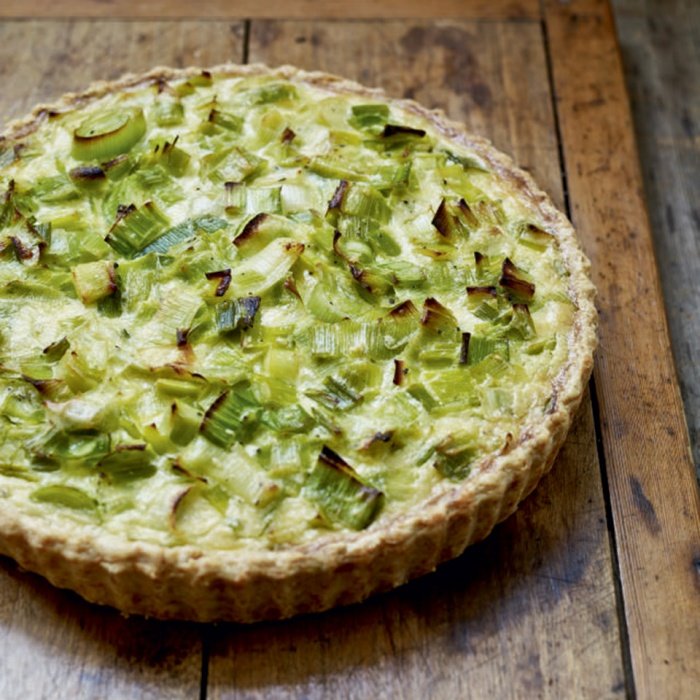
For the pastry, sift the flour and salt into the bowl of a food processor, add the butter and lard, then whizz together briefly until the mixture looks like fine breadcrumbs. Tip the mixture into a bowl, then stir in the cheese and enough of the water for the mixture to come together. Tip out onto a lightly floured surface and knead briefly until smooth. Roll out thinly and line a 23cm x 4cm loose-?bottomed fluted flan tin. Prick the base with a fork. Chill for 20 minutes. 02.Melt the 75g butter in a saucepan over a low heat, then add the leeks and the salt. Cover and cook for ?10 minutes until soft. Uncover the pan, increase the heat and cook ?for 2 minutes, stirring occasionally, until the liquid has evaporated. Spoon onto a plate and leave to cool. 03.Preheat the oven to 200°C/fan180°C/gas 6. Line the pastry case with baking paper and baking beans or rice and blind bake for 15-20 minutes until the edges are biscuit-coloured. Remove the paper and beans/rice and return the case to the oven for 7-10 minutes until the base is crisp and lightly golden. Remove and set aside. Reduce the oven temperature to 190°C/fan170°C/gas 5. 04.Put the crème fraîche into a bowl with the whole egg, egg yolks and nutmeg. Lightly beat together, then season. Stir in the leeks. Spoon ?the mixture into the tart case and bake for 35-40 minutes until set ?and lightly golden. Remove from ?the oven and leave for 10 minutes. Take out of the tin and serve.
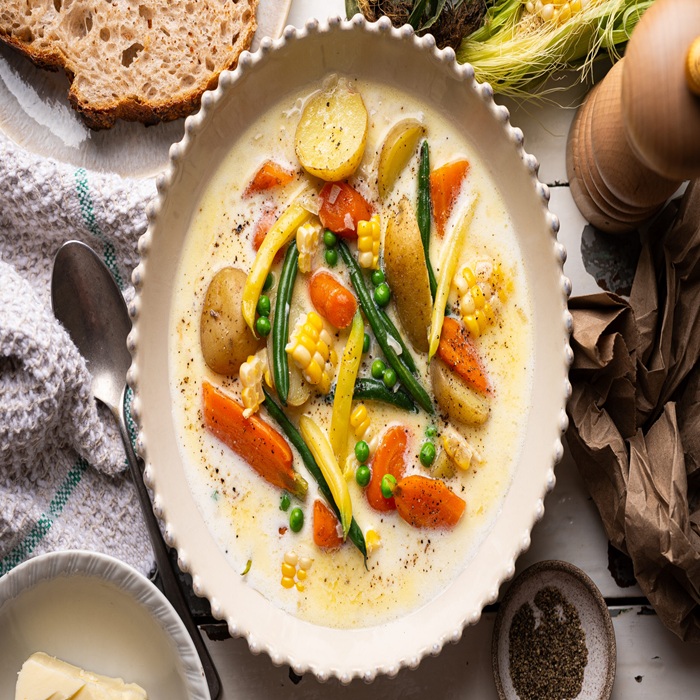
First, cook your vegetables. Bring a large pot of salted water to boil. Par-cook carrots and potatoes for five minutes until carrots and potatoes are fork tender, then blanch the peas and beans for about a minute in the same pot. Strain vegetables and set aside. In a heavy-bottomed pot or Dutch oven, melt butter over medium heat, add vegetables, and cook to warm through. Add milk and cream and bring the soup to a boil. Turn the heat down to low and season with salt and pepper. Add dill and chives and let simmer for at least 10 minutes. Serve warm.
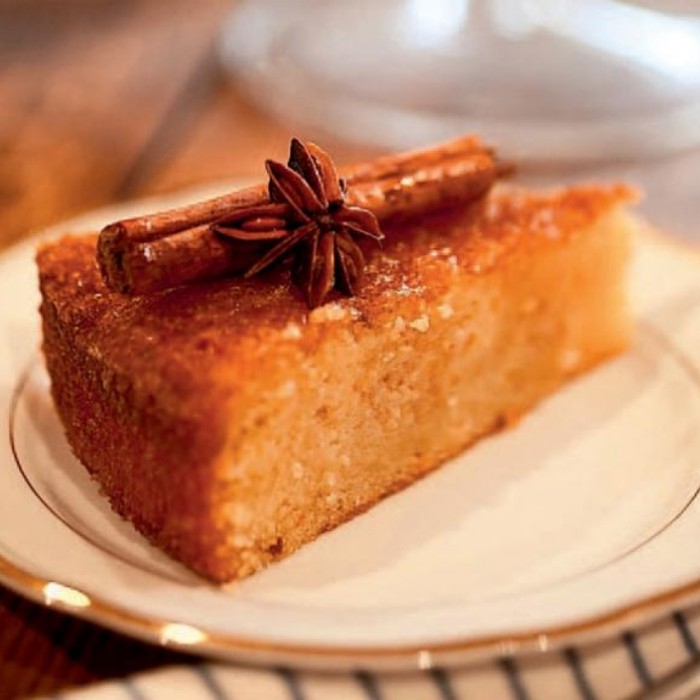
Preheat oven to 190 C / Gas 5. Grease a 23cm round springform tin. Cut off the hard bits from the top and bottom of the orange. Slice the orange and remove all seeds. Puree the orange with its peel in a food processor. Add one third of the sugar and the olive oil and continue to mix until well combined. Sieve together flour and baking powder. Beat the eggs and the remaining sugar with an electric hand mixer for at least five minutes until very fluffy. Fold in half of the flour mixture, then the orange and the vanilla, then fold in the remaining flour. Mix well but not for too long. Pour cake mixture into prepared tin and smooth out. Bake in preheated oven for 20 minutes. Reduce the oven temperature to 160 C / Gas 2 and bake again for 30 minutes Bake until the cake is golden brown and a skewer comes out clean. Cool on a wire cake rack.
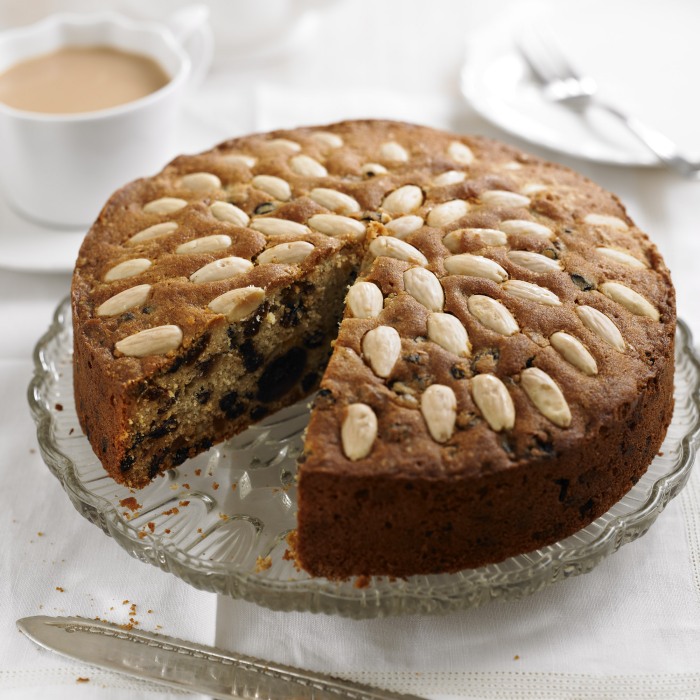
Put the almonds into a small bowl and pour over boiling water to just cover. Leave for 5 mins then drain in a sieve and leave to dry. Preheat the oven to 180C/160 C fan/Gas Mark 4. Line a deep loose-based 20cm cake tin with baking parchment. Put the butter in a large bowl and beat well until soft. Add the sugar and beat until light and fluffy. Stir in the orange zest and apricot jam. Sieve together the flour and baking powder. Add the eggs to the creamed butter and sugar, a little at a time, beating well between each addition. If the mixture starts to curdle, stir in a little flour. Add the remaining flour and ground almonds and mix well. Mix in the milk and then add the dried fruit and cherries and mix gently together. Spoon the mixture into the prepared tin and spread level using the back of a spoon. Arrange the whole almonds close together in neat circles on the top of the cake. Bake in the oven for 45 mins. Lower the oven temperature to 160C/140 C fan/Gas Mark 3 and cook for a further 60–80 minutes. Check the cake after 50 minutes by inserting a wooden or metal skewer into the cake. When it’s done it should have just a few crumbs attached. Check every 10 minutes - it’s important not to overcook this cake so the centre will be a little soft. When cooked, remove the cake briefly from the oven, put the milk and sugar into a small pan and heat gently until the sugar has dissolved. Brush over the top of the cake and return the cake to the oven for 2-3 mins. Remove and allow the cake to cool in the tin. When quite cold remove from the tin and wrap in foil and keep for at least 2 days before cutting.
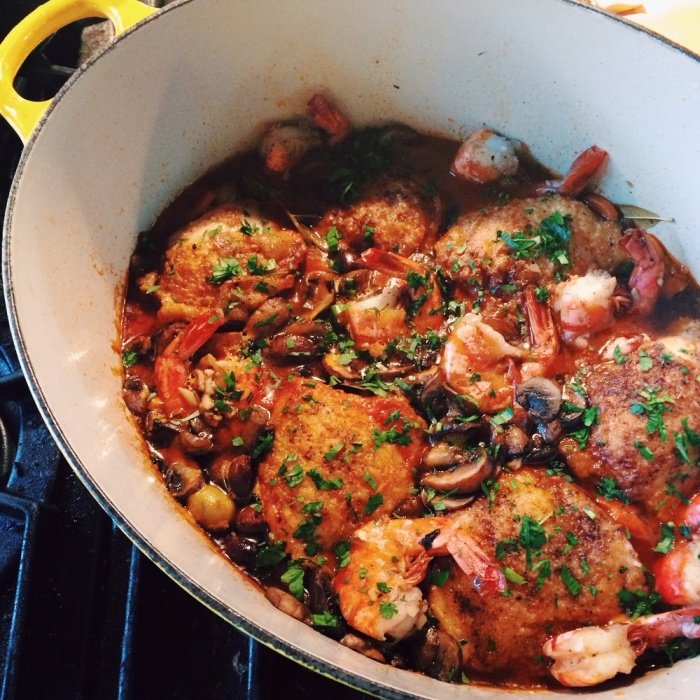
Heat the oil in a large flameproof casserole dish and stir-fry the mushrooms until they start to soften. Add the chicken legs and cook briefly on each side to colour them a little. Pour in the passata, crumble in the stock cube and stir in the olives. Season with black pepper – you shouldn’t need salt. Cover and simmer for 40 mins until the chicken is tender. Sprinkle with parsley and serve with pasta and a salad, or mash and green veg, if you like.
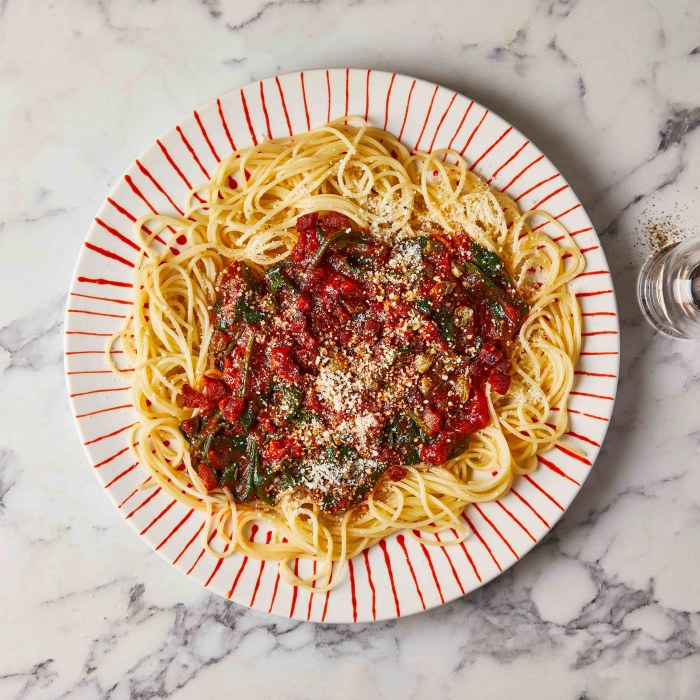
step 1 Put a pan of water on over a high heat to boil. Meanwhile, snip the chorizo into strips with scissors, and chop the parsley and peppers (check for stray seeds first). step 2 When the water is boiling briskly, add the spaghetti with a good measure of salt, stir and return to the boil. Cook for 3 minutes. step 3 In a large frying pan, heat the oil, add the chorizo and peppers and plenty of black pepper. Cook for a minute or so, until heated through and the juices are stained red from the paprika in the chorizo. Scoop half a mugful of pasta water from the pan, drain the remainder and tip the spaghetti into the frying pan. step 4 Add the parsley and parmesan, toss well and splash in the pasta water, to moisten. Hand round extra parmesan at the table.
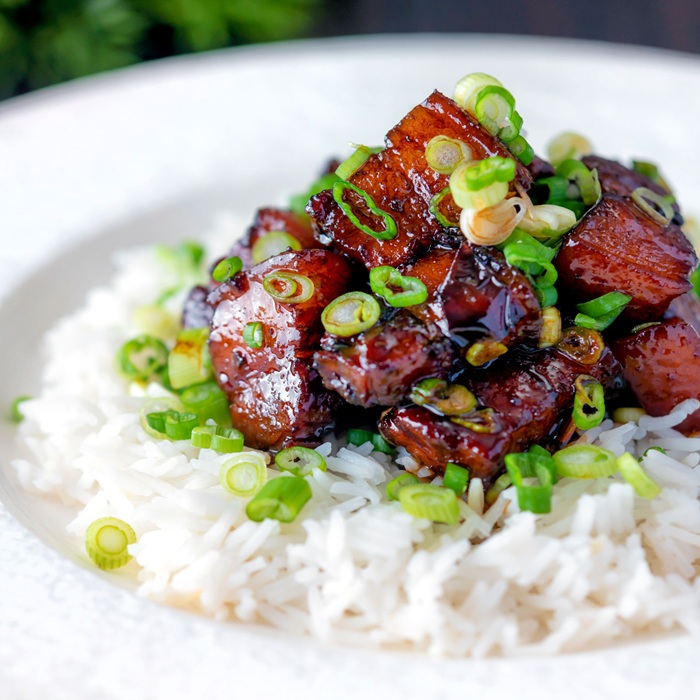
step 1 Heat 1 tbsp of the oil in a wok over a high heat and stir-fry the pork in batches until browned all over. Remove with a slotted spoon and set aside. step 2 Turn the heat right down and add the remaining oil, then stir in the shallots, ginger and chilli. Cook over a low heat for a couple of mins until just starting to soften. Add the sugar, fish sauce and 200ml water to the pan and stir everything together. Bring to the boil, stirring, so that the sugar dissolves, then return the pork to the pan. Bubble vigorously for 8-10 mins until the sauce thickens to coat the meat and become glossy. Taste and stir in a little more fish sauce, if needed, along with the chilli sauce. Sprinkle with the spring onions and serve with steamed rice and pak choi.
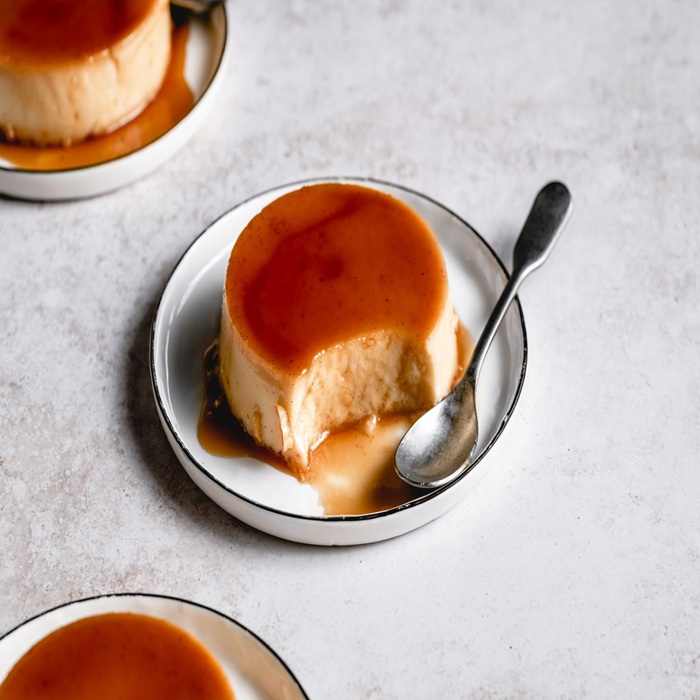
For the caramel place 100 grams of sugar in a frying pan without any fat and melt on medium heat. Try not to stir with a spoon, but swirl the pan itself. Let melt until you have an amber color and sugar is fully melted. Fill the bottom of four flan containers with it. Caramel will harden immediately, so you need to be fast. My containers yield about 120 milliliters each. 2 Preheat oven to 150 degrees Celsius and look for a casserole or container all your four flan containers fit into. 3 Heat milk with 45 grams of sugar and the cut and scraped out vanilla pod. The milk does not need to boil, just needs to be heated. Take out vanilla pod after a few minutes. Meanwhile stir the egg yolks and eggs gently, try not to incorporate any air in it. Them pour milk-mix into egg-mix and again only stir very gently. Pour into prepared flan containers and place these into your casserole or container. Boil water and pour the water into the large casserole. Be sure not to touch the flan mixture. Place on middle rack in the oven and let bake for about 35-40 minutes. An inserted toothpick should come out clean. 4 Let cool inside the container for an hour before transferring to the fridge. Chill overnight. The next day gently release the rim and then turn upside down on a plate. Serve with some dulce de leche on the side.
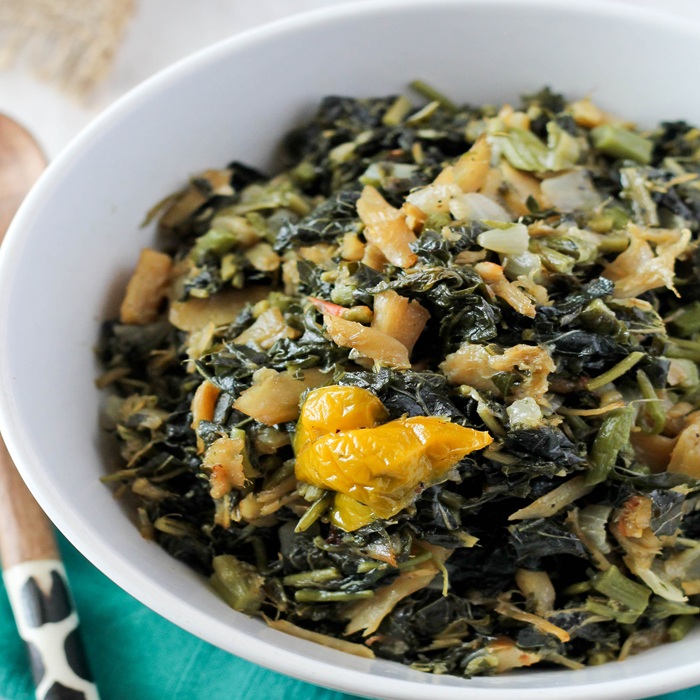
Soak salted fish in water overnight. Next, heat salted fish in water on stove until water boils. You should see a foam on top. Remove from heat and drain. Set aside and shred salted fish once it cools. Cook bacon in skillet over medium heat until crispy. Remove bacon from heat and drain the majority of the bacon grease, leaving about 1 tablespoon in the skillet. Add yellow onion, green onion, scotch bonnet pepper, and garlic to the skillet and stir. Cook for about 2 minutes or until onions soften. Add salted fish to skillet and stir. Cook for about a minute. Next, add callaloo, roma tomatoes, thyme, and black pepper. Stir to combine and cook until heated through, about 2 minutes. Enjoy

Preheat the oven to 350 °F (180 °C) and line a large baking sheet with parchment paper. In a stand mixer with the paddle attachment, cream the butter, white sugar and egg until combined, then add the molasses and vanilla and mix until smooth. Once combined, add the baking soda water mixture and mix for another minute to combine. Combine dry ingredients; mix baking powder, cinnamon, flour and salt in a separate bowl then add to the wet ingredients a little at a time, mixing on low until fully combined and scraping down the sides to ensure everything is incorporated. The dough should be easily shaped. Portion dough with a small spoon, roll them into balls and place them on the lined cookie sheet, press them into flat discs using a floured glass or your moistened palm. Place cookies on parchment-lined baking sheets and bake for 10-12 mins. Remove from the oven and let them cool for at least 10 minutes. Once cooled the cookie sandwiches by spreading at least two teaspoons of your favourite jam between the two cookies. Repeat and enjoy with a cup of tea.
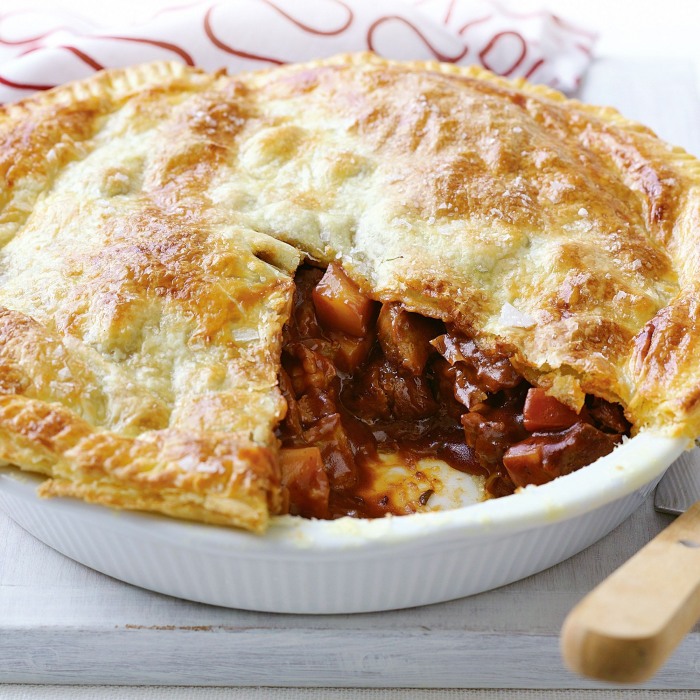
Dust the meat with flour to lightly coat. Heat enough vegetable oil in a large saucepan to fill the base, and fry the onion and meat until lightly browned. Season with salt and pepper. Add the carrots, stock and more seasoning to taste. Bring to the boil, cover and reduce the heat to a simmer. Simmer for at least an hour or until the meat is tender. Take your time cooking the meat, the longer you leave it to cook, the better the flavour will be. Preheat the oven to 180C/350F/Gas 4. Add the drained potato cubes to the lamb. Turn the mixture into a pie dish or casserole and cover with the shortcrust pastry. Make three slits in the top of the pastry to release any steam while cooking. Brush with beaten egg and bake for about 40 minutes, until the pastry is golden brown. Serve.
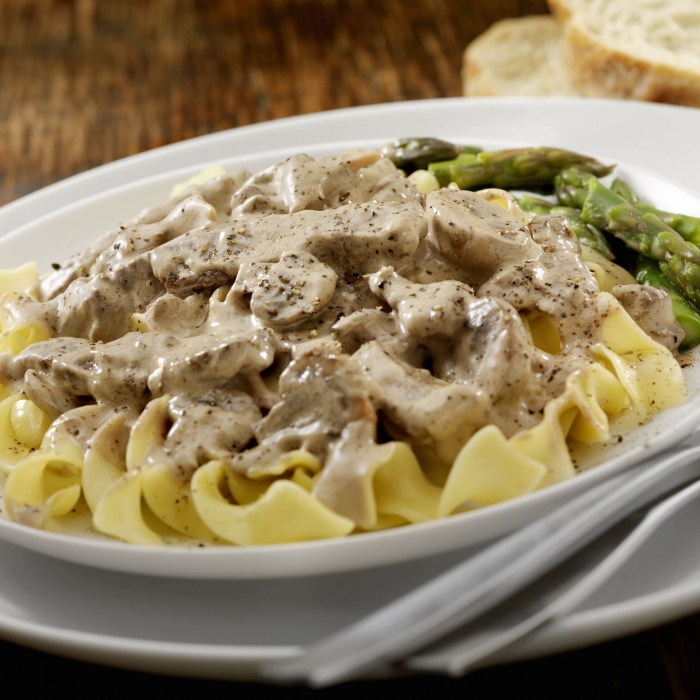
Heat the olive oil in a non-stick frying pan then add the sliced onion and cook on a medium heat until completely softened, so around 15 mins, adding a little splash of water if they start to stick at all. Crush in the garlic and cook for a 2-3 mins further, then add the butter. Once the butter is foaming a little, add the mushrooms and cook for around 5 mins until completely softened. Season everything well, then tip onto a plate. Tip the flour into a bowl with a big pinch of salt and pepper, then toss the steak in the seasoned flour. Add the steak pieces to the pan, splashing in a little oil if the pan looks particularly dry, and fry for 3-4 mins, until well coloured. Tip the onions and mushrooms back into the pan. Whisk the crème fraîche, mustard and beef stock together, then pour into the pan. Cook over a medium heat for around 5 mins. Scatter with parsley, then serve with pappardelle or rice.
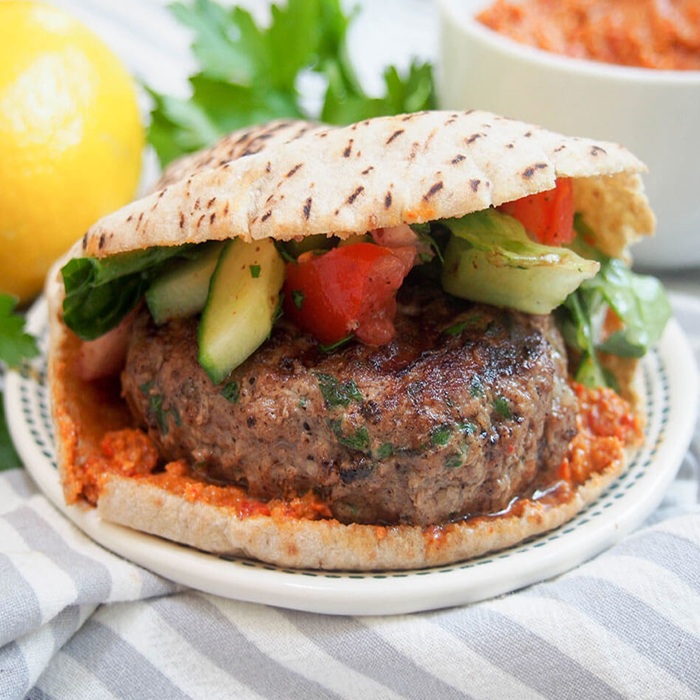
step 1 Tip the mince into a large bowl (use a clean washing-up bowl if you don’t have anything big enough) with all the other burger ingredients and a good pinch of salt. Roll up your sleeves, get your hands into the mix and squelch everything together through your fingers until completely mixed. Pat the mix into 16 small burgers. These may now be frozen for up to 1 month or chilled up to a day ahead. step 2 To cook, heat grill to its highest setting and lay the burgers in a single layer on a baking tray (you may need to do this in batches, depending on how big your tray is). Grill on the highest shelf for 5-6 mins on each side until browned and cooked through. Pile burgers onto a platter and serve with all the accompaniments, so everyone can construct their own sandwich.
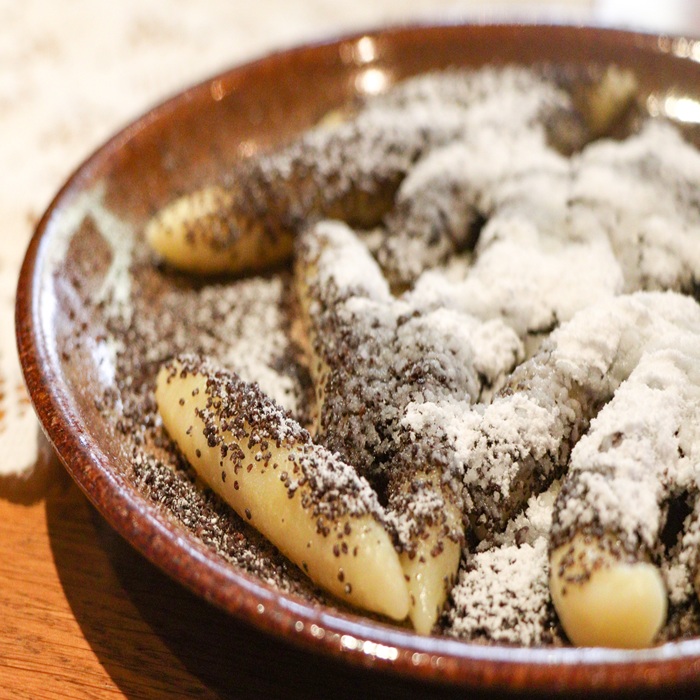
1. Prepare the Potatoes Boil the potatoes with their skins on until tender. Let them cool completely (preferably overnight), then peel and mash them finely. 2. Make the Dough In a bowl, combine mashed potatoes, flour, semolina, and salt. Knead the mixture until you get a smooth, non-sticky dough. 3. Shape the Šúĺlance Divide the dough into portions and roll each into a thin rope (about 1.5 cm in diameter). Cut into 3 cm-long pieces and roll between your palms to shape small dumplings. 4. Cook the Dumplings Bring a pot of salted water to a boil. Drop in the dumplings in batches and cook until they float to the surface (about 2-3 minutes). Drain and transfer to a bowl. 5. Prepare the Topping In a separate bowl, mix ground poppy seeds and powdered sugar. Melt the butter and keep it ready. 6. Assemble the Dish Drizzle the cooked dumplings with melted butter. Toss them in the poppy seed-sugar mixture until evenly coated. 7. Serve and Enjoy Serve warm, optionally with a dusting of extra powdered sugar or a drizzle of honey.