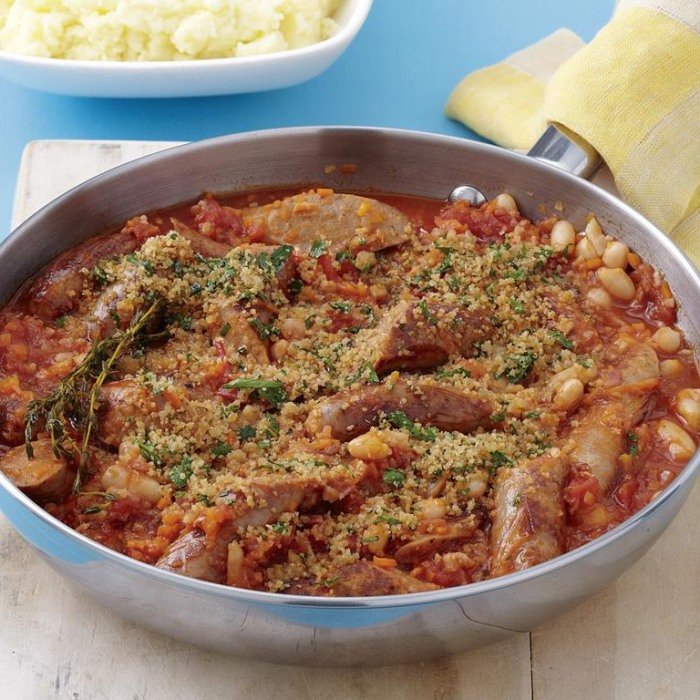
Heat oven to 140C/120C fan/gas 1. Put a large ovenproof pan (with a tight-fitting lid) on a high heat. Add your fat and diced meat, cook for a few mins to seal the edges, giving it a quick stir to cook evenly. Reduce the heat to low, add the sliced onion, whole garlic cloves, carrot and fennel seeds, and cook gently to soften the veg for a few mins. Pour over the red wine vinegar, scraping any meaty bits off the bottom of the pan. Add the stock, tomato purée, and half the rosemary and parsley. Bring to the boil and simmer for 10 mins, then season, cover with a lid and put into the oven for 2 hrs, removing the lid for the final hour of cooking. Stir occasionally and add the beans with 30 mins to go. Remove the pan from the oven and heat the grill. Scatter the top with the remaining herbs and breadcrumbs, drizzle a little oil over the top, and return to the oven for 5-10 mins, until the breadcrumbs are golden. Serve with crusty bread and green veg.
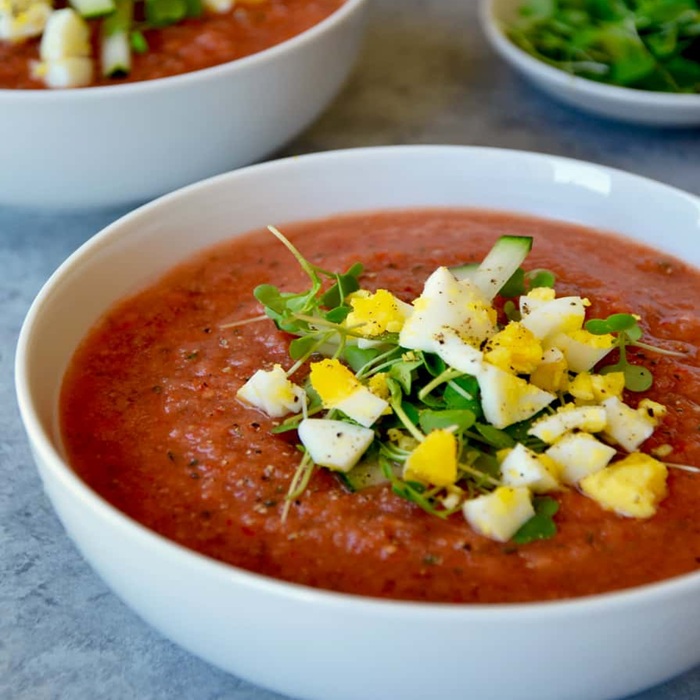
step 1 In a blender (or with a stick blender), whizz together the passata, red pepper, chilli, garlic, sherry vinegar and lime juice until smooth. Season to taste, then serve with ice cubes
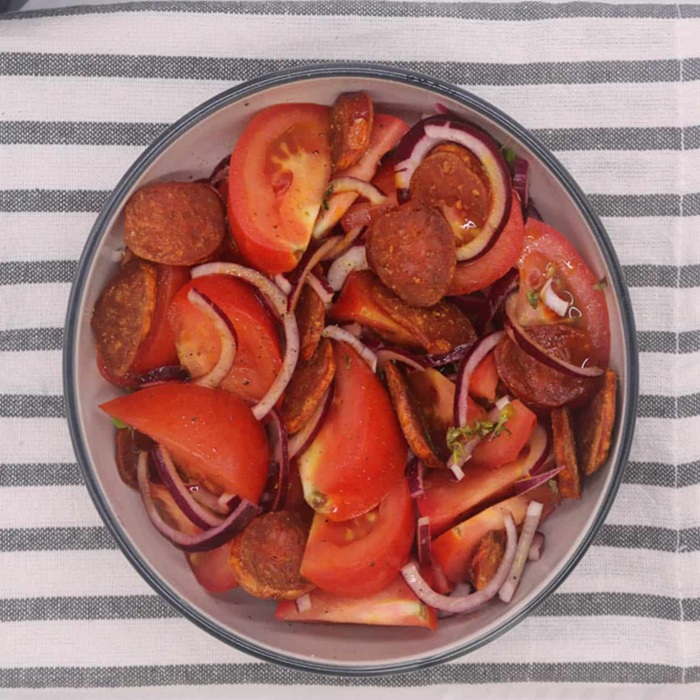
step 1 Put the tomatoes in a bowl with the onion and thyme. Season, then drizzle with the vinegar and oil. Let the flavours mingle while you cook the chorizo. step 2 In a hot, dry pan, fry the chorizo slices until browned on both sides. Serve the tomatoes with the fried chorizo, drizzled with a little oil from the pan.
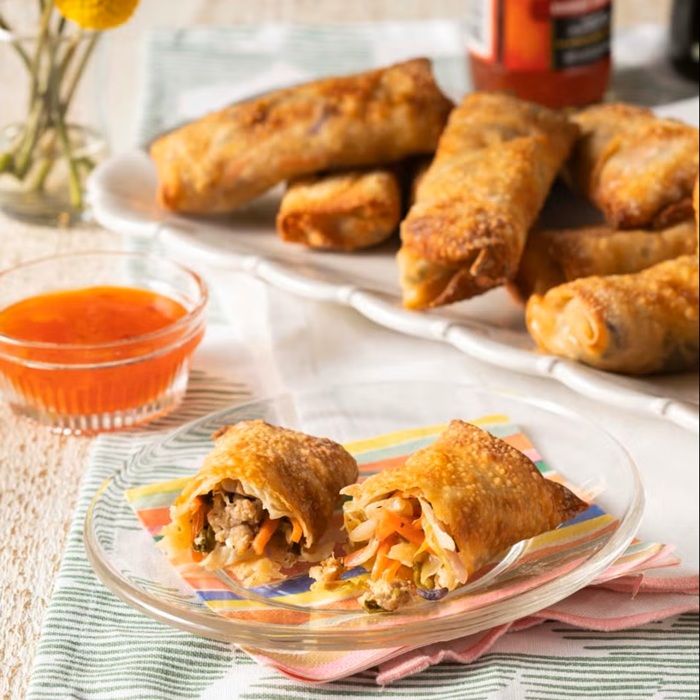
Alternative Pan Fry Method: If you don’t have access to an air fryer, you can make these egg rolls using a traditional pan fry method. Add enough oil to a medium skillet with high walls so the oil is about 1/2 inch up the side of the skillet. Heat oil on medium high heat until it reaches 350°F. Add egg rolls and fry for 3 to 4 minutes, flip, and fry for another 3 to 4 minutes until golden brown. Remove and let them drain and cool on a few paper towels. Cook the filling: In a large skillet over medium heat, add the olive oil along with the ground pork or chicken. Break apart the meat with a spatula or wooden spoon as it cooks. Cook until the meat is cooked through, 6 to 8 minutes. Add garlic, ginger, carrot, scallions, and cabbage. Continue to cook until cabbage wilts down and is soft, another 3 to 4 minutes, stirring regularly. Season the filling with soy sauce and rice wine vinegar, and take off the heat to cool. (This filling can be made in advance.) Assemble the egg rolls: Place a single egg roll wrapper on a dry surface with one point of the square facing you (like a diamond). Place about 1/4 cup of the egg roll filling mixture in the middle of the wrapper. Dip your fingers in water and run around the edges of the wrapper. Then fold the edges of the wrapper over the center and start rolling the egg roll away from you to form a tight cylinder. Place on a plate and repeat until you are out of filling. You should get at least a dozen egg rolls. Air fry the egg rolls: Place the egg rolls in the basket of your air fryer. Spray or brush them lightly with oil. Add as many as you can without stacking the egg rolls, making sure they don’t touch. Air needs to circulate around them. Brush the egg rolls lightly with oil. Place the basket in the air fryer and turn the air fryer to 350°F. Cook for 6 to 7 minutes, then flip the egg rolls, spray or brush with oil a second time on the bottom side, and cook for another 4 to 5 minutes. Finished egg rolls sh
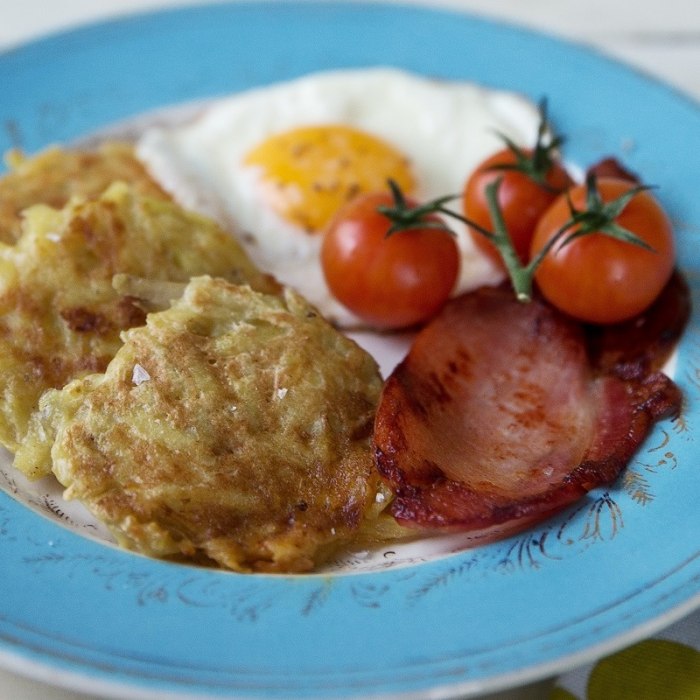
STEP 1 Before you start, put your oven on its lowest setting, ready to keep things warm. Peel the potatoes, grate 2 of them, then set aside. Cut the other 2 into large chunks, then boil for 10-15 mins or until tender. Meanwhile, squeeze as much of the liquid from the grated potatoes as you can using a clean tea towel. Mash the boiled potatoes, then mix with the grated potato, spring onions and flour. STEP 2 Whisk the egg white in a large bowl until it holds soft peaks. Fold in the buttermilk, then add the bicarbonate of soda. Fold into the potato mix. STEP 3 Heat a large non-stick frying pan over a medium heat, then add 1 tbsp butter and some of the oil. Drop 3-4 spoonfuls of the potato mixture into the pan, then gently cook for 3-5 mins on each side until golden and crusty. Keep warm on a plate in the oven while you cook the next batch, adding more butter and oil to the pan before you do so. You will get 16 crumpet-size boxty from the mix. Can be made the day ahead, drained on kitchen paper, then reheated in a low oven for 20 mins. STEP 4 Heat the grill to medium and put the tomatoes in a heavy-based pan. Add a good knob of butter and a little oil, then fry for about 5 mins until softened. Grill the bacon, then pile onto a plate and keep warm. Stack up the boxty, bacon and egg, and serve the tomatoes on the side.
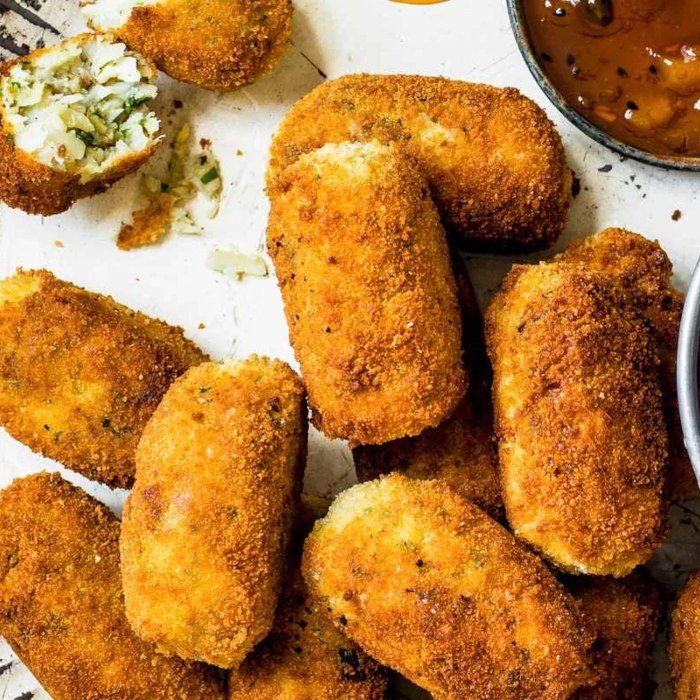
STEP 1 Put the fish into a lidded pan and pour over enough water to cover. Bring to a simmer and gently poach for 10 minutes over a low heat with the lid on. Drain and flake the fish. STEP 2 Put the fish, potato, green chilli, coriander, cumin, black pepper, garlic and ginger in a large bowl. Season, add the rice flour, mix well and break in 1 egg. Stir the mixture and divide into 15, then form into small logs. Break the remaining eggs into a bowl and whisk lightly. Put the breadcrumbs into another bowl. Dip each fofo in the beaten egg followed by the breadcrumb mixture. Chill for 20 minutes. STEP 3 Heat 1cm of oil in a large frying pan over a medium heat. Fry the fofos in batches for 2 minutes on each side, turning gently to get an even golden brown colour all over. Drain on kitchen paper and repeat with the remaining fofos. STEP 4 For the onion salad, mix together the onion, coriander and lemon juice with a pinch of salt. Serve with the fofos and mango chutney.

In a blender, combine diced mango, yogurt, milk, honey, and cardamom powder. Blend until smooth and creamy. Add ice cubes and blend again until the lassi is chilled. Pour into glasses and garnish with a sprinkle of cardamom. Enjoy this refreshing Mango Lassi!
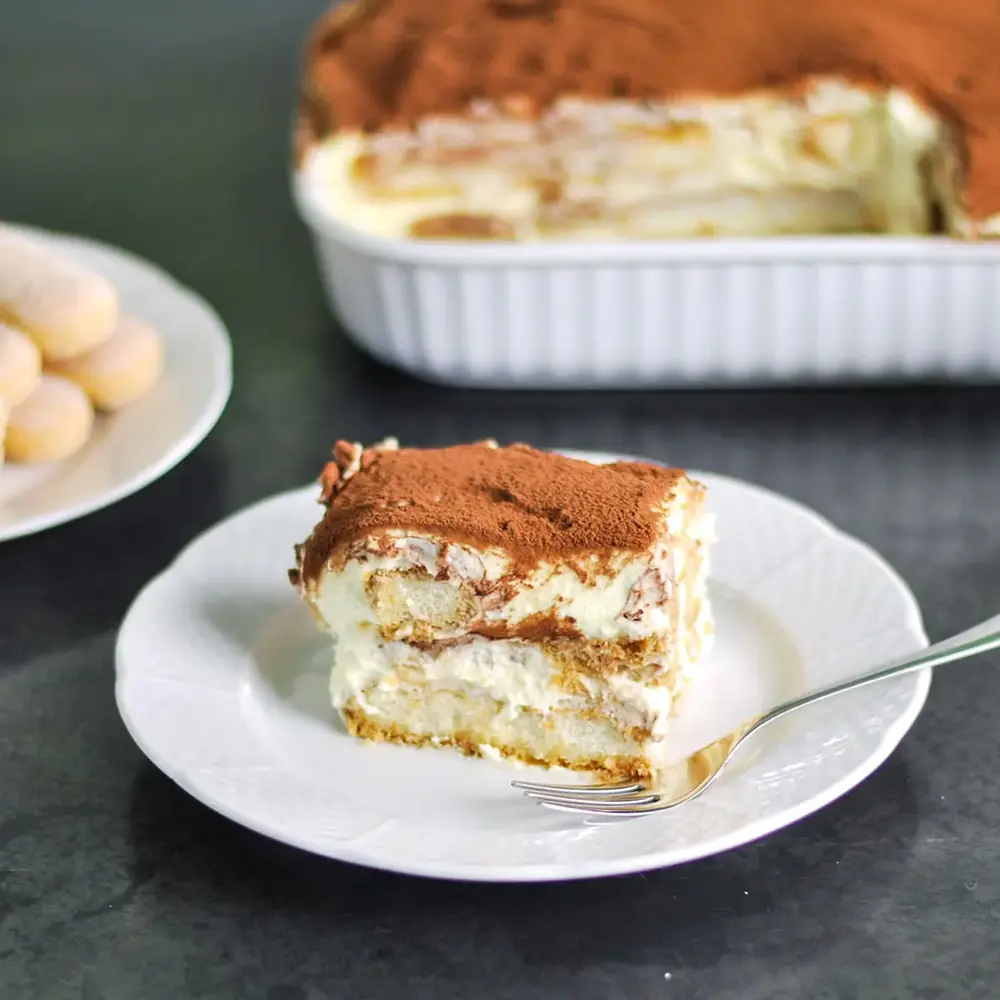
In a bowl, whip heavy cream until stiff peaks form. In another bowl, mix mascarpone cheese and sugar until smooth. Gently fold the whipped cream into the mascarpone mixture. Dip ladyfinger cookies into brewed espresso and layer them in a serving dish. Spread a layer of the mascarpone mixture over the cookies. Repeat layers and finish with a dusting of cocoa powder. Chill in the refrigerator for a few hours before serving. Indulge in the decadence of this classic Italian Tiramisu!
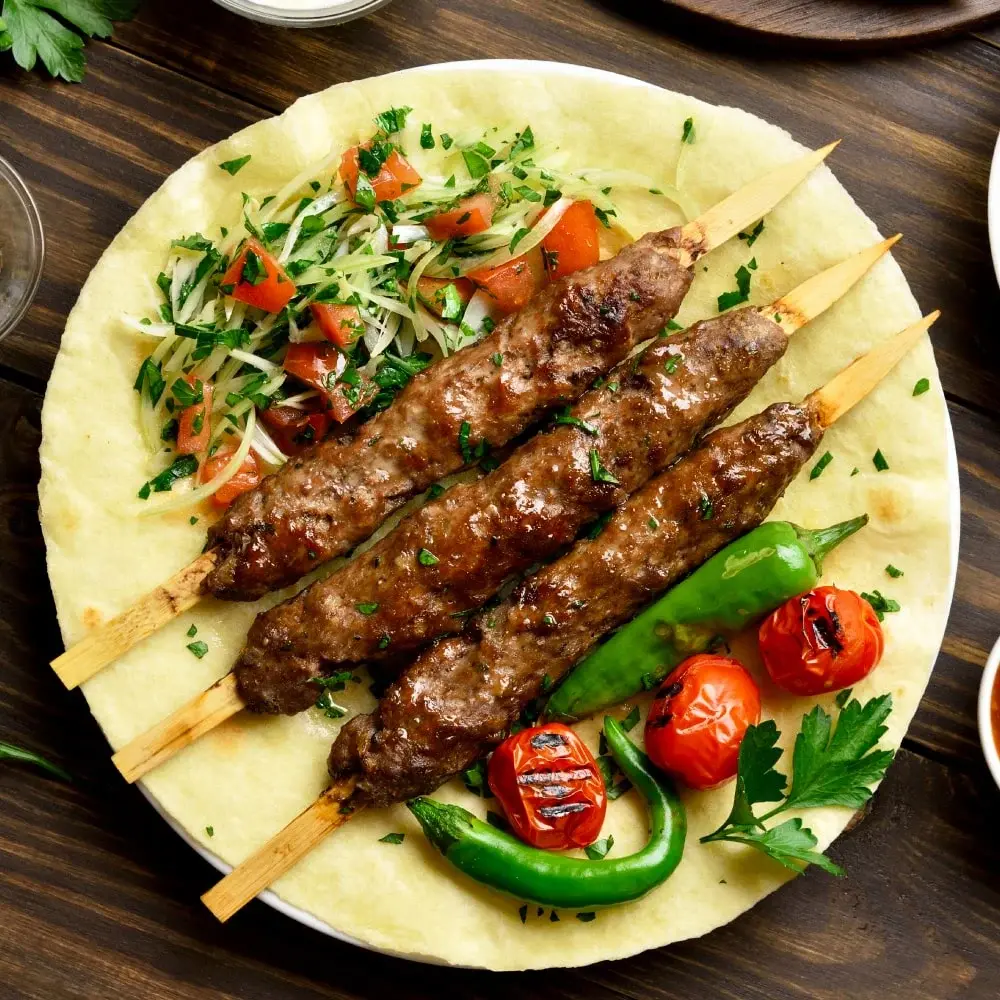
In a bowl, mix ground meat, grated onions, minced garlic, chopped parsley, and spices. Form the mixture into kebab shapes and grill until fully cooked. Serve the kebabs on flatbread with a drizzle of tahini sauce. Enjoy these flavorful Turkish Kebabs with your favorite sides.
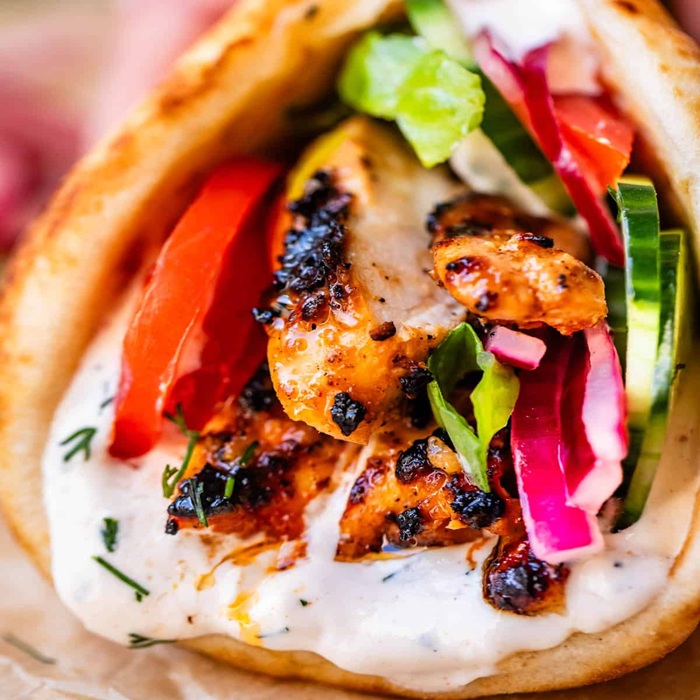
1 Start by cutting your chicken up into reasonably small slices. Grab your ziplock bag and dump the freshly sliced chicken inside. 2 Add garlic, coriander, cumin, cardomom, cayenne pepper, paprika, salt, pepper, lemon juice and olive oil to the bag. Close the bag and mix thoroughly. Place in fridge for 10-12 hours (shorter is fine but longer is better). 3 Once ready to cook, heat your fry pan to medium-high and add a tiny bit of olive oil. Fry one side of all of your flatbreads until slightly toasty. Remove from pan, add enough oil to coat the fry pan. Put crumble fries into air fryer on 180 for 15 minutes shaking occasionally. 4 The pan should be pretty hot by now, add the chicken in 2 batches (unless you have a big fry pan) to avoid overcrowding. The chicken should get a nice sear and darker colour which is perfect. Cook for a further 5-8 minutes or until cooked through. Repeat with next chicken batch. 5 While chicken is cooking, place your Greek yoghurt into a bowl. Combine garlic, finely chopped mint and parsley, squeeze or so of lemon and cumin. Combine and add salt to taste. In a small bowl, combine 1tsp garlic powder, paprika, cumin, onion powder, oregano, dried parsley, cayenne pepper (optional) mix and leave aside for fries. 6 Season fries immediately once cooked and add salt to taste. Once the chicken is complete, serve immediately by laying out your flatbread, spreading the sauce evenly over the bread, add lettuce, onion, tomato, fries, chicken, feta and more sauce on top. Serve immediately.
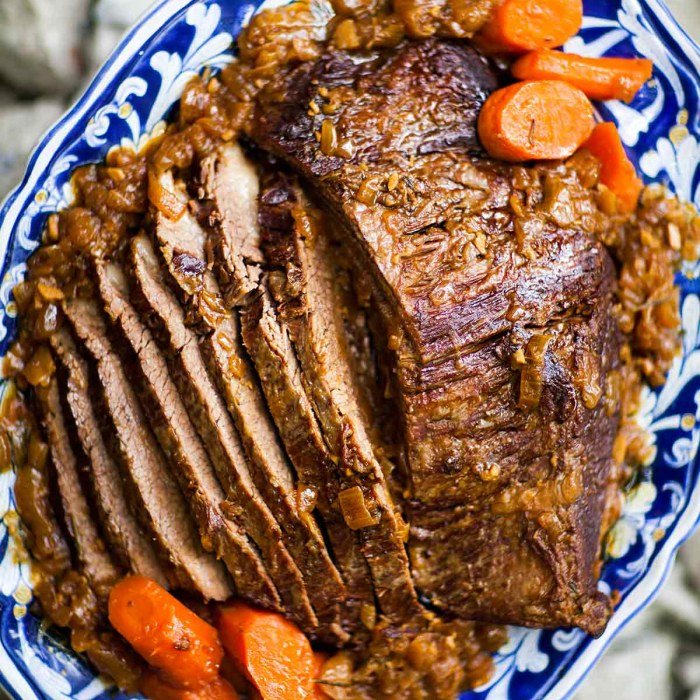
1 Prepare the brisket for cooking: On one side of the brisket there should be a layer of fat, which you want. If there are any large chunks of fat, cut them off and discard them. Large pieces of fat will not be able to render out completely. Using a sharp knife, score the fat in parallel lines, about 3/4-inch apart. Slice through the fat, not the beef. Repeat in the opposite direction to make a cross-hatch pattern. Salt the brisket well and let it sit at room temperature for 30 minutes. 2 Sear the brisket: You'll need an oven-proof, thick-bottomed pot with a cover, or Dutch oven, that is just wide enough to hold the brisket roast with a little room for the onions. Pat the brisket dry and place it, fatty side down, into the pot and place it on medium high heat. Cook for 5-8 minutes, lightly sizzling, until the fat side is nicely browned. (If the roast seems to be cooking too fast, turn the heat down to medium. You want a steady sizzle, not a raging sear.) Turn the brisket over and cook for a few minutes more to brown the other side. 3 Sauté the onions and garlic: When the brisket has browned, remove it from the pot and set aside. There should be a couple tablespoons of fat rendered in the pot, if not, add some olive oil. Add the chopped onions and increase the heat to high. Sprinkle a little salt on the onions. Sauté, stirring often, until the onions are lightly browned, 5-8 minutes. Stir in the garlic and cook 1-2 more minutes. 4 Return brisket to pot, add herbs, stock, bring to simmer, cover, cook in oven: Preheat the oven to 300°F. Use kitchen twine to tie together the bay leaves, rosemary and thyme. Move the onions and garlic to the sides of the pot and nestle the brisket inside. Add the beef stock and the tied-up herbs. Bring the stock to a boil on the stovetop. Cover the pot, place the pot in the 300°F oven and cook for 3 hours. Carefully flip the brisket every hour so it cooks evenly. 5 Add carrots, continue to cook: After 3 hours, add th

For the dough place lard, warm water and salt in a large kneading bowl and stir. Add flour and oregano and either knead five miutes by hand or with the kneading function of your machine. Let rest covered for at least half an hour or overnight in the fridge. 2 For the filling place tomatoes for about 30 seconds in boiling water, then cool with cold water and peel of skin and cut into cubes. Press garlic through garlic press, cut onions into cubes. Simmer garlic and onions in some olive oil until translucent. Take out onions and garlic and brown the meat at high heat from all sides. Season with all herbs and add the onions, garlic and tomatoes. Let simmer for a few minutes, add salt, pepper and additional spices to taste. You can prepare the meat the night before, chill in fridge if doing so. Boil eggs and also cut into cubes and mix with prepared meat. 3 Cut dough into half and roll out one half thinnly on floured surface. Cut out circles about 12-15cm in diameter. Mine have a diameter of 12.5 cm. Place about 2-4 teaspoons of filling on one circle, put a bit of water all around the edges and fold over the other half so that you get half moons. Be sure to seal the edges with a fork. Repeat until you have no dough and filling left. 4 Meanwhile preheat oven to 200 degrees Celsius. Brush empanadas with egg wash and bake about 8 empanadas on a baking sheet lined with parchment paper for about 25min or until golden. Serve warm with chimichurri sauce.
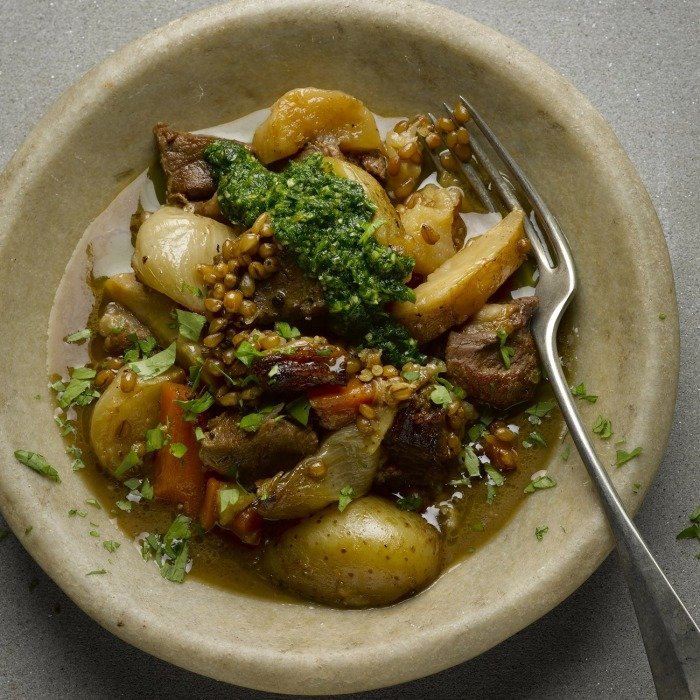
Heat the oven to 180C/350F/gas mark 4. Drain and rinse the soaked wheat, put it in a medium pan with lots of water, bring to a boil and simmer for an hour, until cooked. Drain and set aside. Season the lamb with a teaspoon of salt and some black pepper. Put one tablespoon of oil in a large, deep sauté pan for which you have a lid; place on a medium-high heat. Add some of the lamb – don't overcrowd the pan – and sear for four minutes on all sides. Transfer to a bowl, and repeat with the remaining lamb, adding oil as needed. Lower the heat to medium and add a tablespoon of oil to the pan. Add the shallots and fry for four minutes, until caramelised. Tip these into the lamb bowl, and repeat with the remaining vegetables until they are all nice and brown, adding more oil as you need it. Once all the vegetables are seared and removed from the pan, add the wine along with the sugar, herbs, a teaspoon of salt and a good grind of black pepper. Boil on a high heat for about three minutes. Tip the lamb, vegetables and whole wheat back into the pot, and add the stock. Cover and boil for five minutes, then transfer to the oven for an hour and a half. Remove the stew from the oven and check the liquid; if there is a lot, remove the lid and boil for a few minutes.
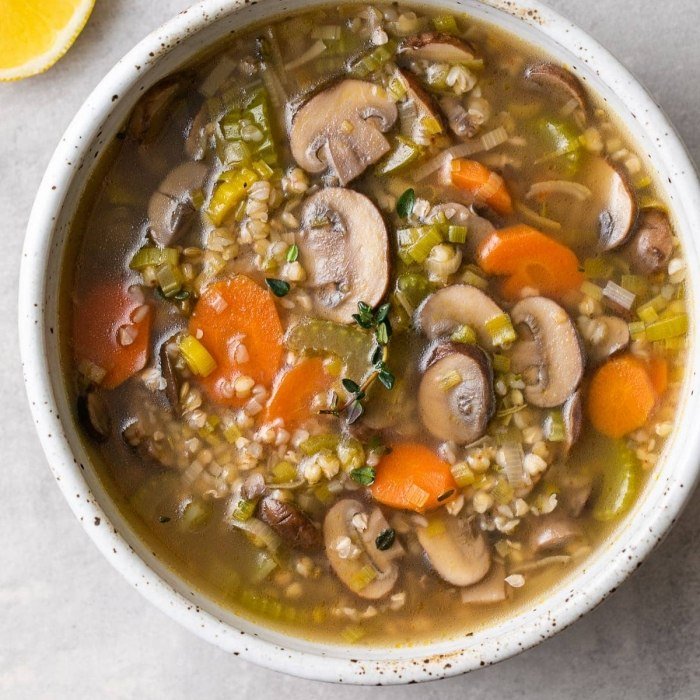
Chop the onion and garlic, slice the mushrooms and wash the buckwheat. Heat the oil and lightly sauté the onion. Add the mushrooms and the garlic and continue to sauté. Add the salt, vegetable seasoning, buckwheat and the bay leaf and cover with water. Simmer gently and just before it is completely cooked, add pepper, sour cream mixed with flour, the chopped parsley and vinegar to taste.
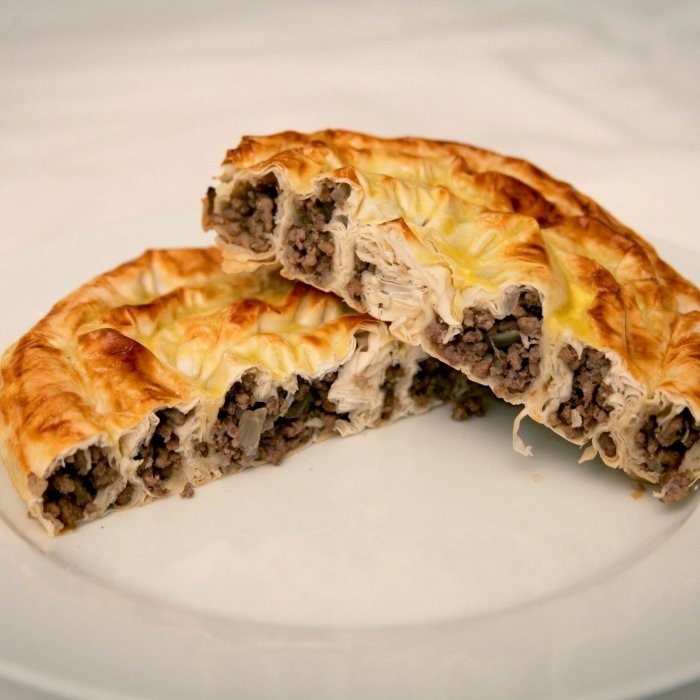
Fry the finely chopped onions and minced meat in oil. Add the salt and pepper. Grease a round baking tray and put a layer of pastry in it. Cover with a thin layer of filling and cover this with another layer of filo pastry which must be well coated in oil. Put another layer of filling and cover with pastry. When you have five or six layers, cover with filo pastry, bake at 200ºC/392ºF for half an hour and cut in quarters and serve.
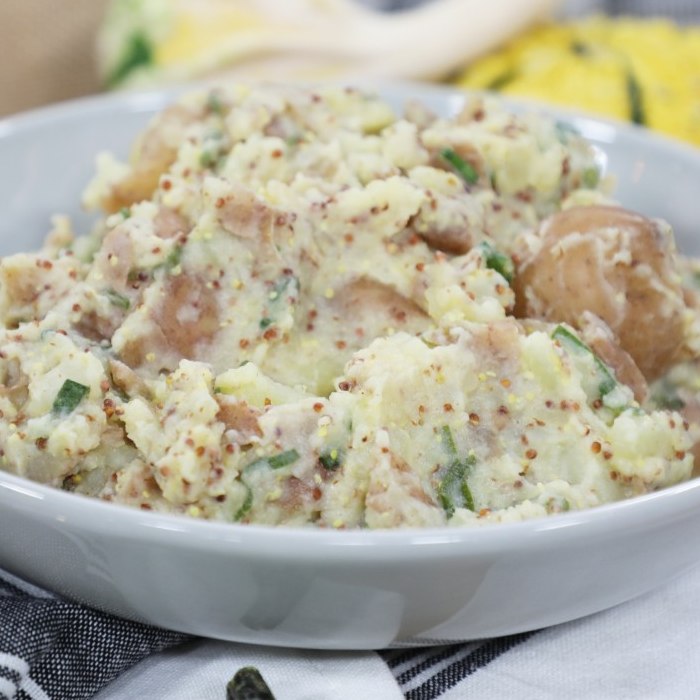
STEP 1 Boil the potatoes for 15 mins or until tender. Drain, then mash. STEP 2 Heat the milk and half the butter in the corner of the pan, then beat into the mash, along with the wholegrain mustard. STEP 3 Gently fry the spring onions in the remaining butter for 2 mins until just soft but still a perky green. Fold into the mash and serve. Great with gammon or to top a fish pie.
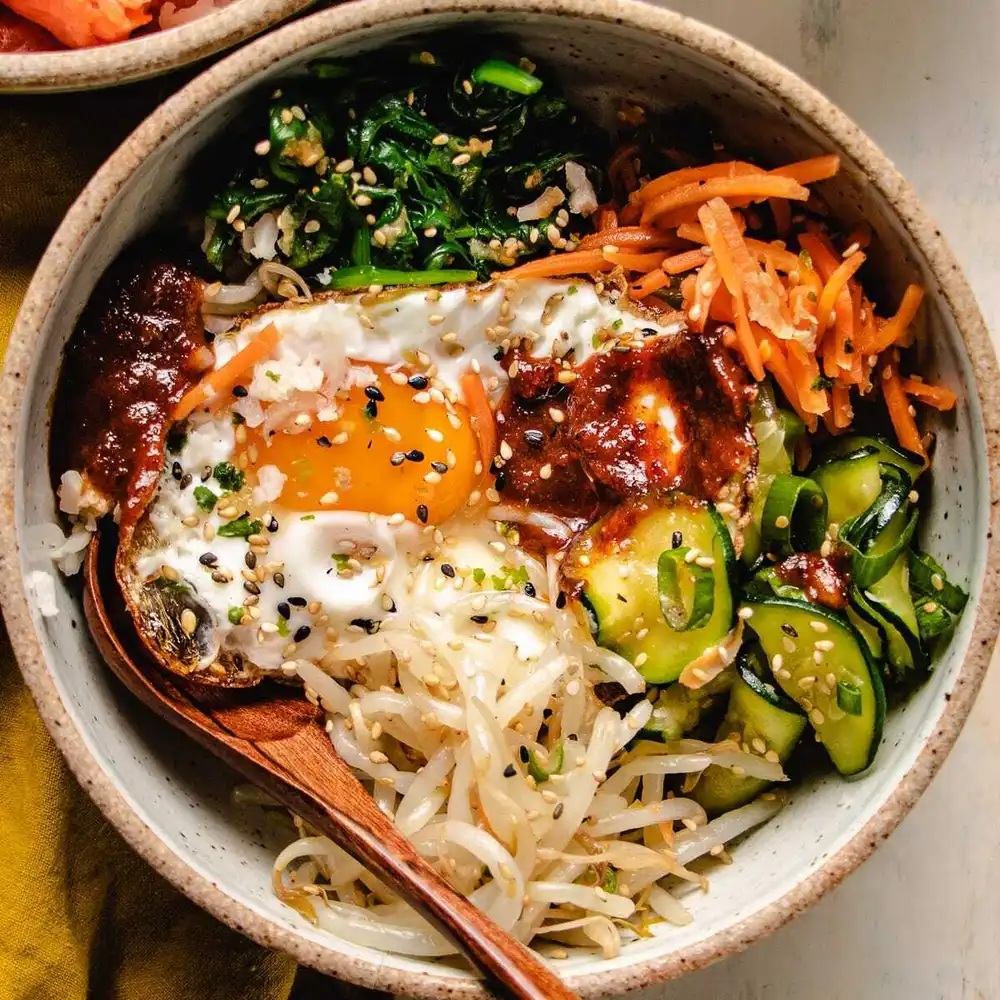
Arrange cooked white rice in a bowl. Top with beef bulgogi, sautéed carrots, seasoned spinach, grilled zucchini, and blanched bean sprouts. Place a fried egg on top and drizzle with gochujang and sesame oil. Sprinkle with toasted sesame seeds before serving. Mix everything together before enjoying this delicious Korean bibimbap! Feel free to customize with additional vegetables or protein.
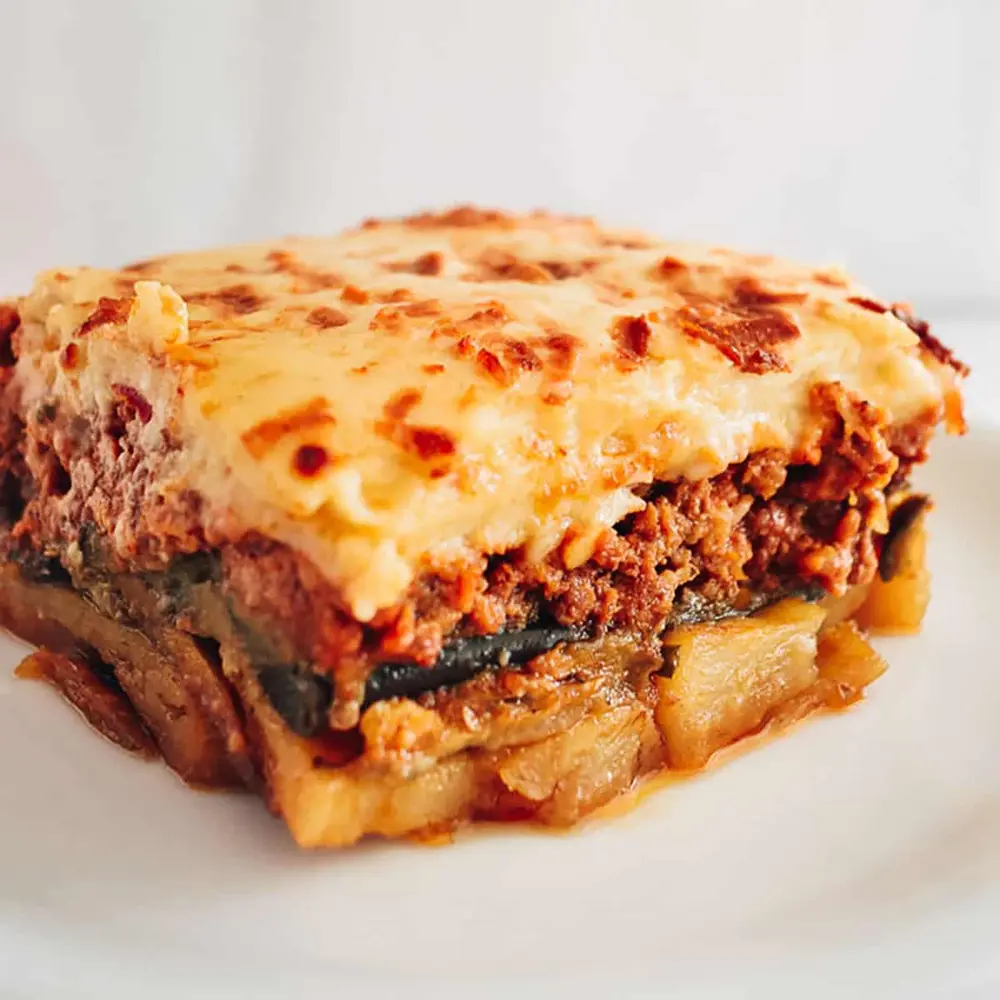
Preheat oven to 375°F (190°C). Sauté sliced eggplants in olive oil until browned. Set aside. In the same pan, cook chopped onions and minced garlic until softened. Add ground lamb or beef and brown. Stir in crushed tomatoes, red wine, and spices. In a separate saucepan, make béchamel sauce: melt butter, whisk in flour, add milk, and cook until thickened. Remove from heat and stir in Parmesan cheese and egg yolks. In a baking dish, layer eggplants and meat mixture. Top with béchamel sauce. Bake for 40-45 minutes until golden brown. Let it cool before slicing. Serve slices of moussaka warm and enjoy this Greek classic!
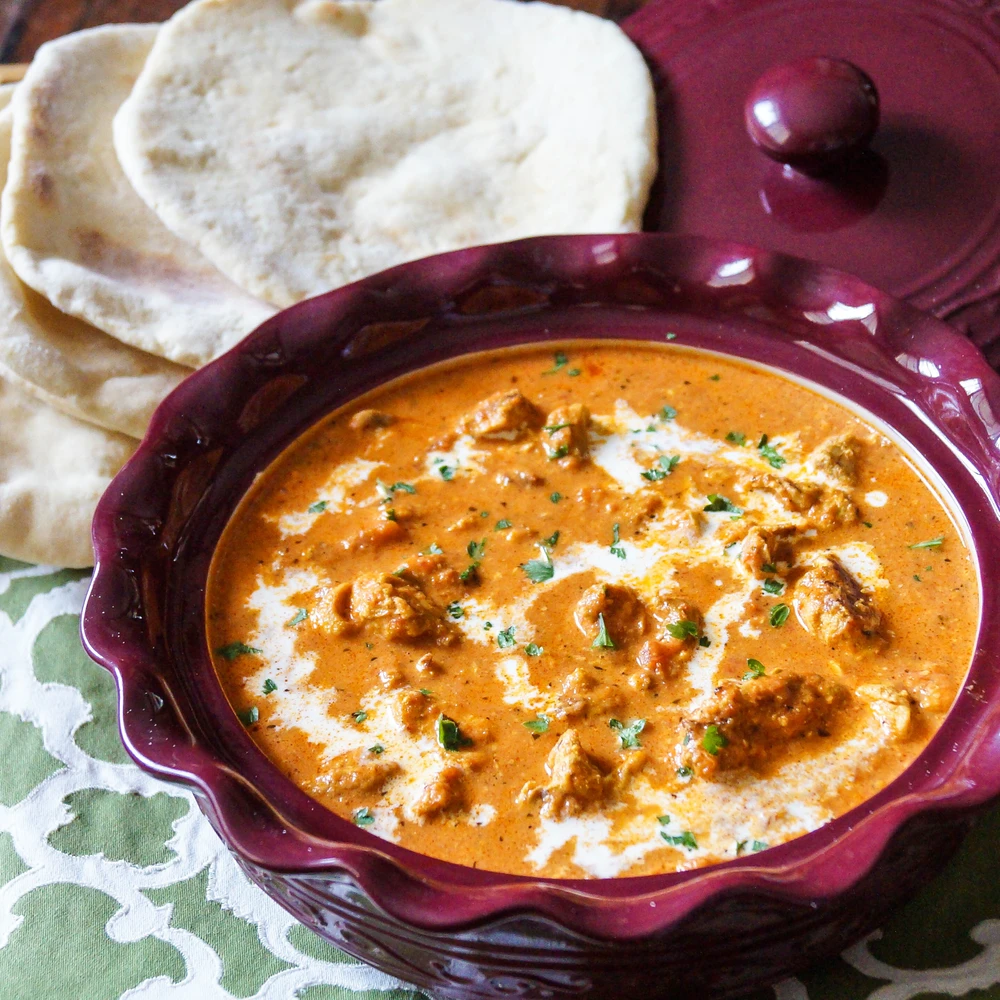
Marinate chicken thighs in a mixture of yogurt, ginger-garlic paste, garam masala, and Kashmiri red chili powder. In a pan, melt butter and sauté the marinated chicken until browned. Add tomato puree and cook until the oil separates. Stir in heavy cream. Sprinkle kasuri methi, sugar, and salt. Simmer until the chicken is fully cooked. Serve this creamy butter chicken over rice or with naan for an authentic Pakistani/Indian experience.
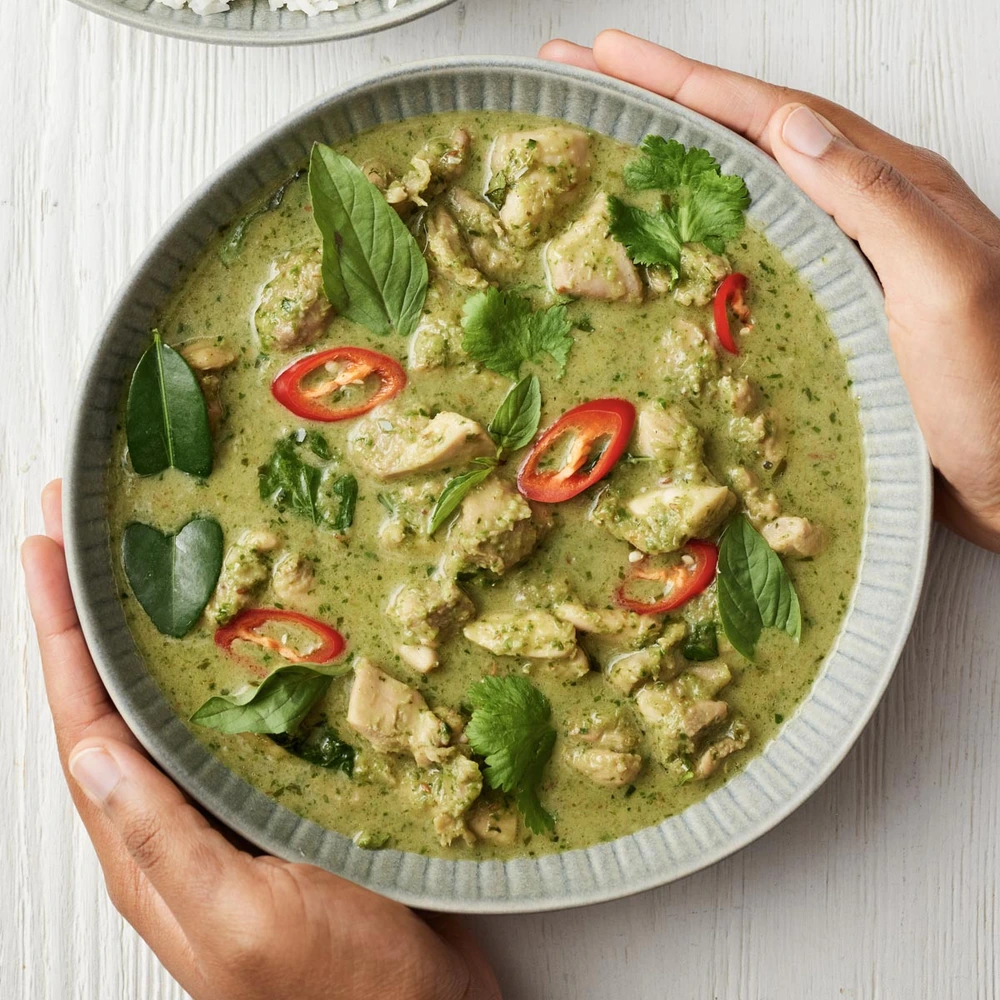
In a pot, simmer green curry paste in coconut milk. Add chicken, fish sauce, and sugar. Cook until chicken is tender. Stir in sliced eggplant and bell peppers. Simmer until vegetables are cooked. Garnish with fresh basil leaves. Serve hot over jasmine rice and enjoy this Thai classic!
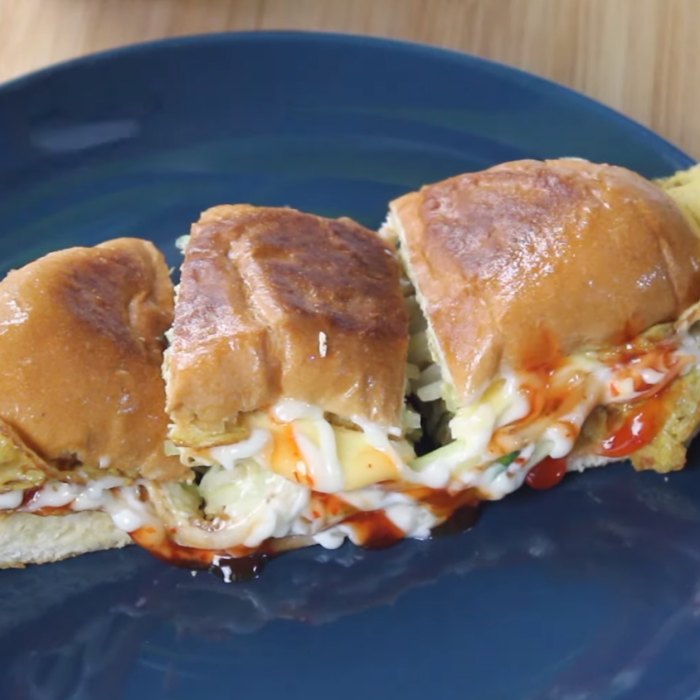
Mix all the ingredients in a bowl. Heat a pan or griddle with a little vegetable oil. Pour the mixture onto the pan and place a piece of open-faced baguette on top. Press on the bread with a spatula and grill for 2 minutes. Turn the bread over to make it a little crispy. Remove from pan and cut the bread into small portions. Add mayonnaise and/or Sambal before cutting the sandwich (optional).

Dried shrimp gives this Chinese dish a punch of salty umami flavor. You can find it at an Asian grocery store in the frozen or refrigerated section. Look for small-sized dried shrimp, about a 1/4-inch in size. If you use medium or large dried shrimp, hydrate the shrimp with more water (1 cup for medium-sized shrimp, 1 1/4 cup for large) and for longer time (45 to 60 minutes), then chop it up into smaller 1/4-inch chunks. To make this recipe vegetarian, omit the dried shrimp and use four or five dried shiitake mushrooms, rehydrated, and sliced thin. Rehydrate the dried shrimp: Place the dried shrimp in a small bowl and pour the boiling water over it. Cover with a small plate and let sit for 30 minutes so the shrimp can rehydrate. The shrimp will be lighter in color and plump up slightly. Prep the cabbage: Meanwhile, split the napa cabbage in half lengthwise. Rinse the cabbage and shake it dry. Cut out the core of the cabbage and discard. Set out two large bowls. Cut the remaining cabbage into 1-inch pieces, putting the thicker white pieces at the bottom of the cabbage into one bowl and the top thinner leafy green pieces into the other bowl. Drain the shrimp: Once the shrimp has rehydrated, drain it and discard the liquid. Cook the shrimp and cabbage: In a large wok or skillet over high heat add the peanut oil, swirling it around to coat the pan. Heat until the oil looks shimmering hot, then carefully add the scallions, ginger, and rehydrated shrimp, paying specially attention as the wet ingredients may cause the hot oil to splatter. Toss with a spatula until the scallions are bright green and the entire mixture is fragrant, about 1 minute. Add the thicker white part of the napa cabbage to the pan and lower the heat to medium high. Continue to cook and stir for 3 to 4 minutes, or until the edges of the cabbage pieces start to look slightly translucent but the center of the cabbage pieces are still opaque white. Reduce the heat to medium low
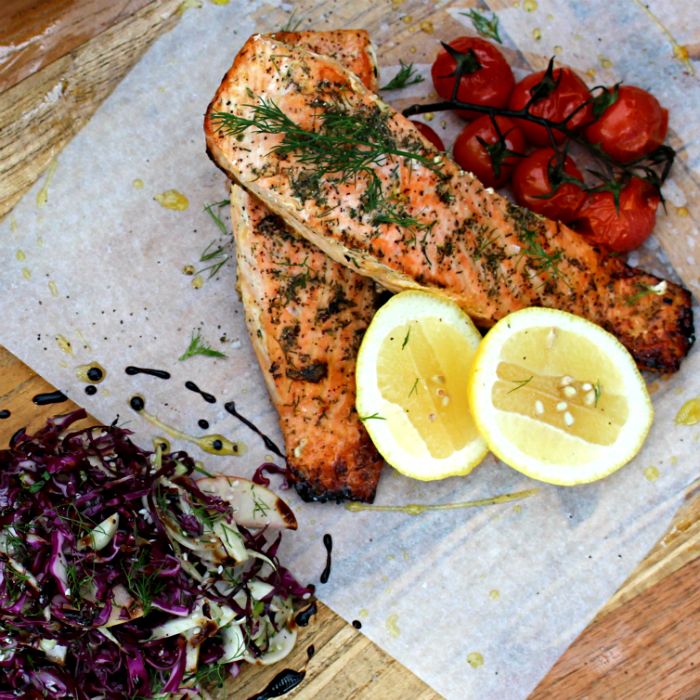
Heat oven to 180C/fan 160C/gas 4. Trim the fronds from the fennel and set aside. Cut the fennel bulbs in half, then cut each half into 3 wedges. Cook in boiling salted water for 10 mins, then drain well. Chop the fennel fronds roughly, then mix with the parsley and lemon zest. Spread the drained fennel over a shallow ovenproof dish, then add the tomatoes. Drizzle with olive oil, then bake for 10 mins. Nestle the salmon among the veg, sprinkle with lemon juice, then bake 15 mins more until the fish is just cooked. Scatter over the parsley and serve.
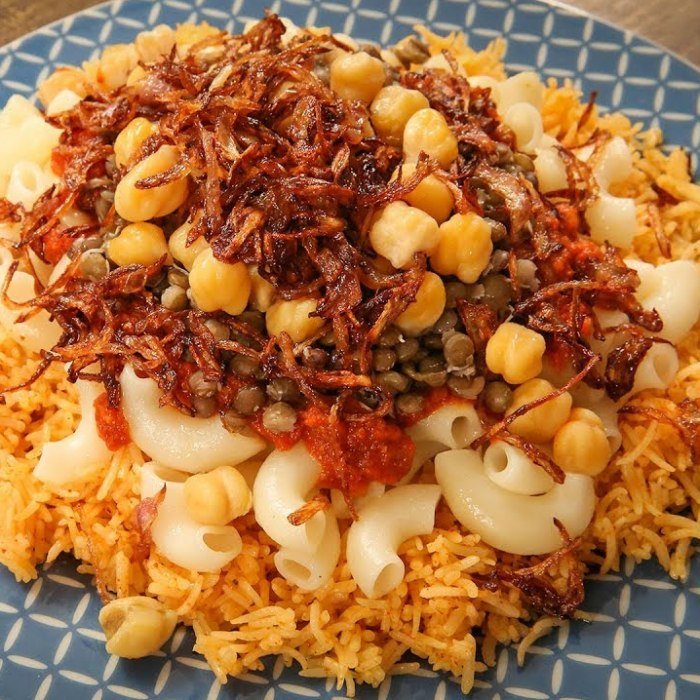
Cook the lentils. Bring lentils and 4 cups of water to a boil in a medium pot or saucepan over high heat. Reduce the heat to low and cook until lentils are just tender (15-17 minutes). Drain from water and season with a little salt. (Note: when the lentils are ready, they should not be fully cooked. They should be only par-cooked and still have a bite to them as they need to finish cooking with the rice). Now, for the rice. Drain the rice from its soaking water. Combine the par-cooked lentils and the rice in the saucepan over medium-high heat with 1 tbsp cooking oil, salt, pepper, and coriander. Cook for 3 minutes, stirring regularly. Add warm water to cover the rice and lentil mixture by about 1 1/2 inches (you’ll probably use about 3 cups of water here). Bring to a boil; the water should reduce a bit. Now cover and cook until all the liquid has been absorbed and both the rice and lentils are well cooked through (about 20 minutes). Keep covered and undisturbed for 5 minutes or so. Now make the pasta. While the rice and lentils are cooking, make the pasta according to package instructions by adding the elbow pasta to boiling water with a dash of salt and a little oil. Cook until the pasta is al dente. Drain. Cover the chickpeas and warm in the microwave briefly before serving. Make the crispy onion topping. Sprinkle the onion rings with salt, then toss them in the flour to coat. Shake off excess flour. In a large skillet, heat the cooking oil over medium-high heat, cook the onion rings, stirring often, until they turn a nice caramelized brown. Onions must be crispy, but not burned (15-20 minutes).