
Bring the stock to a rolling boil in a big, deep pan. Slip in the cobs, leave to cook for about five minutes, then turn off the heat and leave the corn to sit in the stock as it cools. Put a heavy-based dry frying pan on a high heat and, once hot, lay the drained corn in the pan and char for a couple of minutes on each side – you’ll probably need to cook them two or three at a time, so you don’t overcrowd the pan. Put the coconut milk, lime juice and chillies in a small saucepan, season lightly, then bring up to a gentle simmer. Stir in the butter, turn off the heat and set aside. For the topping, toast the coconut flakes in a hot dry frying pan – coconut burns very easily, so keep them moving and keep your eye on them. As soon as the coconut has a golden, burnished, toasted colour, tip it into a bowl, leave to cool, then mix with the crispy shallots and herbs, and season to taste. To serve, spoon some of the coconut milk mixture over each cob, sprinkle with the toasted coconut mix and lime zest, and tuck in.
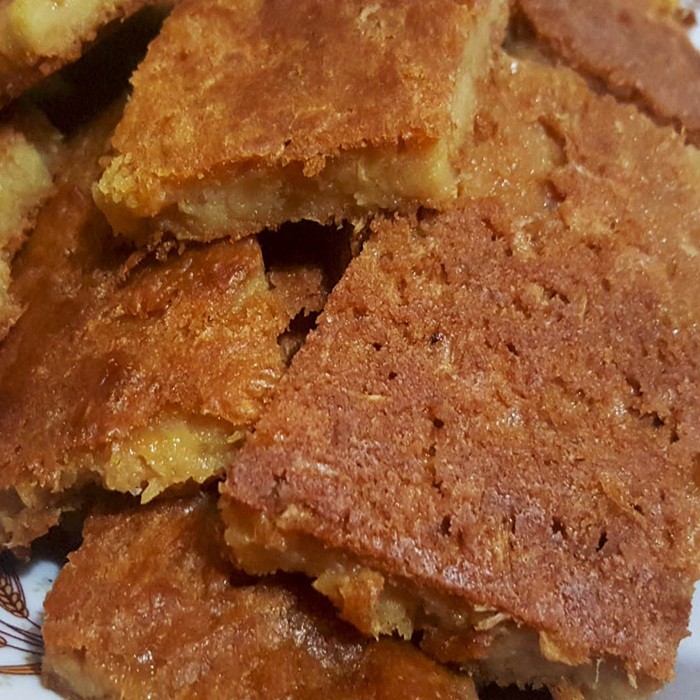
1 Preparation In a mixing bowl mix together the summer squash, sugar, eggs and baking soda. Add the flour and continue to mix, you are looking for a thick sticky mixture. Add a bit more flour if the mixture is still thin and slightly runny. 2 In a large round baking tray (about 2 inches deep) rub some olive oil over the base and edges. 3 Scoop the mixture onto the tray and spread out evenly, then pour a small amount of olive oil onto you hand and rub it in circles gently over the top of the mixture. This should flatten it and leave it with a slightly shiny glossing. 4 Cooking Bake in the oven for 40 minutes on 180 degrees – the top should be a golden brown once cooked. 5 Serving Leave to cool before slicing into squares and serving.
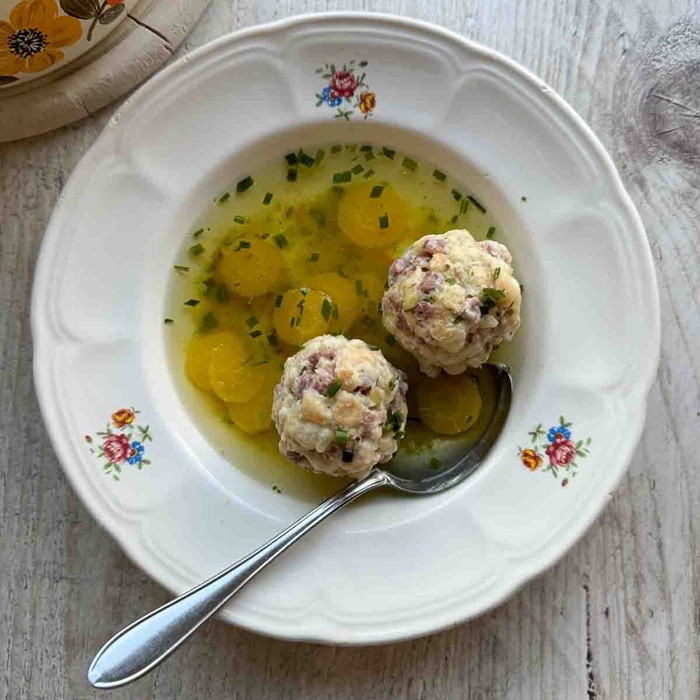
Step 1 Finely chop the shallots, and dice the smoked ham or sausage into small cubes. Heat some butter or clarified butter in a pan and sweat the onions in it until translucent. Add the meat and the parsley and fry together briefly before removing from the heat. Step 2 Place the bread in a bowl. Beat the milk with the eggs and season well with salt, pepper and nutmeg. Pour over the bread. Stir in the sausage and onion paste and mix in the flour. Mix together to form a relatively firm paste (adding more bread or flour if necessary) and season again according to taste. Smooth the surface of the dough out and leave to stand for approx. 30 minutes. Step 3 Heat up a good quantity of salted water in a large pan. Use the paste to form smaller dumplings (for use as a garnish in soups) or medium-sized dumplings, as required. Moisten the hands regularly with cold water during this stage so that the dumplings take on smooth forms. Step 4 Place in boiling water, bring back to the boil, turn down the heat, and simmer gently for 8-20 minutes, depending on the size. Step 5 Remove from the water, dry off well and serve up garnished with chopped parsley and melted butter (which has been taken on a nut-brown colour).
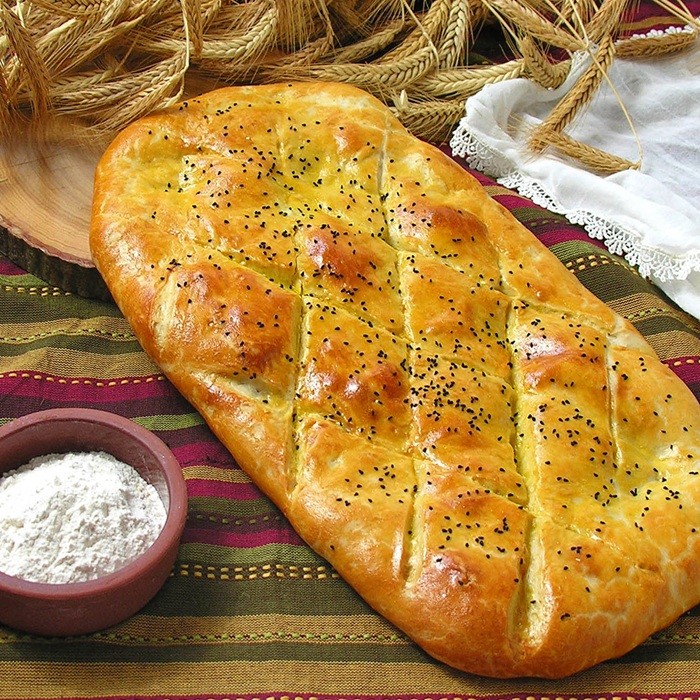
First a quick note about tandoori bread (or tandoori anything, really). The name comes from the clay oven, or "tandoor" that it is traditionally cooked in, and you will never be able to duplicate the flavor of any tandoori recipe without one of those ovens, no matter how hard you try. Now, a tandoor oven is actually a part of my dream kitchen (I love naan bread and tandoori chicken) but I don't have one in my current kitchen, so this bread just goes in a plain oven, which makes it not very authentic. However, this is how an Azerbaijani stranded in the US would make a tandoori bread, so I guess I don't feel too bad about including it in my meal. The ingredients for this bread are roughly similar to the ingredients for a basic french bread, but the shape is different and it is topped with poppy seeds which actually makes it quite beautiful in appearance. In fact this bread is quite possibly the most beautiful thing I've ever baked (my cakes certainly don't fall into that category). So as always I used my bread machine, but this time I didn't proof the yeast first. I just put it in the little yeast dispenser at the top of my machine, then added the water, flour and salt to the bucket. I put it on the dough cycle and then went and picked my kids up from school. This bread uses very basic ingredients, including bread flour and salt. If you want to do it the old-fashioned way: Mix the yeast with the water and let stand for a few minutes. Then sift the flour with the salt into a large bowl. Gradually add the water and yeast and mix with your hand until the dough forms a ball. Turn out onto a lightly floured surface. Knead the dough for 8 to 10 minutes, or until it is smooth. Put it in a large bowl and cover, then let it rise in a warm spot until doubled (this typically takes 1 to 1 1/2 hours). The dough after it has risen. Punch down and turn out onto a lightly floured surface. Stretch the dough until it is an oblong shape, then with a rolling pin roll
Sift flour, baking powder, salt, and sugar together. In a separate bowl, beat 6 eggs, then blend in the butter and milk. Sprinkle one tablespoon of sev dzandig (black seeds) and all the mahleb on top of the dry ingredients. Make a hole in the center of the dry ingredients and pour the wet ingredients in all at once, mixing with a few strokes until the dough can be turned out onto a floured board. Add more flour if necessary; it shouldn't be too sticky. Knead the mixture gently, just a few times, and then roll it out until it is ½" thick. Cut it into diamond shapes, circles, or long strips which can be rolled and braided into loaves. Prick each piece several times with a fork. Beat the seventh egg with additional sev dzandig (black seeds) added. Brush each piece of koulenje with this glaze and place on cookie sheet covered with baking parchment. Bake at 400° for 12-15 minutes until slightly golden. Cool on a rack. These are best eaten warm. You can reheat them by wrapping in foil.
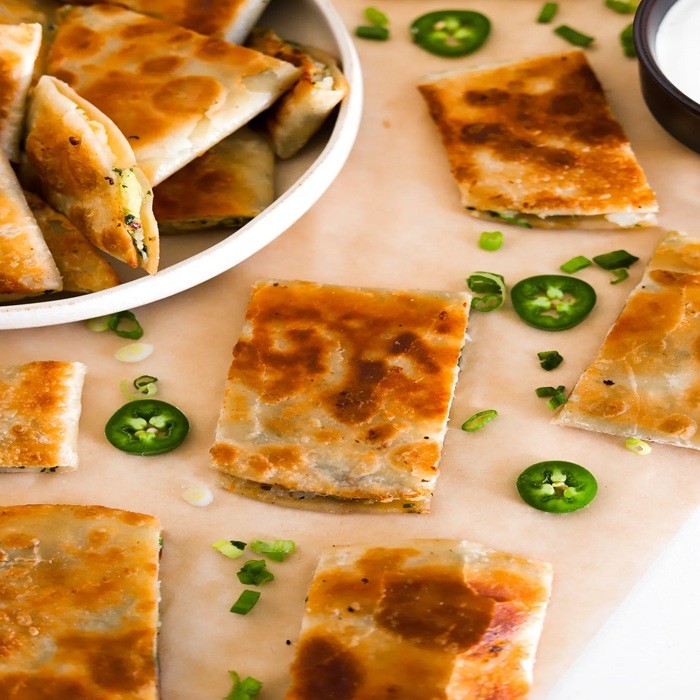
Put the flour and teaspoon of salt in a mixing bowl. Slowly adding as much water as is required. Mix to form a stiff dough. Place the dough on a clean work surface and knead for about 5-10 minutes until the dough is elastic, smooth and shiny. Form the dough into a ball, cover with a damp cloth and set aside for at least half an hour. Peel and wash the potatoes and boil them in salted water until soft. Drain off the water and mash thoroughly. Add the spring onions, salt and black pepper. Divide the dough into 3 or 4 balls. Roll out each ball as thinly as possible on a lightly floured surface (the thickness should be no more than 1.5mm - if the dough is too thick the Bolani will be tough) Take a round cutter of 13-15cm (I often use a pan lid or tid lid), and cut as many rounds as possible. On each round spread 1-2 tablespoons of the mashed potato. Moisten the edges of the dough, fold over and seal shut. The Bolani should be spread out on a lightly floured surface until ready to fry. Heat enough vegetable oil in a frying-pan and shallow fry one or two Bolani at a time, browning on both sides. Make sure to keep the fried Bolani warm until all are finished, and serve straight away.
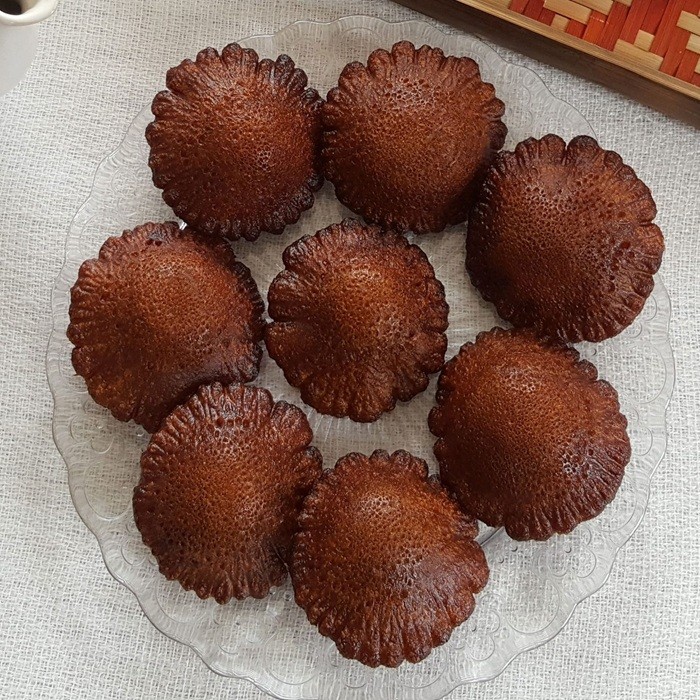
Add the molasses to a large mixing bowl and begin by pouring 300ml of water to start with and whisk together. The texture of Bangladeshi molasses varies from a thick syrup to slightly set. I use brands such as Zilani or Akza. If the set is very syrupy (like golden syrup) you will only require 300–325ml of water 2 Pour in the flours and spices (if using) and whisk for 3–5 minutes, until you have a smooth batter. You need to check carefully for lumps, as they prevent the handesh from rising and will cause them to split. Cover the batter and rest for 2 hours 3 After 2 hours, thoroughly whisk the batter until smooth, as the rice flour will have settled at the bottom of the bowl. The batter should have a fairly thick consistency, yet remain loose enough to pour – similar to thick pancake or waffle batter. It should form ribbons as you drag the whisk though it 4 Take a cast-iron korai or wok and add enough oil to half-fill the pan, or enough to deep-fry and turn the heat to high. Once the oil is hot reduce the heat to low–medium. Drop in a teaspoon of batter to test the oil – if it rises slowly to the surface the oil is ready 5 Pour batter in a quick steady stream into the centre of the pan, preferably using a pyrex jug with a pouring spout (About 45ml of batter for each cake). It should rise to the surface in about 15–20 seconds and slowly puff up. If it rises too quickly, just turn the heat down slightly. Cook for 45 seconds, or until the underside is golden. Carefully turn over and cook for a further 30–45 seconds, until golden. Make sure to not let excess batter drip into the pan as this may prevent the cakes from rising and always fry one at a time 6 If the batter splits while frying, whisk in 2 tablespoons of flour to the mixture and try again. You should be creating handesh which are about the size of a digestive biscuit 7 Use a slotted spoon to remove the handesh and place on kitchen towel with frilled edge facing down while you continue frying the rea
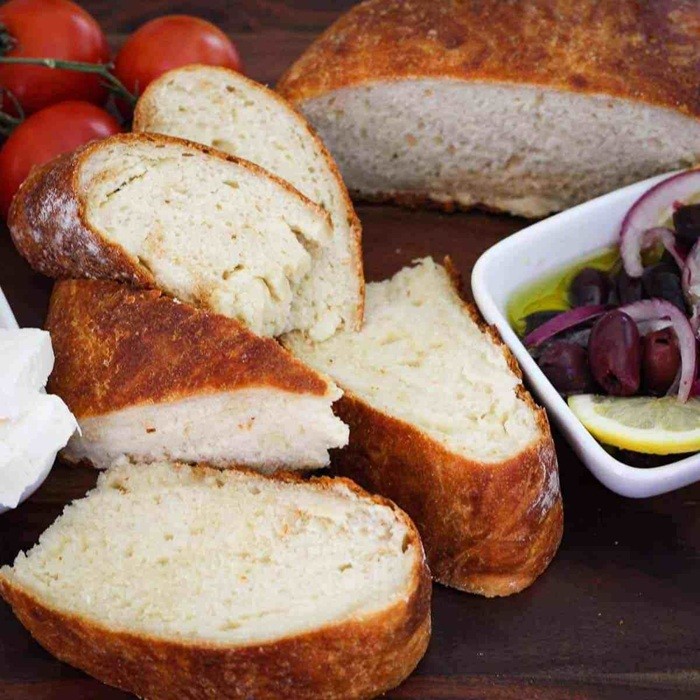
1 Prepare On a large baking tray or a clean work surface, mix together the dry ingredients - flour, baking soda and salt. 2 Make a well in the middle and add the yogurt. Using your hands slowly combined the ingredients together to start to form a dough. 3 Kneed the dough on a floured surface, adding extra flour if you find the texture too sticky. The dough is ready when it is of a pizza dough texture and still very slightly sticky, this should only take a few minutes. 4 On a baking tray add a little oil and put the dough on top. Shape and flatten the dough into a circle shape ensuring the height of the dough is about 5cm. 5 Cover the dough with a little bit of olive oil, ensure it is fully covered. 6 You can bake the Kulaç as it is or you can create patterns which also helps with even cooking. The most common patterns are using the back of a fork to slightly press down to create line dents all over or spiking the dough with the fork. 7 Baking Place on the bottom shelf of a pre heated oven. Bake for 40 minutes or until the dough is golden and firm to touch. 8 Cooling Once removed from the oven, stand upright or place on a cooling rack to allow the Kulaç to cool. 9 Serving Cut the Kulaç the way you would a cake into 8 slices. If you are serving warm you may want to snap and pull apart the bread with your hands instead.
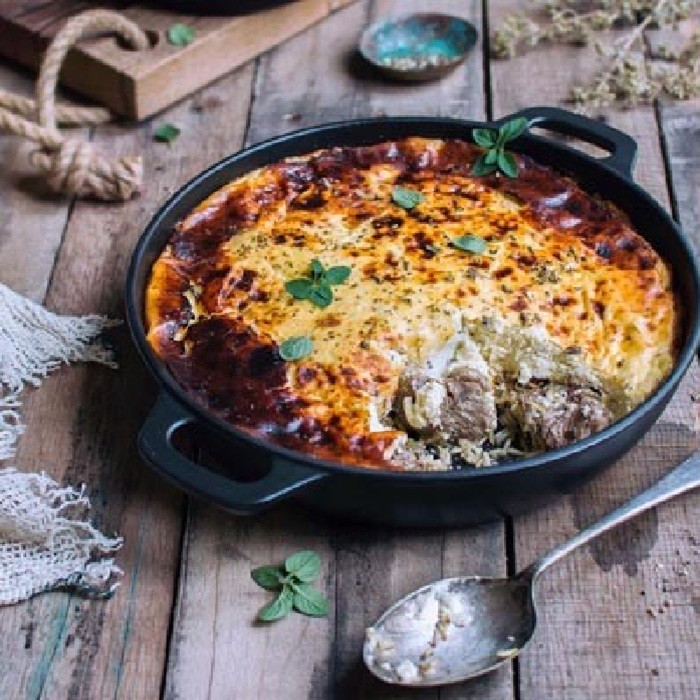
1 Baking the Lamb In a large pan (with a lid) melt the butter and olive oil together then add the diced lamb. Brown the lamb on a medium heat, this will take around 5 minutes. 2 Add the garlic, oregano, 300ml of water and season with salt and pepper. Mix well before covering with the lid. Leave to simmer for 50 minutes mixing a couple of times ensuring the lamb doesn’t start to burn. 3 The juices should have nearly all boiled away so another 150ml of water should be added along with the rice. Mix altogether, bring to the boil, place the lid on and leave for just 10 minutes. It’s advised to check at around 8 minutes – you want the liquid to be evaporated with just moist coating of oily water left over the lamb and rice. 4 Place the lamb and rice into a casserole dish, the mixture should fully cover the base and have at least 2 inches spare for the yogurt. Alternatively you can split into four ceramic bowls. 5 Making a Roux In a small saucepan melt the butter over a medium heat and then add two tablespoons of flour while continuously stirring for two minutes (add a little extra flour if needed). The roux should not be thick but not too runny, the colour will darken slightly. Pour the roux into a bowl and keep to one side. 6 Making the Yogurt Mixture In a mixing bowl add the yogurt, eggs and season with salt and pepper. Mix together then add the roux continuing to mix fast for a minute to ensure the roux and yogurt are thoroughly combined. 7 Pour the yogurt mixture over the baked lamb and rice and sprinkle on a little oregano. 8 Cooking Place on the bottom shelf of the oven on 180 degrees for 35 minutes then move it up to the middle for a further 10 minutes. The Tavë kosi is ready when the yogurt has risen up high and a golden crust formed. 9 Leave to cool for 5 – 10 minutes before serving.

Cut the cabbage and chop it into 1 inch pieces Put the cabbage in a large bowl and add cold water to rinse. Wash the cabbage. Rinse and drain three times. In a large clean bowl, pour in the bottle of water. Put the cabbage and green onion into the salt water mixture. Add in the salt.
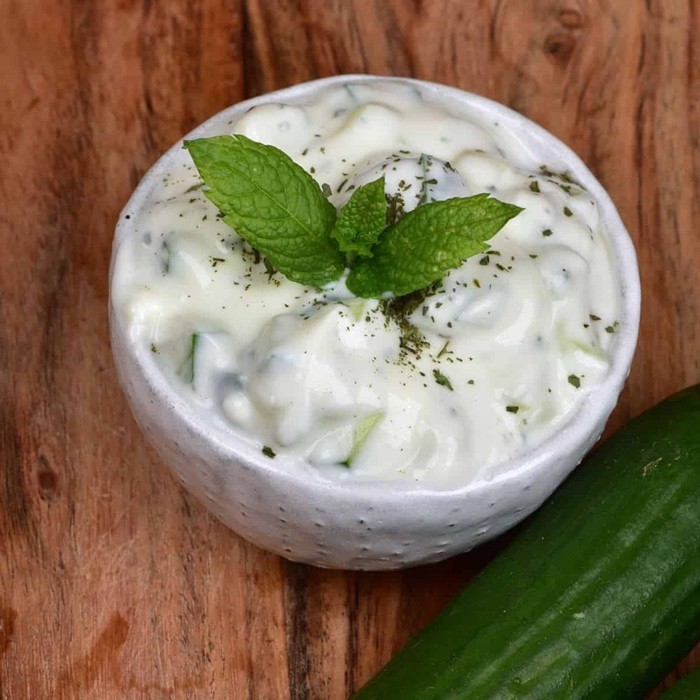
Place yogurt, water, garlic and salt in food processor and process for a few seconds. Transfer to a bowl and mix with mint and cucumber. Best served chilled for a few hours. When serving, add a few ice cubes to add additional refreshment! Makes about four servings.
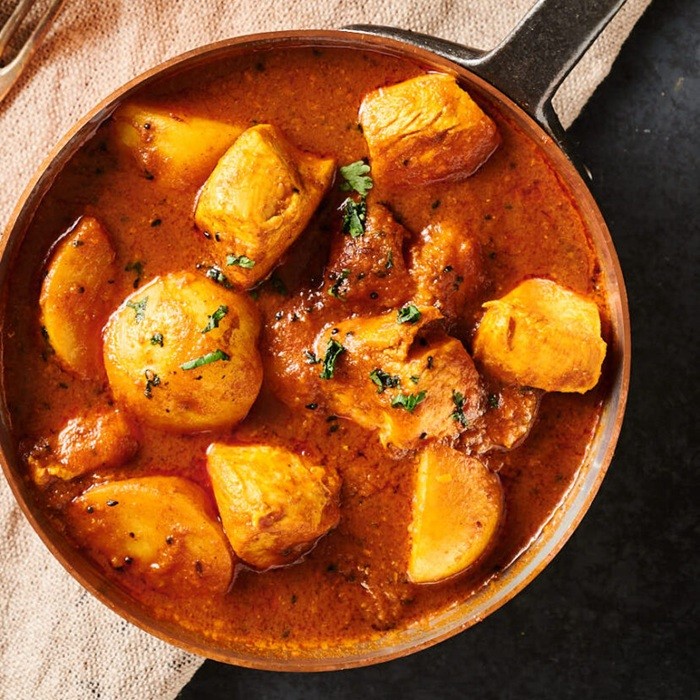
Heat the olive oil in a large skillet over medium-high heat. Cook and stir the onions in the hot oil until translucent, about 5 minutes. Add the ginger-garlic paste and continue cooking another 5 minutes. Reduce heat to medium; stir the tomatoes into the mixture and cook until the tomatoes are pulpy, 5 to 10 minutes. Season with the cayenne pepper, curry powder, garam masala, turmeric, and cumin; cook and stir another 5 minutes. Add the chicken and potatoes to the mixture in the skillet; simmer, stirring occasionally, until the potatoes are tender and the chicken is no longer pink in the center, about 20 minutes. Sprinkle the cilantro over the mixture and continue simmering another 10 minutes. Serve hot.
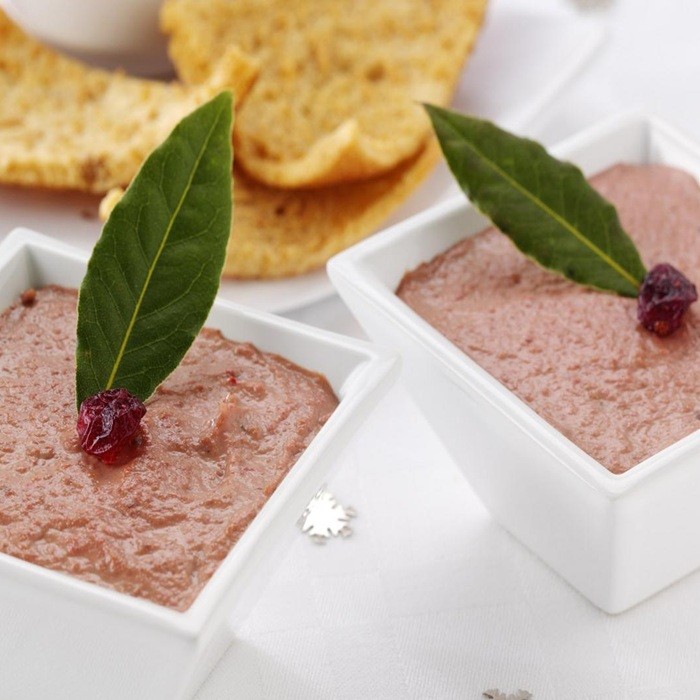
Clean livers of sinews and gall. Put into a fireproof casserole with all other ingredients roughly chopped. Season and cover with milk. Put the lid on the casserole and cook in a slow oven (300ºF) for 2 hours. Liquidize in a blender. Adjust seasoning. Add sherry or brandy. Put in a dish and cover with melted butte
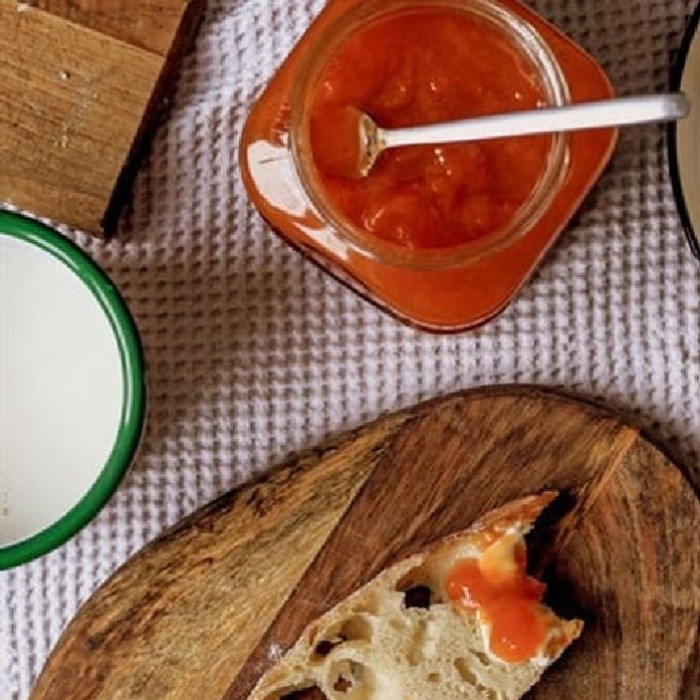
1. Remove the skin of the pumpkin. Also remove the inner seeds. 2. Cut the flesh into 2cm cubes. 3. Take the zest off the oranges, with as little pith as possible, and cut into matchstick-sized strips. 4. Extract the juice from the oranges. Remove the seeds from the cardamom pods and reserve. 5. Place the pumpkin, orange juice, orange strips, sugar and whole cardamom pod seeds in a large pan, mix well and leave to marinate for about 10 hours or overnight. Stir occasionally. 6. Bring the mixture to the boil, then reduce the heat and simmer until the liquid has thickened and become syrupy. This can take about an hour or a little bit longer. Leave to cool then place in clean, dry jars. Enjoy!

In a bowl of warm water, add tapioca pearls and allow them to soak for 20 minutes. Prepare bananas by peeling them and cutting them into ½ inch slices. Set the slices aside On a stove, pour in 4 cups of water and bring it to a boil. Add in the banana slices. After 20 minutes, drain the tapioca pearls in cold water to allow the pearls to separate from each other. Add the tapioca pearls into the the pot. Allow to simmer for 3 minutes or until the tapioca pearls turn clear. Next, add in sugar and pour in the coconut cream. Stir the ingredients gently for 3 minutes to incorporate the flavors. Add salt to taste.
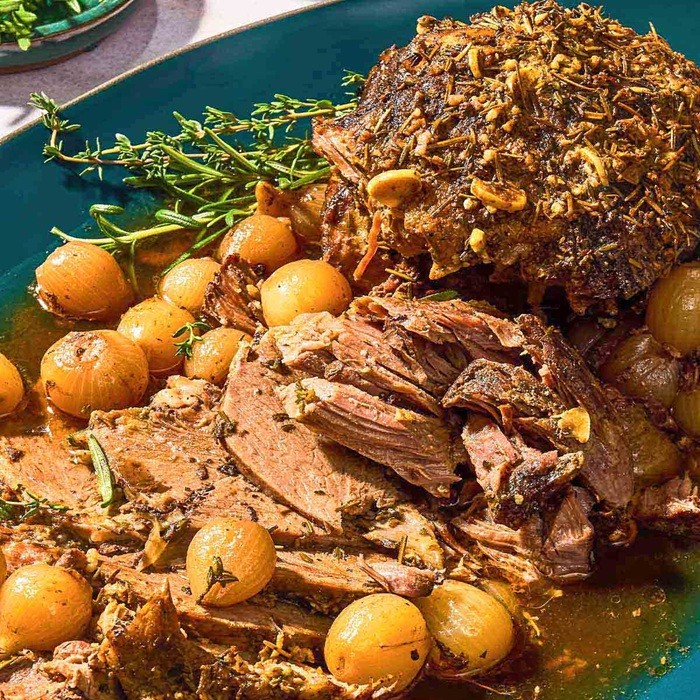
Place all of the above ingredients into your roaster pan at least two days before you want to eat. Stir occasionally throughout the days to distribute marinade evenly. Bake at a 350-degree oven for 1 hour to 1 1/2 hours or until meat is not red when sliced. You can also make these on skewers if you wish to go through the process of spearing the meat with other veggies to grill. Freezes well.

Toast the bread slices -- either in a toaster, or by baking them in the oven at 400°F -- until crispy and golden. (Toasting/baking time will totally depend on the type and thickness of your bread.) Take a clove of garlic and rub it cut-side-down all over the top of a slice of bread. Take a tomato half and rub it cut-side-down all over the top of the bread. Drizzle the bread evenly with a hint of olive oil. Sprinkle with a pinch of salt. Repeat with the remaining slices of bread. Then serve immediately while they're nice and warm!
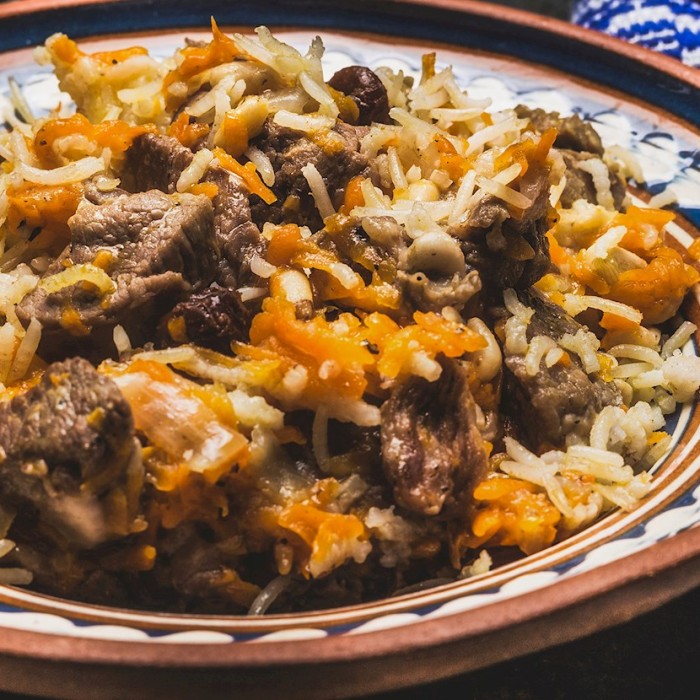
1. Place the meat cut into pieces, in a large pan with the onions. Add the turmeric and enough water to cover. Bring to the boil then cook gently until the meat is very tender and can easily be removed from the bones. 2. While the meat is cooking, cut the orange peel into thin match style pieces, removing as much pith as possible. Leave to soak in a bowl of water. 3. When the meat is tender, remove from the pan and when cool enough, remove the meat from the bones and shred the meat into strips with your hands. Return the meat to the pan. 4. Wash the short grain rice and then add to the pan with salt according to taste. The juices should cover the rice by about 2cm, add more water if necessary. Bring back to the boil, then reduce the heat to medium and cook with the lid off, stirring from time to time until the rice is "al dente" and the liquid is absorbed. 5. Add the natural yoghurt, and stir in well but carefully. Fry the crushed cloves of garlic in the oil and add to the dish along with the dill, black pepper, the chickpeas and extra salt to taste. 6. Mix in well, then cover the top of the pan with a clean thick cloth and the lid. Leave on a low heat for about half an hour to allow the flavours to absorb. Enjoy with some warm nan bread for extra comfort.
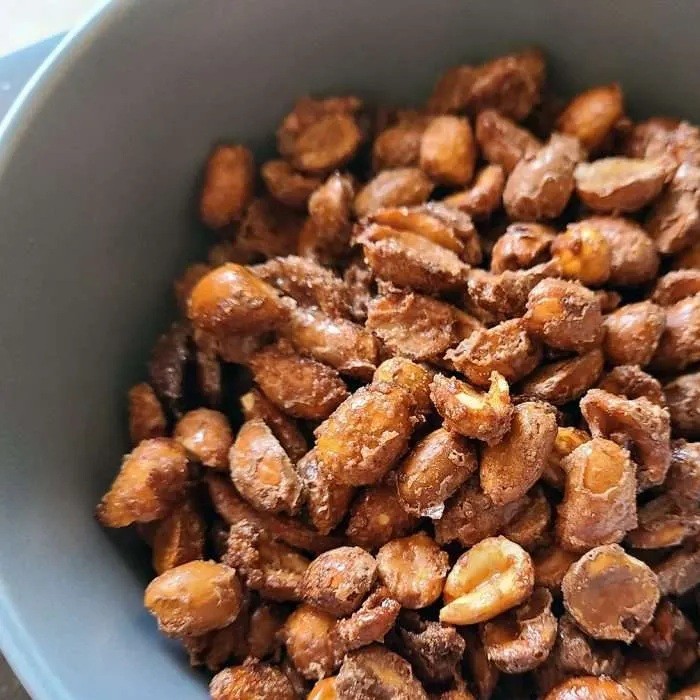
1 In a large heavy saucepan, combine the peanuts, sugar and water. Bring to a boil; cook until syrup has evaporated, about 10 minutes. 2 Spread peanuts in a single layer in a greased 15x10x1-in. baking pan; sprinkle with salt. 3 Bake at 300° for 30-35 minutes or until dry and lightly browned. Cool completely. Store in an airtight container.

1. To prepare the dough, sift the flour with 1tsp of salt into a mixing bowl. Slowly mix in as much of the water is required, until a stiff dough is formed. Knead on a clean work surface for 5-10 minutes, until the dough is elastic and shiny. Cover with a damp cloth and set aside for about an hour. 2. Put the chopped lamb, onions, chilli, 1 tsp salt, ground pepper and spices in a bowl and mix thoroughly. 3. Divide the dough into 4 small balls, and roll out to a thickness of 1.5mm, cutting into 10cm squares. Into each square, place 1 heaped teaspoon of the lamb mixture. 4. Take two opposite corners and bring them to join in the centre by nipping together firmly between your fingers, and then bring together to other two corners in the same manner. Note that the mantu should not be entirely closed, as the steam has to be penetrate and cook the filling! 5. Using fat to grease the shelves of the steamer, place your mantu so that there is a small space between each one. Steam for 30-45 minutes over a medium heat. 6. Meanwhile, make the tomato sauce. Heat the oil in a pan, add tomato puree, and bring to the boil. Stir and simmer on a low heat until the mantu are ready. 7. Remove the mantu carefully from the steamer and place on a large, warm dish. Spoon the tomato sauce over the top, followed by the strained yoghurt, and sprinkle with chopped coriander to garnish.
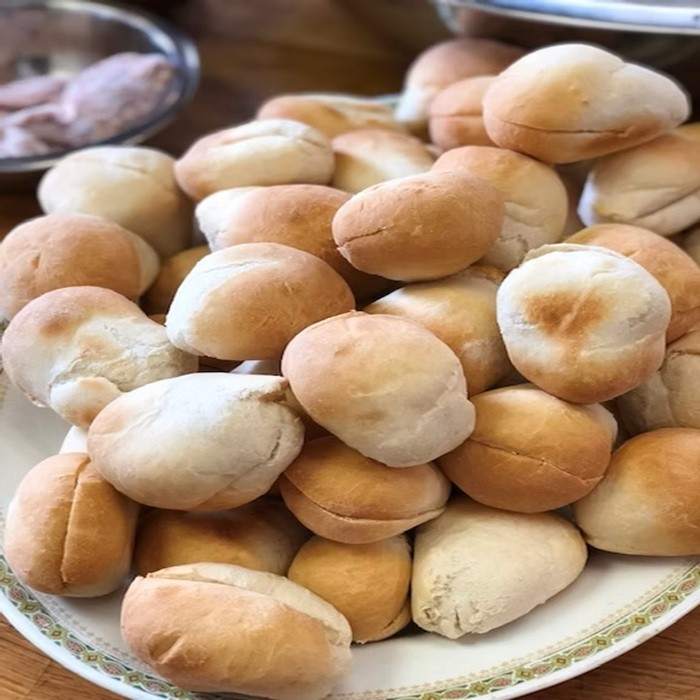
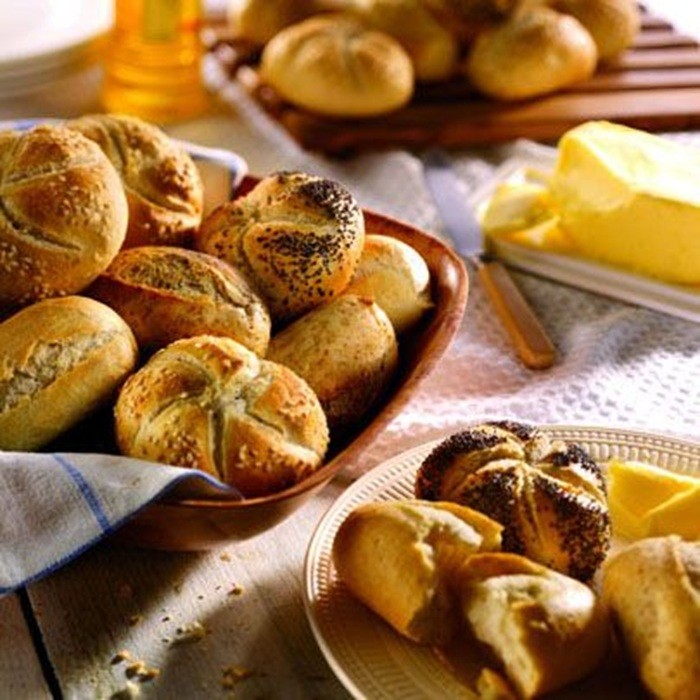
Sift half the flour, mix with salt and yeast in a large mixing bowl, and slowly add warm water until the mixture forms a stiff dough. Add more sifted flour until you have a stiff enough dough to knead. Lightly flour the work surface, knead the dough for 10 minutes until it is smooth and elastic, and then place it in a greased bowl. Now place the bowl warmly for 40-50 minutes until it has doubled. You know the dough is ready when you poke a finger, and the indentation remains. Preheat oven to 425 degrees F or 220 degrees C. Now divide the dough into 12 equal portions, roll each into a fist size ball, and place on a greased baking sheet. Now place in a warm place again for a further 40 minutes or again until the dough has doubled in size. Now place in the oven’s center and bake for 25-30 minutes until golden brown rolls sound hollow when tapped.
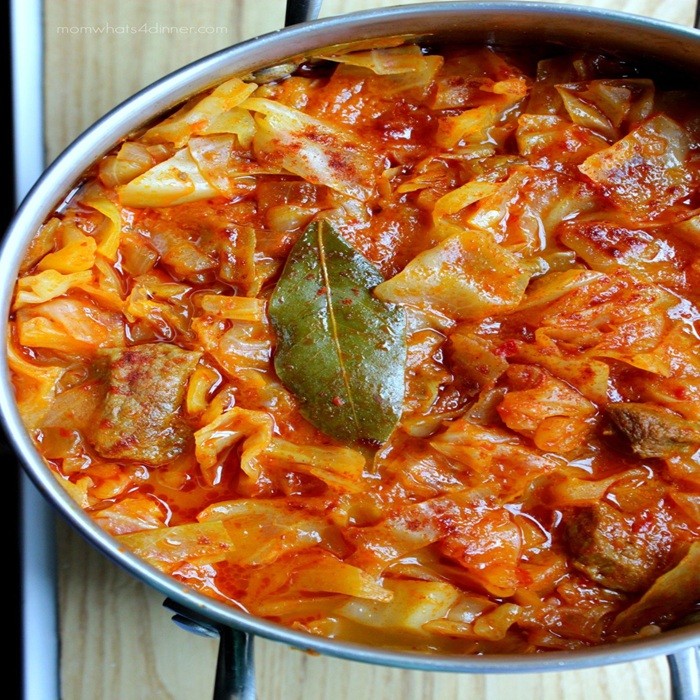
1 Cooking Add some olive oil to a saute pan or saucepan (one with a lid). One heated add in the onions, diced beef, red peppers and fry for 5 minutes stirring occasionally. The meat should be fully browned. 2 Add the paprika, tomato puree, chilli flakes and season with salt and pepper. Mix together and continue to fry for 2 minutes. 3 Add the cabbage and stir the mixture together. Fry the mixture while stirring occasionally for 3-5 minutes. Most of the oil should have burned away. 4 Pour the boiling water into the pan, ensuring that the water level completely covers the cabbage, plus about 1 inch above it. Put on the lid and bring to the boil. 5 Leave to simmer for 2.5 hours. The stew is ready when the cabbage is soft and meat tender. 6 Serving Serve into wide bowls and leave to cool for 5 minutes.

Step 1 Allow butter to come to room temperature before beating in a bowl until creamed. Season with salt and a small, delicate pinch of nutmeg. Step 2 Add in the egg, stirring vigorously. Sprinkle the semolina over this, and mix it in well until the surface is smooth. Cover with saran wrap and leave to rest for 15 – 20 minutes. Step 3 Use two spoons, dipped regularly into hot water throughout, to press or shape dumplings from the paste. You can also place these on a lightly oiled board or plate and again leave them to stand for a short while (this allows the dumplings to rise even more). Step 4 Heat a generous quantity of salted water in a large pan. Place the dumplings into the water and bring them back to a boil before turning down the heat and leaving to simmer gently for 10 – 15 minutes (do not boil). Carefully turn the dumplings occasionally. Step 5 Remove the semolina dumplings carefully and put them in the heated soup. Serve promptly, with a garnish of sprinkled parsley or chives. Step 6 The semolina dumplings can also be cooked in the beef broth, but this causes the soup to take on a slightly dull appearance. The cooked dumplings should never be left standing in the soup for too long, as they will “soak up” the soup and become softened.
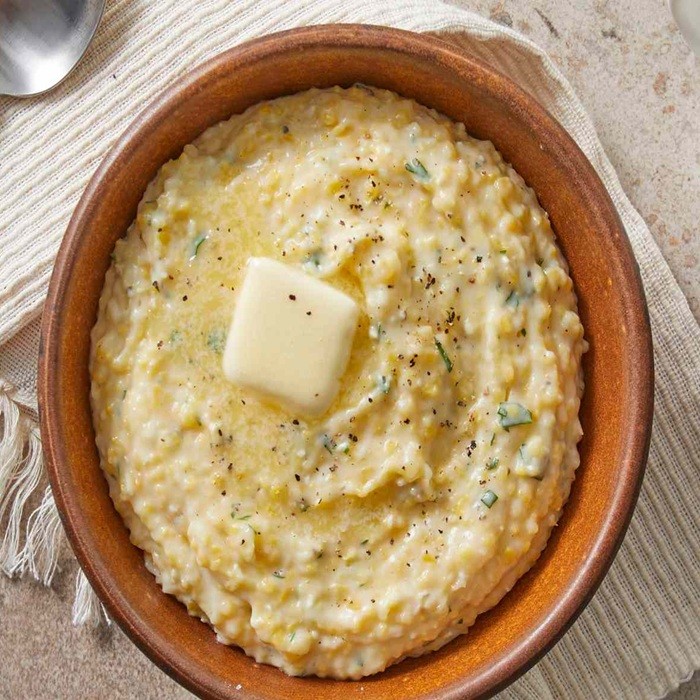
Bring water with salt to a boil then add grits; reduce heat and cover. occasionally stirring. Cook approximately 15 minutes or until grits have desired consistency. Cool then serve