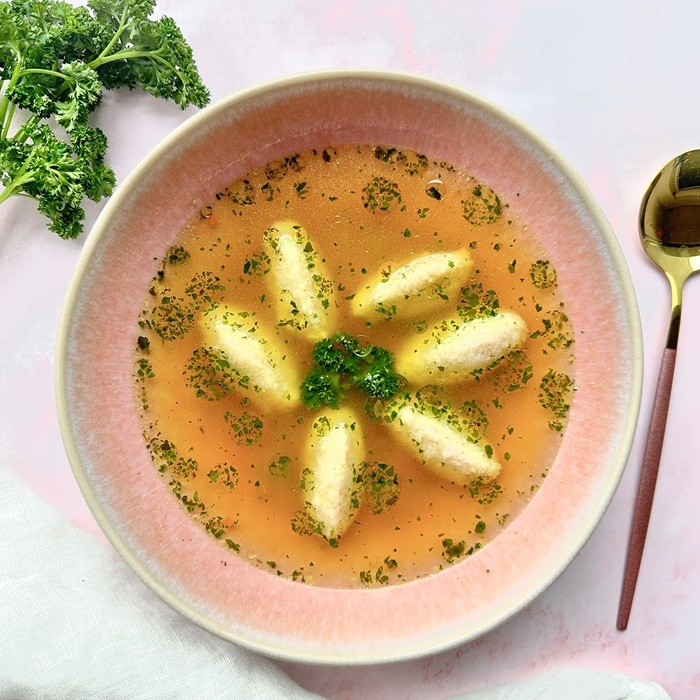
Step 1 Allow butter to come to room temperature before beating in a bowl until creamed. Season with salt and a small, delicate pinch of nutmeg. Step 2 Add in the egg, stirring vigorously. Sprinkle the semolina over this, and mix it in well until the surface is smooth. Cover with saran wrap and leave to rest for 15 – 20 minutes. Step 3 Use two spoons, dipped regularly into hot water throughout, to press or shape dumplings from the paste. You can also place these on a lightly oiled board or plate and again leave them to stand for a short while (this allows the dumplings to rise even more). Step 4 Heat a generous quantity of salted water in a large pan. Place the dumplings into the water and bring them back to a boil before turning down the heat and leaving to simmer gently for 10 – 15 minutes (do not boil). Carefully turn the dumplings occasionally. Step 5 Remove the semolina dumplings carefully and put them in the heated soup. Serve promptly, with a garnish of sprinkled parsley or chives. Step 6 The semolina dumplings can also be cooked in the beef broth, but this causes the soup to take on a slightly dull appearance. The cooked dumplings should never be left standing in the soup for too long, as they will “soak up” the soup and become softened.
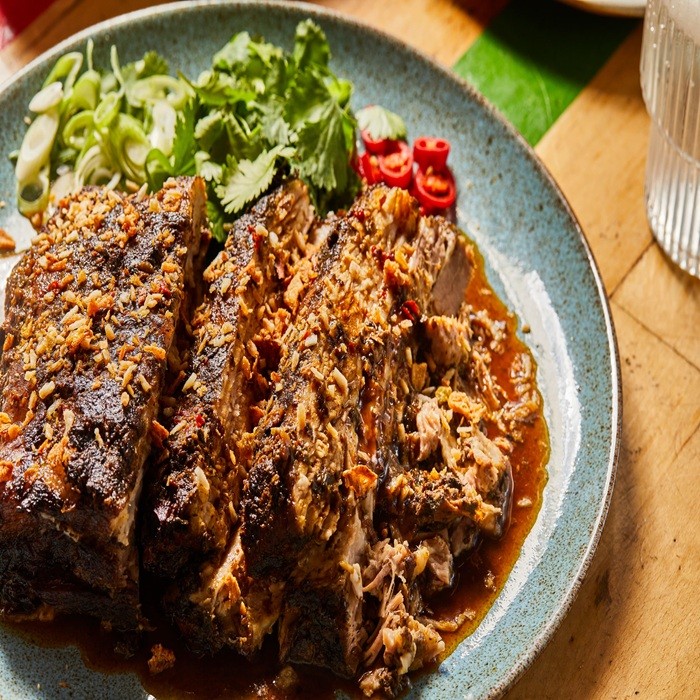
Blitz all the marinade ingredients in a food processor or with a hand blender. Lay the pork in a large dish, pour over the marinade, then turn the meat in the mixture, rubbing in the marinade all over and making sure every bit of the belly is coated. Cover the dish and leave overnight in the fridge. The next day, heat the oven to 140C (120C fan)/275F/gas 1. Lift the meat out of its marinade (don’t wipe off any that sticks to the joint, though; just leave most of the marinade behind in the dish) and transfer to a large roasting dish. Cover with foil, slip into the oven and roast for four and a half hours – every now and then (say, three or four times over the whole cooking period), take the dish out of the oven, lift off the foil lid and spoon the juices from the bottom of the dish over the meat. Return the foil lid, then put back in the oven. After the time is up, remove the foil, turn up the heat to 180C (160C fan)/350F/gas 4 and give the pork a final blast – after 15-20 minutes, the top will take on a lovely colour and the meat should be yielding and soft enough to cut with a spoon. To make crackling shards to serve with the meat, heat the oven to 200C (180C fan)/390F/gas 6 and line a roasting tray with baking paper. Lightly score the skin from the pork belly with a sharp knife, then rub it with a three or four fat pinches of salt – I also like to add a few caraway, cumin or fennel seeds at this point (use anything that takes your fancy). Cut the skin into long strips and lay these fat side down on the lined tray (you can, of course, leave it whole, but I think its pleasing to dress the plate with long, golden shards of crackling). Lay a second sheet of baking paper on top of the skin, then put a second baking tray of the same size on top, and roast for 45 minutes to an hour (if by this point the crackling has not gone crisp, just put it back in the oven and carry on roasting it until it has). Cut or pull the pork apart, top with finely chopped coriand

Grate finely and toss together. 1 lb. sharp yellow cheese (cheddar or oude boerenkaas) 1 lb. keshi di buriko (or any white cheese such as fromage blanc, queso blanco, ricotto, feta etc.) Stir in: 6 eggs, beaten 5 Tbs. Cornstarch Shape the mixture into small balls. These may be kept indefinitely in the freezer. Drop the balls into deep, hot fat and fry until golden. Serve piping hot on toothpicks.
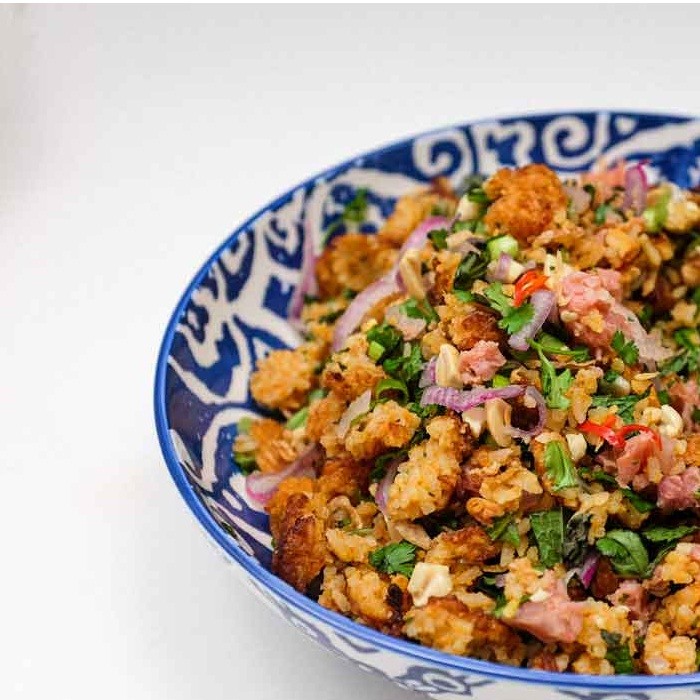
Slice the onion and shallots thinly. Let them soak in a ice water bath while preparing the rest of the meal. Grate the coconut. Put in a large bowl. Add the coconut in a large bowl. Add the rice. Using your hands, mix the coconut and rice together. Roll the mixture to form 2-inch rice ball croquettes. Heat up the cooking oil in a pot or pan. Beat two eggs and a large bowl. Dip the balls into the egg mixture. Then, drop the balls into the cooking oil. Allow the balls to turn a dark amber brown color. Deep fry until crispy, crunchy, and golden. Remove and set on paper towel to drain excess oil. Once cooled, break apart the rice balls and add into a larger bowl. Drain the onion and the shallots. Make sure you tear the pork sausage up into small pieces. You can use a knife too, but the traditional method is tearing. In the large bowl, add in the onion, shallots, sour pork sausage, pickled garlic, lime juice, fish sauce, sugar, cilantro, hot mint, regular mint. Top with peanuts. Serve with Lettuce, dry chilli, and other fresh vegetables. Preserving Naem Khao Recipe Naem Khao can be kept in the refrigerator for 4 days. It can then be served chilled. It should not be frozen. Serving Naem Khao Nam Khao is generally served with lettuce leaves and a variety of different herbs like hot mint, mint, basil, and perilla.

Bring salted water to boil in a large pot. Add in the cabbage and potatoes, cook until tender about 30-40 minutes When tender, drain, very well. Return the vegetables to the pot and turn on the burner to low. Let steam Meanwhile cook up the bacon, reserving the fat for frying the hash. Chop up the bacon, into small pieces. Mash the potatoes and cabbage with a potato masher and add in the minced garlic. Add in salt and pepper to taste. Using a form for individual servings, press the hash mixture into the form with bacon on top, fry in the reserved bacon fat until golden brown, flip over and repeat on the other side. Remove form and garnish with chopped parsley. If you want to make one big hash, just use a skillet, pressing the hash into the skillet with the bacon pieces and reserved fat, then flip over once golden brown. Cut into servings. Garnish with chopped parsley.
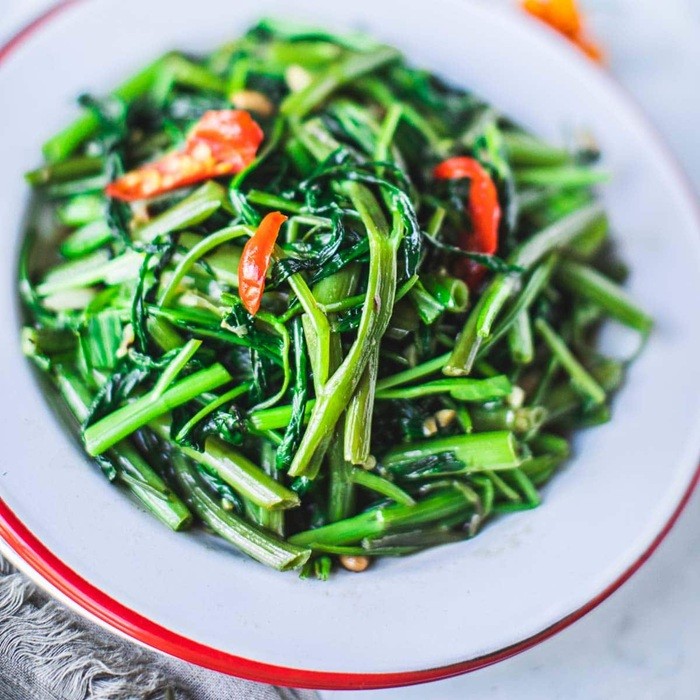
In a wok or large pan, heat 1 tablespoon of vegetable oil over medium heat. Once the oil is hot, add the garlic and stir-fry for about 30 seconds, until fragrant but not burnt. Add the minced pork to the pan and break it up with a spatula. Stir-fry until the pork is fully cooked and browned, about 2-3 minutes. Stir in the fermented soy beans and cook for another minute, mixing it thoroughly with the pork. Toss in the cut morning glory and stir-fry for 2-3 minutes to retain its bright green colour and crisp texture. Check the seasoning and adjust with fish sauce or sugar if needed. Transfer to a serving dish and serve immediately with steamed rice.
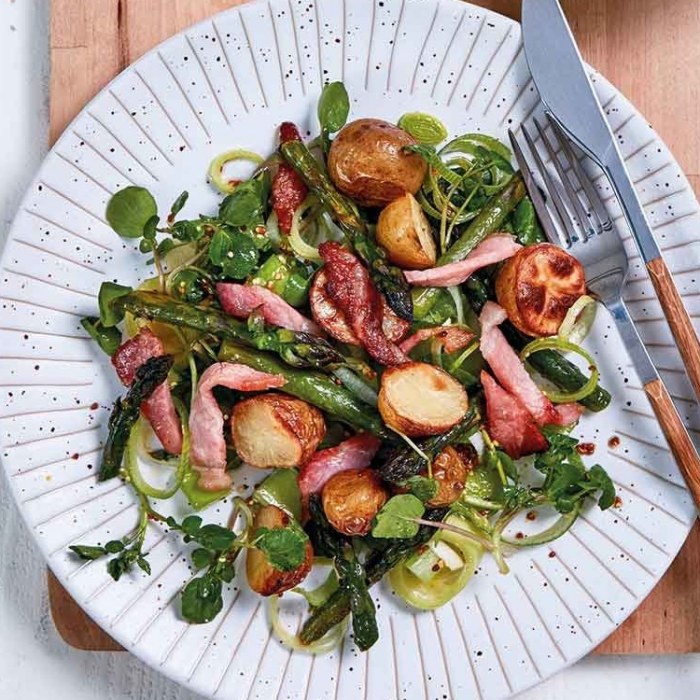
step 1 Preheat the oven to 200C/Gas 6/fan 180C. Snap off the woody ends of the asparagus and discard. Arrange the asparagus in a single layer in a baking tray with sides. Cut the tomatoes in half widthways, nestle them in with the asparagus, season with sea salt and pepper and drizzle with olive oil. Roll each bacon rasher into a tight roll (if large, first cut in half crosswise), and arrange in the tray. Drizzle the bacon rolls with the honey and bake for 20 minutes until the tomatoes are soft and the bacon is crisp. step 2 In the meantime, boil the potatoes until tender. Whisk the vinegar, olive oil, mustard, some sea salt and pepper in a large bowl until blended. Toss the rocket or spinach leaves in half of the dressing, and arrange on a large serving platter. step 3 Drain the potatoes and cut in half. Gently toss them in the rest of the dressing, and arrange on the platter with the asparagus. Tuck in the tomatoes and bacon.
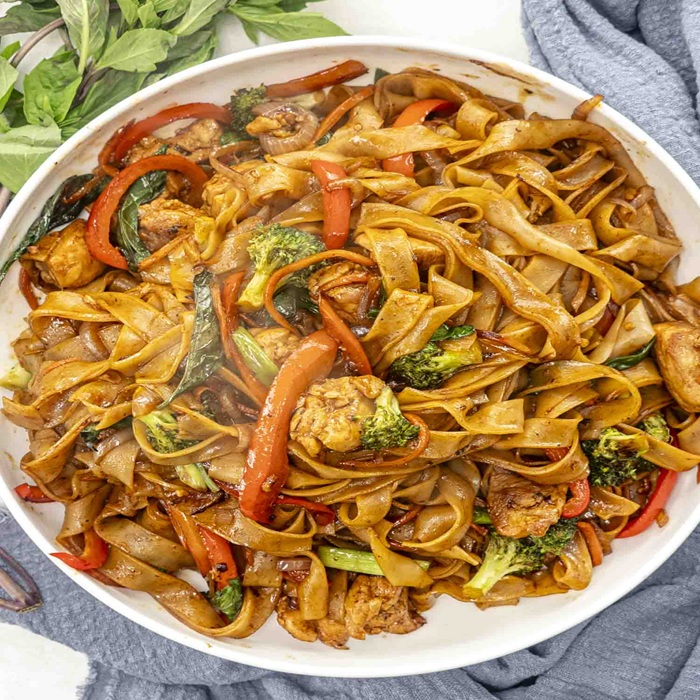
step 1 Prepare the noodles following pack instructions, then drain and set aside. Combine all the ingredients for the sauce in a small bowl or jug, and set aside. step 2 Heat the oil in a large wok or frying pan over a high heat and stir-fry the garlic and chilli for 20 seconds until just starting to turn golden. Add the steak and stir-fry for 1 minute until seared and starting to brown. Add the broccoli and stir-fry for another minute, then tip in the noodles and add the sauce. Stir-fry for another 1-2 mins until well combined and piping hot. step 3 Stir through the basil and turn off the heat. Serve immediately to avoid overcooking.
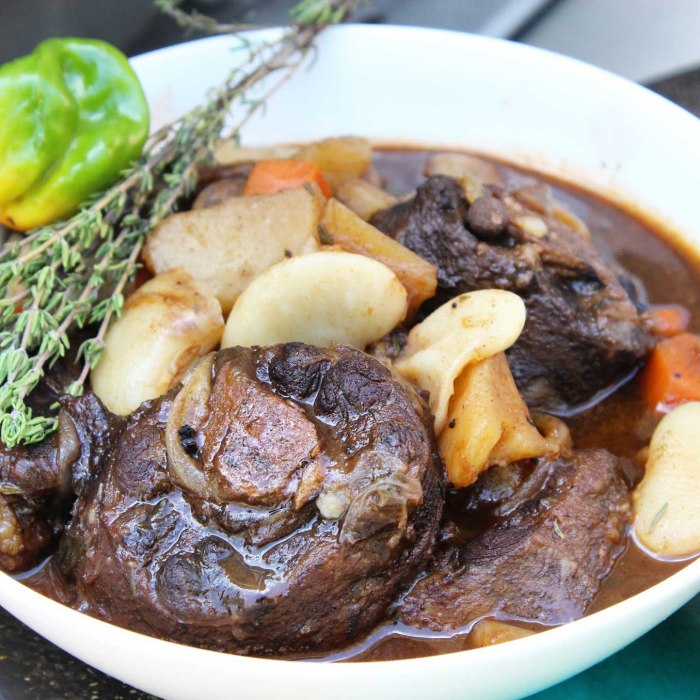
Toss the oxtail with the onion, spring onion, garlic, ginger, chilli, soy sauce, thyme, salt and pepper. Heat the vegetable oil in a large frying pan over medium-high heat. Brown the oxtail in the pan until browned all over, about 10 minutes. Place into a pressure cooker, and pour in 375ml water. Cook at pressure for 25 minutes, then remove from heat, and remove the lid according to manufacturer's directions. Add the broad beans and pimento berries, and bring to a simmer over medium-high heat. Dissolve the cornflour in 2 tablespoons water, and stir into the simmering oxtail. Cook and stir a few minutes until the sauce has thickened, and the broad beans are tender.
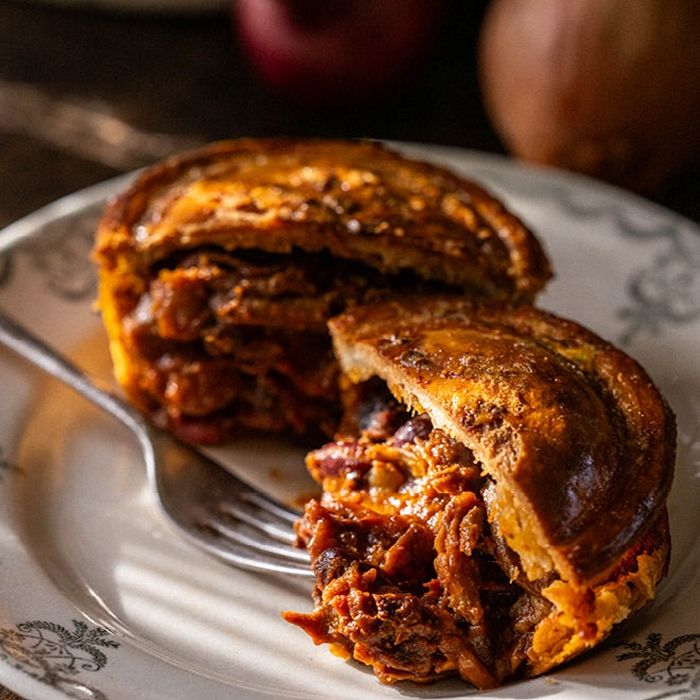
step 1 To make chilli, heat oil in a pan and fry onion for 5 mins until soft. Add spices; fry for 1 min. Stir in beef and cook for a few mins. Add tomato purée, stock and cinnamon. Give it a stir, bring to the boil, then simmer for 15-20 mins until very little liquid is left. Add beans 5 mins before the end of cooking. Check seasoning and cool. step 2 Heat oven to 200C/fan 180C/gas 6. Using a 7cm pastry cutter, stamp out 12 circles from the pastry. Use to line a 12-hole mini muffin tray, prick the base of the pastry with a fork, and bake for 10 mins. Remove from oven and cool on a wire tray. Repeat with remaining pastry. step 3 Meanwhile, cook the potato in boiling water until tender. Drain, mash with soured cream and seasoning, then stir through chives. Spoon 1-2 tsp of chilli mix into the pastry cases and top with a tsp of mash. Ruffle mash with a fork; return to the oven for 15 mins or until golden.
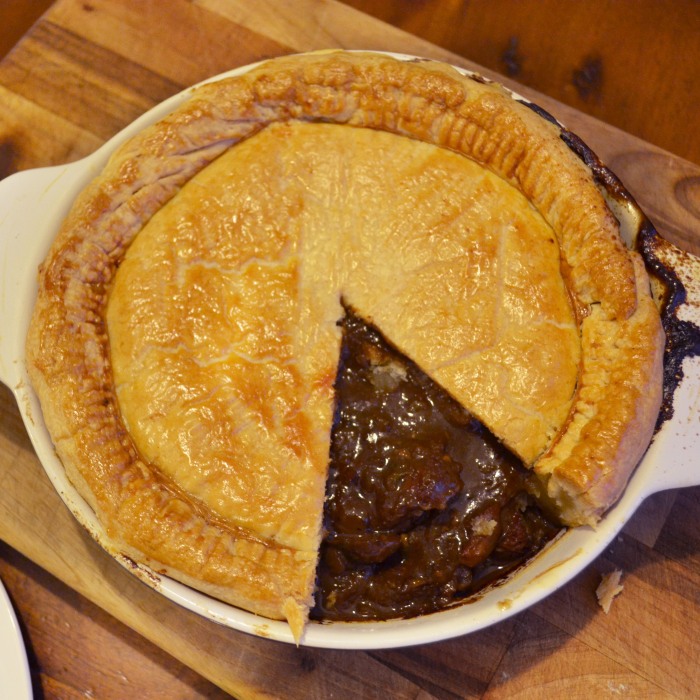
Season the beef cubes with salt and black pepper. Heat a tablespoon of oil in the frying pan and fry the meat over a high heat. Do this in three batches so that you don’t overcrowd the pan, transferring the meat to a large flameproof casserole dish once it is browned all over. Add extra oil if the pan seems dry. In the same pan, add another tablespoon of oil and cook the shallots for 4-5 minutes, then add the garlic and fry for 30 seconds. Add the bacon and fry until slightly browned. Transfer the onion and bacon mixture to the casserole dish and add the herbs. Preheat the oven to 180C/350F/Gas 4. Pour the stout into the frying pan and bring to the boil, stirring to lift any stuck-on browned bits from the bottom of the pan. Pour the stout over the beef in the casserole dish and add the stock. Cover the casserole and place it in the oven for 1½-2 hours, or until the beef is tender and the sauce is reduced. Skim off any surface fat, taste and add salt and pepper if necessary, then stir in the cornflour paste. Put the casserole dish on the hob – don’t forget that it will be hot – and simmer for 1-2 minutes, stirring, until thickened. Leave to cool. Increase the oven to 200C/400F/Gas 6. To make the pastry, put the flour and salt in a very large bowl. Grate the butter and stir it into the flour in three batches. Gradually add 325ml/11fl oz cold water – you may not need it all – and stir with a round-bladed knife until the mixture just comes together. Knead the pastry lightly into a ball on a lightly floured surface and set aside 250g/9oz for the pie lid. Roll the rest of the pastry out until about 2cm/¾in larger than the dish you’re using. Line the dish with the pastry then pile in the filling, tucking the oysters in as well. Brush the edge of the pastry with beaten egg. Roll the remaining pastry until slightly larger than your dish and gently lift over the filling, pressing the edges firmly to seal, then trim with a sharp knife. Brush with beaten egg to glaze. Pu
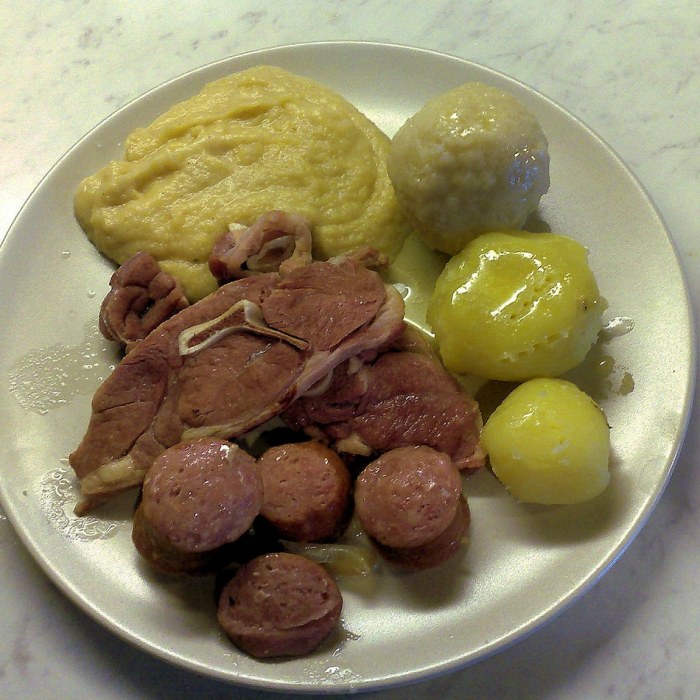
Raspeballer & (Optional) Salted Meat ▢ If you're making pork knuckle, cook it in simmering water for about 3 hours, until the meat falls from the bone. Remove the pork and save the broth to cook the raspeballer. ▢ Boil the boiled potatoes and peel once cooled. Also peel the raw potatoes, and then grate them or run them through a food processor. Use a paper towel to remove some of the moisture from the grated potatoes. ▢ Mash the boiled potatoes in a potato ricer or with a masher. Make sure there are no lumps. Add the grated raw potatoes to the mashed potatoes in a large mixing bowl and stir together. Add the barley flour, all purpose flour, and salt and mix together with your hands until the mixture is fully blended. ▢ You can cook the raspeballer in either vegetable or beef broth, or if you're making pork knuckle, cook them in the broth from the pork knuckle. Bring the broth to a very light simmer – you don't want it to fully boil because then the raspeballer might break apart. ▢ Use a tablespoon dipped in cold water to shape each raspeball in your hand. Try to make them as smooth as possible and then gently drop them into the simmering broth. Dip the tablespoon in a bowl of cold water between each raspeball. ▢ Let the raspeballer simmer for about 30 minutes. If you're making smoked sausage, you can heat the sausage in the same pot with the raspeballer. Top with fresh chopped parsley. Mashed Rutabaga ▢ Peel the rutabaga and carrots and cut into small pieces. Boil in water for about 30 minutes, or until tender. Then drain the water, add the cream/milk, butter and nutmeg and mash until smooth. ▢ Serve alongside the raspeballer and meat.

step 1 Wash the wild garlic leaves well in a colander, then pour over boiling water from the kettle until just wilted. Immediately rinse under cold running water, then squeeze out the excess water and finely chop. step 2 Warm the milk in a pan over a low heat until just steaming. Heat the oil or butter in a second pan and, once warm or melted, stir in the flour for a couple of minutes until it starts to brown a little. Gradually add the warm milk, a little at a time, until you have a thick, silky sauce. Bubble for a minute or two, stirring to make sure all the flour has cooked out. Season. step 3 Add the manchego, jamón and wild garlic to the pan, and beat to combine. Tip out onto a lightly oiled baking tray or plate, spread out then cover and chill for at least 1 hr. Will keep chilled for up to 24 hrs. step 4 Lightly oil your hands and shape the mixture into 18-20 even-sized balls. Arrange on a baking tray and freeze for 30 mins to firm up. step 5 Beat the egg in a shallow dish with a little seasoning. Tip the panko into a second dish. Dip each of the croquetas in the egg, then turn to coat in the breadcrumbs. At this point, the raw croquetas can be frozen for up to three months. Pour the oil into a large, deep pan ensuring it is no more than a third full and heat to 170C, or until a cube of bread browns lightly in 30 seconds. Fry the croquetas in batches for 2-3 mins until deeply golden. To cook from frozen, fry at 160C for a few minutes longer until they’re piping hot inside. Remove to a sheet of kitchen paper using a slotted spoon and leave to drain. Serve warm with a glass of sherry.
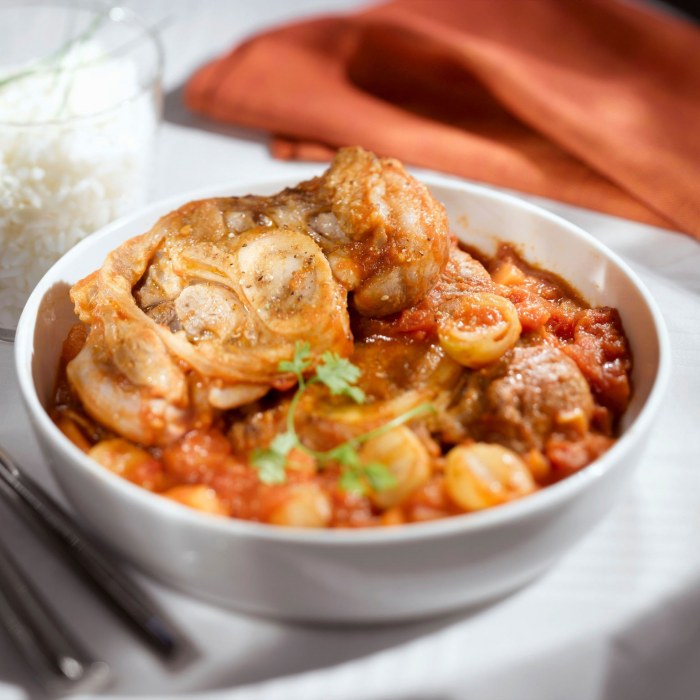
Heat the oven to 300 degrees. Dredging the shanks: pour the flour into a shallow dish (a pie plate works nicely). Season the veal shanks on all sides with salt and pepper. One at a time, roll the shanks around in the flour coat, and shake and pat the shank to remove any excuses flour. Discard the remaining flour. Browning the shanks: put the oil and 1 tablespoon of the butter in a wide Dutch oven or heavy braising pot (6 to 7 quart) and heat over medium-high heat. When the butter has melted and the oil is shimmering, lower the shanks into the pot, flat side down; if the shanks won’t fit without touching one another, do this in batches. Brown the shanks, turning once with tongs, until both flat sides are well caramelized, about 5 minutes per side. If the butter-oil mixture starts to burn, lower the heat just a bit. Transfer the shanks to a large platter or tray and set aside. The aromatics: pour off and discard the fat from the pot. Wipe out any burnt bits with a damp paper towel, being careful not to remove any delicious little caramelized bits. Ad the remaining 2 tablespoons butter to the pot and melt it over medium heat. When the butter has stopped foaming, add the onion, carrot, celery, and fennel. Season with salt and pepper, stir, and cook the vegetables until they begin to soften but do not brown, about 6 minutes. Stir in the garlic, orange zest, marjoram, and bay leaf, and stew for another minute or two. The braising liquid: add the wine, increase the heat to high, and bring to a boil. Boil, stirring occasionally, to reduce the wine by about half, 5 minutes. Add the stock and tomatoes, with their juice, and boil again to reduce the liquid to about 1 cup total, about 10 minutes. The braise: Place the shanks in the pot so that they are sitting with the exposed bone facing up, and pour over any juices that accumulated as they sat. Cover with parchment paper, pressing down so the parchment nearly touches the veal and the edges hang over the sides of the pot

Add hind shank, 1 halved small onion, halved bell pepper, 4 whole garlic cloves, the dark green leaves of the leek, and stock to a large stockpot. Cook for 45-60 minutes until the meat is fork-tender. NOTE: the meat can take a bit longer to be fork-tender; that is okay, just add more cooking time if necessary. When the meat is tender, remove the big pieces of vegetables and bones. Discard. Add diced onion, 2 minced garlic, mini sweet peppers, sliced leeks (light green part), scallions, yucca, and corn; Mix and simmer covered over medium heat for 5- 8 minutes, until the yucca is starting to soften. NOTE: the yuca can take a bit longer to start softening; that is okay, just add more cooking time if necessary. Add yautia, white yam, and butternut squash. Mix to combine. Simmer covered over medium heat for 5 – 6 minutes, until all the root vegetables are tender. NOTE: Do not cook too much, or they will fall apart. Taste and add salt to your taste, if necessary. Add cilantro and the remaining 2 minced garlic cloves. Mix and let simmer for 2 more minutes. Serve hot in large soup bowls, dividing the meat and vegetables evenly. Add a squish of lime juice and/or hot sauce, if desired. Serve along with arepas and or casabe (cassava bread).
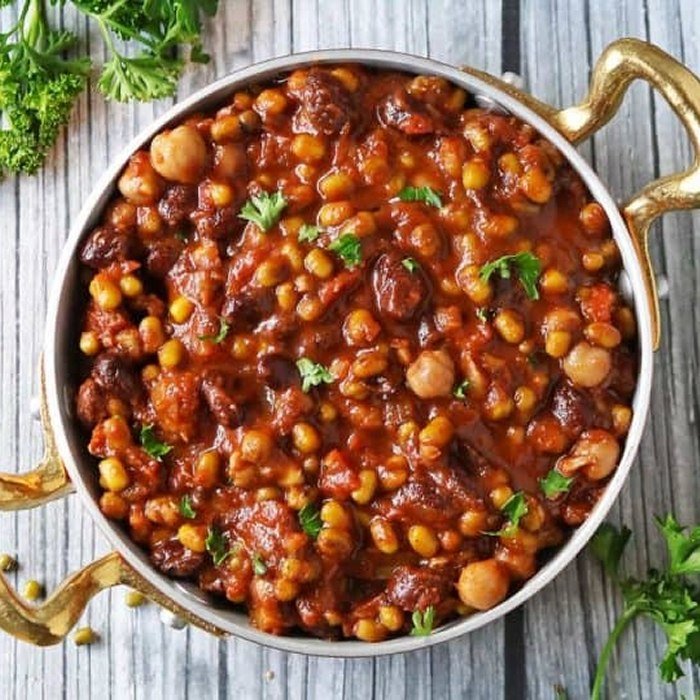
Heat the oil in a pan. Add the chopped vegetables and sauté until tender. Take a pot, empty the beans together with the vegetables into it, put the sausages inside and cook for further 20 minutes on a low heat. Or, put it in an oven and bake it at a temperature of 180ºC/350ºF for 30 minutes. This dish is even better reheated the next day.
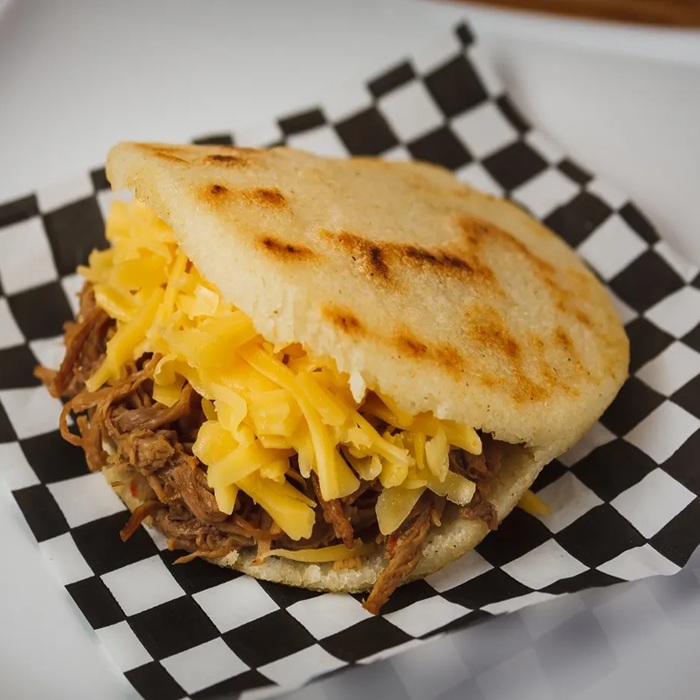
Cook the meat: Place the flank steak in a pot with broth or water and salt. Cook over low heat for about 2 hours, until tender and easy to shred. Shred the meat: Once cooked, drain and shred the meat using two forks. Prepare the vegetables: Sauté chopped onion, bell pepper, and garlic in a little oil. Add cumin, oregano, paprika, and salt. Stir in the meat and cook for a few minutes until the flavors are well combined. Make the dough: In a bowl, mix the cornmeal with warm water and salt until a soft dough forms. Let it rest for 5 minutes. Form the arepas: Divide the dough into 6 portions, shape into balls, and flatten into thick discs. Cook: Cook the arepas on a griddle or skillet over medium heat for 2–3 minutes on each side until golden. You can then bake them for a few minutes if you prefer them crispier. Fill: Slice the arepas open on one side, fill with the hot shredded beef, and top with grated cheese.
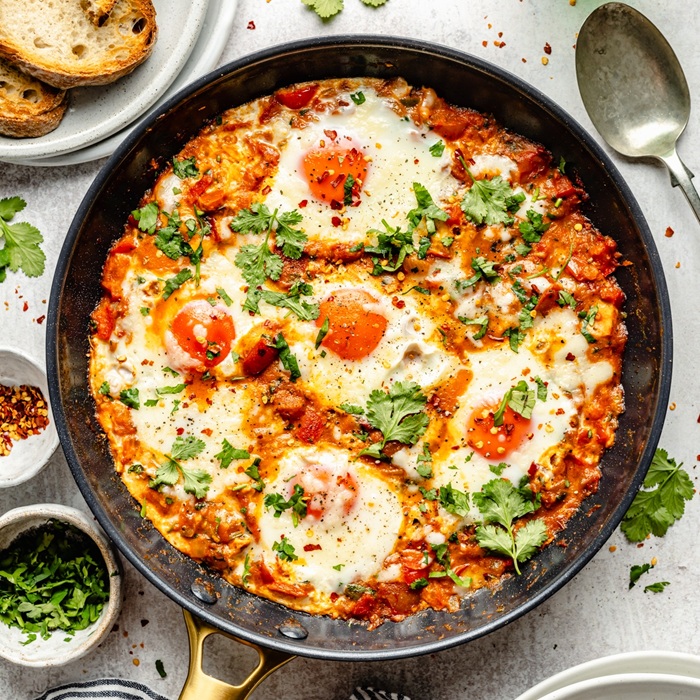
1 First, pan fry the black pepper and garlic over a dry medium heat until fragrant. 2 Add a good amount of extra virgin olive oil and infuse for a minute. 3 Once the oil heats up, add the tomatoes and salt, and cover with a lid. Simmer for 5 minutes. 4 Remove the lid and mash the tomatoes. Reduce until you reach the desired consistency of choice. 5 Make craters for the eggs and lower the heat. Carefully crack the eggs into the craters, making sure it touches the pan and not the tomato sauce. 6 Cover the eggs and leave it for 5 minutes without lifting the lid. 7 Remove from the heat and let the residual heat steam the eggs for 1-2 minutes. 8 Serve with flatbread. Enjoy!
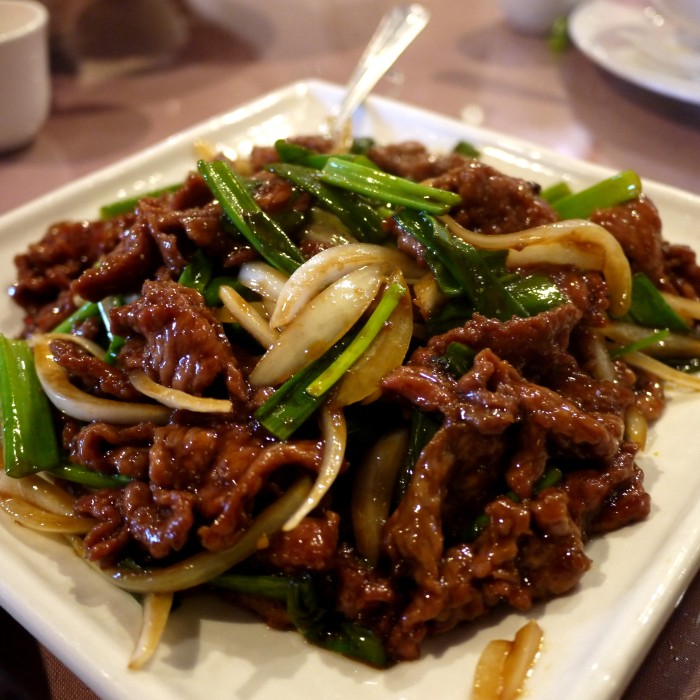
STEP 1 - MARINATING THE BEEF In a bowl, add the beef, salt, sesame seed oil, white pepper, egg white, 2 Tablespoon of corn starch and 1 Tablespoon of oil. STEP 2 - STIR FRY First Cook the beef by adding 2 Tablespoon of oil until the beef is golden brown. Set the beef aside In a wok add 1 Tablespoon of oil, minced ginger, minced garlic and stir-fry for few seconds. Next add all of the vegetables and then add sherry cooking wine and 1 cup of water. To make the sauce add oyster sauce, hot pepper sauce, and sugar. add the cooked beef and 1 spoon of soy sauce To thicken the sauce, whisk together 1 Tablespoon of cornstarch and 2 Tablespoon of water in a bowl and slowly add to your stir-fry until it's the right thickness.
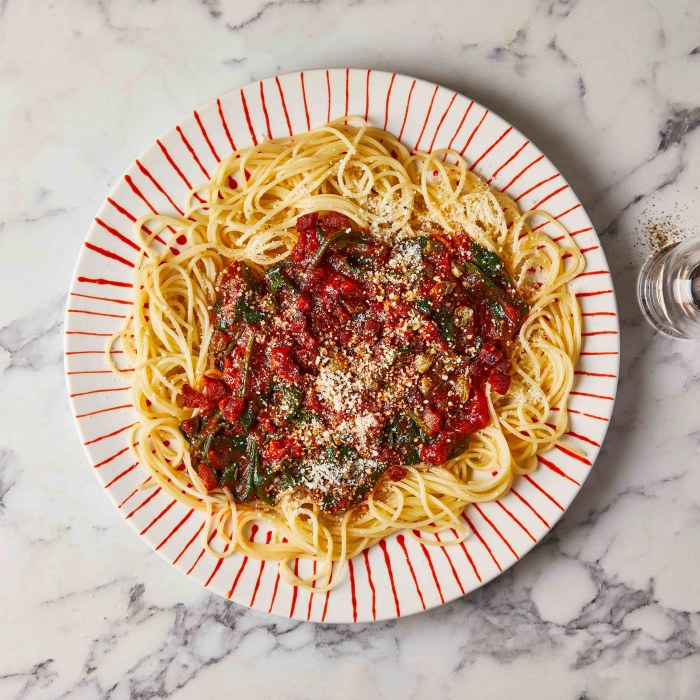
step 1 Put a pan of water on over a high heat to boil. Meanwhile, snip the chorizo into strips with scissors, and chop the parsley and peppers (check for stray seeds first). step 2 When the water is boiling briskly, add the spaghetti with a good measure of salt, stir and return to the boil. Cook for 3 minutes. step 3 In a large frying pan, heat the oil, add the chorizo and peppers and plenty of black pepper. Cook for a minute or so, until heated through and the juices are stained red from the paprika in the chorizo. Scoop half a mugful of pasta water from the pan, drain the remainder and tip the spaghetti into the frying pan. step 4 Add the parsley and parmesan, toss well and splash in the pasta water, to moisten. Hand round extra parmesan at the table.
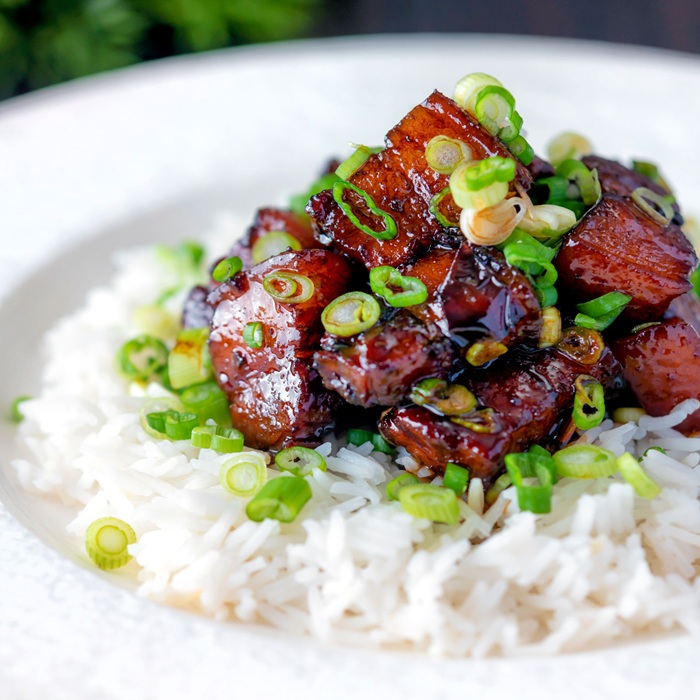
step 1 Heat 1 tbsp of the oil in a wok over a high heat and stir-fry the pork in batches until browned all over. Remove with a slotted spoon and set aside. step 2 Turn the heat right down and add the remaining oil, then stir in the shallots, ginger and chilli. Cook over a low heat for a couple of mins until just starting to soften. Add the sugar, fish sauce and 200ml water to the pan and stir everything together. Bring to the boil, stirring, so that the sugar dissolves, then return the pork to the pan. Bubble vigorously for 8-10 mins until the sauce thickens to coat the meat and become glossy. Taste and stir in a little more fish sauce, if needed, along with the chilli sauce. Sprinkle with the spring onions and serve with steamed rice and pak choi.
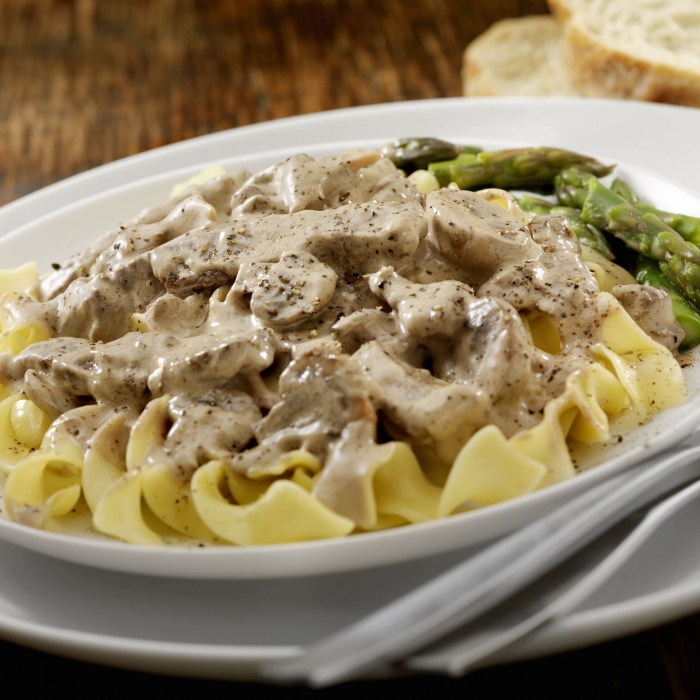
Heat the olive oil in a non-stick frying pan then add the sliced onion and cook on a medium heat until completely softened, so around 15 mins, adding a little splash of water if they start to stick at all. Crush in the garlic and cook for a 2-3 mins further, then add the butter. Once the butter is foaming a little, add the mushrooms and cook for around 5 mins until completely softened. Season everything well, then tip onto a plate. Tip the flour into a bowl with a big pinch of salt and pepper, then toss the steak in the seasoned flour. Add the steak pieces to the pan, splashing in a little oil if the pan looks particularly dry, and fry for 3-4 mins, until well coloured. Tip the onions and mushrooms back into the pan. Whisk the crème fraîche, mustard and beef stock together, then pour into the pan. Cook over a medium heat for around 5 mins. Scatter with parsley, then serve with pappardelle or rice.
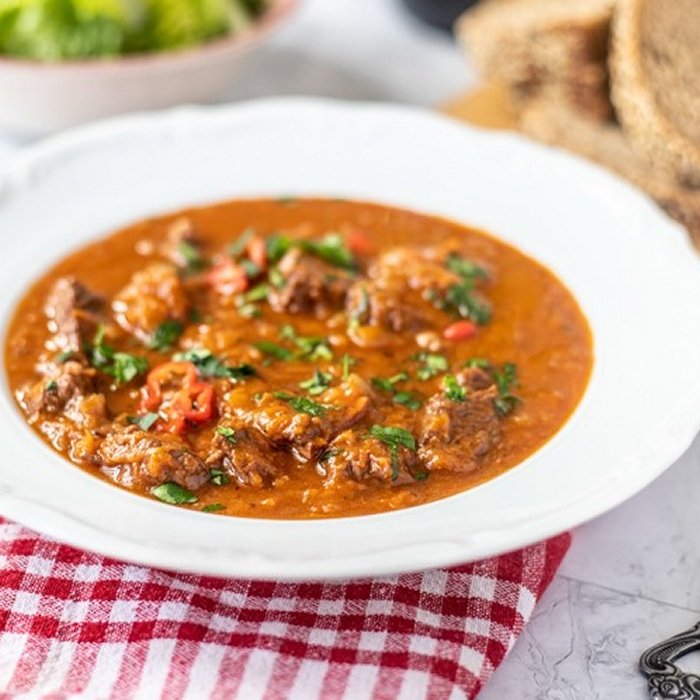
Clean the meat from the veins if there are some and cut it into smaller pieces, 3 × 3 cm. Marinate the meat in the mustard and spices and let it sit in the refrigerator for one hour Heat one tablespoon of pork fat or vegetable oil in a pot and fry the meat on all sides until it gets browned. Once the meat is cooked, transfer it to a plate and add another tablespoon of fat to the pot Cut the onions very fine, peel the carrots and shred it using a grater. Cook the onions and carrots over low heat for 15 minutes. You can salt the vegetables a little to make them soften faster Once the vegetables have browned and become slightly mushy, add the meat and bay leaves and garlic. Pour over with wine and simmer for 10-15 minutes to allow the alcohol to evaporate. Now is the right time to add 2/3 the amount of liquid Cover the pot and cook over low heat for an hour, stirring occasionally. After the first hour, pour over the rest of the water or stock and cook for another 30-45 minutes Allow the stew to cool slightly and serve it with a sprinkle of chopped parsley and few slices of fresh hot pepper if you like to spice it up a bit Slice some fresh bread, season the salad and simply enjoying these wonderful flavors

step 1 Heat the oil in a large saucepan or flameproof casserole. Add the spring onions and coriander stalks and cook for 1 min. Add the pork slices and cook for 5 mins until starting to brown. step 2 Stir in the curry paste and peanut butter. After 30 secs, add the sugar, soy and coconut milk, plus ½ can of water. Mix well, put a lid on and leave to simmer for 15 mins, stirring occasionally. step 3 Remove the lid, add the baby corn and increase the heat. Bubble for 3 mins until the corn is cooked and the sauce has thickened a little. Stir in the lime juice and check the seasoning. Can now be frozen for up to 2 months. To cook from frozen: thoroughly defrost, then heat in a pan on the hob until curry is hot all the way through. Serve scattered with the coriander leaves and rice.