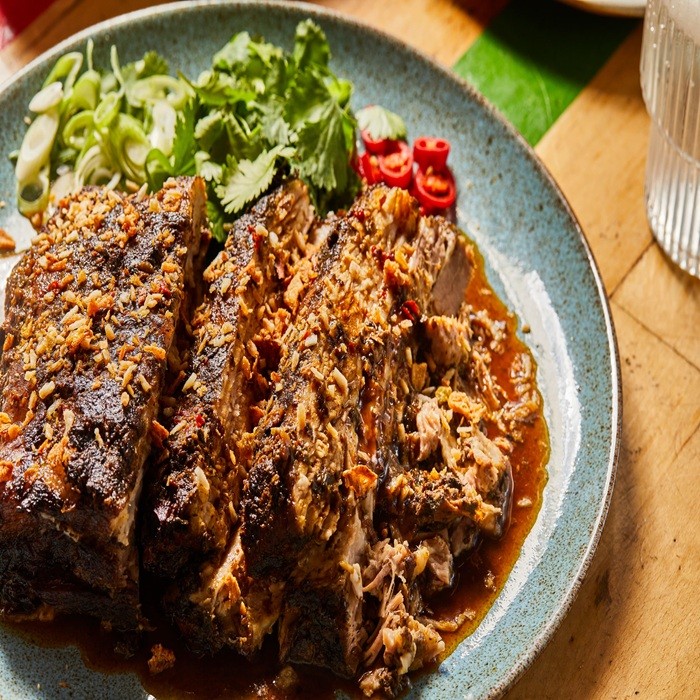
Blitz all the marinade ingredients in a food processor or with a hand blender. Lay the pork in a large dish, pour over the marinade, then turn the meat in the mixture, rubbing in the marinade all over and making sure every bit of the belly is coated. Cover the dish and leave overnight in the fridge. The next day, heat the oven to 140C (120C fan)/275F/gas 1. Lift the meat out of its marinade (don’t wipe off any that sticks to the joint, though; just leave most of the marinade behind in the dish) and transfer to a large roasting dish. Cover with foil, slip into the oven and roast for four and a half hours – every now and then (say, three or four times over the whole cooking period), take the dish out of the oven, lift off the foil lid and spoon the juices from the bottom of the dish over the meat. Return the foil lid, then put back in the oven. After the time is up, remove the foil, turn up the heat to 180C (160C fan)/350F/gas 4 and give the pork a final blast – after 15-20 minutes, the top will take on a lovely colour and the meat should be yielding and soft enough to cut with a spoon. To make crackling shards to serve with the meat, heat the oven to 200C (180C fan)/390F/gas 6 and line a roasting tray with baking paper. Lightly score the skin from the pork belly with a sharp knife, then rub it with a three or four fat pinches of salt – I also like to add a few caraway, cumin or fennel seeds at this point (use anything that takes your fancy). Cut the skin into long strips and lay these fat side down on the lined tray (you can, of course, leave it whole, but I think its pleasing to dress the plate with long, golden shards of crackling). Lay a second sheet of baking paper on top of the skin, then put a second baking tray of the same size on top, and roast for 45 minutes to an hour (if by this point the crackling has not gone crisp, just put it back in the oven and carry on roasting it until it has). Cut or pull the pork apart, top with finely chopped coriand
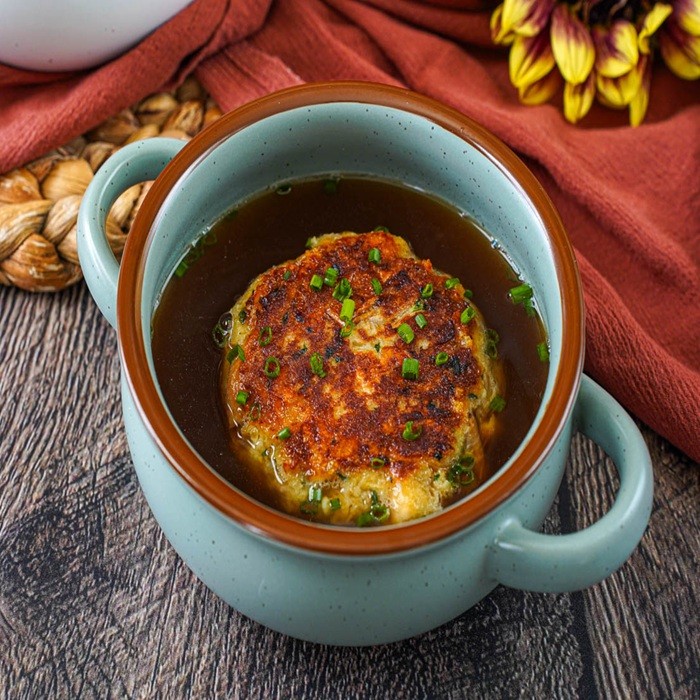
Step 1 Mix the cubed white bread with the milk, season with salt, and let the mixture rest for a while. Step 2 Now add the shredded potatoes, the grated cheese, eggs, and parsley. Step 3 Melt the butter and fry the cubed onions until golden brown in colour and put into the mixture. Step 4 Add the flour and gently knead the dough. Shape it into round dumplings, gently press them flat and fry them on both sides in butter until golden brown. Step 5 Serve in clear broth.
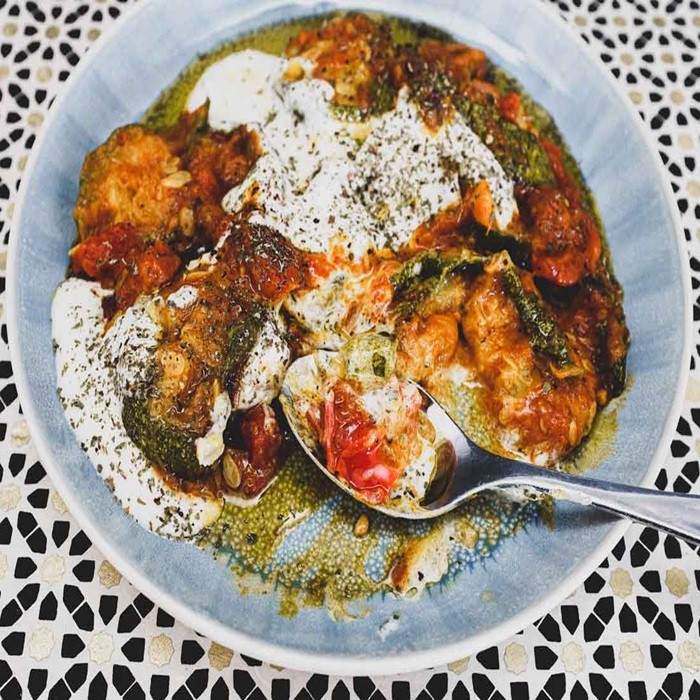
Peel the squash and cut it into pieces 1cm wide. Deep fry it in oil until golden and set aside. Using the same pan and oil, deep fry the onions until golden. Remove the onions and grind with the garlic (if using garlic paste, mix it into the onions once ground). Add a small amount of oil to a pan on medium heat. Once hot, add the turmeric. Mix the salt into one cup of water and add it to the turmeric. Add a layer of squash, then a layer of onion and garlic. Repeat this step until the squash, onion and garlic have been used up. Add the sugar and one cup of water. Turn the heat down and cook until the water has reduced. Add 1-2 tablespoons of melted curd to a plate, add the squash on top with another layer of melted curd. At last, add some green chilli and serve!
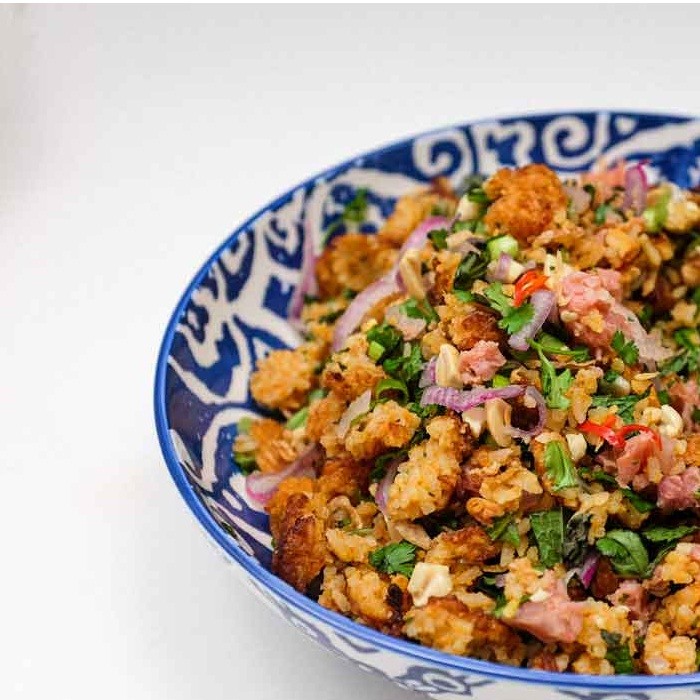
Slice the onion and shallots thinly. Let them soak in a ice water bath while preparing the rest of the meal. Grate the coconut. Put in a large bowl. Add the coconut in a large bowl. Add the rice. Using your hands, mix the coconut and rice together. Roll the mixture to form 2-inch rice ball croquettes. Heat up the cooking oil in a pot or pan. Beat two eggs and a large bowl. Dip the balls into the egg mixture. Then, drop the balls into the cooking oil. Allow the balls to turn a dark amber brown color. Deep fry until crispy, crunchy, and golden. Remove and set on paper towel to drain excess oil. Once cooled, break apart the rice balls and add into a larger bowl. Drain the onion and the shallots. Make sure you tear the pork sausage up into small pieces. You can use a knife too, but the traditional method is tearing. In the large bowl, add in the onion, shallots, sour pork sausage, pickled garlic, lime juice, fish sauce, sugar, cilantro, hot mint, regular mint. Top with peanuts. Serve with Lettuce, dry chilli, and other fresh vegetables. Preserving Naem Khao Recipe Naem Khao can be kept in the refrigerator for 4 days. It can then be served chilled. It should not be frozen. Serving Naem Khao Nam Khao is generally served with lettuce leaves and a variety of different herbs like hot mint, mint, basil, and perilla.

Bring salted water to boil in a large pot. Add in the cabbage and potatoes, cook until tender about 30-40 minutes When tender, drain, very well. Return the vegetables to the pot and turn on the burner to low. Let steam Meanwhile cook up the bacon, reserving the fat for frying the hash. Chop up the bacon, into small pieces. Mash the potatoes and cabbage with a potato masher and add in the minced garlic. Add in salt and pepper to taste. Using a form for individual servings, press the hash mixture into the form with bacon on top, fry in the reserved bacon fat until golden brown, flip over and repeat on the other side. Remove form and garnish with chopped parsley. If you want to make one big hash, just use a skillet, pressing the hash into the skillet with the bacon pieces and reserved fat, then flip over once golden brown. Cut into servings. Garnish with chopped parsley.
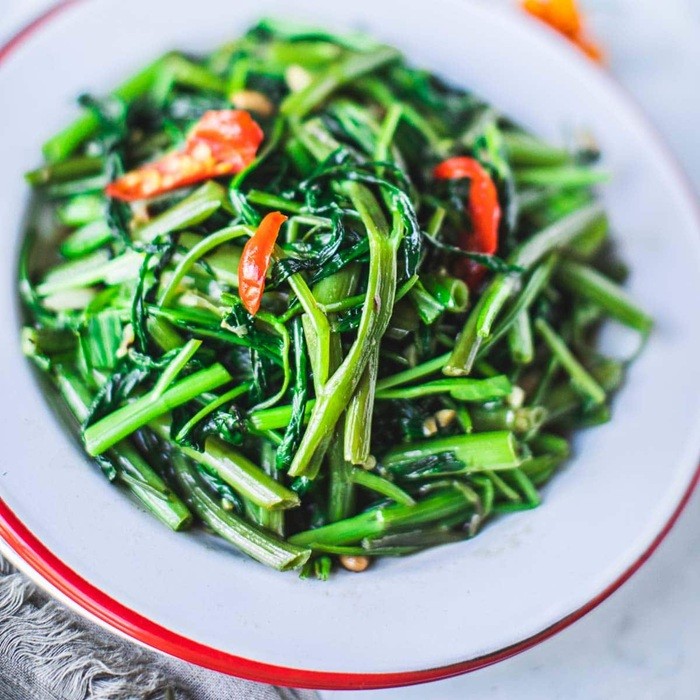
In a wok or large pan, heat 1 tablespoon of vegetable oil over medium heat. Once the oil is hot, add the garlic and stir-fry for about 30 seconds, until fragrant but not burnt. Add the minced pork to the pan and break it up with a spatula. Stir-fry until the pork is fully cooked and browned, about 2-3 minutes. Stir in the fermented soy beans and cook for another minute, mixing it thoroughly with the pork. Toss in the cut morning glory and stir-fry for 2-3 minutes to retain its bright green colour and crisp texture. Check the seasoning and adjust with fish sauce or sugar if needed. Transfer to a serving dish and serve immediately with steamed rice.
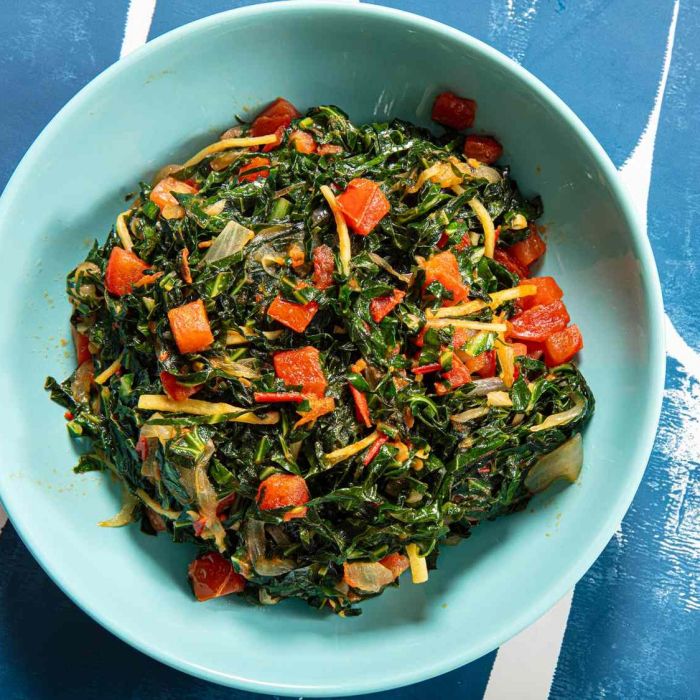
Heat the 2 tablespoons of oil in a large skillet or pot over medium heat until shimmering. Add the onions and cook, stirring occasionally, until softened, 5 to 7 minutes. Add the shredded kale to the onions and mix well. Turn the heat to medium-low, cover and cook for 5 minutes. After 5 minutes, remove the lid, add salt to taste, and stir in the cream. Continue cooking for another 5 minutes, uncovered, stirring occasionally. The cream will thicken slightly, making for a deliciously rich creamed kale and onions. Yumm! Serve it up with your favorite Kenyan stew, and a side of ugali!

Soak the dried mushrooms in 350ml boiling water and set aside until needed. Blitz ¾ of the chestnuts with 150ml water until creamy. Roughly chop the remaining chestnuts. Heat 2 tbsp olive oil in a large non-stick frying pan. Fry the shallots with a pinch of salt until softened, then add the garlic, chopped chestnuts and rosemary, and fry for 2 mins more. Add the wild mushrooms, 2 tbsp oil and some seasoning. Cook for 3 mins until they begin to soften. Drain and roughly chop the dried mushrooms (reserve the soaking liquid), then add those too, along with the soy sauce, and fry for 2 mins more. Whisk the wine, reserved mushroom liquid and chestnut cream together to create a sauce. Season, then add half to the mushroom mixture in the pan and cook for 1 min until the sauce becomes glossy. Remove and discard the rosemary sprigs, then set the mixture aside. Heat oven to 180C/160C fan/gas 4. Bring a large pan of salted water to the boil and get a large bowl of ice water ready. Drop the lasagne sheets into the boiling water for 2 mins or until pliable and a little cooked, then immediately plunge them into the cold water. Using your fingers, carefully separate the sheets and transfer to a clean tea towel. Spread a good spoonful of the sauce on the bottom two thirds of each sheet, then, rolling away from yourself, roll up the shorter ends. Cut each roll in half, then position the rolls of pasta cut-side up in a pie dish that you are happy to serve from at the table. If you have any mushroom sauce remaining after you’ve rolled up all the sheets, simply push it into some of the exposed rolls of pasta. Pour the rest of the sauce over the top of the pasta, then bake for 10 mins or until the pasta no longer has any resistance when tested with a skewer. Meanwhile, put the breadcrumbs, the last 2 tbsp olive oil, sage leaves and some seasoning in a bowl, and toss everything together. Scatter the rotolo with the crumbs and sage, then bake for another 10 mins, until the top is gol

Preheat the oven to 450 degrees F (230 degrees C). Place falafel on a baking sheet. Bake in the preheated oven until heated through, 8 to 10 minutes. While falafel bake, whisk tahini, water, lemon juice, garlic, and paprika together in a bowl. Cut about 1 inch from the top of each pita to form a pocket. Add 2 falafel to each pita with equal amounts lettuce, tomato, cucumber, pickle, and red onion. Drizzle each with about 1 tablespoon tahini sauce and some harissa.
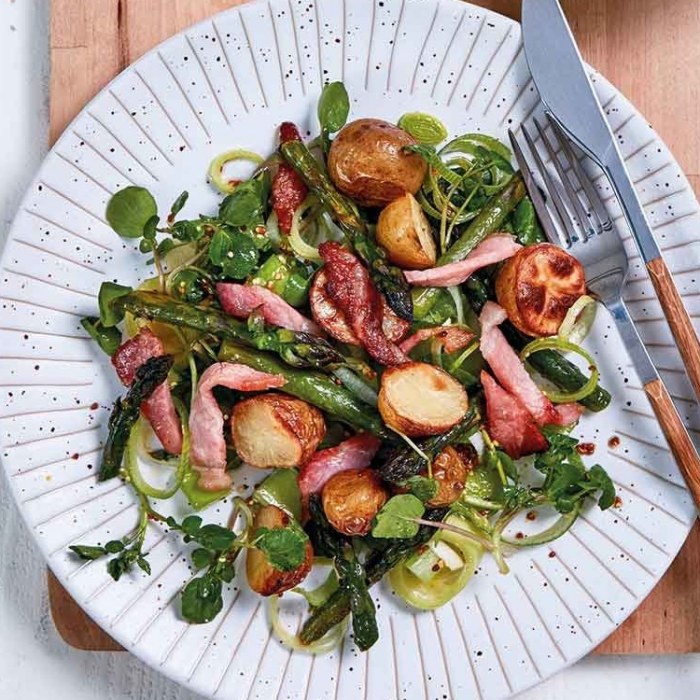
step 1 Preheat the oven to 200C/Gas 6/fan 180C. Snap off the woody ends of the asparagus and discard. Arrange the asparagus in a single layer in a baking tray with sides. Cut the tomatoes in half widthways, nestle them in with the asparagus, season with sea salt and pepper and drizzle with olive oil. Roll each bacon rasher into a tight roll (if large, first cut in half crosswise), and arrange in the tray. Drizzle the bacon rolls with the honey and bake for 20 minutes until the tomatoes are soft and the bacon is crisp. step 2 In the meantime, boil the potatoes until tender. Whisk the vinegar, olive oil, mustard, some sea salt and pepper in a large bowl until blended. Toss the rocket or spinach leaves in half of the dressing, and arrange on a large serving platter. step 3 Drain the potatoes and cut in half. Gently toss them in the rest of the dressing, and arrange on the platter with the asparagus. Tuck in the tomatoes and bacon.
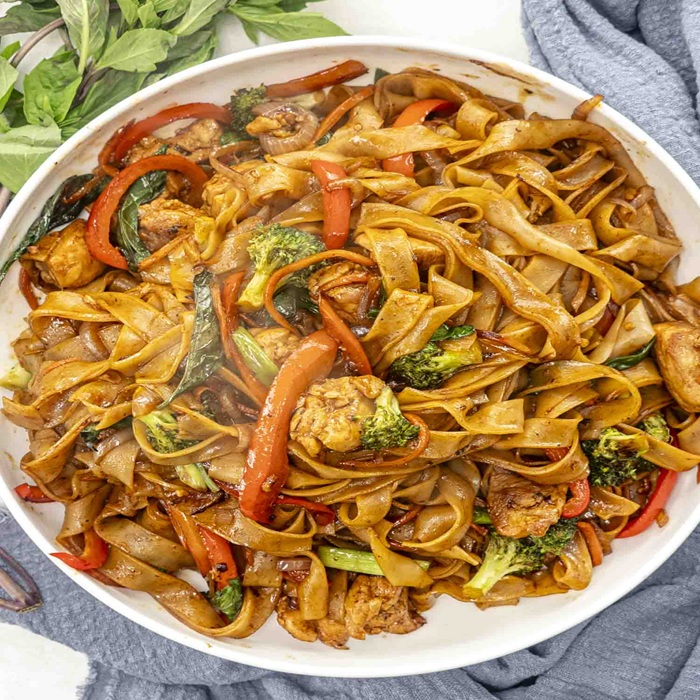
step 1 Prepare the noodles following pack instructions, then drain and set aside. Combine all the ingredients for the sauce in a small bowl or jug, and set aside. step 2 Heat the oil in a large wok or frying pan over a high heat and stir-fry the garlic and chilli for 20 seconds until just starting to turn golden. Add the steak and stir-fry for 1 minute until seared and starting to brown. Add the broccoli and stir-fry for another minute, then tip in the noodles and add the sauce. Stir-fry for another 1-2 mins until well combined and piping hot. step 3 Stir through the basil and turn off the heat. Serve immediately to avoid overcooking.
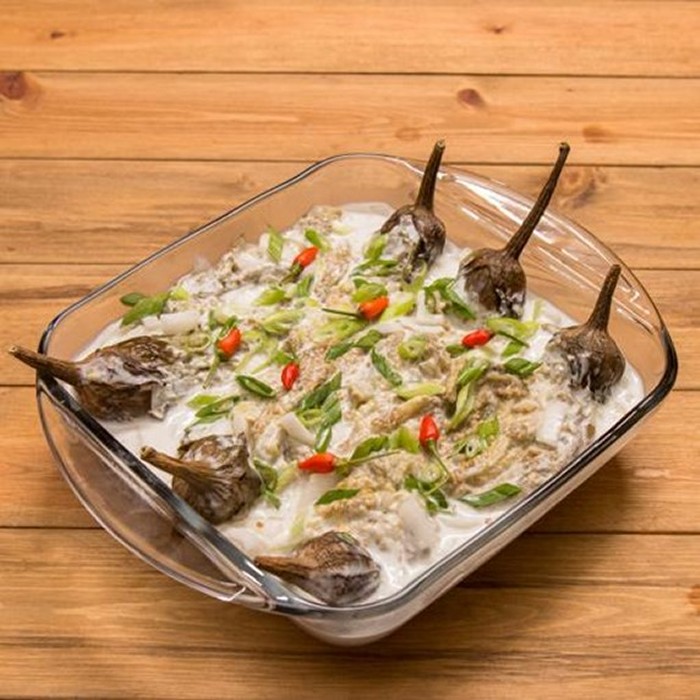
. Prepare the eggplants for grilling by pricking them all over with a fork. This is so it won’t burst during the grilling process as the natural water in it heats up. 2. Grill the eggplants, turning them over frequently to ensure even cooking. Grill until the skins are dark brown, even black and the eggplant is soft when you touch it. 3. Soak the grilled eggplant in a bowl of water to cool it down. Peel the skin off the eggplant. Place the whole eggplants in a shallow dish (my mom actually cuts the eggplant into small, bite-sized pieces). 4. In a small mixing bowl, mix together the coconut milk or cream, lemon powder, salt and hot pepper. Mix until the lemon powder and salt dissolve. Taste, then adjust the amount of lemon powder, salt and hot pepper to your liking. Pour the mixture over the eggplant. Sprinkle the green onions over the eggplant and coconut milk. Stir gently to combine.
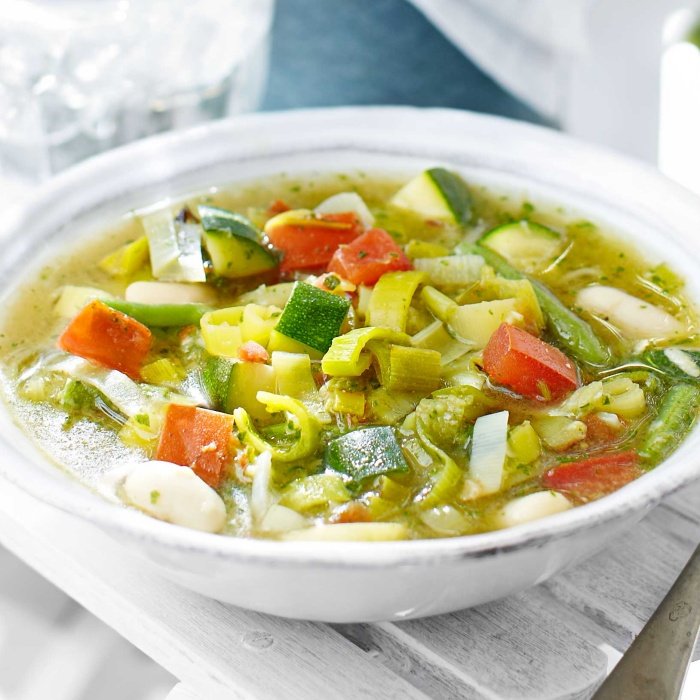
Heat the oil in a large pan and fry the leeks and courgette for 5 mins to soften. Pour in the stock, add three-quarters of the haricot beans with the green beans, half the tomatoes, and simmer for 5-8 mins until the vegetables are tender. Meanwhile, blitz the remaining beans and tomatoes, the garlic and basil in a food processor (or in a bowl with a stick blender) until smooth, then stir in the Parmesan. Stir the sauce into the soup, cook for 1 min, then ladle half into bowls or pour into a flask for a packed lunch. Chill the remainder. Will keep for a couple of days.
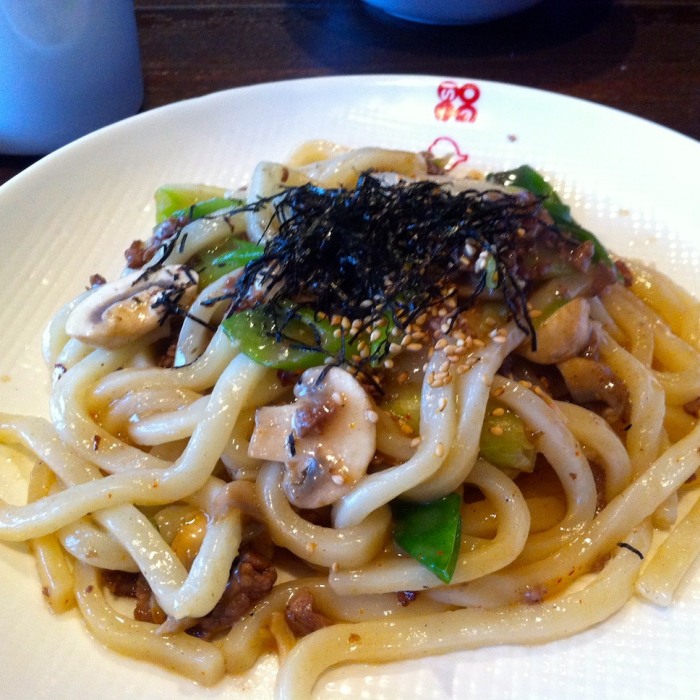
Boil some water in a large saucepan. Add 250ml cold water and the udon noodles. (As they are so thick, adding cold water helps them to cook a little bit slower so the middle cooks through). If using frozen or fresh noodles, cook for 2 mins or until al dente; dried will take longer, about 5-6 mins. Drain and leave in the colander. Heat 1 tbsp of the oil, add the onion and cabbage and sauté for 5 mins until softened. Add the mushrooms and some spring onions, and sauté for 1 more min. Pour in the remaining sesame oil and the noodles. If using cold noodles, let them heat through before adding the ingredients for the sauce – otherwise tip in straight away and keep stir-frying until sticky and piping hot. Sprinkle with the remaining spring onions.
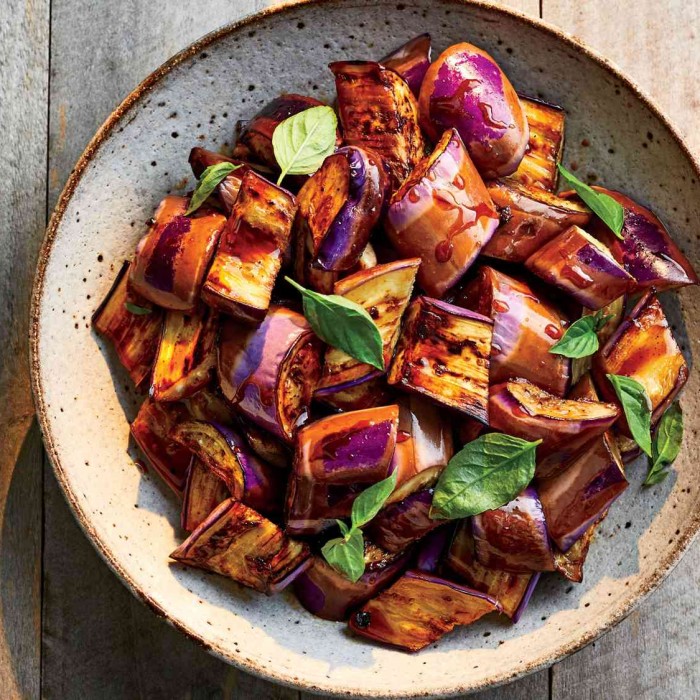
1. Slice 1 lb. small Japanese or Italian eggplant (about 3) into quarters lengthwise, then cut crosswise into 2"-wide pieces. Place in a medium bowl. Add 1 Tbsp. sugar, 1 tsp. Diamond Crystal or ½ tsp. Morton kosher salt, and ½ tsp. freshly ground black pepper. Toss to evenly coat eggplant and let sit at room temperature at least 20 minutes and up to 2 hours. 2. Peel and thinly slice 8 garlic cloves. Add 3 Tbsp. vegetable oil and half of garlic to a medium Dutch oven or other heavy pot. Cook over medium-high heat, stirring constantly with a wooden spoon, until light golden and crisp, about 5 minutes. Using a slotted spoon, transfer garlic chips to a plate; season lightly with salt. 3. Place 4 oz. ground pork in same pot and break up into small pieces with wooden spoon. Season with ¼ tsp. Diamond Crystal or Morton kosher salt and cook, undisturbed, until deeply browned underneath, about 5 minutes. Using a slotted spoon, transfer to another plate, leaving fat behind in the pot. 4. Place eggplant on a clean kitchen towel and blot away any moisture the salt has drawn out. 5. Working in batches and adding more oil if needed, cook eggplant in the same pot until lightly browned, about 3 minutes per side. Transfer to a plate with pork. 6. Pour 1½ cups of water into the pot and scrape up browned bits from the bottom with a wooden spoon. Add remaining garlic, 3 Tbsp. coconut vinegar or unseasoned rice vinegar, 2 Tbsp. soy sauce, 2 bay leaves, 1 tsp. freshly ground black pepper, and remaining 1 Tbsp. sugar. Bring to a simmer, then return pork and eggplant to pot. Reduce heat to medium-low, partially cover, and simmer until eggplant is tender and silky and sauce is reduced by half, 20–25 minutes. Taste and season with more salt and pepper and add a little more sugar if needed. 7. Top with garlic chips and serve with cooked white rice.
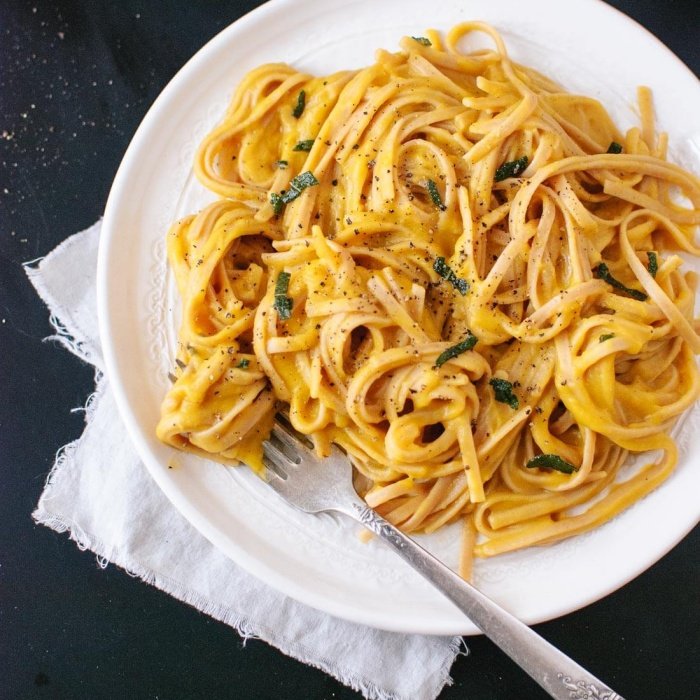
Heat oven to 200C/180C fan/gas 6. Put the squash and garlic on a baking tray and drizzle with the olive oil. Roast for 35-40 mins until soft. Season. Cook the pasta according to pack instructions. Drain, reserving the water. Use a stick blender to whizz the squash with 400ml cooking water. Heat some oil in a frying pan, fry the sage until crisp, then drain on kitchen paper. Tip the pasta and sauce into the pan and warm through. Scatter with sage.
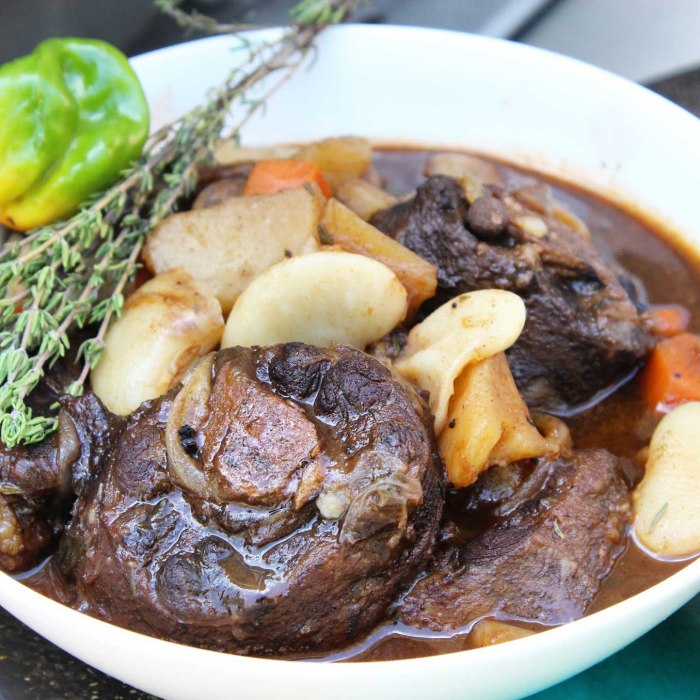
Toss the oxtail with the onion, spring onion, garlic, ginger, chilli, soy sauce, thyme, salt and pepper. Heat the vegetable oil in a large frying pan over medium-high heat. Brown the oxtail in the pan until browned all over, about 10 minutes. Place into a pressure cooker, and pour in 375ml water. Cook at pressure for 25 minutes, then remove from heat, and remove the lid according to manufacturer's directions. Add the broad beans and pimento berries, and bring to a simmer over medium-high heat. Dissolve the cornflour in 2 tablespoons water, and stir into the simmering oxtail. Cook and stir a few minutes until the sauce has thickened, and the broad beans are tender.
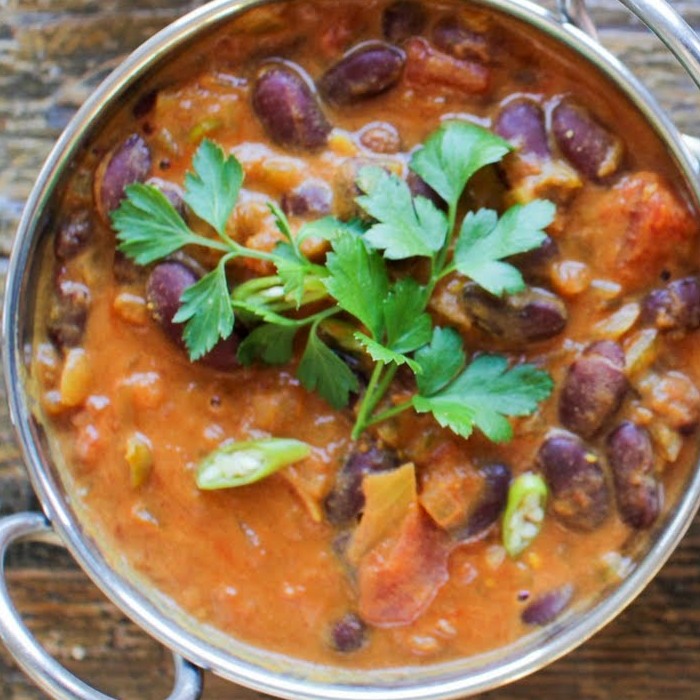
Heat the oil in a large frying pan over a low-medium heat. Add the onion and a pinch of salt and cook slowly, stirring occasionally, until softened and just starting to colour. Add the garlic, ginger and coriander stalks and cook for a further 2 mins, until fragrant. Add the spices to the pan and cook for another 1 min, by which point everything should smell aromatic. Tip in the chopped tomatoes and kidney beans in their water, then bring to the boil. Turn down the heat and simmer for 15 mins until the curry is nice and thick. Season to taste, then serve with the basmati rice and the coriander leaves.

step 1 To make chilli, heat oil in a pan and fry onion for 5 mins until soft. Add spices; fry for 1 min. Stir in beef and cook for a few mins. Add tomato purée, stock and cinnamon. Give it a stir, bring to the boil, then simmer for 15-20 mins until very little liquid is left. Add beans 5 mins before the end of cooking. Check seasoning and cool. step 2 Heat oven to 200C/fan 180C/gas 6. Using a 7cm pastry cutter, stamp out 12 circles from the pastry. Use to line a 12-hole mini muffin tray, prick the base of the pastry with a fork, and bake for 10 mins. Remove from oven and cool on a wire tray. Repeat with remaining pastry. step 3 Meanwhile, cook the potato in boiling water until tender. Drain, mash with soured cream and seasoning, then stir through chives. Spoon 1-2 tsp of chilli mix into the pastry cases and top with a tsp of mash. Ruffle mash with a fork; return to the oven for 15 mins or until golden.

step 1 Place the noodles and beansprouts in a heatproof bowl and cover with boiling water. Leave for 4 mins, or until the noodles are tender. Drain, then cool under cold running water and drain again. Return to the bowl. step 2 Stir together the lime zest and juice, fish or soy sauce and sugar. Stir into the noodles with the red onion and lettuce. step 3 To make with mince, heat a little oil in a non-stick frying pan and stir-fry 500g minced pork, a small knob of grated ginger and pinch cayenne pepper or chilli powder for 10 mins, until the mince is browned and cooked through. Mix into the noodles, divide between four bowls and serve warm. step 4 To make with steak, make the rice noodle salad. Heat 1 tsp sunflower oil in a frying pan. Tip 2 tbsp sesame seeds onto a plate. Rub 1 tsp oil into 4 x 175g sirloin steaks and press into sesame seeds. Fry for 5 mins for medium rare, turning halfway. Leave to rest for 5 mins, then thinly slice. Toss 1 deseeded and shredded red chilli, and a handful mint leaves into noodles. Top with steak to serve.

step 1 Heat the oven to 180C/160C fan/gas 4. Make the latkes by combining all of the ingredients. step 2 Heat the oil in a large non-stick pan. Spoon in the mixture to make six round latkes. Fry for 4-5 mins on each side, then transfer to a baking sheet and bake for 10 mins. step 3 Combine the yogurt and mint in a small bowl. Toss the salad leaves and tomatoes together, then serve the latkes with the mint yogurt and salad.

step 1 First, make the crispy shallots. Heat the oil in a saucepan to 180C (a cube of bread will turn golden in 15 secs). Toss the shallots in a little flour and deep-fry for 1 min or until light golden and crispy. Drain on kitchen paper. Can be made up to two days before and kept in an airtight container. step 2 To make the filling, heat the oil in a medium non-stick frying pan and gently fry the shallots for 10 mins until starting to turn golden. step 3 Add the sauerkraut and cabbage, and cook for 5-10 mins until the cabbage has softened. Taste and add a little salt if under-seasoned, or sugar if stringent. Scrape into a bowl and leave to cool completely. step 4 To make the dough, mix the eggs and oil with 125ml water, then gradually add in the flour, mixing well with your hands. Knead it on a well-floured surface until the dough stops sticking to your hands. You should end up with firm, elastic dough. Wrap it in cling film and rest in the fridge for at least 30 mins, or overnight. step 5 Flour your work surface generously. Roll out the dough to a 40cm circle or until the dough is as thick as £1 coin. step 6 Using a 9cm cookie cutter, cut out discs in the dough – you should end up with about 25 discs. Do not throw away the off-cuts – we throw them in with the pierogi when boiling to minimise any waste. step 7 Have a well-floured tray ready. Put 1 tsp of the filling into the centre of each disc. In your hand, fold in half around the filling and seal to create half-moon shapes. Put them on the floured tray, making sure they don’t touch each other. step 8 Bring a large saucepan of salted water to the boil and carefully lower the pierogi in. Boil them for 2 mins or until they float to the top. step 9 Drain and serve with a knob of butter and some soured cream. Finish by sprinkling the crispy shallots on top to serve.
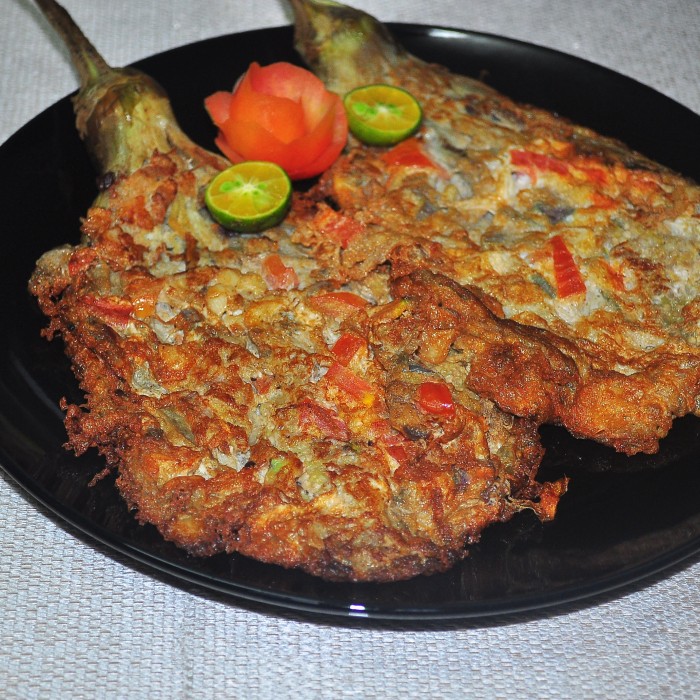
0. Grill the eggplant until the color of skin turns almost black 1. Let the eggplant cool for a while then peel off the skin. Set aside. 2. Crack the eggs and place in a bowl 3. Add salt and beat 4. Place the eggplant on a flat surface and flatten using a fork. 5. Dip the flattened eggplant in the beaten egg mixture 6. Heat the pan and pour the cooking oil 7. Fry the eggplant (that was dipped in the beaten mixture). Make sure that both sides are cooked. Frying time will take you about 3 to 4 minutes per side on medium heat.

step 1 Brush each aubergine slice with some oil, then season. Heat a griddle pan or barbecue. When hot, griddle the aubergine slices for 2-3 mins on each side until golden brown and tender. step 2 Mix the yogurt with the tahini, garlic, lemon juice and herbs, then season. Top the aubergines with the dressing and scatter over extra herb leaves.