
1) In a large bowl, combine the butter and caster sugar until creamy. Add the egg and a pinch of salt. 2) Stir into a buttery mixture. Add the sifted flour. 3) Whisk well. You should end up with a smooth dough. Cover it with a piece of plastic wrap and put the dough in the fridge for 15 minutes to chill and set. 4) In the meantime combine the cassonade (or brown sugar) and the cinnamon. 5) Transfer the dough onto a floured surface and knead it for a minute. Add extra flour if necessary. Roll the dough out gently into a nice rectangle. It should be about ⅕-inch (5 mm) thick. Sprinkle with the sugary cinnamon mixture. 6) Carefully start rolling the dough up. If it is too sticky, put it in the fridge again for a couple of minutes. Wrap it up tightly in plastic wrap. 7) Put it in the fridge for 30 minutes to chill and set. After that, remove the cling film and cut the dough roll into even slices. 8) Place the slices on a baking paper lined baking tray. Bake the cookies in a preheated oven at 356°F (180°C) for 14 to 16 minutes. 9) Let the baked cinnamon roll cookies cool down fully before eating or wrapping them up.

Peel the potatoes and cut them into chunks, put them in a medium pot and cover with water and ¼ teaspoon of salt. Bring the potatoes to a boil over medium high heat, then reduce the heat to medium and cook until fork tender about 20 minutes. Drain the potatoes and mash with a fork or masher and set aside. Filling: In a large sauce pan, heat 1 tablespoon olive oil over medium heat and add the onion, tomato, scallions, garlic, cumin, azafran, pepper and salt. Cook for 5 minutes or until the onions are translucent, add the beef and cook stirring occasionally about 10 – 15 minutes. Set aside to cool. To make the batter: In a medium bowl place all the batter ingredients and whisk until smooth and set aside. To Form the Stuffed Potatoes Divide the potato mash into 10 equal sized portions, about ⅓ cup each, and form each portion into a ball by rolling between the palms of your hands. Flatten into patties and place 1 ½ tablespoons of the filling in the center of each one. Shape the potato mixture with the filling into balls to enclose the filling completely. Fill a large heavy pot with vegetable oil and heat over medium-high heat to 360° F. Dip the stuffed potato into the batter and carefully place them in the hot oil and fry for about 4 minutes or until golden, turning over halfway through. Remove the potatoes from the oil using a slotted spoon and drain in a plate with paper towels. Transfer to a serving plate and serve with Ají. Notes For a vegetarian version:Use the same ingredients in the meat filling except the beef and add 1 cup frozen carrots and peas
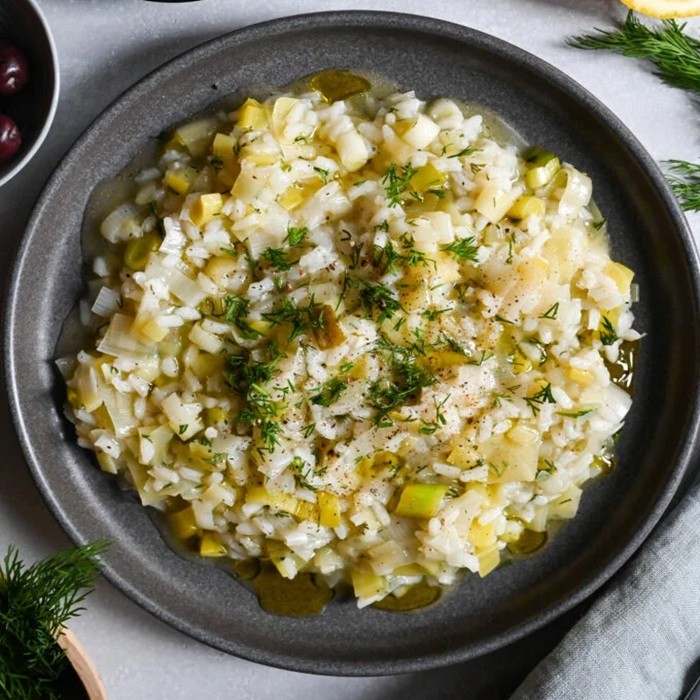
1 Cooking Fry the leeks in a small dash of olive oil for a few minutes until they start to brown. 2 Add the onions and mince and fry until everything is browned. Ensure you keep stirring to prevent the leeks catching and burning. 3 Add the rice and stir together for a few minutes ensuring the rice is well blended and coated in any juices. 4 Add the lamb stock, salt and pepper. Give it a good stir and leave it to come to the boil. Leave to boil for 2 minutes. 5 Baking Pour the mixture into a large baking tray, place on the bottom self of a preheated oven at 180 degrees. Leave to bake for up to 1 hour. The dish is ready when all the liquid is evaporated and the rice is soft. 6 Serving Once cooked turn off the oven and keeping the door open leave the leek and rice bake to cool for 10 minutes before serving.
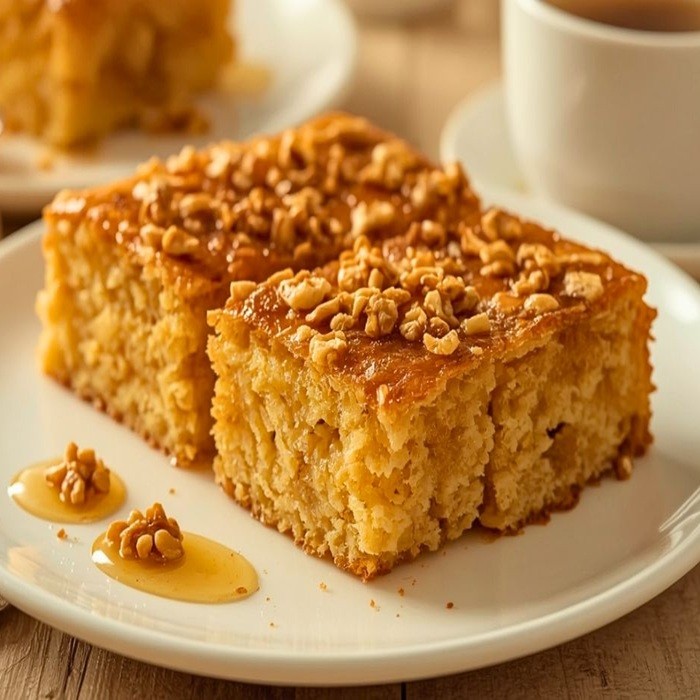
1 Prepare In a mixing bowl cream together the eggs, sugar and cooled melted butter then add the honey and soda. 2 Add half the flour and the walnuts (you can add the walnuts whole or ground them) and mix well. 3 Add the rest of the flour and using your hands kneed the mixture together until a firm dough is formed. 4 Coat a large baking tray (traditionally a circle tray is used about 30cm is best with a 2 - 3 inch height) with olive oil. Add the dough and press it down so that it fits the whole tray. Try and get the dough flat and equal in height all over. 5 Baking Place on the bottom shelf of a cold oven and turn the temperture up to 180 degrees. Bake for 35 minutes and the dough has turned dark brown and is firm to touch. 6 Remove from the oven and leave to cool while making the syrup. 7 Adding the Syrup Add the sugar and water to a saucepan and bring to the boil. Leave boiling for 10 minutes, mixing occasionally. Remove from the heat. 8 Cut the Shendetlie into squares of diamond shapes and pour over the hot syrup. Use enough of the syrup to cover the cake plus 1 cm overflowing, sitting on top. This will soak into the cake while you leave it to cool for at least 1 hour before serving.

Place the flour in a large bowl and add the yeast and sugar. If the milk is cold make sure to heat it to lukewarm. Mix your flour mixture bit by bit with the milk until you have a smooth batter. Add the salt and mix with a wooden spoon till the batter is smooth and liquidy. Cover with a clean tea towel and leave in a warm spot for about an hour to rise. Heat your deep fryer or add the oil to a large pot. The oil should be a t 180˚C (350˚F) for best results. Before starting stir your batter through and scoop the batter with two spoons or with an ice cream scoop. Let it drop into the oil carefully. It is easiest to do this if you dip your spoons or scoop into the oil before dipping into the batter. That way it will slide of the spoons easily. Don't over crowd the fryer to prevent the oil cooling down too quickly and everything sticking together. Once one side is golden brown it usually turns around to the other side automatically. If not help it along with two forks. Take the balls out once golden brown and leave to drain on a piece of kitchen paper.
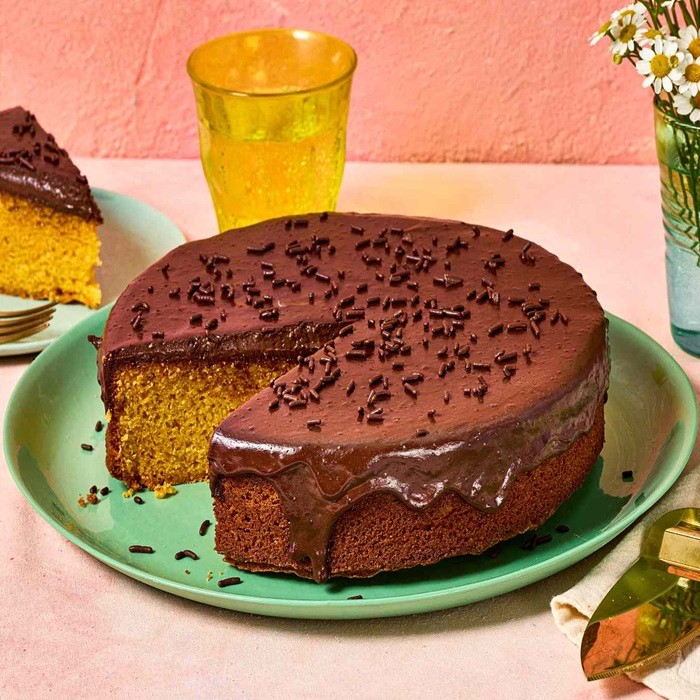
step 1 Heat the oven to 180C/160C fan/ gas 4. Oil and line the base of a 20cm springform cake tin. Mix the flour, sugar and baking powder together in a large bowl and set aside. Tip the oil, carrots and eggs in a blender and blitz until smooth. Pour the wet ingredients into the dry, stirring until smooth. step 2 Pour the batter into the cake tin and give it a shake to get rid of air bubbles. Bake for 45 mins to 1 hr, until a clean knife or skewer inserted into the middle comes out clean. If the middle is sticky, put back in the oven for a further 5 mins. Remove from the oven and leave to cool in the tin. step 3 For the drizzle, heat the milk, cocoa and sugar in a saucepan over a low heat. Stir until the sugar dissolves (about 5 mins), creating a thick, shiny drizzle. step 4 Remove the cake from the tin and level the top using a serrated knife, then flip so the bottom becomes the top. Pierce all over using a knife or toothpick and put on a wire rack with a tray or large bowl underneath. Pour the drizzle over the cake in batches until it’s all absorbed. You can reuse any drizzle caught in the tray or bowl. Most of the drizzle should be absorbed.
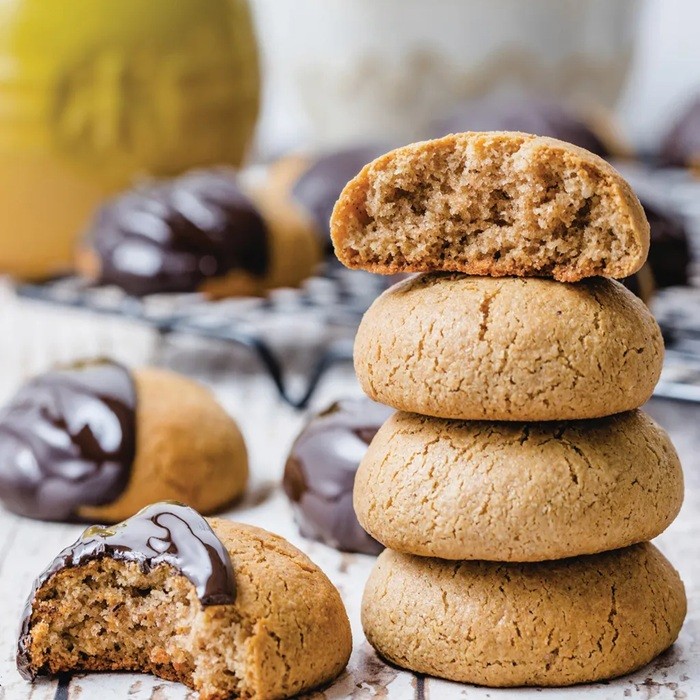
Preheat oven to 350 F. Line 2-3 baking sheets with parchment paper. In a bowl, combine flour, salt, cinnamon and baking soda. In the bowl of a stand mixer, fitted with the paddle attachment, beat together eggs and powdered sugar for3 minutes. Add vanilla extract and honey. Mix to combine, then add oil. Add the flour mixture in two increments and beat to incorporate. Let the dough rest for 5-10 minutes. Shape 2 tbsp balls, place on baking sheets and press flat. Bake for 12-15 minutes, until golden. Let the cookies cool down completely. Melt white and semi-sweet chocolate separately with 1 tbsp vegetable oil each. Dip cookies halfway into chocolate. Let it set. Keep in a air tight container or wrapped in cellophane bags for up to 2 weeks in room temperature or refrigerated.
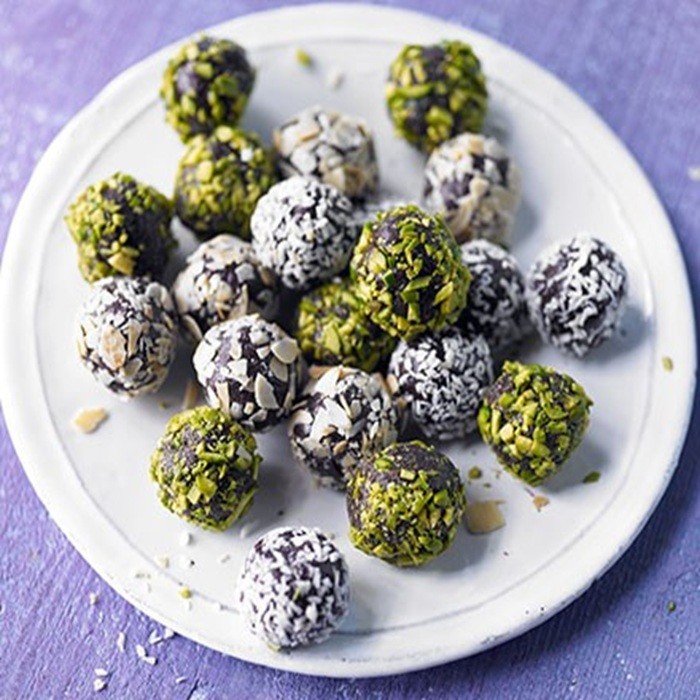
step 1 In a medium heavy-based saucepan, heat the butter, condensed milk, a pinch of salt and the cocoa, to boiling, stirring constantly with a wooden spoon. Reduce the heat to medium-low; cook for 10-15 mins, stirring constantly, until the mixture is thick and shiny and starts to pull away from the bottom. step 2 Stir in the vanilla and vigorously mix again. Pour the mixture onto a buttered plate. Chill for at least 2 hrs. step 3 Butter your hands and pinch off some of the dough to make 2.5cm balls. Place your toppings into small bowls and roll the balls of one of the decorations. Place in mini paper baking cups or on a tray lined with non-stick baking paper
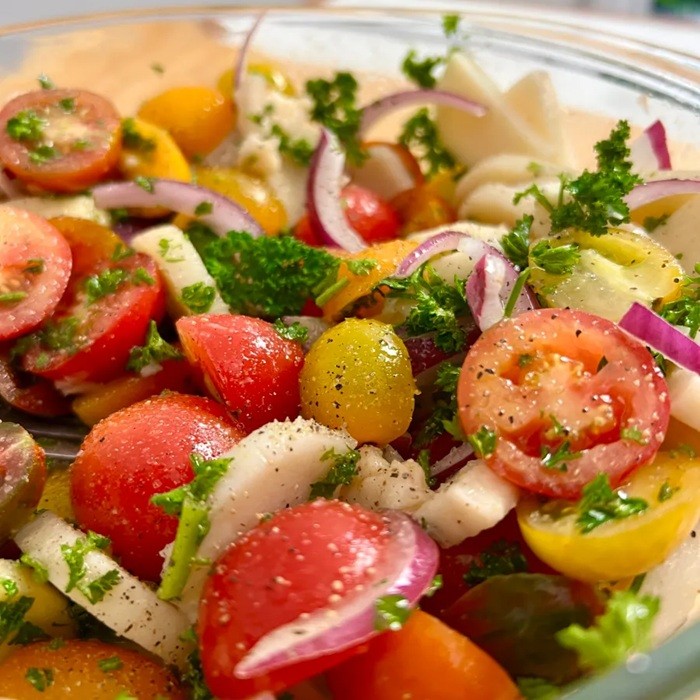
step 1 Mix together the hearts of palm, tomatoes and spring onions. Whisk together the sherry vinegar and olive oil. Drizzle over the salad. Sprinkle with the parsley, toss everything together and serve.
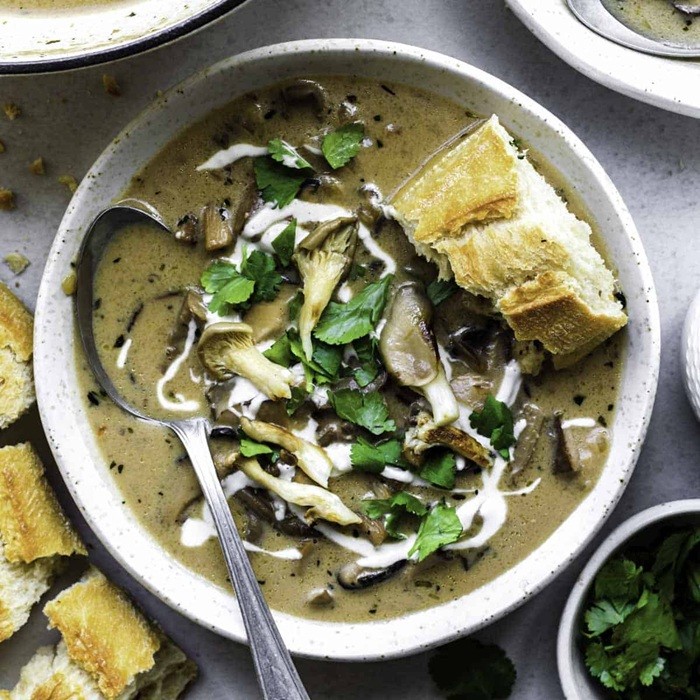
Clean mushrooms – I usually wash them under cold water, dry them and remove the stems. Cut mushrooms into thin strips. Melt butter in a small pot. Add the mushrooms and cook for 10 minutes, until the mushrooms release liquid. Combine the flour and water, whisk to remove any lumps and add to the pot. Add the salt and milk. Cook for 10 more minutes. In a small bowl or jar combine the garlic and vinegar. Serve the soup with 1-2 tablespoons (or more) of the garlic and vinegar mixture and hot red pepper.
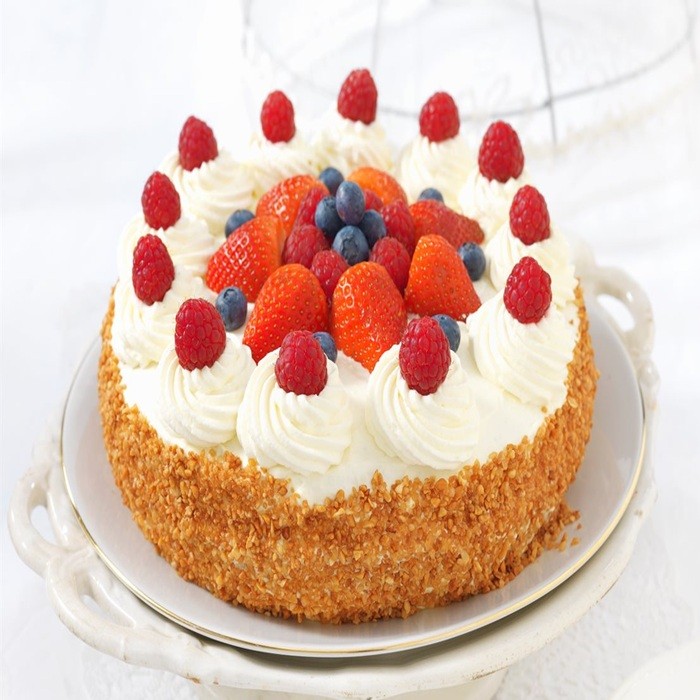
Beat the eggs, sugar and vanilla sugar until light and fluffy. I beat this in a stand mixer on medium-high speed for about 10 minutes. Sift the flour and cornstarch and add to the mixture. Fold this gently into the mixture; you don’t want all the air you whipped in to disappear. Pour the batter into a greased baking pan. Bake the cake base at 180°C/350°F (conventional oven) for 30 minutes. The cake is done when you press lightly on the top and it springs back. Allow the cake to cool in the pan for a few minutes before removing it to a cake rack. Meanwhile, prepare the nougatine and jam according to the recipe if you haven’t already. Let the cake cool completely before you cut it. If, like me, you used a 20 cm/8 inch spring form pan, cut the cake into three layers.
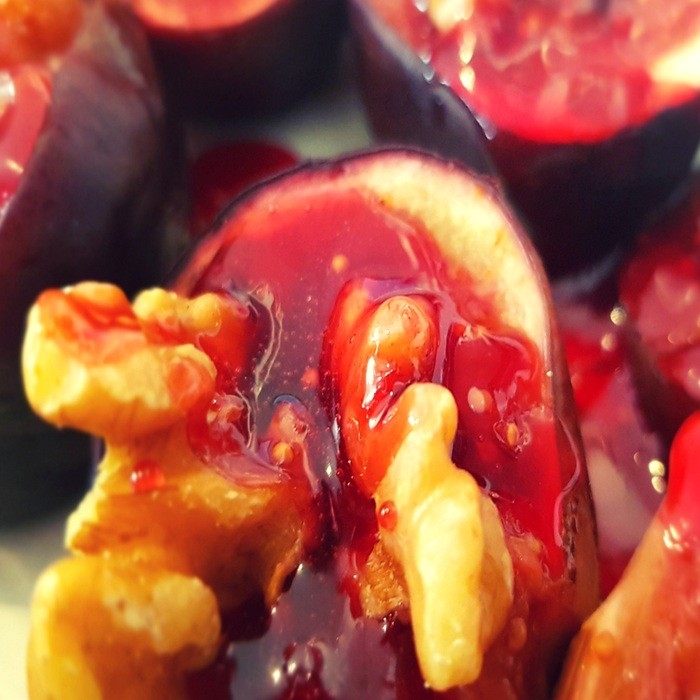
1 Prepare the Figs Cut off the hard bits of stalk and then cut the figs in half length ways. 2 Place the figs in a small frying pan / saute pan with the cut side face up and add the water around them. 3 Cooking Leave the figs on a medium heat to cook through, once they become soft remove them from the pan and place onto a serving dish. This will take around 10 - 15 minutes. 4 Prepare the Syrup In the pan there will be a red water juice left from the figs. Add the sugar while remaining on a medium heat. Stir continuously for a couple of minutes until the juice has turned to a thick syrup. Remove from the heat. 5 Serving Push one half of walnut into every fig and then drizzle the syrup over the top. 6 Serve warm or cooled.
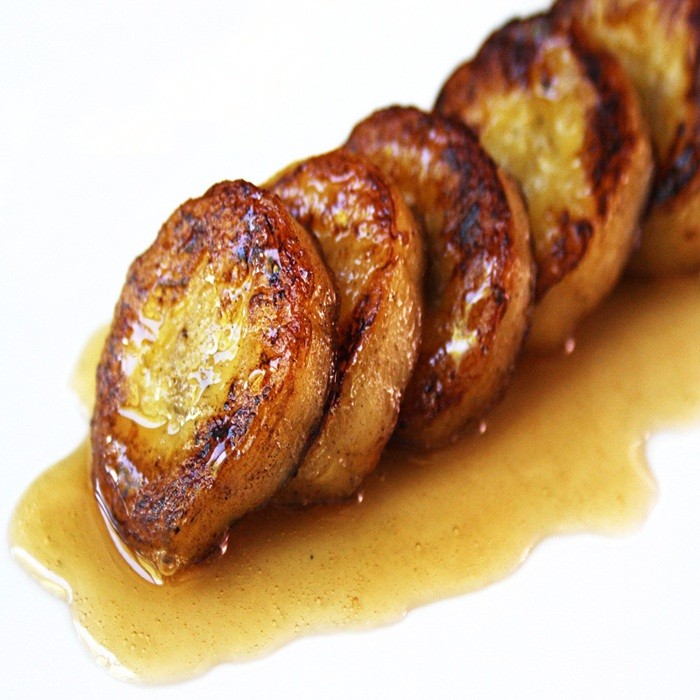
Peal the bananas and boil them together with the cinnamon, vanilla extract, sugar and water for about 20 minutes. Bake the bananas in the oven at 275°F for 10 minutes. Serve with favorite ice cream.
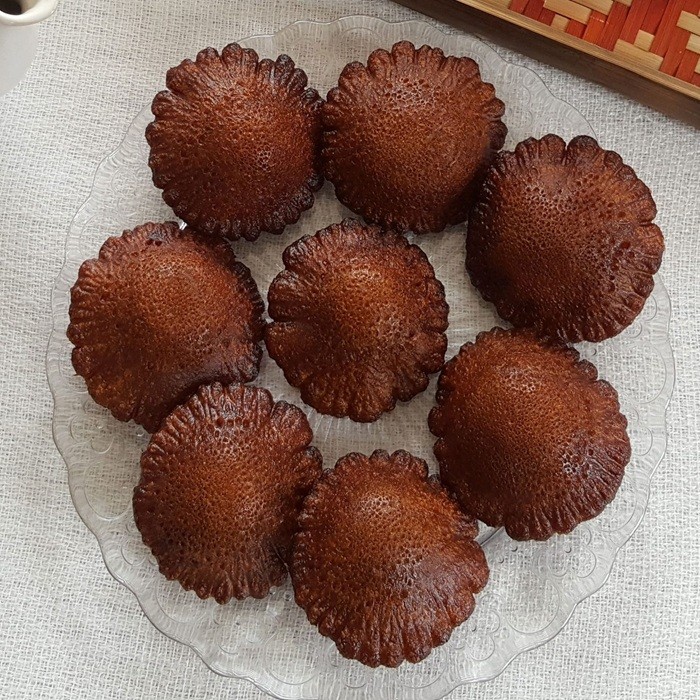
Add the molasses to a large mixing bowl and begin by pouring 300ml of water to start with and whisk together. The texture of Bangladeshi molasses varies from a thick syrup to slightly set. I use brands such as Zilani or Akza. If the set is very syrupy (like golden syrup) you will only require 300–325ml of water 2 Pour in the flours and spices (if using) and whisk for 3–5 minutes, until you have a smooth batter. You need to check carefully for lumps, as they prevent the handesh from rising and will cause them to split. Cover the batter and rest for 2 hours 3 After 2 hours, thoroughly whisk the batter until smooth, as the rice flour will have settled at the bottom of the bowl. The batter should have a fairly thick consistency, yet remain loose enough to pour – similar to thick pancake or waffle batter. It should form ribbons as you drag the whisk though it 4 Take a cast-iron korai or wok and add enough oil to half-fill the pan, or enough to deep-fry and turn the heat to high. Once the oil is hot reduce the heat to low–medium. Drop in a teaspoon of batter to test the oil – if it rises slowly to the surface the oil is ready 5 Pour batter in a quick steady stream into the centre of the pan, preferably using a pyrex jug with a pouring spout (About 45ml of batter for each cake). It should rise to the surface in about 15–20 seconds and slowly puff up. If it rises too quickly, just turn the heat down slightly. Cook for 45 seconds, or until the underside is golden. Carefully turn over and cook for a further 30–45 seconds, until golden. Make sure to not let excess batter drip into the pan as this may prevent the cakes from rising and always fry one at a time 6 If the batter splits while frying, whisk in 2 tablespoons of flour to the mixture and try again. You should be creating handesh which are about the size of a digestive biscuit 7 Use a slotted spoon to remove the handesh and place on kitchen towel with frilled edge facing down while you continue frying the rea
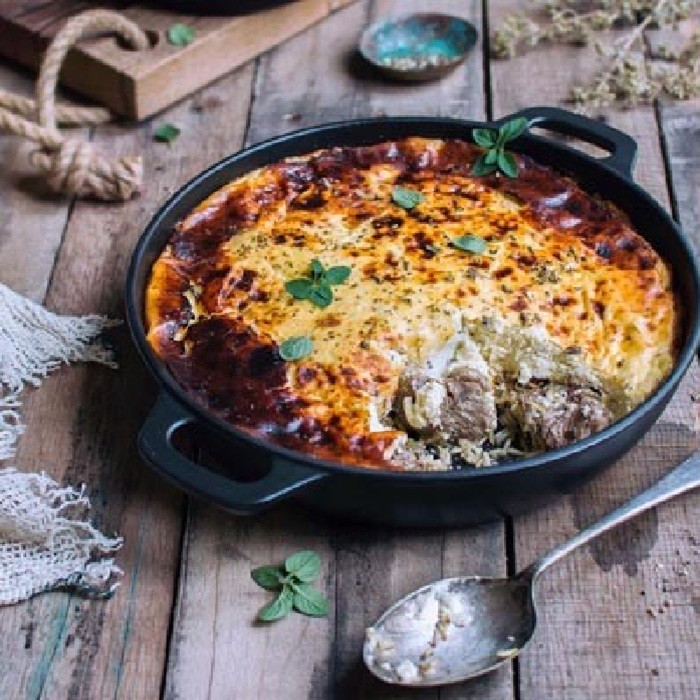
1 Baking the Lamb In a large pan (with a lid) melt the butter and olive oil together then add the diced lamb. Brown the lamb on a medium heat, this will take around 5 minutes. 2 Add the garlic, oregano, 300ml of water and season with salt and pepper. Mix well before covering with the lid. Leave to simmer for 50 minutes mixing a couple of times ensuring the lamb doesn’t start to burn. 3 The juices should have nearly all boiled away so another 150ml of water should be added along with the rice. Mix altogether, bring to the boil, place the lid on and leave for just 10 minutes. It’s advised to check at around 8 minutes – you want the liquid to be evaporated with just moist coating of oily water left over the lamb and rice. 4 Place the lamb and rice into a casserole dish, the mixture should fully cover the base and have at least 2 inches spare for the yogurt. Alternatively you can split into four ceramic bowls. 5 Making a Roux In a small saucepan melt the butter over a medium heat and then add two tablespoons of flour while continuously stirring for two minutes (add a little extra flour if needed). The roux should not be thick but not too runny, the colour will darken slightly. Pour the roux into a bowl and keep to one side. 6 Making the Yogurt Mixture In a mixing bowl add the yogurt, eggs and season with salt and pepper. Mix together then add the roux continuing to mix fast for a minute to ensure the roux and yogurt are thoroughly combined. 7 Pour the yogurt mixture over the baked lamb and rice and sprinkle on a little oregano. 8 Cooking Place on the bottom shelf of the oven on 180 degrees for 35 minutes then move it up to the middle for a further 10 minutes. The Tavë kosi is ready when the yogurt has risen up high and a golden crust formed. 9 Leave to cool for 5 – 10 minutes before serving.

In a bowl of warm water, add tapioca pearls and allow them to soak for 20 minutes. Prepare bananas by peeling them and cutting them into ½ inch slices. Set the slices aside On a stove, pour in 4 cups of water and bring it to a boil. Add in the banana slices. After 20 minutes, drain the tapioca pearls in cold water to allow the pearls to separate from each other. Add the tapioca pearls into the the pot. Allow to simmer for 3 minutes or until the tapioca pearls turn clear. Next, add in sugar and pour in the coconut cream. Stir the ingredients gently for 3 minutes to incorporate the flavors. Add salt to taste.
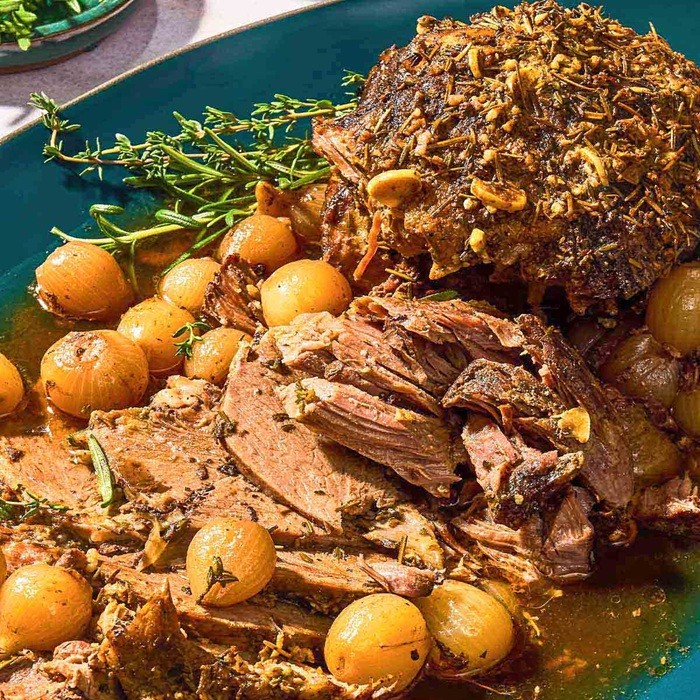
Place all of the above ingredients into your roaster pan at least two days before you want to eat. Stir occasionally throughout the days to distribute marinade evenly. Bake at a 350-degree oven for 1 hour to 1 1/2 hours or until meat is not red when sliced. You can also make these on skewers if you wish to go through the process of spearing the meat with other veggies to grill. Freezes well.
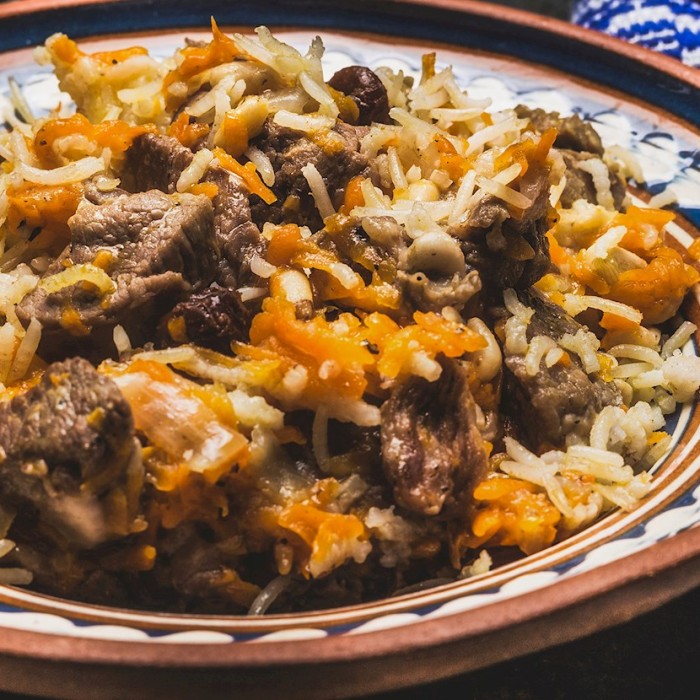
1. Place the meat cut into pieces, in a large pan with the onions. Add the turmeric and enough water to cover. Bring to the boil then cook gently until the meat is very tender and can easily be removed from the bones. 2. While the meat is cooking, cut the orange peel into thin match style pieces, removing as much pith as possible. Leave to soak in a bowl of water. 3. When the meat is tender, remove from the pan and when cool enough, remove the meat from the bones and shred the meat into strips with your hands. Return the meat to the pan. 4. Wash the short grain rice and then add to the pan with salt according to taste. The juices should cover the rice by about 2cm, add more water if necessary. Bring back to the boil, then reduce the heat to medium and cook with the lid off, stirring from time to time until the rice is "al dente" and the liquid is absorbed. 5. Add the natural yoghurt, and stir in well but carefully. Fry the crushed cloves of garlic in the oil and add to the dish along with the dill, black pepper, the chickpeas and extra salt to taste. 6. Mix in well, then cover the top of the pan with a clean thick cloth and the lid. Leave on a low heat for about half an hour to allow the flavours to absorb. Enjoy with some warm nan bread for extra comfort.
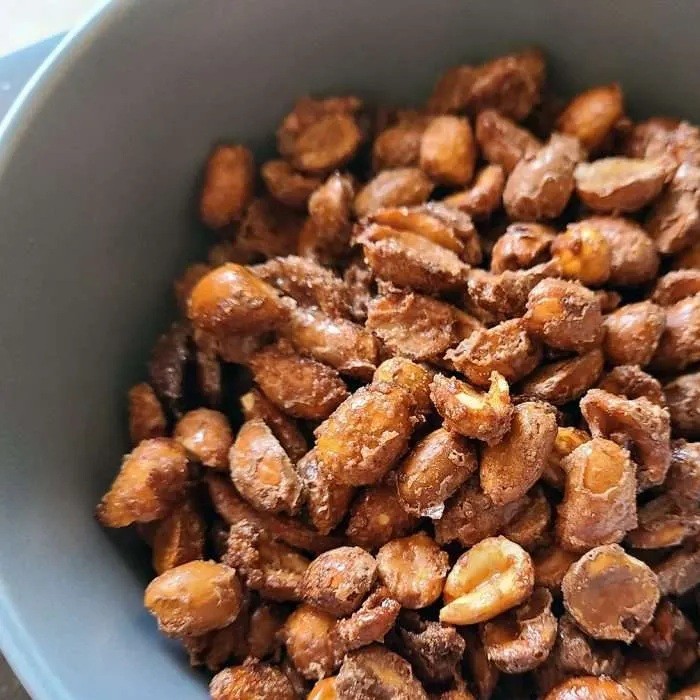
1 In a large heavy saucepan, combine the peanuts, sugar and water. Bring to a boil; cook until syrup has evaporated, about 10 minutes. 2 Spread peanuts in a single layer in a greased 15x10x1-in. baking pan; sprinkle with salt. 3 Bake at 300° for 30-35 minutes or until dry and lightly browned. Cool completely. Store in an airtight container.

1. To prepare the dough, sift the flour with 1tsp of salt into a mixing bowl. Slowly mix in as much of the water is required, until a stiff dough is formed. Knead on a clean work surface for 5-10 minutes, until the dough is elastic and shiny. Cover with a damp cloth and set aside for about an hour. 2. Put the chopped lamb, onions, chilli, 1 tsp salt, ground pepper and spices in a bowl and mix thoroughly. 3. Divide the dough into 4 small balls, and roll out to a thickness of 1.5mm, cutting into 10cm squares. Into each square, place 1 heaped teaspoon of the lamb mixture. 4. Take two opposite corners and bring them to join in the centre by nipping together firmly between your fingers, and then bring together to other two corners in the same manner. Note that the mantu should not be entirely closed, as the steam has to be penetrate and cook the filling! 5. Using fat to grease the shelves of the steamer, place your mantu so that there is a small space between each one. Steam for 30-45 minutes over a medium heat. 6. Meanwhile, make the tomato sauce. Heat the oil in a pan, add tomato puree, and bring to the boil. Stir and simmer on a low heat until the mantu are ready. 7. Remove the mantu carefully from the steamer and place on a large, warm dish. Spoon the tomato sauce over the top, followed by the strained yoghurt, and sprinkle with chopped coriander to garnish.
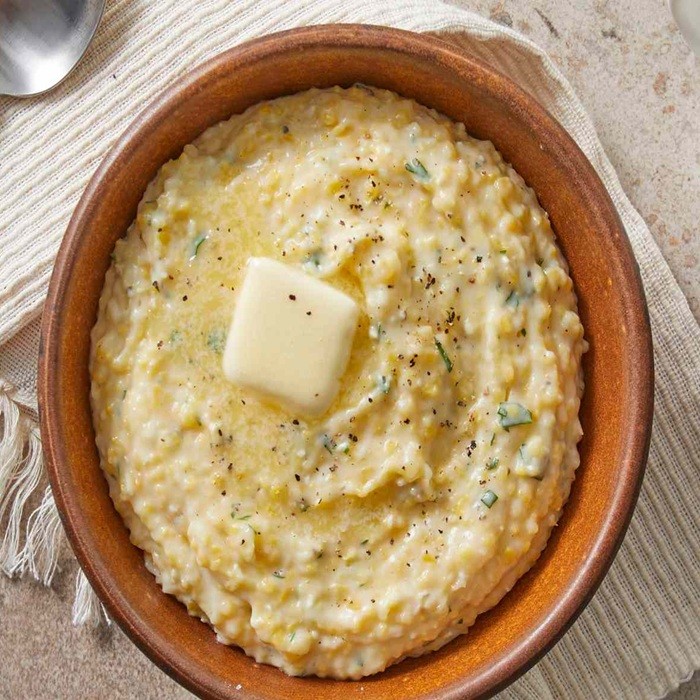
Bring water with salt to a boil then add grits; reduce heat and cover. occasionally stirring. Cook approximately 15 minutes or until grits have desired consistency. Cool then serve
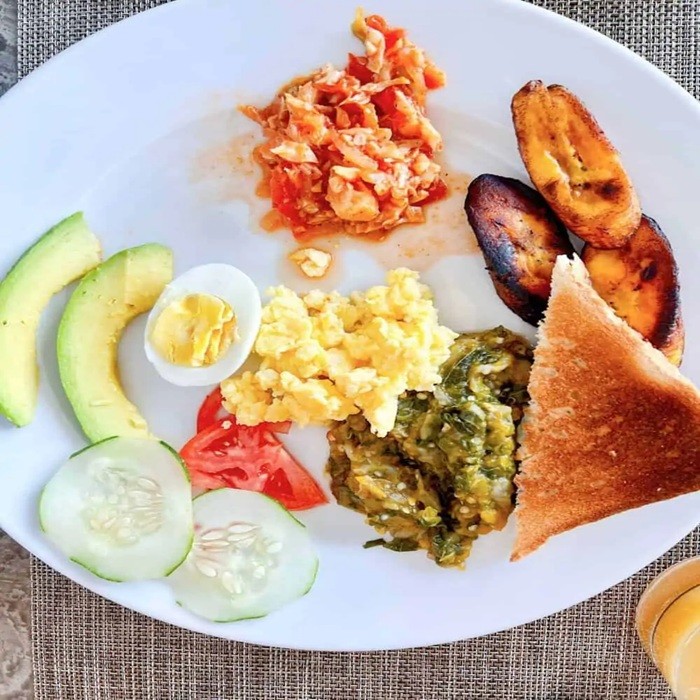
Peel and chop eggplant and pumpkin into medium-sized pieces. Heat butter and add onions and garlic in a medium sized pot set to medium to high heat. Sauté for 2 minutes until softened but not browned. Add pumpkin and eggplant. Sauté for an additional two to three minutes. Add water just to cover the vegetables. Bring to a boil, reduce heat to a simmer and cook until the vegetables are soft. Add the chopped spinach, stir and cook for an additional 3 minutes. Pour the vegetable mixture into a colander and let drain. After vegetable mixture has been drained return it to the pot and mash vigorously with a potato masher or a thick whisk. Add salt and pepper. Adjust seasoning to taste.
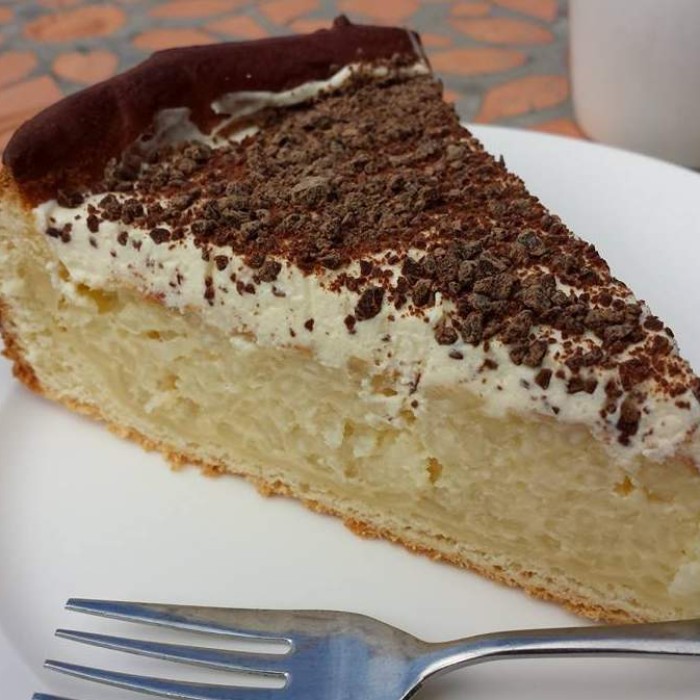
Heat the oven to 180°C. For the dough, mix flour and sugar in a bowl. Heat the 100 grams of milk to lukewarm and dissolve the yeast in it. Let stand for a while until it starts to bubble. Then add to the flour along with the coconut oil and mix into a smooth dough. Let rise for 30 minutes, covered, in a warm place. Meanwhile, make the rice pudding by putting the rice with sugar, milk and vanilla extract in a saucepan. Add the cardamom, star anise and cinnamon. Bring to a boil and cook, stirring constantly. Take out the spices. In a small bowl, mix baking soda with lemon juice/apple vinegar. Stir well until baking soda is dissolved, then mix into the rice pudding. Roll out the dough on a floured work surface (it is very sticky, but don’t stress it will be fine) and line the bottom and edges of a greased mold with it. Spread the rice pudding over the bottom and bake for about 25 to 30 minutes.
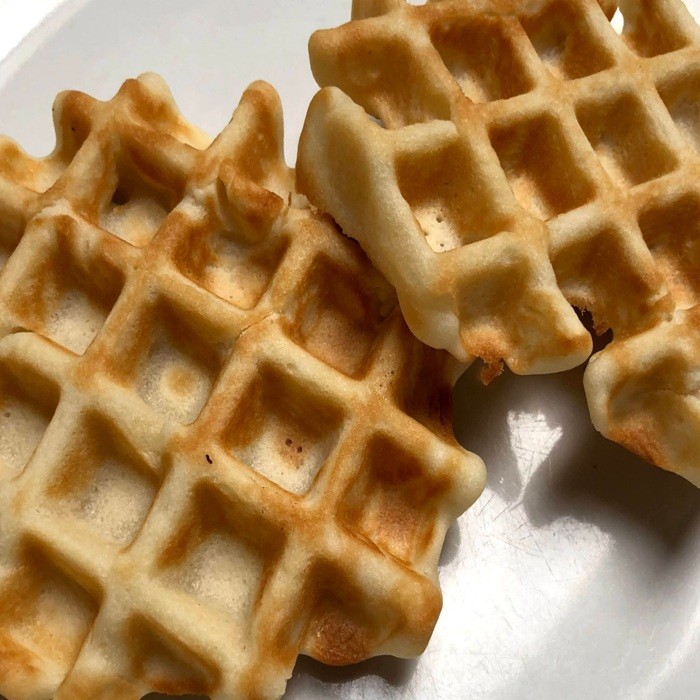
In a bowl, mix the flour, coconut milk, palm sugar and eggs and salt. Brush a waffle iron with oil pour in the batter and cook over an open fire until light brown and crispy.