
Sift the flour, baking powder, and salt into a large mixing bowl. Combine the lard and milk in a saucepan, and heat until the milk is hot. Pour the hot milk into the flour mixture, and stir until a dough forms. Turn out onto a floured surface, and knead until smooth and elastic. Cover, and allow to rest for 15 minutes. Preheat oven to 375 degrees F (190 degrees C). Roll the dough out on a floured surface 1/4-inch thick. Cut into 4-inch rounds. Brush the outer edges of each circle with beaten egg, and fill with a small mound of cheese. Fold each circle in half to form a half-moon; press the edges with your fingers or a fork to seal. Place the empanadas onto a parchment paper-lined baking sheet. Brush the tops with remaining egg. Bake in preheated oven until golden-brown, about 20 minutes. Alternatively, the empanadas may be deep fried in 375 degrees F (190 degrees C) oil. If deep frying, do not brush the outsides of the empanadas with egg. Drain on paper towels.

Cut the peppers lengthwise and remove the seeds. In a bowl combine 3.5 oz (100 grams) Feta cheese, 7 oz (200 grams) cottage cheese, 1 tbsp chopped chives (optional), 1 tbsp chopped parsley (optional), 1/4 tsp salt (more or less to taste) and 1 tbsp lemon juice. Fill the peppers with the mixture. Top with chopped chives and parsley. Serve.
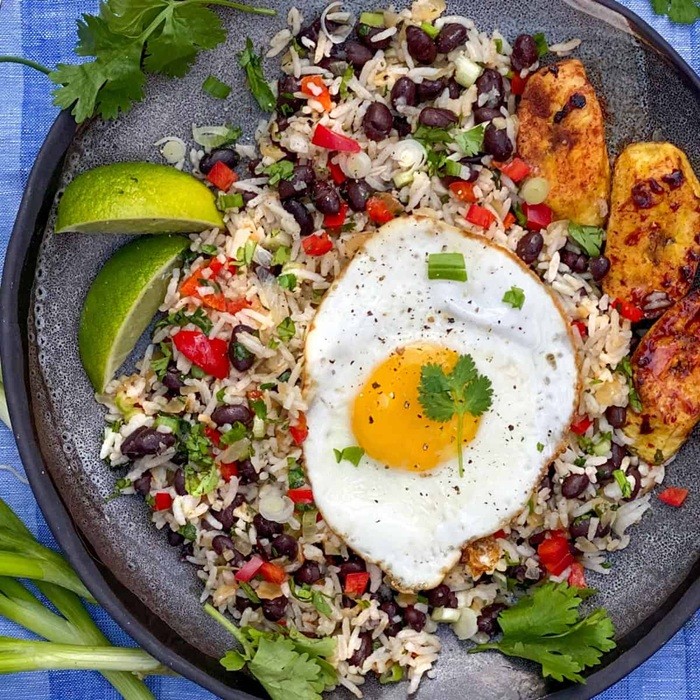
Heat up a pan over medium high heat, add olive oil and let it get hot. Add onions, peppers, cilantro, garlic, cumin, salt and pepper, cook for 3 to 5 min until onion is translucent. Mix in the beans, stir and reduce heat to medium, add the Lizano sauce, stir and cook for 5 more minutes. Add the rice, stir and cooked for a few more minutes, to incorporate all the flavors in the rice. The time to cook it I will depend of how you like your gallo pinto, some people like it a little wet and some other like it a little toasted or dry. I prefer it not too dry, so I cook it for about 5 to 7 min.
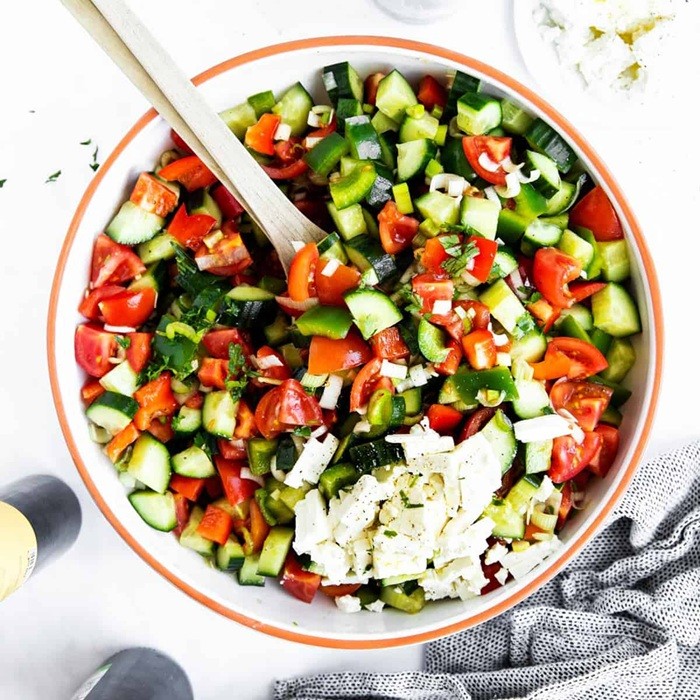
Combine vegetables in a bowl and sprinkle salt on top. Let it stand for 5 minutes. Add the oil. Top with feta and parsley. Serve.
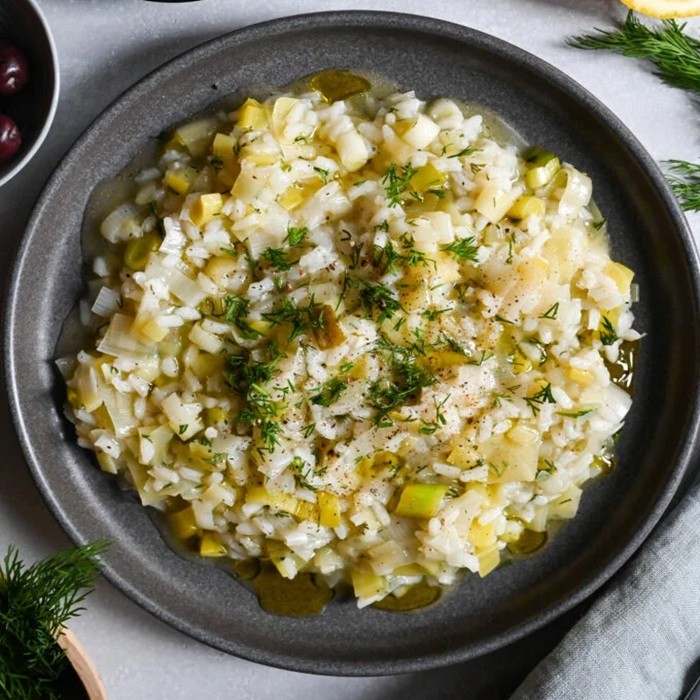
1 Cooking Fry the leeks in a small dash of olive oil for a few minutes until they start to brown. 2 Add the onions and mince and fry until everything is browned. Ensure you keep stirring to prevent the leeks catching and burning. 3 Add the rice and stir together for a few minutes ensuring the rice is well blended and coated in any juices. 4 Add the lamb stock, salt and pepper. Give it a good stir and leave it to come to the boil. Leave to boil for 2 minutes. 5 Baking Pour the mixture into a large baking tray, place on the bottom self of a preheated oven at 180 degrees. Leave to bake for up to 1 hour. The dish is ready when all the liquid is evaporated and the rice is soft. 6 Serving Once cooked turn off the oven and keeping the door open leave the leek and rice bake to cool for 10 minutes before serving.
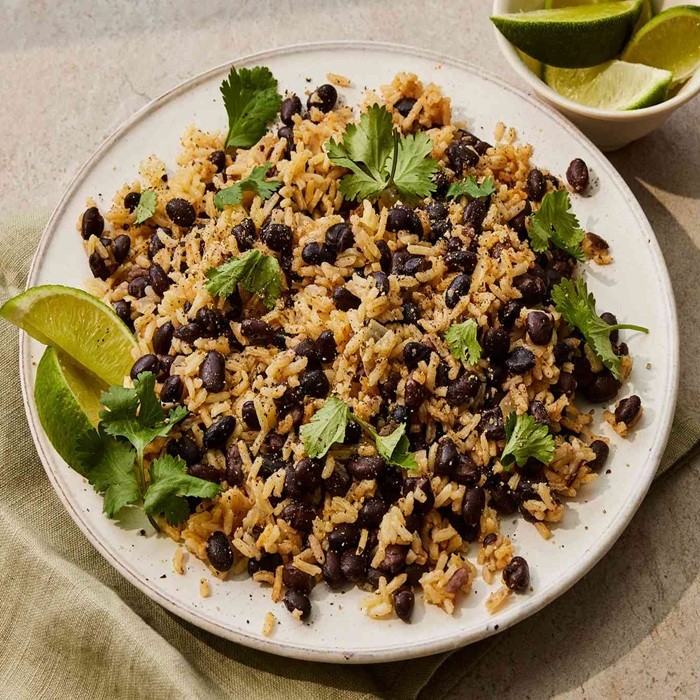
Cook beans until tender, add rice, coconut milk, onion, black pepper and salt, and add enough water to just cover the ingredients. Place Scotch Bonnet peppers on top, careful not to burst them. Simmer until rice is tender. Remove pepper before serving.
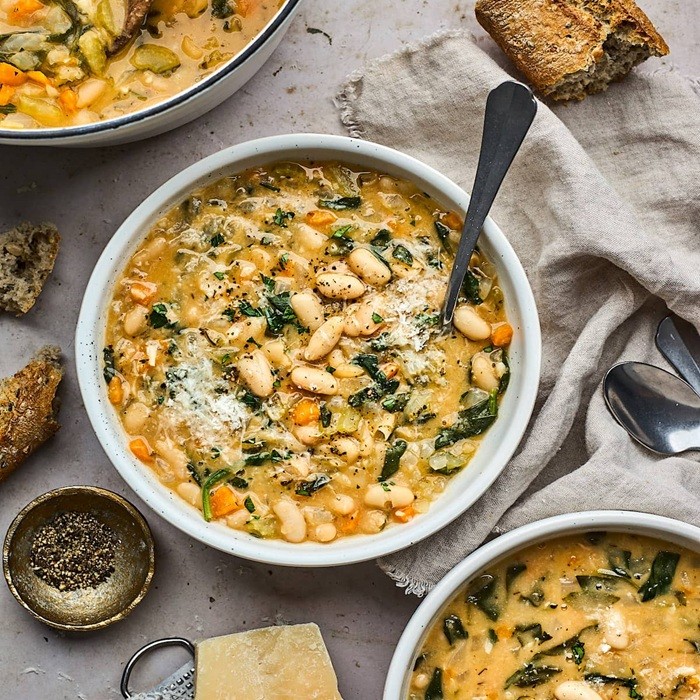
Place beans in a large pot and cover with cold water. Soak for at least 4 hours or overnight. Drain and rinse, before you use in the soup. Chop one of the onions and leave the other one whole. Chop carrots. Heat oil on a large pot over medium heat. Add the onion and carrots. Cook for 2 minutes. Add beans, water, peppers, head of onion, salt, pepper, summer savory, mint, thyme, Vegeta and tomato puree. Stir, bring to a boil, then reduce to a simmer and cook for 2 hours, or until the beans are tender. Remove the peppers and whole onion. Mash the onion. Peel peppers and chop. Return to the pot. Add more salt and pepper, if needed. Garnish with chopped parsley. Serve.
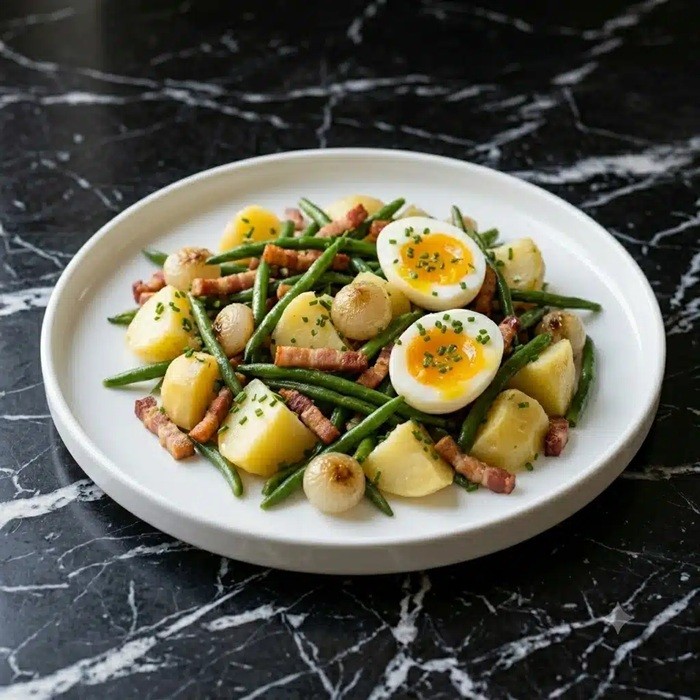
Scrub the potatoes well but don't peel them. Cut them into bite-size pieces. Add them to a large pan water and a pinch of salt. Bring it to a good boil. Cook the potatoes until tender and then remove them using a slotted spoon. Keep the potatoes at room temperature. Trim and clean the green beans. Add them to the pan of hot water you boiled the potatoes in. Cook the green beans until nearly tender (keep them crunchy). Strain and refresh them immediately under cold running tap water to stop the cooking process. Add the bacon to a large non-stick pan and place it over medium heat. Cook the bacon for a couple of minutes until cooked through. Then take the pan off the heat and let the bacon cool down a little. Combine the olive oil, vinegar and mustard. Transfer the cooked potatoes, green beans, bacon, chopped onion, parsley and vinaigrette. Season with pepper and salt. Stir well. Check the seasoning and add extra vinegar, pepper or salt to taste. Transfer the salad to a large serving bowl or 2 deep plates and garnish with the boiled eggs. Serve lukewarm.
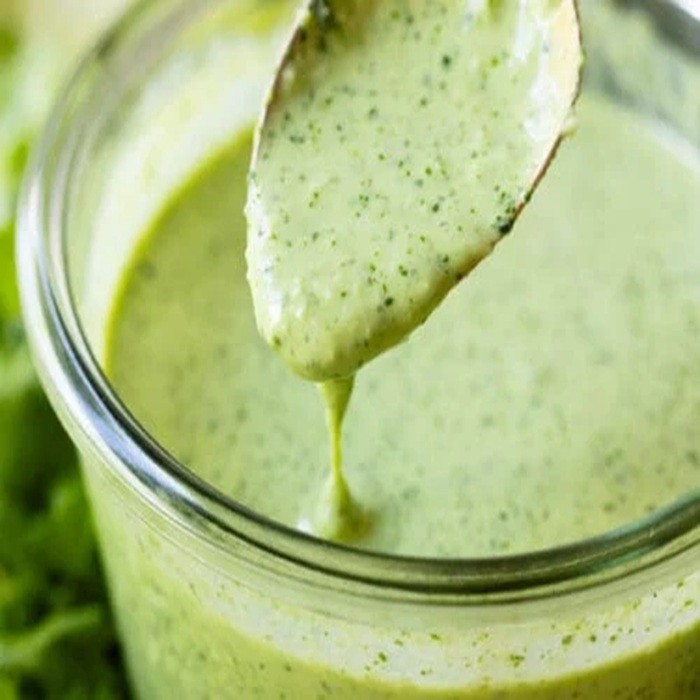
step 1 Put all the ingredients in a blender or food processor and mix into a sauce. Add seasoning, then pour into a serving bowl.
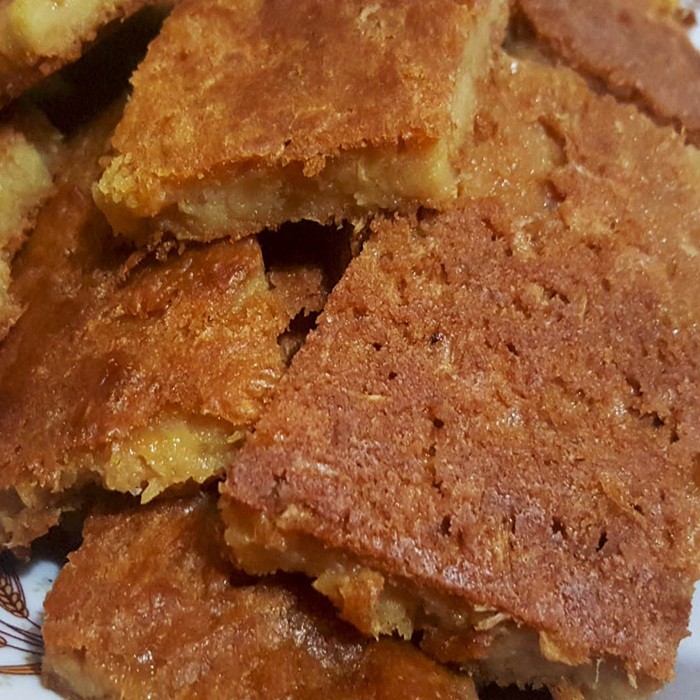
1 Preparation In a mixing bowl mix together the summer squash, sugar, eggs and baking soda. Add the flour and continue to mix, you are looking for a thick sticky mixture. Add a bit more flour if the mixture is still thin and slightly runny. 2 In a large round baking tray (about 2 inches deep) rub some olive oil over the base and edges. 3 Scoop the mixture onto the tray and spread out evenly, then pour a small amount of olive oil onto you hand and rub it in circles gently over the top of the mixture. This should flatten it and leave it with a slightly shiny glossing. 4 Cooking Bake in the oven for 40 minutes on 180 degrees – the top should be a golden brown once cooked. 5 Serving Leave to cool before slicing into squares and serving.
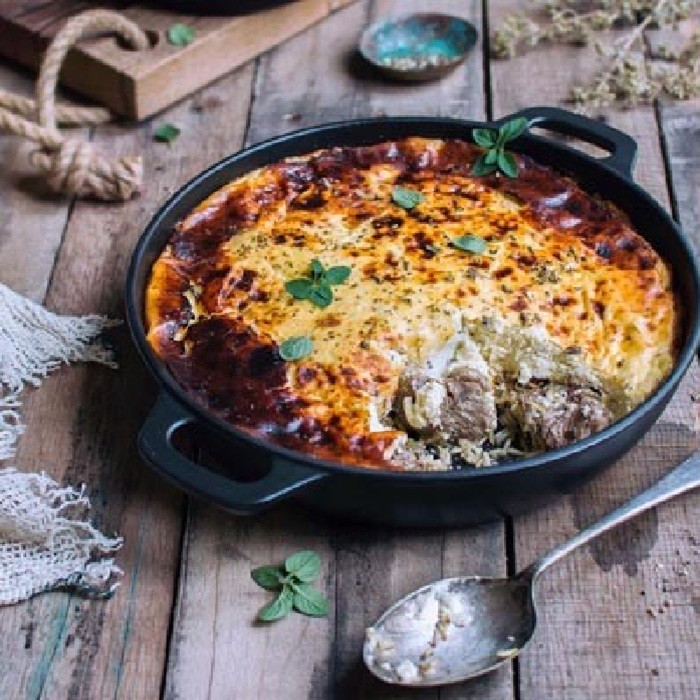
1 Baking the Lamb In a large pan (with a lid) melt the butter and olive oil together then add the diced lamb. Brown the lamb on a medium heat, this will take around 5 minutes. 2 Add the garlic, oregano, 300ml of water and season with salt and pepper. Mix well before covering with the lid. Leave to simmer for 50 minutes mixing a couple of times ensuring the lamb doesn’t start to burn. 3 The juices should have nearly all boiled away so another 150ml of water should be added along with the rice. Mix altogether, bring to the boil, place the lid on and leave for just 10 minutes. It’s advised to check at around 8 minutes – you want the liquid to be evaporated with just moist coating of oily water left over the lamb and rice. 4 Place the lamb and rice into a casserole dish, the mixture should fully cover the base and have at least 2 inches spare for the yogurt. Alternatively you can split into four ceramic bowls. 5 Making a Roux In a small saucepan melt the butter over a medium heat and then add two tablespoons of flour while continuously stirring for two minutes (add a little extra flour if needed). The roux should not be thick but not too runny, the colour will darken slightly. Pour the roux into a bowl and keep to one side. 6 Making the Yogurt Mixture In a mixing bowl add the yogurt, eggs and season with salt and pepper. Mix together then add the roux continuing to mix fast for a minute to ensure the roux and yogurt are thoroughly combined. 7 Pour the yogurt mixture over the baked lamb and rice and sprinkle on a little oregano. 8 Cooking Place on the bottom shelf of the oven on 180 degrees for 35 minutes then move it up to the middle for a further 10 minutes. The Tavë kosi is ready when the yogurt has risen up high and a golden crust formed. 9 Leave to cool for 5 – 10 minutes before serving.
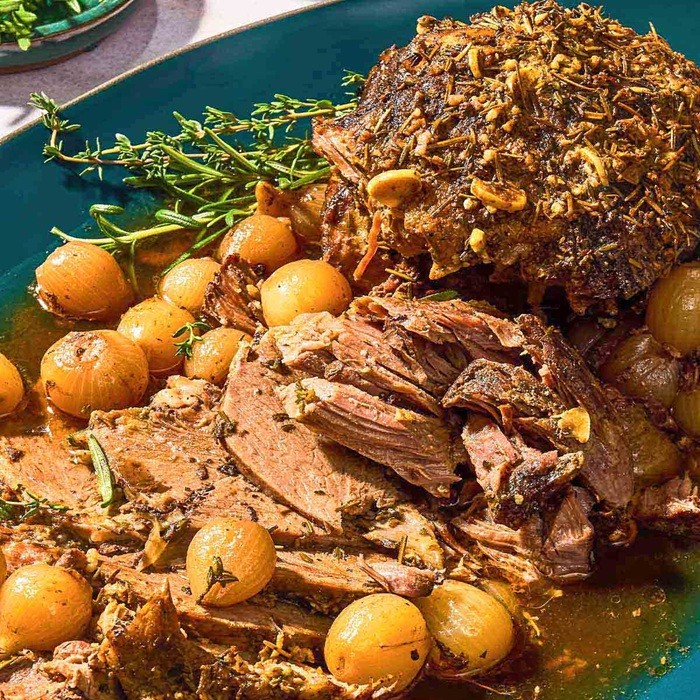
Place all of the above ingredients into your roaster pan at least two days before you want to eat. Stir occasionally throughout the days to distribute marinade evenly. Bake at a 350-degree oven for 1 hour to 1 1/2 hours or until meat is not red when sliced. You can also make these on skewers if you wish to go through the process of spearing the meat with other veggies to grill. Freezes well.
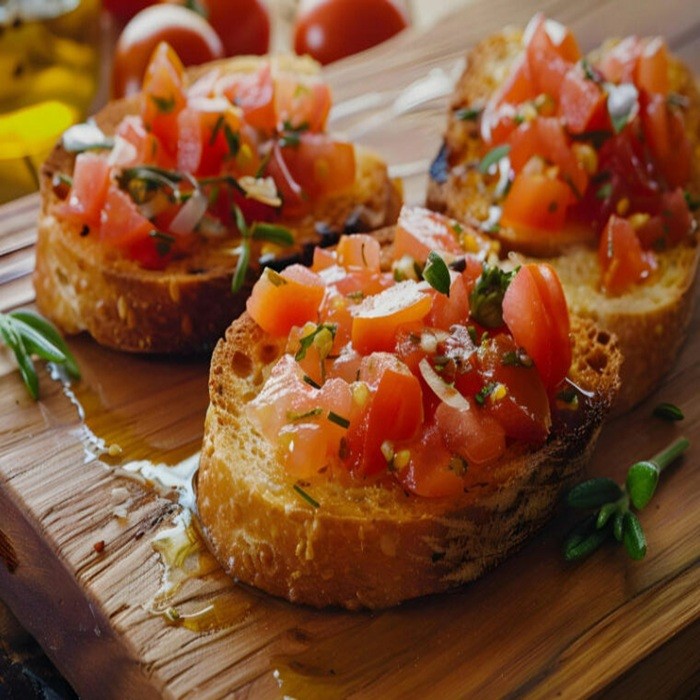
Toast the bread slices -- either in a toaster, or by baking them in the oven at 400°F -- until crispy and golden. (Toasting/baking time will totally depend on the type and thickness of your bread.) Take a clove of garlic and rub it cut-side-down all over the top of a slice of bread. Take a tomato half and rub it cut-side-down all over the top of the bread. Drizzle the bread evenly with a hint of olive oil. Sprinkle with a pinch of salt. Repeat with the remaining slices of bread. Then serve immediately while they're nice and warm!
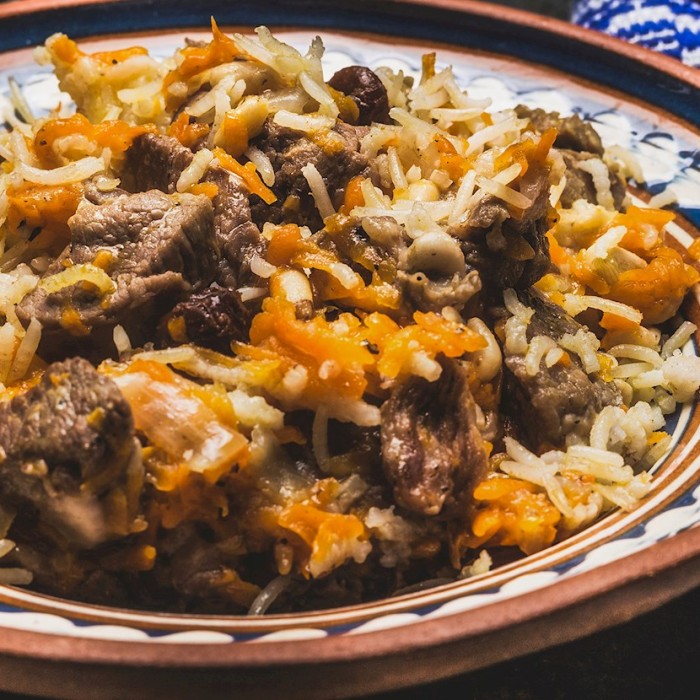
1. Place the meat cut into pieces, in a large pan with the onions. Add the turmeric and enough water to cover. Bring to the boil then cook gently until the meat is very tender and can easily be removed from the bones. 2. While the meat is cooking, cut the orange peel into thin match style pieces, removing as much pith as possible. Leave to soak in a bowl of water. 3. When the meat is tender, remove from the pan and when cool enough, remove the meat from the bones and shred the meat into strips with your hands. Return the meat to the pan. 4. Wash the short grain rice and then add to the pan with salt according to taste. The juices should cover the rice by about 2cm, add more water if necessary. Bring back to the boil, then reduce the heat to medium and cook with the lid off, stirring from time to time until the rice is "al dente" and the liquid is absorbed. 5. Add the natural yoghurt, and stir in well but carefully. Fry the crushed cloves of garlic in the oil and add to the dish along with the dill, black pepper, the chickpeas and extra salt to taste. 6. Mix in well, then cover the top of the pan with a clean thick cloth and the lid. Leave on a low heat for about half an hour to allow the flavours to absorb. Enjoy with some warm nan bread for extra comfort.
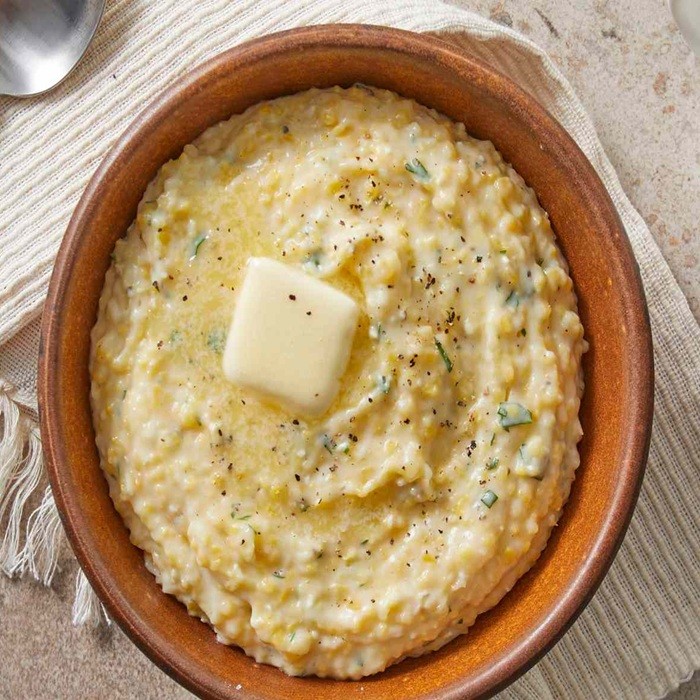
Bring water with salt to a boil then add grits; reduce heat and cover. occasionally stirring. Cook approximately 15 minutes or until grits have desired consistency. Cool then serve
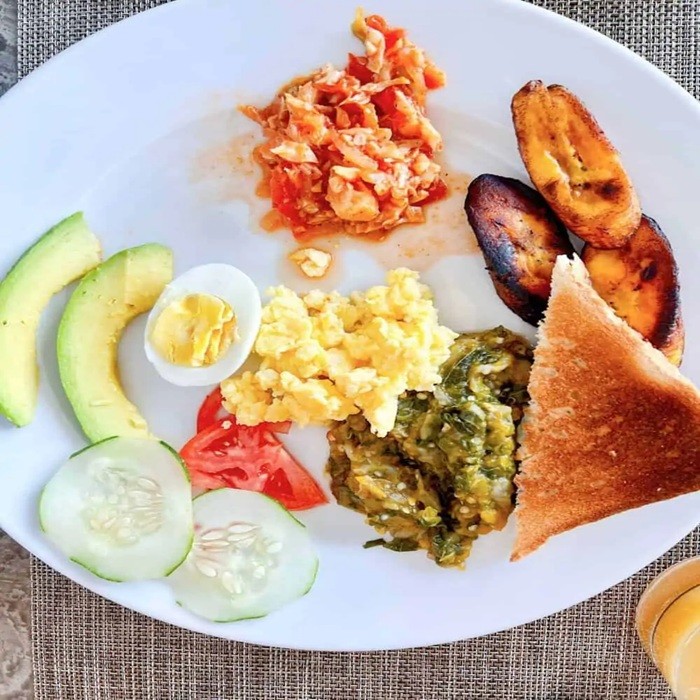
Peel and chop eggplant and pumpkin into medium-sized pieces. Heat butter and add onions and garlic in a medium sized pot set to medium to high heat. Sauté for 2 minutes until softened but not browned. Add pumpkin and eggplant. Sauté for an additional two to three minutes. Add water just to cover the vegetables. Bring to a boil, reduce heat to a simmer and cook until the vegetables are soft. Add the chopped spinach, stir and cook for an additional 3 minutes. Pour the vegetable mixture into a colander and let drain. After vegetable mixture has been drained return it to the pot and mash vigorously with a potato masher or a thick whisk. Add salt and pepper. Adjust seasoning to taste.
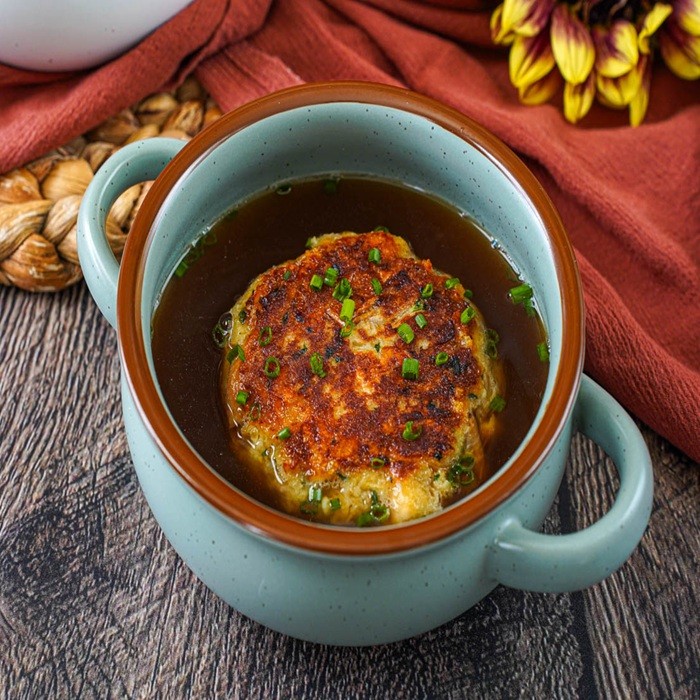
Step 1 Mix the cubed white bread with the milk, season with salt, and let the mixture rest for a while. Step 2 Now add the shredded potatoes, the grated cheese, eggs, and parsley. Step 3 Melt the butter and fry the cubed onions until golden brown in colour and put into the mixture. Step 4 Add the flour and gently knead the dough. Shape it into round dumplings, gently press them flat and fry them on both sides in butter until golden brown. Step 5 Serve in clear broth.
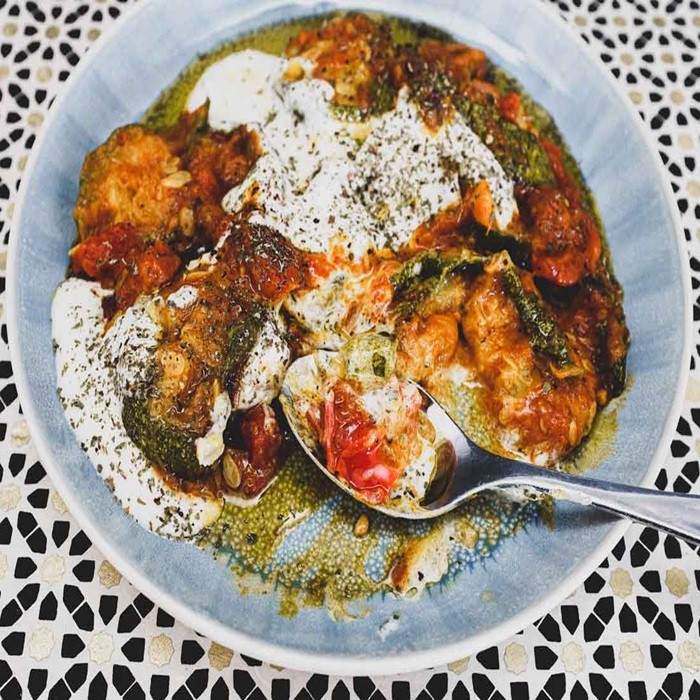
Peel the squash and cut it into pieces 1cm wide. Deep fry it in oil until golden and set aside. Using the same pan and oil, deep fry the onions until golden. Remove the onions and grind with the garlic (if using garlic paste, mix it into the onions once ground). Add a small amount of oil to a pan on medium heat. Once hot, add the turmeric. Mix the salt into one cup of water and add it to the turmeric. Add a layer of squash, then a layer of onion and garlic. Repeat this step until the squash, onion and garlic have been used up. Add the sugar and one cup of water. Turn the heat down and cook until the water has reduced. Add 1-2 tablespoons of melted curd to a plate, add the squash on top with another layer of melted curd. At last, add some green chilli and serve!
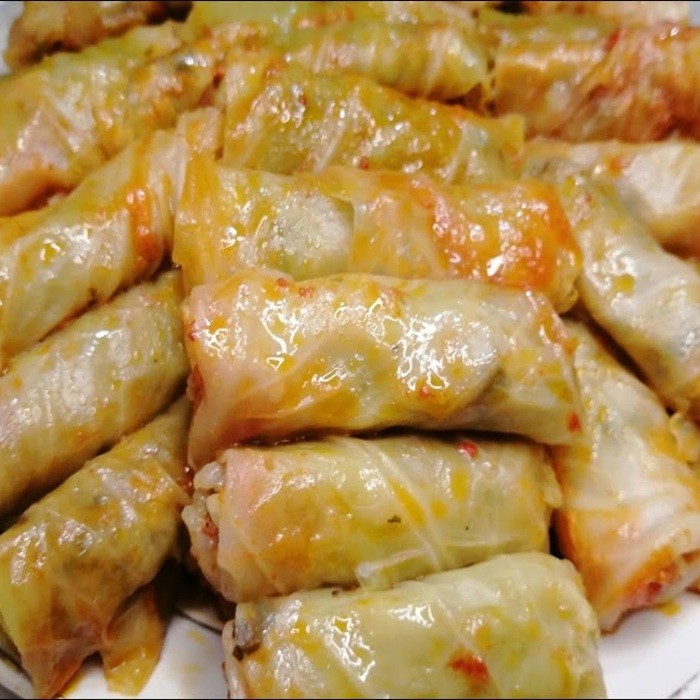
First boil the rice for eight minutes. Meanwhile, peel and finely chop the onion. Then chop the herbs. The recipe didn't really say what to do with the chickpeas (also known of course as garbanzo beans), beyond soaking them overnight and rinsing them. I used canned chickpeas, since I've never actually seen them dried. I decided to chop/mash them slightly so they would better incorporate into the filling. Chickpeas (or garbanzo beans) roughly chopped Now mince the lamb (I used my mini food processor). Here's where I ran into another problem: what to do with the lamb fat this recipe calls for? Mince it? Melt it? Does lamb fat even melt? I decided to mince mine. Thankfully, my husband doesn't actually read this blog because he'd be horrified if he knew I put fat in the dolma on purpose. Minced lamb and its good friend, minced fat. Ew. The ingredients for the dolma stuffing include onion, cilantro, chickpeas and turmeric. Anyway, now get your hands into all that slimy raw meat and mix in the onion, spices, chickpeas, rice, chopped herbs and fat. Add a little salt and pepper for good measure. In fact, based on my results I would say to err on the side of a little extra salt and pepper. Mix well with your hands until the stuffing looks something like this. Fill the biggest saucepan you own with salted water and bring it to a boil over high heat. Now pull the outer leaves off of the cabbage (save them) and drop the rest of it, whole, into the water. Let it boil for three or four minutes, turning it if the water level isn't quite high enough to completely cover it. The reason you are doing this is because it's difficult to get whole cabbage leaves off of an American cabbage. The cabbages you typically buy in our supermarkets come in very tight round balls, and because the leaves are crispy they will snap and crack when you try to pull them off in an un-blanched state. Blanching them for a few minutes makes it so they will come righ
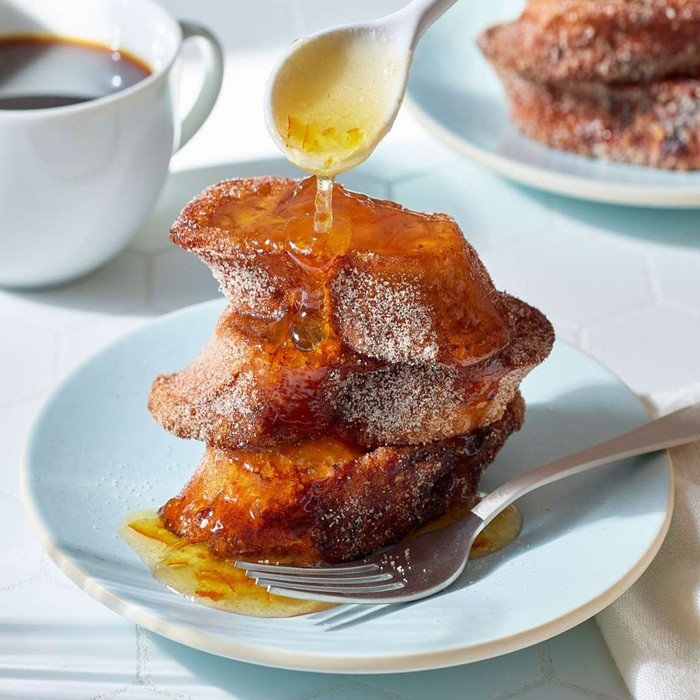
Finely grate the zest of 1 medium orange (about 2 teaspoons) and 1 medium lemon (about 1 teaspoon) into a medium saucepan. Add 1 quart whole milk, 1/2 cup granulated sugar, and 1 (3-inch) cinnamon stick. Bring to a boil over medium heat. Remove the pan from the heat and add 1/3 cup dry sherry. Let sit until cool enough to handle. Meanwhile, cut 1 (12-ounce) day-old baguette crosswise into 1-inch-thick slices (about 16). Arrange in a single layer on a rimmed baking sheet. Pour the milk mixture over the bread and let it soak for 5 minutes. Flip each slice of bread. Let the bread sit until it absorbs most of the liquid but isn't falling apart, about 5 minutes more. Heat 1 cup olive oil in a large frying pan over medium-high heat until shimmering. Meanwhile, whisk 4 eggs together in a medium bowl. Working with 1 slice at a time, dip the bread in the egg mixture to coat. Let the excess drip off, then add to the pan. Repeat with as many slices as needed until the pan is filled with a single layer. Fry until golden-brown on the bottom, about 4 minutes. Flip the slices and fry until the second side until golden-brown, 3 to 4 minutes more. Transfer to a paper towel-lined plate or baking sheet. Repeat dipping and frying the remaining bread. Drizzle with honey to serve.
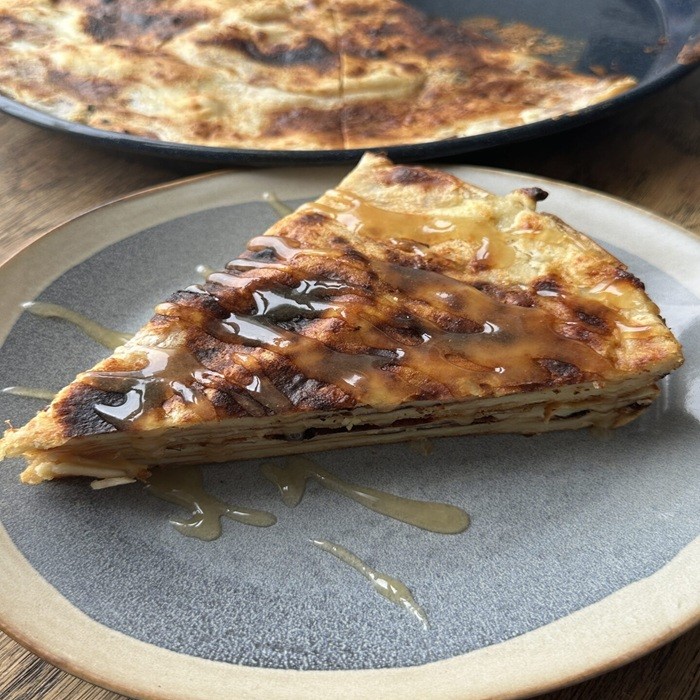
1 Prepare the Flour Batter Mix together the flour, water and salt ensuring all the lumps are dissolved. The mixture should be thick but still of a pouring consistency, add a little extra water if required. Put to one side. 2 Prepare the Batter Filling Mix together the butter, oil and chosen yogurt / cream ensuring all the lumps are dissolved. The mixture should be runny, leave to rest for 10 minutes before given it another good mix. The consistency should be similar to custard. Put to one side. 3 Baking Preheat the gill to a medium setting (I use mark 4 of 6). Take a large deep baking tray or pie pan and rub some olive oil over the base. Make the first layer of flour batter using a squirty bottle or laydel, don't try to pour the batter as it will be too thick in the pan. You need to make a star effect by leaving triangles between each line of batter layers. Place under the grill until golden brown. This will take between 3 - 5 minutes. 4 Remove from under the grill and using a brush or the back of spoon rub over the whole pan (both battered and un-battered areas) a layer of the batter filling. Then, add a layer of the flour filling, use the same star effect this time placing the lines of batter through the gaps left from the previous layering. Also, leaving the same triangle shapes between each line. Place under the grill until golden brown. This will take between 3 - 5 minutes. 5 Repeat step 4 until all the mixture has been used and ensuring each triangle gap is filled with flour batter on each layer - this will take around 2 hours. After every couple of layers, use one layer just to fill up any spaces (large gaps between the batter stars) that may have started to show. 6 Serving Once the Flija is ready serve straight away with honey or yogurt.
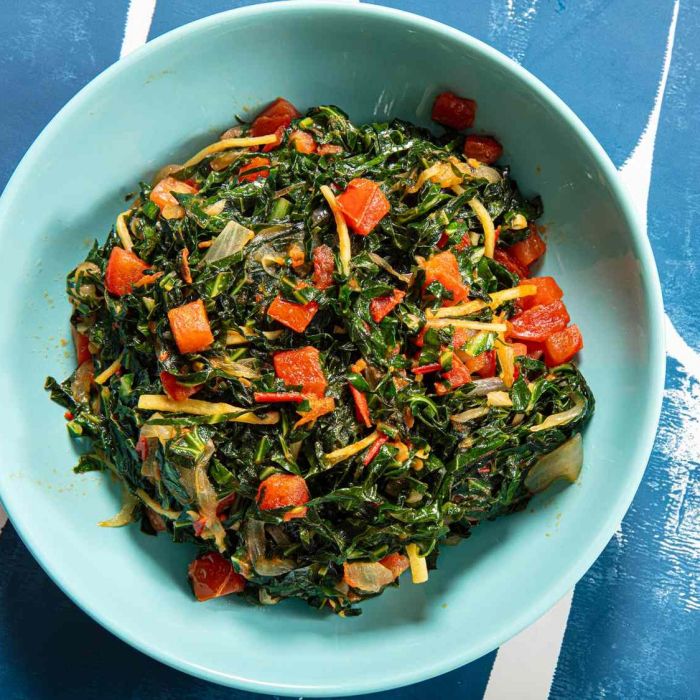
Heat the 2 tablespoons of oil in a large skillet or pot over medium heat until shimmering. Add the onions and cook, stirring occasionally, until softened, 5 to 7 minutes. Add the shredded kale to the onions and mix well. Turn the heat to medium-low, cover and cook for 5 minutes. After 5 minutes, remove the lid, add salt to taste, and stir in the cream. Continue cooking for another 5 minutes, uncovered, stirring occasionally. The cream will thicken slightly, making for a deliciously rich creamed kale and onions. Yumm! Serve it up with your favorite Kenyan stew, and a side of ugali!
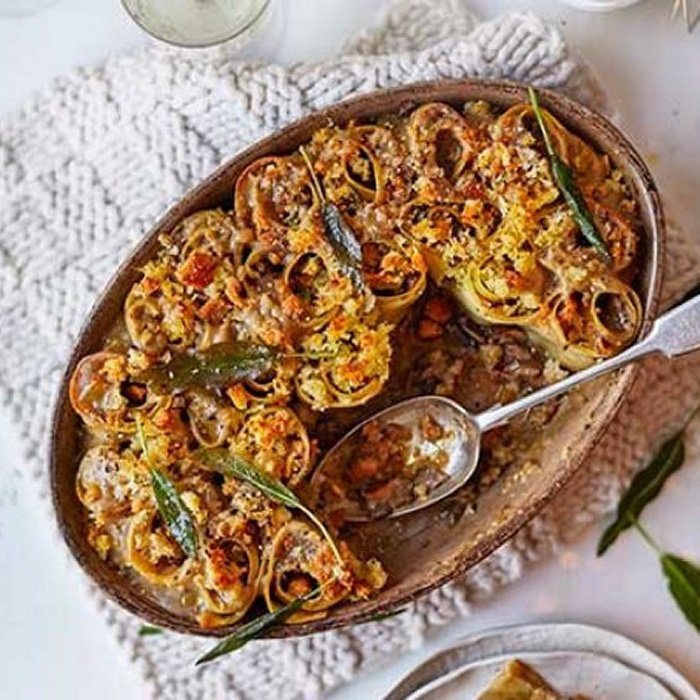
Soak the dried mushrooms in 350ml boiling water and set aside until needed. Blitz ¾ of the chestnuts with 150ml water until creamy. Roughly chop the remaining chestnuts. Heat 2 tbsp olive oil in a large non-stick frying pan. Fry the shallots with a pinch of salt until softened, then add the garlic, chopped chestnuts and rosemary, and fry for 2 mins more. Add the wild mushrooms, 2 tbsp oil and some seasoning. Cook for 3 mins until they begin to soften. Drain and roughly chop the dried mushrooms (reserve the soaking liquid), then add those too, along with the soy sauce, and fry for 2 mins more. Whisk the wine, reserved mushroom liquid and chestnut cream together to create a sauce. Season, then add half to the mushroom mixture in the pan and cook for 1 min until the sauce becomes glossy. Remove and discard the rosemary sprigs, then set the mixture aside. Heat oven to 180C/160C fan/gas 4. Bring a large pan of salted water to the boil and get a large bowl of ice water ready. Drop the lasagne sheets into the boiling water for 2 mins or until pliable and a little cooked, then immediately plunge them into the cold water. Using your fingers, carefully separate the sheets and transfer to a clean tea towel. Spread a good spoonful of the sauce on the bottom two thirds of each sheet, then, rolling away from yourself, roll up the shorter ends. Cut each roll in half, then position the rolls of pasta cut-side up in a pie dish that you are happy to serve from at the table. If you have any mushroom sauce remaining after you’ve rolled up all the sheets, simply push it into some of the exposed rolls of pasta. Pour the rest of the sauce over the top of the pasta, then bake for 10 mins or until the pasta no longer has any resistance when tested with a skewer. Meanwhile, put the breadcrumbs, the last 2 tbsp olive oil, sage leaves and some seasoning in a bowl, and toss everything together. Scatter the rotolo with the crumbs and sage, then bake for another 10 mins, until the top is gol
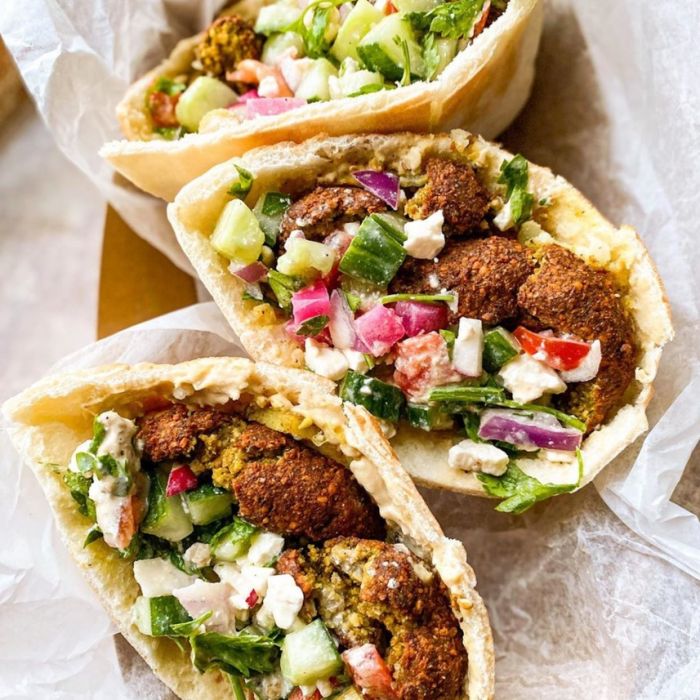
Preheat the oven to 450 degrees F (230 degrees C). Place falafel on a baking sheet. Bake in the preheated oven until heated through, 8 to 10 minutes. While falafel bake, whisk tahini, water, lemon juice, garlic, and paprika together in a bowl. Cut about 1 inch from the top of each pita to form a pocket. Add 2 falafel to each pita with equal amounts lettuce, tomato, cucumber, pickle, and red onion. Drizzle each with about 1 tablespoon tahini sauce and some harissa.