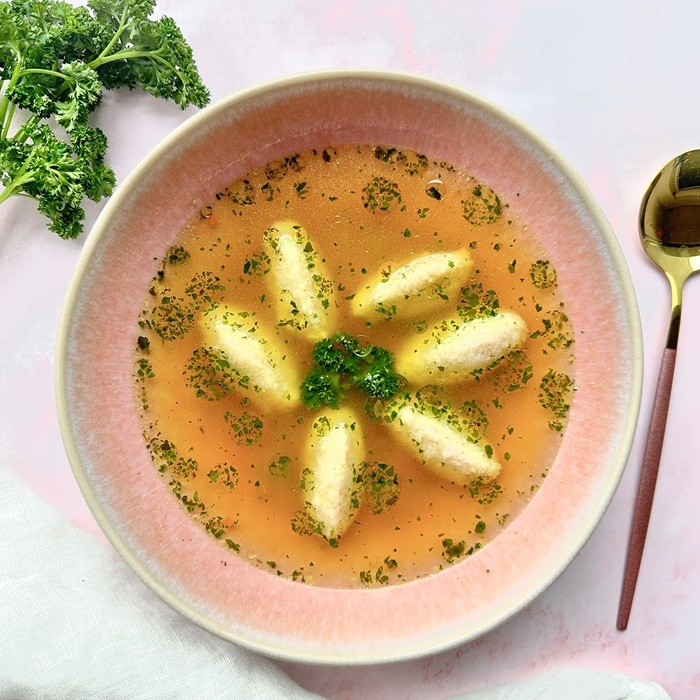
Step 1 Allow butter to come to room temperature before beating in a bowl until creamed. Season with salt and a small, delicate pinch of nutmeg. Step 2 Add in the egg, stirring vigorously. Sprinkle the semolina over this, and mix it in well until the surface is smooth. Cover with saran wrap and leave to rest for 15 – 20 minutes. Step 3 Use two spoons, dipped regularly into hot water throughout, to press or shape dumplings from the paste. You can also place these on a lightly oiled board or plate and again leave them to stand for a short while (this allows the dumplings to rise even more). Step 4 Heat a generous quantity of salted water in a large pan. Place the dumplings into the water and bring them back to a boil before turning down the heat and leaving to simmer gently for 10 – 15 minutes (do not boil). Carefully turn the dumplings occasionally. Step 5 Remove the semolina dumplings carefully and put them in the heated soup. Serve promptly, with a garnish of sprinkled parsley or chives. Step 6 The semolina dumplings can also be cooked in the beef broth, but this causes the soup to take on a slightly dull appearance. The cooked dumplings should never be left standing in the soup for too long, as they will “soak up” the soup and become softened.

Grate finely and toss together. 1 lb. sharp yellow cheese (cheddar or oude boerenkaas) 1 lb. keshi di buriko (or any white cheese such as fromage blanc, queso blanco, ricotto, feta etc.) Stir in: 6 eggs, beaten 5 Tbs. Cornstarch Shape the mixture into small balls. These may be kept indefinitely in the freezer. Drop the balls into deep, hot fat and fry until golden. Serve piping hot on toothpicks.
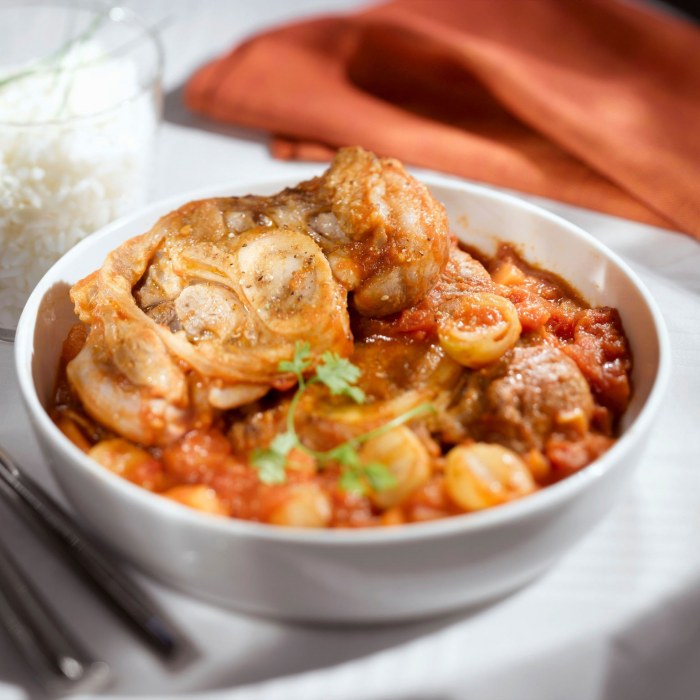
Heat the oven to 300 degrees. Dredging the shanks: pour the flour into a shallow dish (a pie plate works nicely). Season the veal shanks on all sides with salt and pepper. One at a time, roll the shanks around in the flour coat, and shake and pat the shank to remove any excuses flour. Discard the remaining flour. Browning the shanks: put the oil and 1 tablespoon of the butter in a wide Dutch oven or heavy braising pot (6 to 7 quart) and heat over medium-high heat. When the butter has melted and the oil is shimmering, lower the shanks into the pot, flat side down; if the shanks won’t fit without touching one another, do this in batches. Brown the shanks, turning once with tongs, until both flat sides are well caramelized, about 5 minutes per side. If the butter-oil mixture starts to burn, lower the heat just a bit. Transfer the shanks to a large platter or tray and set aside. The aromatics: pour off and discard the fat from the pot. Wipe out any burnt bits with a damp paper towel, being careful not to remove any delicious little caramelized bits. Ad the remaining 2 tablespoons butter to the pot and melt it over medium heat. When the butter has stopped foaming, add the onion, carrot, celery, and fennel. Season with salt and pepper, stir, and cook the vegetables until they begin to soften but do not brown, about 6 minutes. Stir in the garlic, orange zest, marjoram, and bay leaf, and stew for another minute or two. The braising liquid: add the wine, increase the heat to high, and bring to a boil. Boil, stirring occasionally, to reduce the wine by about half, 5 minutes. Add the stock and tomatoes, with their juice, and boil again to reduce the liquid to about 1 cup total, about 10 minutes. The braise: Place the shanks in the pot so that they are sitting with the exposed bone facing up, and pour over any juices that accumulated as they sat. Cover with parchment paper, pressing down so the parchment nearly touches the veal and the edges hang over the sides of the pot
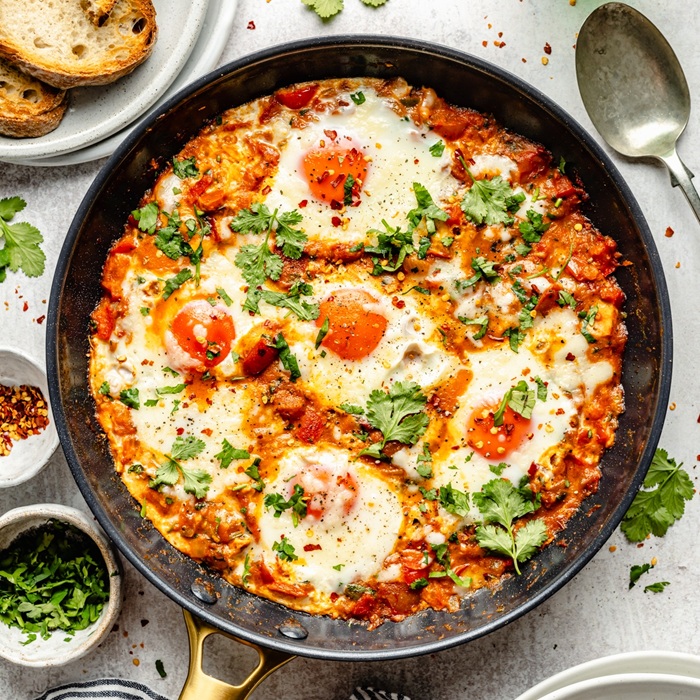
1 First, pan fry the black pepper and garlic over a dry medium heat until fragrant. 2 Add a good amount of extra virgin olive oil and infuse for a minute. 3 Once the oil heats up, add the tomatoes and salt, and cover with a lid. Simmer for 5 minutes. 4 Remove the lid and mash the tomatoes. Reduce until you reach the desired consistency of choice. 5 Make craters for the eggs and lower the heat. Carefully crack the eggs into the craters, making sure it touches the pan and not the tomato sauce. 6 Cover the eggs and leave it for 5 minutes without lifting the lid. 7 Remove from the heat and let the residual heat steam the eggs for 1-2 minutes. 8 Serve with flatbread. Enjoy!

step 1 Heat oven to 230C/fan 210C/gas 8. step 2 Drizzle a little sunflower oil evenly into two 4-hole Yorkshire pudding tins or two 12-hole non-stick muffin tins and place in the oven to heat through. step 3 To make the batter, tip 140g plain flour into a bowl and beat in 4 eggs until smooth. step 4 Gradually add 200ml milk and carry on beating until the mix is completely lump-free. Season with salt and pepper. step 5 Pour the batter into a jug, then remove the hot tins from the oven. Carefully and evenly pour the batter into the holes. step 6 Place the tins back in the oven and leave undisturbed for 20-25 mins until the puddings have puffed up and browned. step 7 Serve immediately. You can now cool them and freeze for up to 1 month.
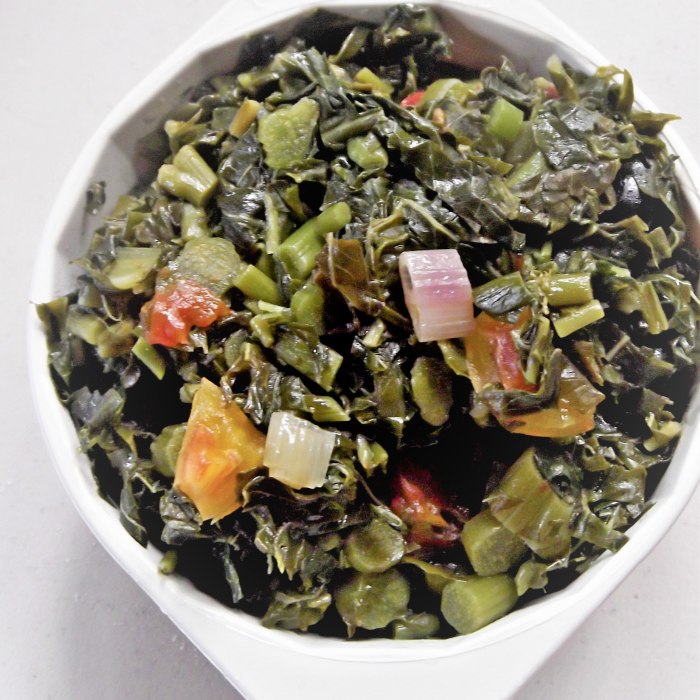
Cut leaves and soft stems from the kale branches, them soak in a bowl of cold water for about 5-10 minutes or until finish with prep. Proceed to slicing the onions, mincing the garlic and dicing the tomatoes. Set aside Remove kale from water cut in chunks. Place bacon on saucepan and cook until crispy. Then add onions, garlic, thyme, stir for about a minute or more Add tomatoes; scotch bonnet pepper, smoked paprika. Sauté for about 2-3 more minutes. Finally add vegetable, salt, mix well, and steamed for about 6-8 minutes or until leaves are tender. Add a tiny bit of water as needed. Adjust seasonings and turn off the heat. Using a sharp knife cut both ends off the plantain. This will make it easy to grab the skin of the plantains. Slit a shallow line down the long seam of the plantain; peel only as deep as the peel. Remove plantain peel by pulling it back. Slice the plantain into medium size lengthwise slices and set aside. Coat a large frying pan with cooking oil spray. Spray the tops of the plantains with a generous layer of oil spray and sprinkle with salt, freshly ground pepper. Let the plantains "fry" on medium heat, shaking the frying pan to redistribute them every few minutes. As the plantains brown, continue to add more cooking oil spray, salt and pepper (if needed) until they have reached the desired color and texture. Remove and serve with kale
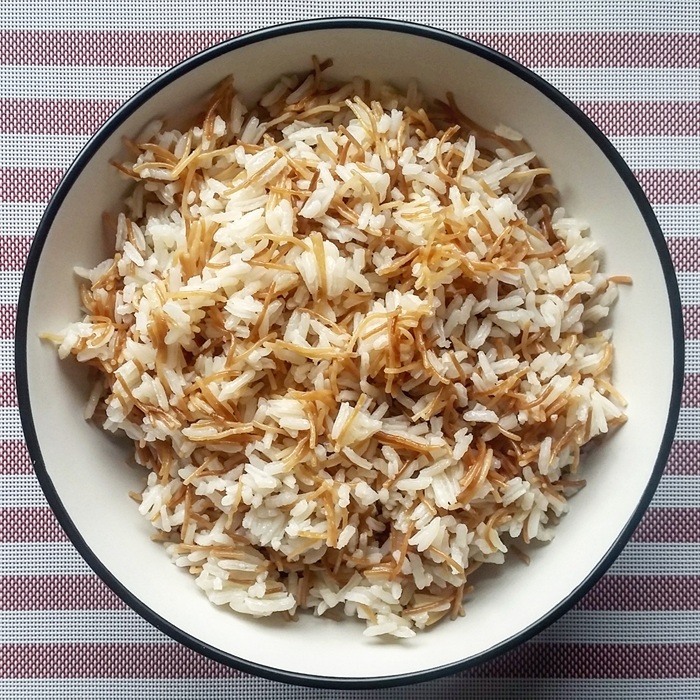
step 1 Pour the rice into a very large bowl under cold running water and carefully drain the water out of the bowl through a sieve. Repeat a few times until the water in the bowl is clear, then fill the bowl up with cold water and leave rice to soak for 10 mins while you cook the vermicelli. step 2 Put the oil into a medium pan over medium heat. Add the vermicelli and stir continuously until the strands turn a rich golden brown, 2-3 mins. Remove from the heat, stir through the butter until it melts and allow the vermicelli to cool for 1-2 mins. step 3 Drain the rice thoroughly through a sieve. Add the rice to the pan and stir well. Pour the hot stock into the pan, sprinkle in ½ tsp salt, stir well then return the pan to the hob over a high heat. Bring to the boil, then reduce the heat to the lowest it will go, put the lid on the pan and simmer for 7-9 mins. Remove the pan from the heat, cover with a couple of sheets of kitchen paper or a light tea towel and the pan lid, and let the rice sit in the pan for 10 mins. Fluff up with a fork before serving.
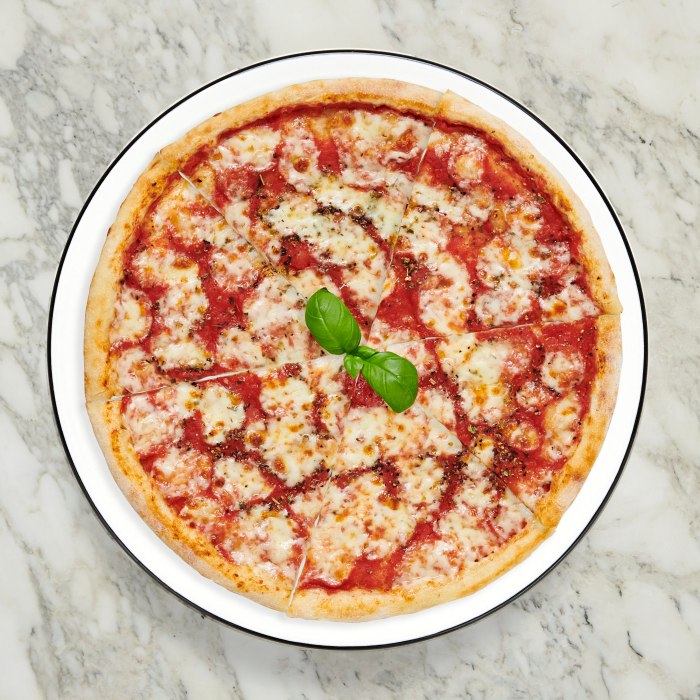
1 Preheat the oven to 230°C. 2 Add the sugar and crumble the fresh yeast into warm water. 3 Allow the mixture to stand for 10 – 15 minutes in a warm place (we find a windowsill on a sunny day works best) until froth develops on the surface. 4 Sift the flour and salt into a large mixing bowl, make a well in the middle and pour in the yeast mixture and olive oil. 5 Lightly flour your hands, and slowly mix the ingredients together until they bind. 6 Generously dust your surface with flour. 7 Throw down the dough and begin kneading for 10 minutes until smooth, silky and soft. 8 Place in a lightly oiled, non-stick baking tray (we use a round one, but any shape will do!) 9 Spread the passata on top making sure you go to the edge. 10 Evenly place the mozzarella (or other cheese) on top, season with the oregano and black pepper, then drizzle with a little olive oil. 11 Cook in the oven for 10 – 12 minutes until the cheese slightly colours. 12 When ready, place the basil leaf on top and tuck in!
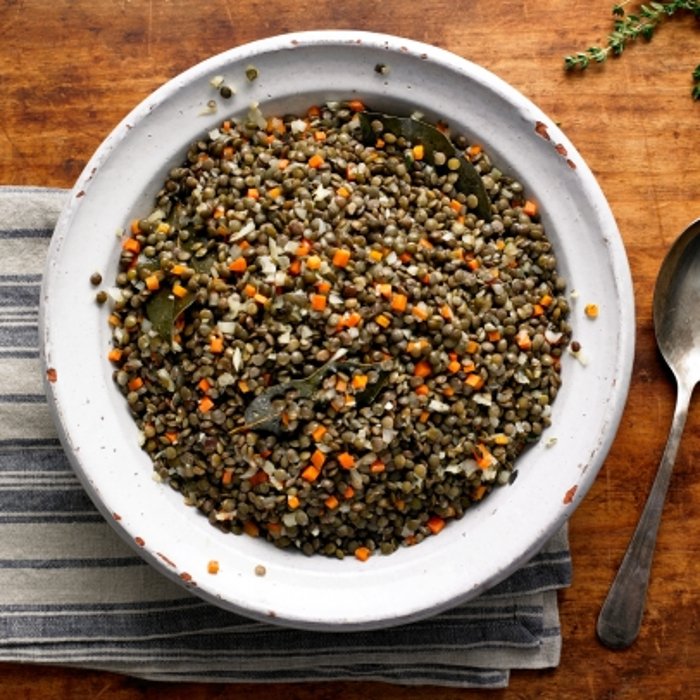
Place a large saucepan over medium heat and add oil. When hot, add chopped vegetables and sauté until softened, 5 to 10 minutes. Add 6 cups water, lentils, thyme, bay leaves and salt. Bring to a boil, then reduce to a fast simmer. Simmer lentils until they are tender and have absorbed most of the water, 20 to 25 minutes. If necessary, drain any excess water after lentils have cooked. Serve immediately, or allow them to cool and reheat later. For a fuller taste, use some chicken stock and reduce the water by the same amount.
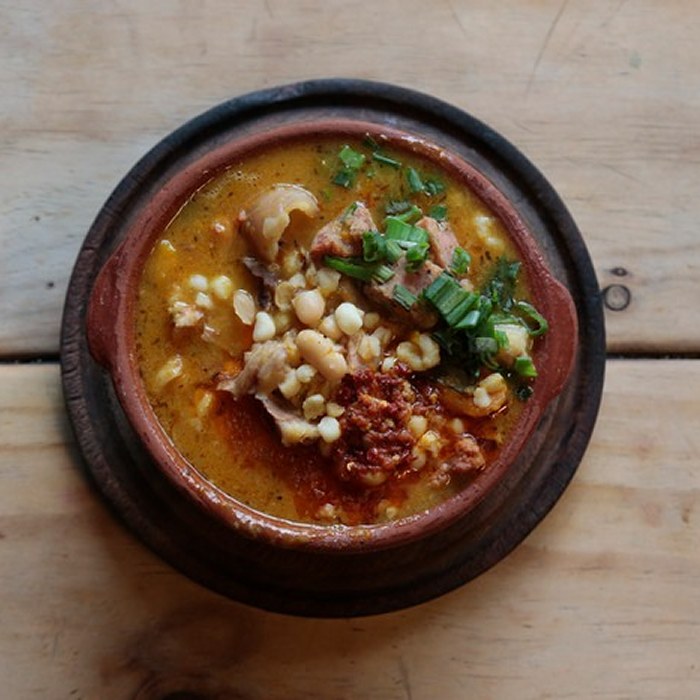
Soak: Soak corn and beans overnight in water. Cook Meats: In a large pot, brown the beef and pork. Add onions and spices, cooking until translucent. Simmer the Stew: Add soaked corn and beans, pumpkin, potato, and enough water to cover. Simmer for 2-3 hours, until thick. Serve: Enjoy hot, with bread on the side. Pro Tips: Toasting the corn slightly before adding it to the stew enhances its flavor. Add a spoonful of paprika or a dash of cumin for an extra layer of warmth and complexity
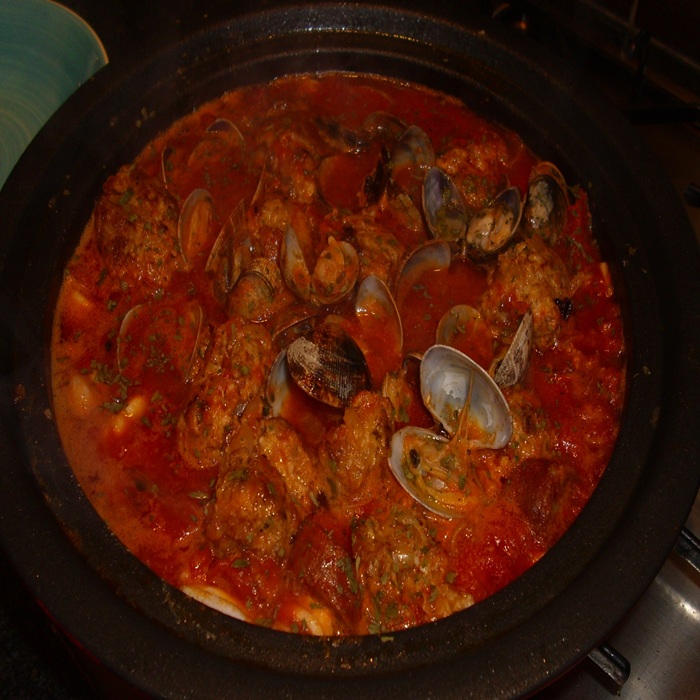
step 1 Melt the butter in a heavy-based casserole, then soften the shallots for 5 mins. Add the paprika and crushed garlic and cook for 1 min until the paprika becomes fragrant. Splash in the sherry, then pour the whole lot into a bowl with the breadcrumbs. Season and cool. step 2 Add the pork mince and the egg yolk to the bowl, then beat well. Shape into 18 small meatballs. Wipe the pan, put on a medium-high heat, then add the oil. Fry the meatballs for 5 mins, just to colour, then lift onto a plate, but keep the oil in the pan. Sizzle the chorizo with the sliced garlic. Add the squid and fry to give a little colour. Now tip in the white wine and bring to the boil, scraping the bottom. Stir in the pulped tomatoes, bring to the boil, then add the meatballs and the clams. Cover and cook for 5 mins until the clam shells open. Discard any that stay shut. Sprinkle with the chopped parsley, drizzle with the extra virgin oil, then serve with crusty bread.
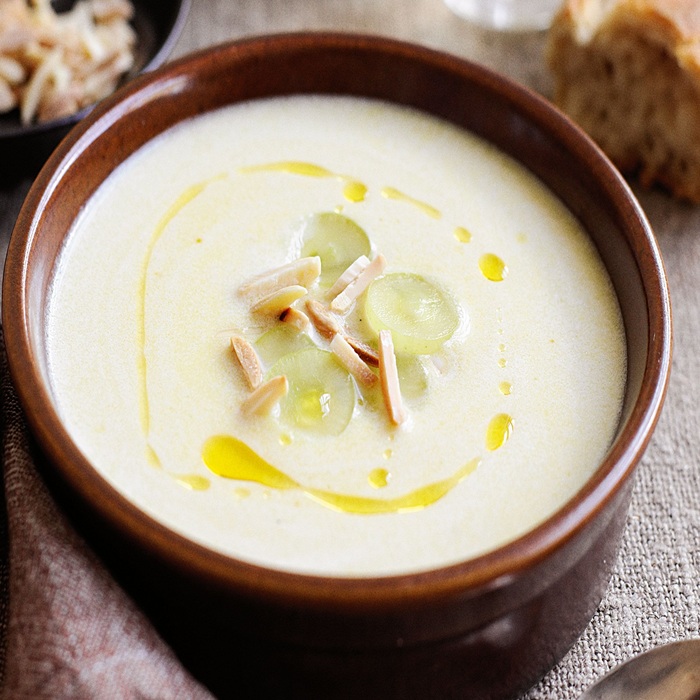
step 1 Tip the bread into a bowl and pour over 350ml water. Leave to soak for 10 mins. step 2 Blend the ingredients together with 350ml water and 1 tsp salt. step 3 Let the soup cool in the fridge for 1 hr or so, then serve with a drizzle of oil and some black pepper.
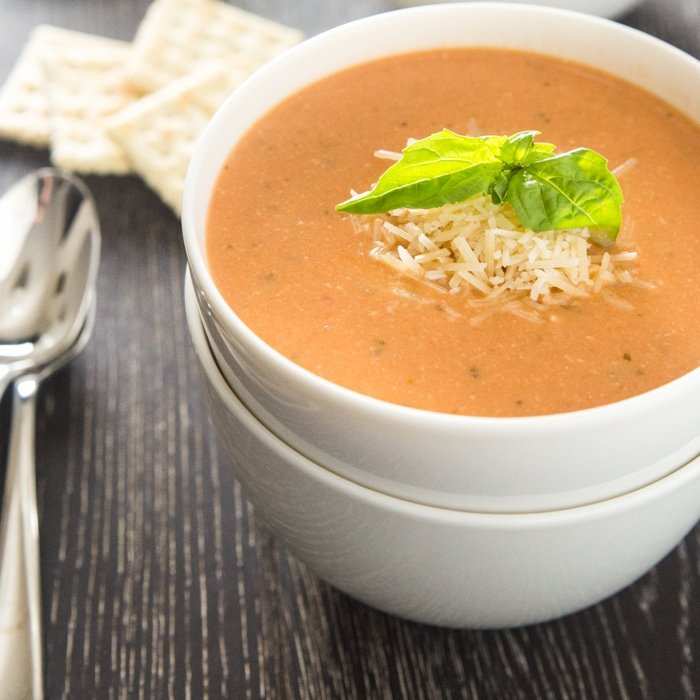
Put the oil, onions, celery, carrots, potatoes and bay leaves in a big casserole dish, or two saucepans. Fry gently until the onions are softened – about 10-15 mins. Fill the kettle and boil it. Stir in the tomato purée, sugar, vinegar, chopped tomatoes and passata, then crumble in the stock cubes. Add 1 litre boiling water and bring to a simmer. Cover and simmer for 15 mins until the potato is tender, then remove the bay leaves. Purée with a stick blender (or ladle into a blender in batches) until very smooth. Season to taste and add a pinch more sugar if it needs it. The soup can now be cooled and chilled for up to 2 days, or frozen for up to 3 months. To serve, reheat the soup, stirring in the milk – try not to let it boil. Serve in small bowls with cheesy sausage rolls.

In a bowl, combine diced mango, diced avocado, finely chopped red onion, and chopped cilantro. Drizzle with fresh lime juice and season with salt and pepper. Toss gently to combine. Serve this refreshing Mango Avocado Salsa with tortilla chips for a quick and tasty snack.
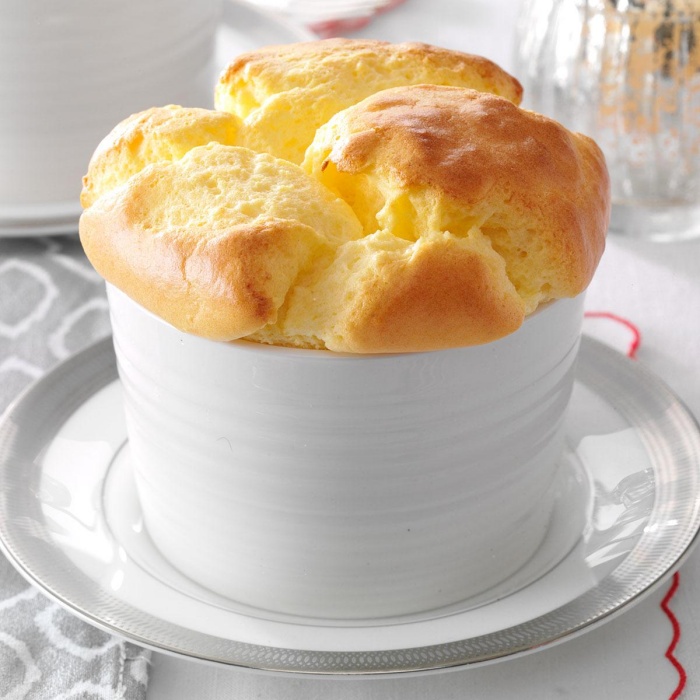
Heat oven to 200C/180C fan/ gas 6 and butter 4 small (about 200ml) ramekins. Sprinkle the Parmesan into the ramekins, turning until all sides are covered. Place the milk and bay leaves in a large saucepan over a gentle heat and bring to the boil. Turn off the heat and leave to infuse for 15 mins. Discard the bay leaves, add the butter and flour, and return to a low heat. Very gently simmer, stirring continuously with a balloon whisk, for about 6 mins until you get a smooth, thick white sauce. Make sure that you get right into the corners of the pan to stop the sauce from catching or becoming lumpy. Once thickened, transfer the sauce to a large bowl and stir in the mustard powder, cayenne pepper, Gruyère and egg yolks until fully combined. In a spotlessly clean bowl and with a clean whisk, beat the egg whites just until peaks begin to form. Carefully fold the egg whites into the cheese sauce in three stages making sure you fold, rather than stir, to keep the egg whites light and airy. Fill the prepared ramekins with the soufflé mix. Top each soufflé with a slice of goat’s cheese, then place on a baking tray. Bake for 20-25 mins or until springy and well risen but cooked through. Leave to cool, then run a knife around the edge of each dish and remove the soufflés. If preparing in advance, place soufflés upside down (for neat presentation), on a tray. Cover tray in cling film. Chill for a few days or freeze for up to 1 month. When ready to re-bake, heat oven to 200C/180C fan/gas 6. Place the upside-down soufflés in a shallow baking dish, top with the remaining goat’s cheese slices and pour over the cream (this stops them from drying out when baked for the second time). Cook for 8-10 mins until golden. Serve immediately alongside some simply dressed salad.
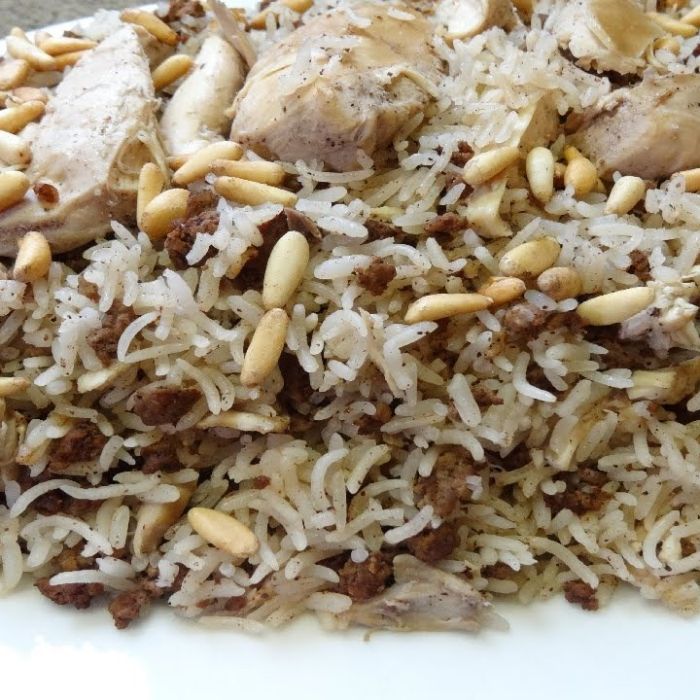
Heat 1/4 cup butter in a large saucepan over medium-high heat. Add ground beef and season with salt, allspice, cinnamon, and black pepper. Cook and stir until beef is browned and crumbly, 7 to 10 minutes. Stir chicken broth and rice into beef in the saucepan; bring to a boil. Reduce heat to low, cover, and cook until liquid is absorbed, about 20 minutes. Meanwhile, melt 2 tablespoons butter in a small skillet over medium heat. Cook and stir pine nuts in hot butter until lightly browned, 3 to 5 minutes. Mix pine nuts into beef-rice mixture before serving.
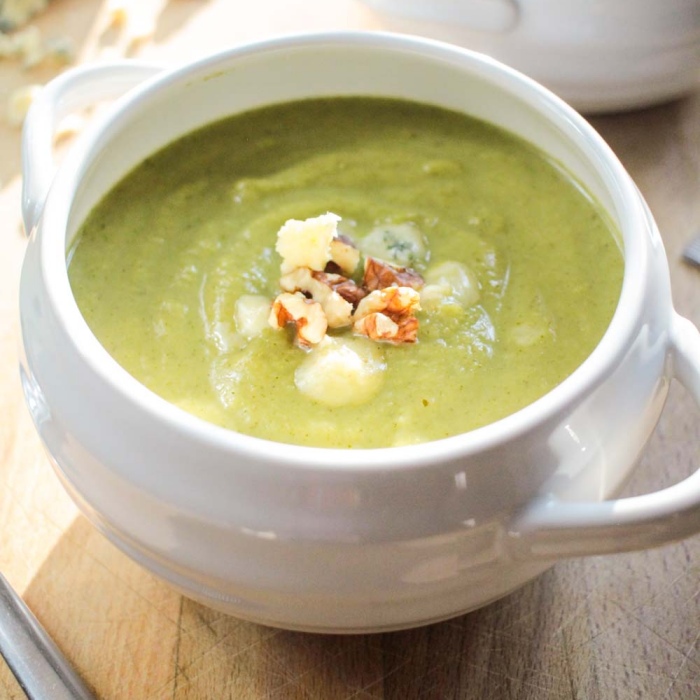
Heat the rapeseed oil in a large saucepan and then add the onions. Cook on a medium heat until soft. Add a splash of water if the onions start to catch. Add the celery, leek, potato and a knob of butter. Stir until melted, then cover with a lid. Allow to sweat for 5 minutes. Remove the lid. Pour in the stock and add any chunky bits of broccoli stalk. Cook for 10 – 15 minutes until all the vegetables are soft. Add the rest of the broccoli and cook for a further 5 minutes. Carefully transfer to a blender and blitz until smooth. Stir in the stilton, allowing a few lumps to remain. Season with black pepper and serve.
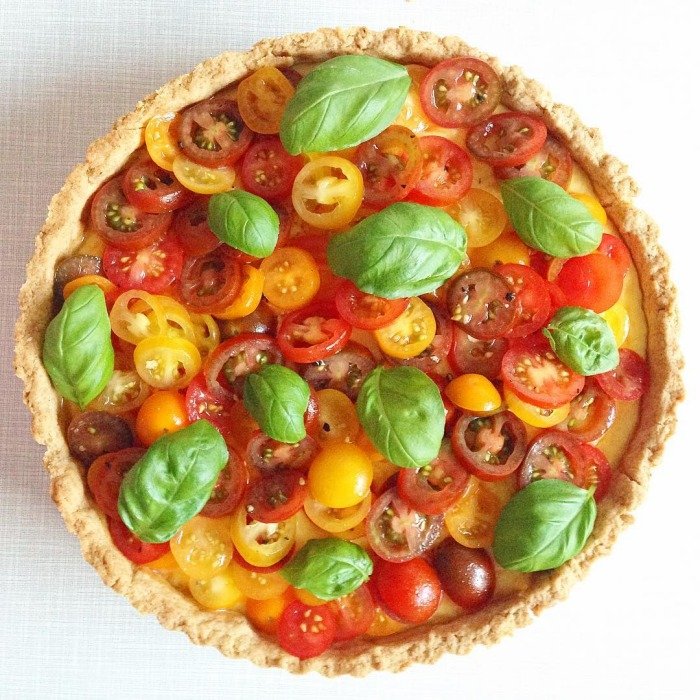
Crust: make a dough from 250g flour (I like mixing different flours like plain and wholegrain spelt flour), 125g butter, 1 egg and a pinch of salt, press it into a tart form and place it in the fridge. Filling: stir 300g cream cheese and 100ml milk until smooth, add in 3 eggs, 100g grated parmesan cheese and season with salt, pepper and nutmeg. Take the crust out of the fridge and prick the bottom with a fork. Pour in the filling and bake at 175 degrees C for about 25 minutes. Cover the tart with some aluminium foil after half the time. In the mean time, slice about 350g mini tomatoes. In a small pan heat 3tbsp olive oil, 3tbsp white vinegar, 1 tbsp honey, salt and pepper and combine well. Pour over the tomato slices and mix well. With a spoon, place the tomato slices on the tart, avoiding too much liquid on it. Decorate with basil leaves and enjoy
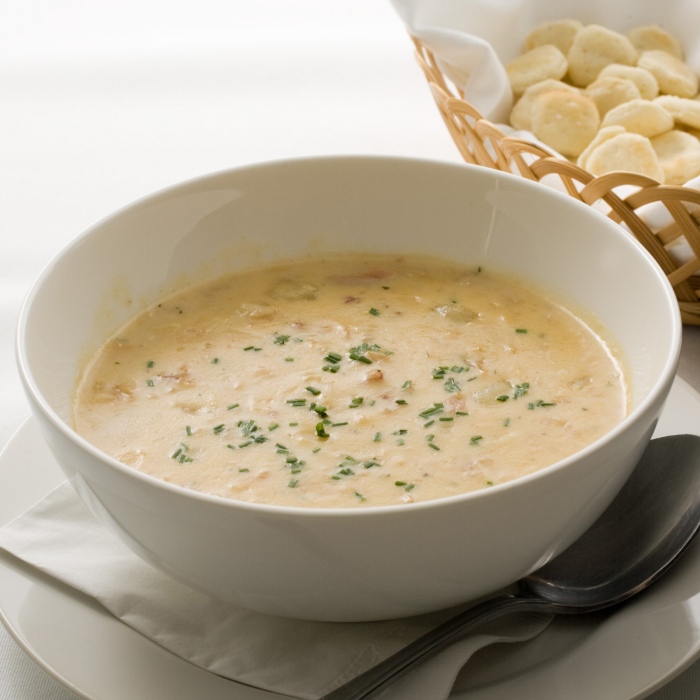
Rinse the clams in several changes of cold water and drain well. Tip the clams into a large pan with 500ml of water. Cover, bring to the boil and simmer for 2 mins until the clams have just opened. Tip the contents of the pan into a colander over a bowl to catch the clam stock. When cool enough to handle, remove the clams from their shells – reserving a handful of empty shells for presentation if you want. Strain the clam stock into a jug, leaving any grit in the bottom of the bowl. You should have around 800ml stock. Heat the butter in the same pan and sizzle the bacon for 3-4 mins until it starts to brown. Stir in the onion, thyme and bay and cook everything gently for 10 mins until the onion is soft and golden. Scatter over the flour and stir in to make a sandy paste, cook for 2 mins more, then gradually stir in the clam stock then the milk and the cream. Throw in the potatoes, bring everything to a simmer and leave to bubble away gently for 10 mins or until the potatoes are cooked. Use a fork to crush a few of the potato chunks against the side of the pan to help thicken – you still want lots of defined chunks though. Stir through the clam meat and the few clam shells, if you've gone down that route, and simmer for a minute to reheat. Season with plenty of black pepper and a little salt, if needed, then stir through the parsley just before ladling into bowls or hollowed-out crusty rolls.
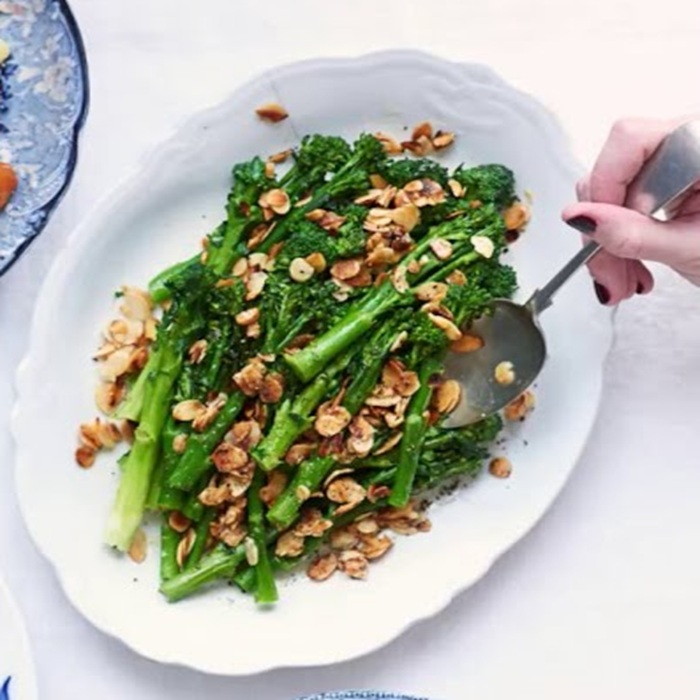
step 1 For the nuoc cham, whisk together all of the ingredients with 5 tbsp hot water in a small bowl. Set aside while you make the tempura. step 2 Whisk the cornflour, plain flour, sesame seeds (if using) and a large pinch of salt together. Fill a large, deep pan no more than a third full with the vegetable oil and heat until it reaches 180C or a cube of bread dropped in browns in 20 seconds. step 3 Quickly whisk the soda water into the flour mixture, being careful not to overmix, then dunk in the broccoli using tongs. Carefully lower into the hot oil and cook for 2-3 mins until crisp. Drain on kitchen paper, then serve with the nuoc cham on the side for dipping.
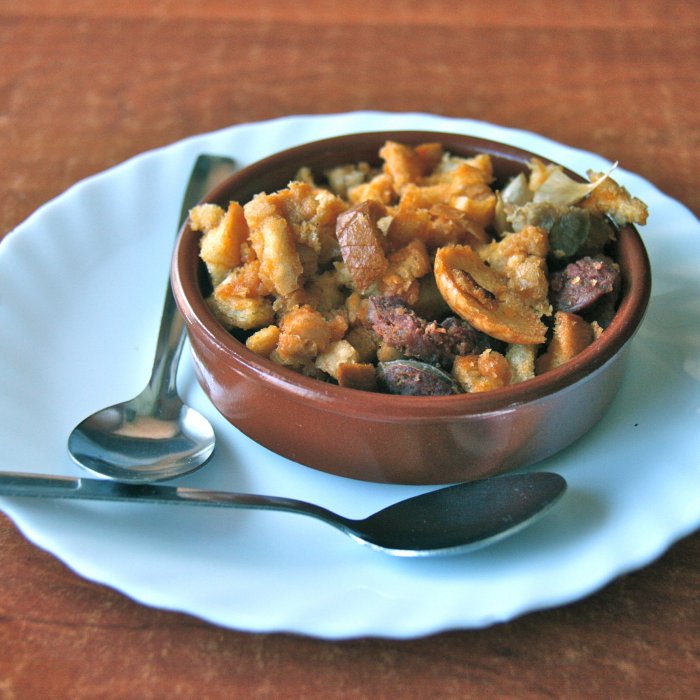
Crumble the bread into small pieces. Sprinkle with cold water, cover with a damp cloth and leave for 30 minutes. Heat 2 tsp of olive oil in a deep pan. Add the garlic cloves separated, skins on; just make a small cut with a knife to open them and keep frying for 5 minutes. Set the garlic aside. In the same oil, where we fried everything, simmer the bread, stirring constantly for 15 minutes and add a grinding of black pepper. Add the garlic, continue stirring for about 20 minutes. It will be ready when the bread is soft and golden.
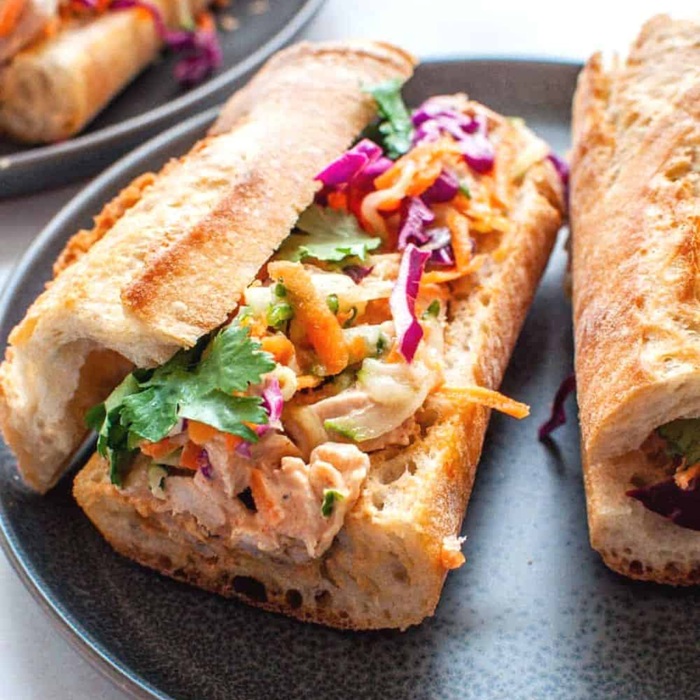
step 1 To make the pickled slaw, tip the carrots and cabbage into a large bowl. In a small bowl, combine the ginger, rice vinegar, sugar and a few pinches of salt. Pour over the vegetables and toss together. Set aside for at least 15 mins. step 2 Halve the baguettes lengthways and spread the pâté over the bottom half. Top with the pickled slaw, cucumber and turkey. Mix the mayonnaise with the chopped chilli and dollop over the top. Scatter over the mint leaves and sliced chilli. Sandwich together and dig in.
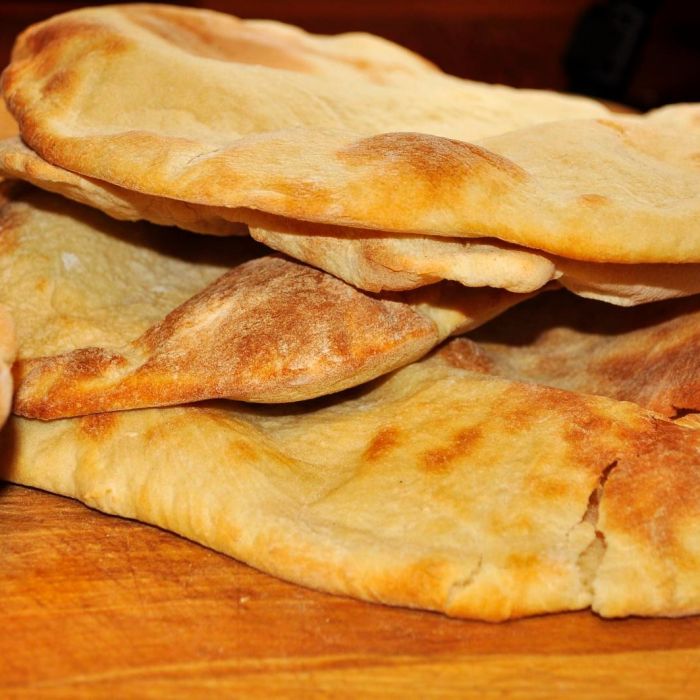
Place ingredients in the pan of the bread machine in the order recommended by the manufacturer. Select Dough cycle; press Start. When the Dough cycle is almost complete, preheat the oven to 475 degrees F (245 degrees C). Turn dough out onto a lightly floured surface. Divide into eight equal pieces and form into rounds. Cover the rounds with a damp cloth and let rest. Roll dough into thin flat circles, about 8 inches in diameter. Cook two at a time on preheated baking sheets or a baking stone until puffed up and golden brown, about 5 minutes. Repeat for remaining loaves.
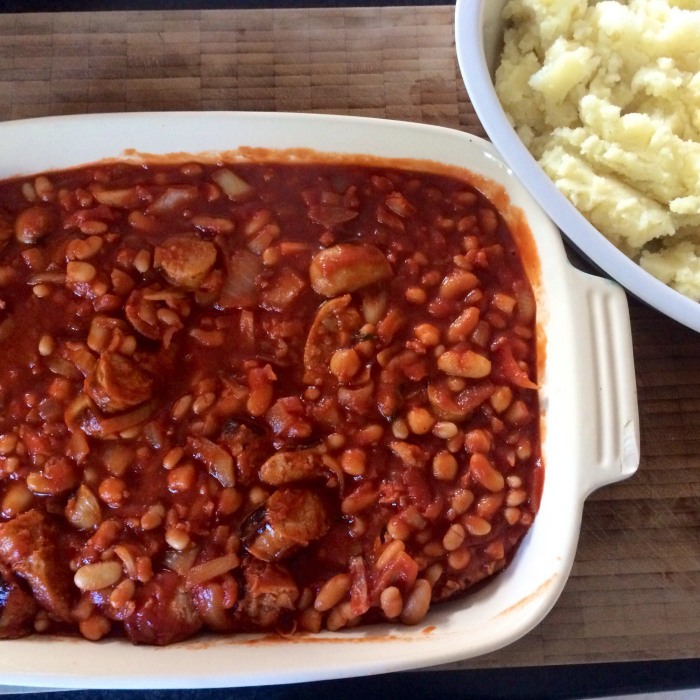
In a large casserole, fry the sausages until brown all over – about 10 mins. Add the tomato sauce, stirring well, then stir in the beans, treacle or sugar and mustard. Bring to the simmer, cover and cook for 30 mins. Great served with crusty bread or rice.