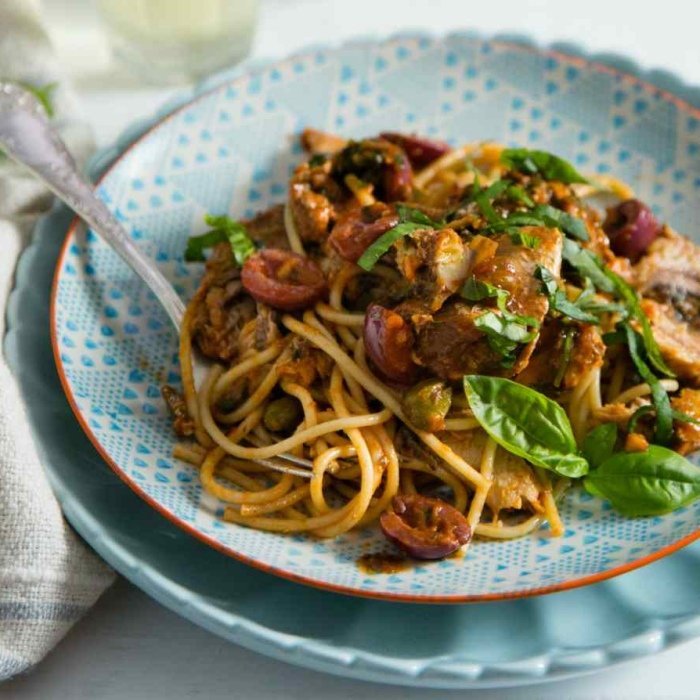
Cook the pasta following pack instructions. Heat the oil in a non-stick frying pan and cook the onion, garlic and chilli for 3-4 mins to soften. Stir in the tomato purée and cook for 1 min, then add the pilchards with their sauce. Cook, breaking up the fish with a wooden spoon, then add the olives and continue to cook for a few more mins. Drain the pasta and add to the pan with 2-3 tbsp of the cooking water. Toss everything together well, then divide between plates and serve, scattered with Parmesan.
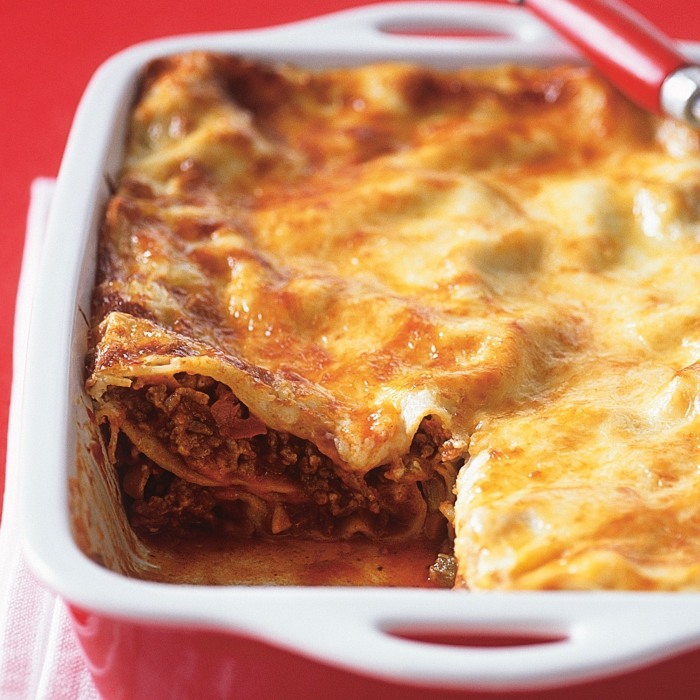
Heat the oil in a large saucepan. Use kitchen scissors to snip the bacon into small pieces, or use a sharp knife to chop it on a chopping board. Add the bacon to the pan and cook for just a few mins until starting to turn golden. Add the onion, celery and carrot, and cook over a medium heat for 5 mins, stirring occasionally, until softened. Add the garlic and cook for 1 min, then tip in the mince and cook, stirring and breaking it up with a wooden spoon, for about 6 mins until browned all over. Stir in the tomato purée and cook for 1 min, mixing in well with the beef and vegetables. Tip in the chopped tomatoes. Fill each can half full with water to rinse out any tomatoes left in the can, and add to the pan. Add the honey and season to taste. Simmer for 20 mins. Heat oven to 200C/180C fan/gas 6. To assemble the lasagne, ladle a little of the ragu sauce into the bottom of the roasting tin or casserole dish, spreading the sauce all over the base. Place 2 sheets of lasagne on top of the sauce overlapping to make it fit, then repeat with more sauce and another layer of pasta. Repeat with a further 2 layers of sauce and pasta, finishing with a layer of pasta. Put the crème fraîche in a bowl and mix with 2 tbsp water to loosen it and make a smooth pourable sauce. Pour this over the top of the pasta, then top with the mozzarella. Sprinkle Parmesan over the top and bake for 25–30 mins until golden and bubbling. Serve scattered with basil, if you like.
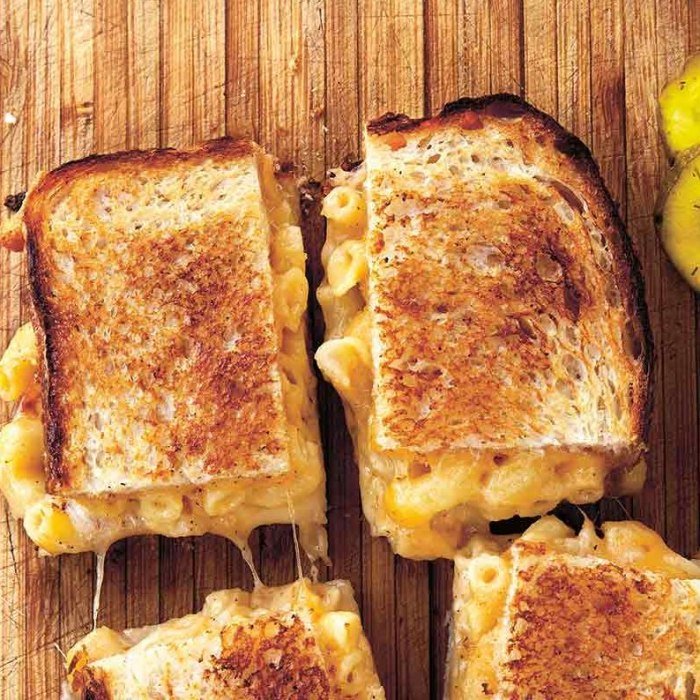
Make the mac and cheese 1. Bring a medium saucepan of generously salted water (you want it to taste like seawater) to a boil. Add the pasta and cook, stirring occasionally, until al dente, 8 to 10 minutes, or according to the package directions. The pasta should be tender but still chewy. 2. While the pasta is cooking, in a small bowl, whisk together the flour, mustard powder, garlic powder, salt, black pepper, and cayenne pepper. 3. Drain the pasta in a colander. Place the empty pasta pan (no need to wash it) over low heat and add the butter. When the butter has melted, whisk in the flour mixture and continue to cook, whisking frequently, until the mixture is beginning to brown and has a pleasant, nutty aroma, about 1 minute. Watch carefully so it does not scorch on the bottom of the pan. 4. Slowly whisk the milk and cream into the flour mixture until everything is really well combined. Cook, whisking constantly, until the sauce is heated through and just begins to thicken, about 2 minutes. Remove from the heat. Gradually add the cheese while stirring constantly with a wooden spoon or silicone spatula and keep stirring until the cheese has melted into the sauce. Then stir in the drained cooked pasta. 5. Line a 9-by-13-inch (23-by-33-centimeter) rimmed baking sheet with parchment paper or aluminum foil. Coat the paper or foil with nonstick cooking spray or slick it with butter. Pour the warm mac and cheese onto the prepared baking sheet and spread it evenly with a spatula. Coat another piece of parchment paper with cooking spray or butter and place it, oiled or buttered side down, directly on the surface of the mac and cheese. Refrigerate until cool and firm, about 1 hour. Make the grilled cheese 6. Heat a large cast-iron or nonstick skillet over medium-low heat. 7. In a small bowl, stir together the 4 tablespoons (55 grams) butter and garlic powder until well blended. 8. Remove the mac and cheese from the refrigerator and peel off the top layer of parc
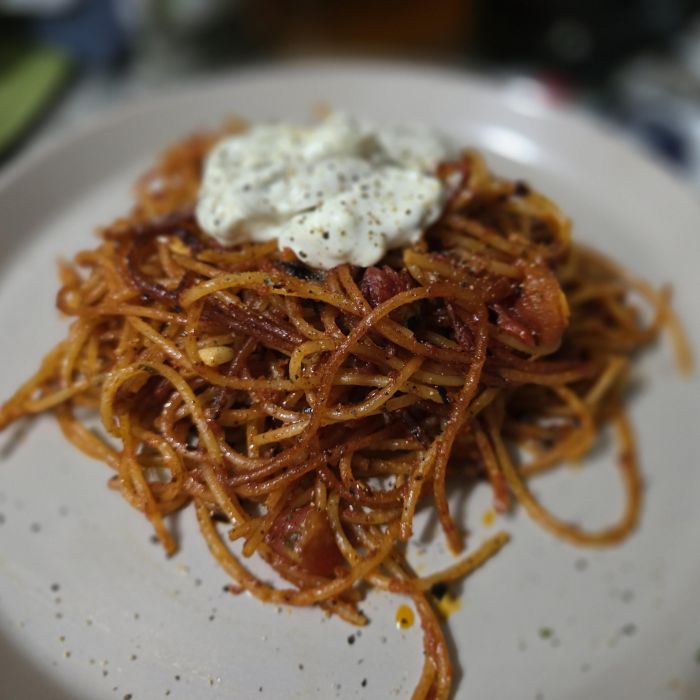
Preheat oven to 350 degrees F (175 degrees C). Grease a 9x13 inch baking dish. Bring a large pot of lightly salted water to a boil. Add spaghetti and cook for 8 to 10 minutes or until al dente; drain and stir in tomato sauce, tomato paste, cinnamon, oil, salt and pepper. Transfer to prepared dish. Bake in preheated oven for 1 hour, or until top is crunchy.
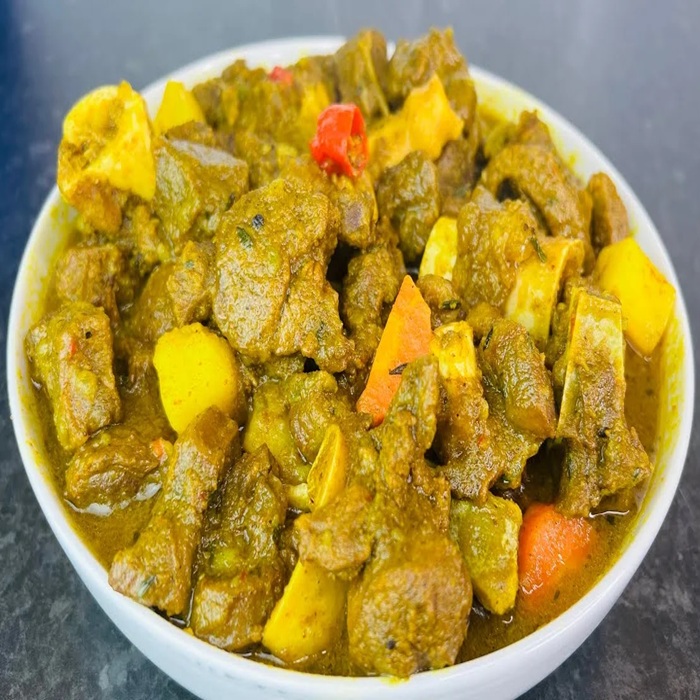
Equipment 6QT Pressure cooker Instructions Rinse goat meat with vinegar and water. Season goat meat with 1 ½ tablespoon curry powder, all-purpose seasoning, ground ginger, allspice, onion, garlic cloves, and thyme. Marinate for at least 4 hours or up to overnight. Remove onion and garlic from goat and set aside. Set an electric pressure cooker, like an Instant Pot, on high sauté and add oil. Add goat meat and brown, about 2-3 minutes per side. Remove goat from insert and add 1 tablespoon oil and remaining curry powder and sauté for about 10 seconds. Then add onions and garlic and sauté until softened. About 4 minutes. If the onions look dry, add a little water and continue to sauté. Add goat and water to the pressure cooker and cover the pressure cooker. Cook for 40 minutes on high pressure. Allow to naturally release for 10 minutes, then release the remaining pressure. Once all the pressure has been released, open the pressure cooker. Place on sauté for 10-15 minutes, add potatoes and a whole scotch bonnet pepper. Cook until potatoes have softened. Remove scotch bonnet pepper.
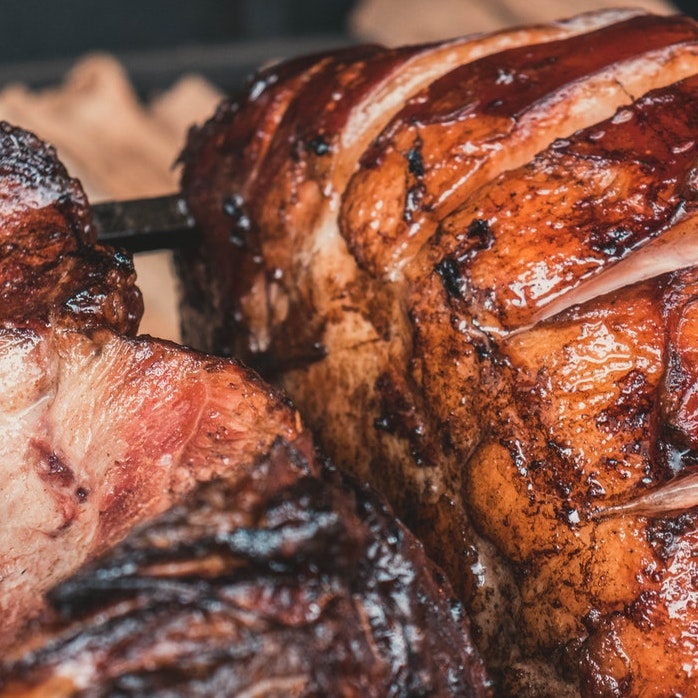
1. Steps for the Meat: Roast meat over medium heat for 50 minutes and salt it as you turn it. 2. Steps for Ugali: Bring the water and salt to a boil in a heavy-bottomed saucepan. Stir in the cornmeal slowly, letting it fall through the fingers of your hand. 3. Reduce heat to medium-low and continue stirring regularly, smashing any lumps with a spoon, until the mush pulls away from the sides of the pot and becomes very thick, about 10 minutes. 4.Remove from heat and allow to cool. 5. Place the ugali into a large serving bowl. Wet your hands with water, form a ball and serve. 6. Steps for Kachumbari: Mix the tomatoes, onions, chili and coriander leaves in a bowl. 7. Serve and enjoy!
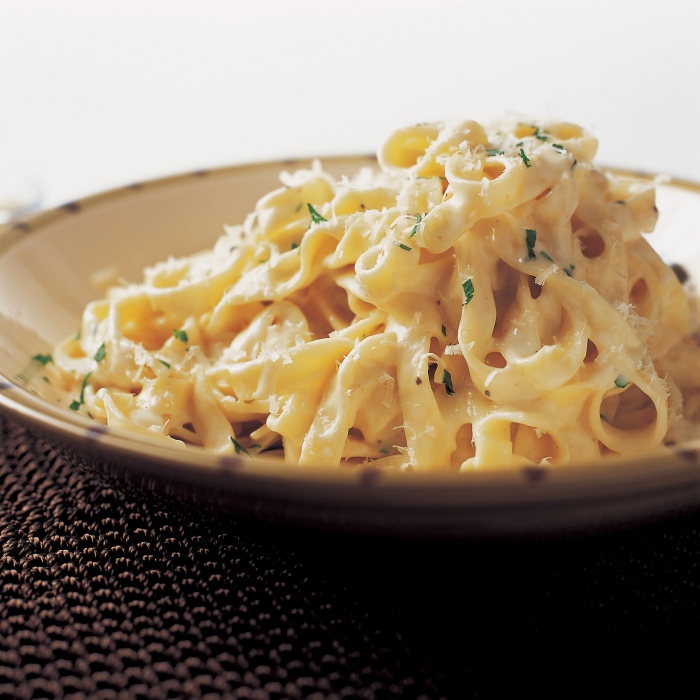
In a medium saucepan, stir the clotted cream, butter and cornflour over a low-ish heat and bring to a low simmer. Turn off the heat and keep warm. Meanwhile, put the cheese and nutmeg in a small bowl and add a good grinding of black pepper, then stir everything together (don’t add any salt at this stage). Put the pasta in another pan with 2 tsp salt, pour over some boiling water and cook following pack instructions (usually 3-4 mins). When cooked, scoop some of the cooking water into a heatproof jug or mug and drain the pasta, but not too thoroughly. Add the pasta to the pan with the clotted cream mixture, then sprinkle over the cheese and gently fold everything together over a low heat using a rubber spatula. When combined, splash in 3 tbsp of the cooking water. At first, the pasta will look wet and sloppy: keep stirring until the water is absorbed and the sauce is glossy. Check the seasoning before transferring to heated bowls. Sprinkle over some chives or parsley, then serve immediately.
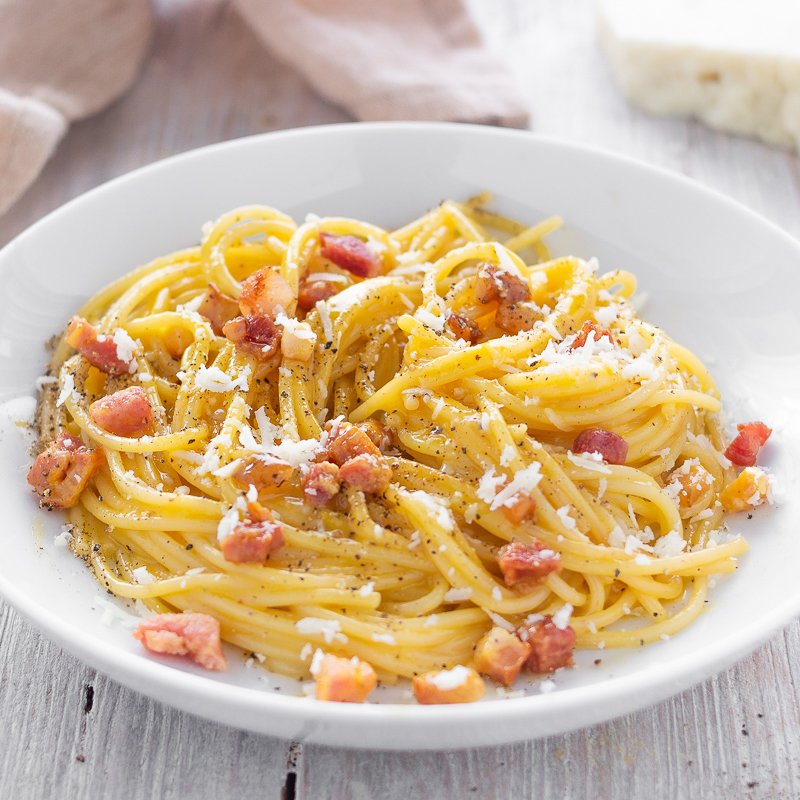
STEP 1 Put a large saucepan of water on to boil. STEP 2 Finely chop the 100g pancetta, having first removed any rind. Finely grate 50g pecorino cheese and 50g parmesan and mix them together. STEP 3 Beat the 3 large eggs in a medium bowl and season with a little freshly grated black pepper. Set everything aside. STEP 4 Add 1 tsp salt to the boiling water, add 350g spaghetti and when the water comes back to the boil, cook at a constant simmer, covered, for 10 minutes or until al dente (just cooked). STEP 5 Squash 2 peeled plump garlic cloves with the blade of a knife, just to bruise it. STEP 6 While the spaghetti is cooking, fry the pancetta with the garlic. Drop 50g unsalted butter into a large frying pan or wok and, as soon as the butter has melted, tip in the pancetta and garlic. STEP 7 Leave to cook on a medium heat for about 5 minutes, stirring often, until the pancetta is golden and crisp. The garlic has now imparted its flavour, so take it out with a slotted spoon and discard. STEP 8 Keep the heat under the pancetta on low. When the pasta is ready, lift it from the water with a pasta fork or tongs and put it in the frying pan with the pancetta. Don’t worry if a little water drops in the pan as well (you want this to happen) and don’t throw the pasta water away yet. STEP 9 Mix most of the cheese in with the eggs, keeping a small handful back for sprinkling over later. STEP 10 Take the pan of spaghetti and pancetta off the heat. Now quickly pour in the eggs and cheese. Using the tongs or a long fork, lift up the spaghetti so it mixes easily with the egg mixture, which thickens but doesn’t scramble, and everything is coated. STEP 11 Add extra pasta cooking water to keep it saucy (several tablespoons should do it). You don’t want it wet, just moist. Season with a little salt, if needed. STEP 12 Use a long-pronged fork to twist the pasta on to the serving plate or bowl. Serve immediately with a little sprinkling of the re
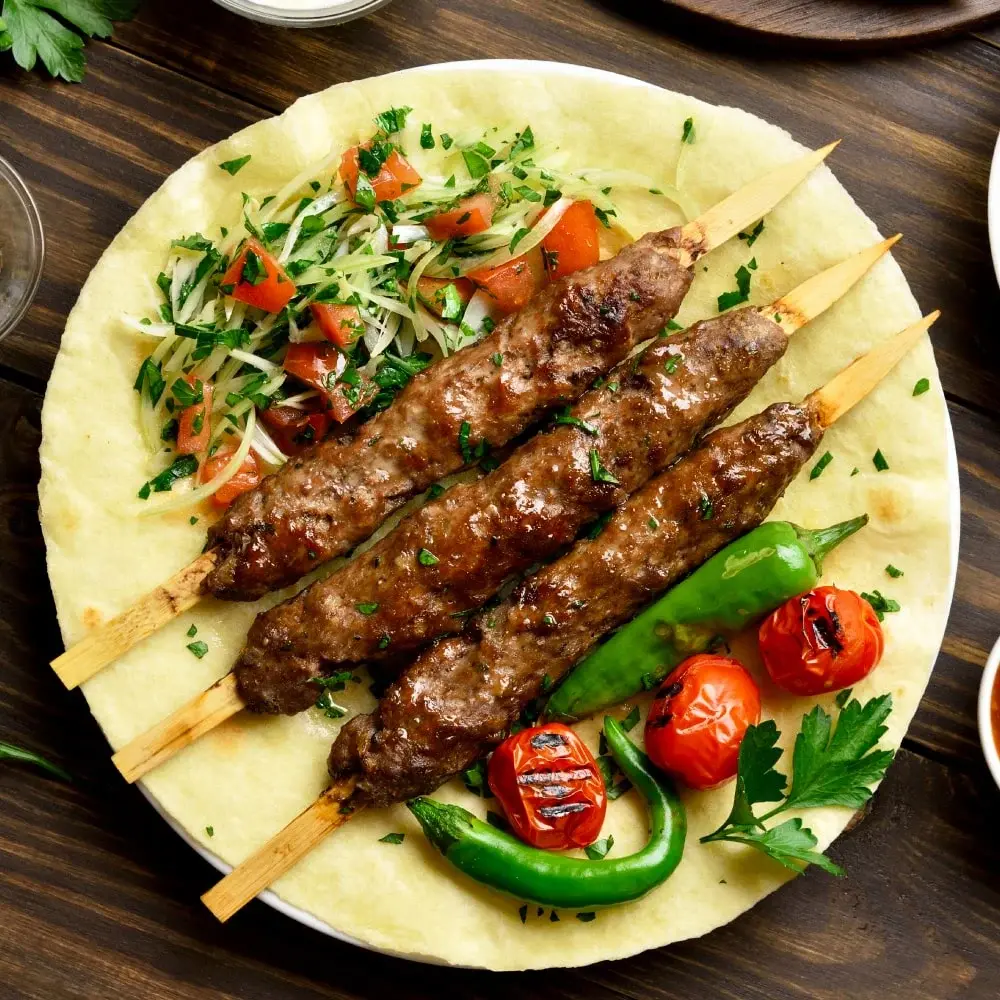
In a bowl, mix ground meat, grated onions, minced garlic, chopped parsley, and spices. Form the mixture into kebab shapes and grill until fully cooked. Serve the kebabs on flatbread with a drizzle of tahini sauce. Enjoy these flavorful Turkish Kebabs with your favorite sides.
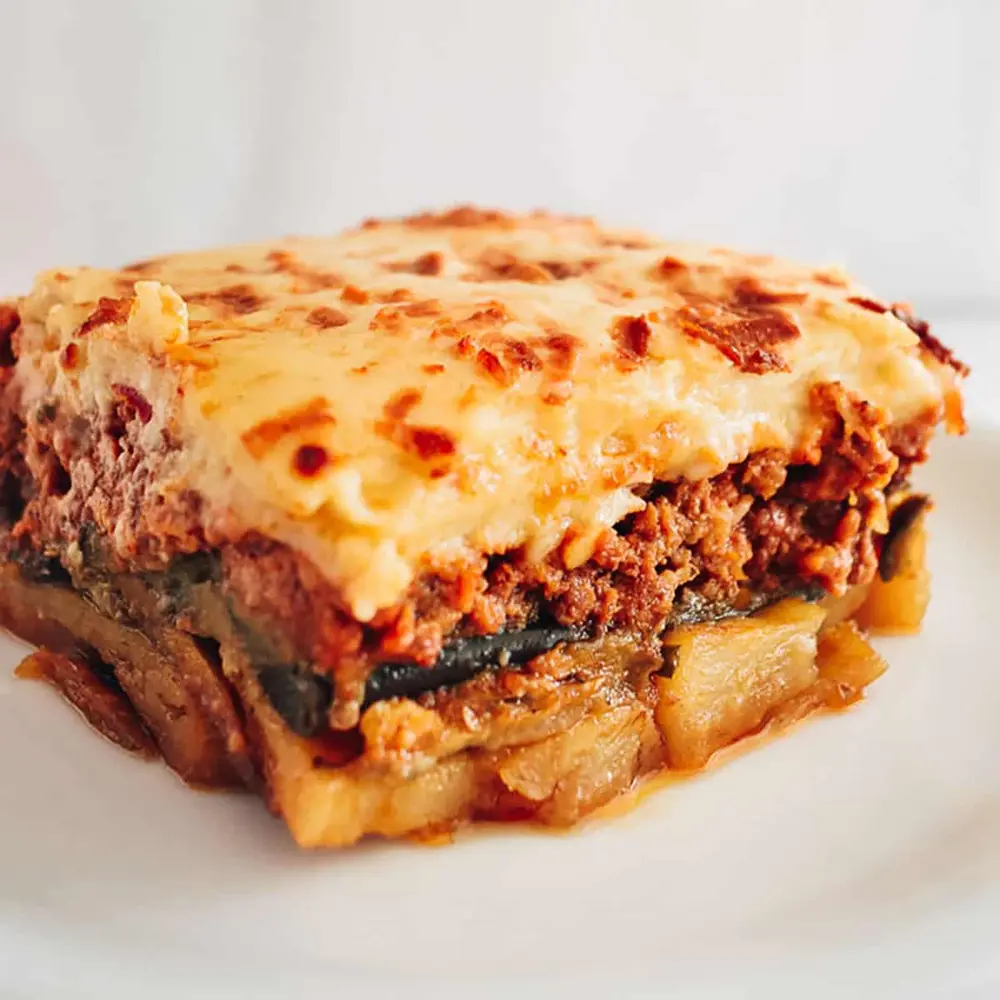
Preheat oven to 375°F (190°C). Sauté sliced eggplants in olive oil until browned. Set aside. In the same pan, cook chopped onions and minced garlic until softened. Add ground lamb or beef and brown. Stir in crushed tomatoes, red wine, and spices. In a separate saucepan, make béchamel sauce: melt butter, whisk in flour, add milk, and cook until thickened. Remove from heat and stir in Parmesan cheese and egg yolks. In a baking dish, layer eggplants and meat mixture. Top with béchamel sauce. Bake for 40-45 minutes until golden brown. Let it cool before slicing. Serve slices of moussaka warm and enjoy this Greek classic!
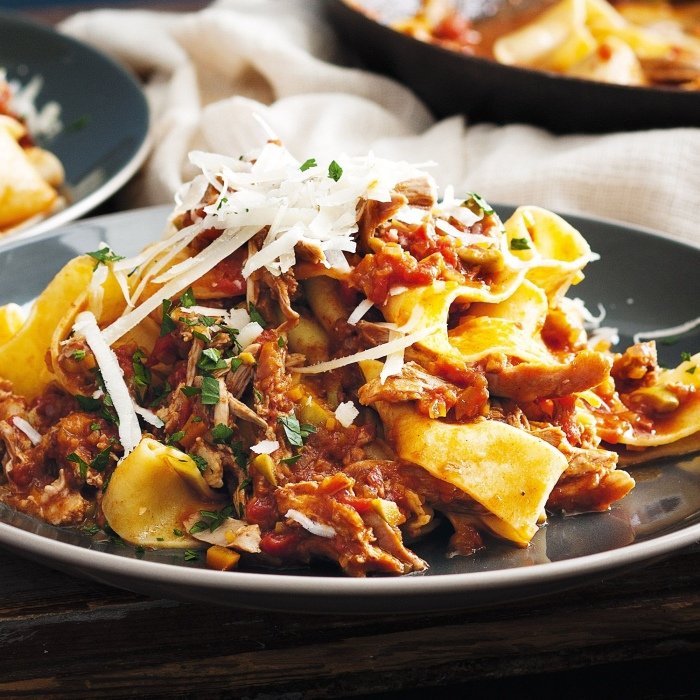
Heat the oil in a large pan. Add the duck legs and brown on all sides for about 10 mins. Remove to a plate and set aside. Add the onions to the pan and cook for 5 mins until softened. Add the garlic and cook for a further 1 min, then stir in the cinnamon and flour and cook for a further min. Return the duck to the pan, add the wine, tomatoes, stock, herbs, sugar and seasoning. Bring to a simmer, then lower the heat, cover with a lid and cook for 2 hrs, stirring every now and then. Carefully lift the duck legs out of the sauce and place on a plate – they will be very tender so try not to lose any of the meat. Pull off and discard the fat, then shred the meat with 2 forks and discard the bones. Add the meat back to the sauce with the milk and simmer, uncovered, for a further 10-15 mins while you cook the pasta. Cook the pasta following pack instructions, then drain, reserving a cup of the pasta water, and add the pasta to the ragu. Stir to coat all the pasta in the sauce and cook for 1 min more, adding a splash of cooking liquid if it looks dry. Serve with grated Parmesan, if you like.
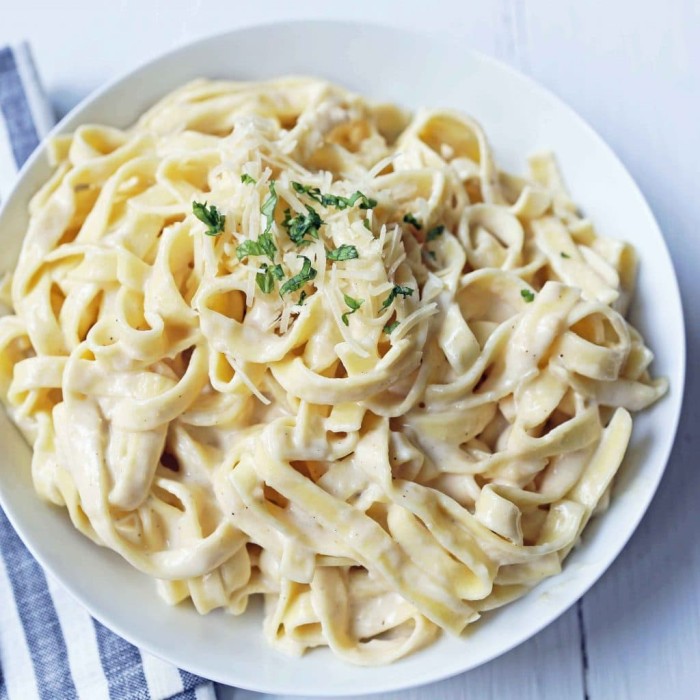
Cook pasta according to package instructions in a large pot of boiling water and salt. Add heavy cream and butter to a large skillet over medium heat until the cream bubbles and the butter melts. Whisk in parmesan and add seasoning (salt and black pepper). Let the sauce thicken slightly and then add the pasta and toss until coated in sauce. Garnish with parsley, and it's ready.
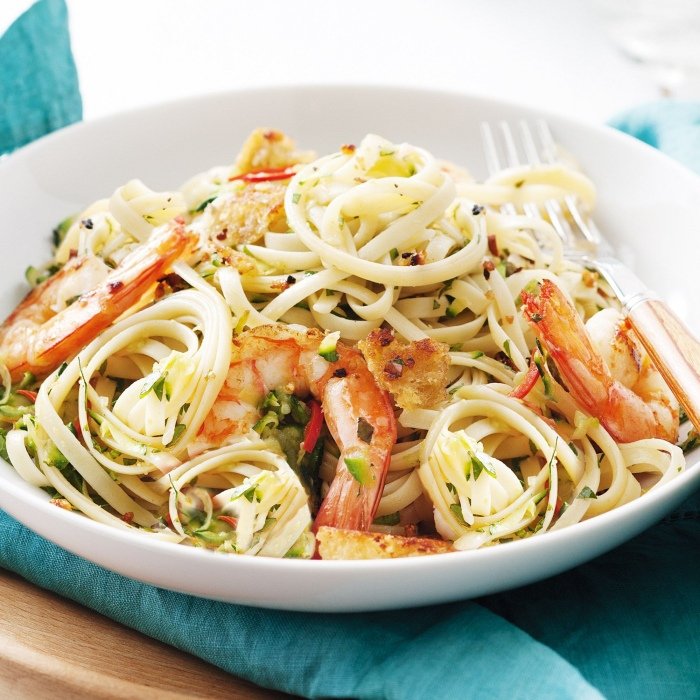
Mix the dressing ingredients in a small bowl and season with salt and pepper. Set aside. Cook the pasta according to the packet instructions. Add the sugar snap peas for the last minute or so of cooking time. Meanwhile, heat the oil in a wok or large frying pan, toss in the garlic and chilli and cook over a fairly gentle heat for about 30 seconds without letting the garlic brown. Tip in the prawns and cook over a high heat, stirring frequently, for about 3 minutes until they turn pink. Add the tomatoes and cook, stirring occasionally, for 3 minutes until they just start to soften. Drain the pasta and sugar snaps well, then toss into the prawn mixture. Tear in the basil leaves, stir, and season with salt and pepper. Serve with salad leaves drizzled with the lime dressing, and warm crusty bread.

Preheat oven to 375°F (190°C). In a bowl, mix cooked chopped spinach with crumbled feta, chopped onions, beaten eggs, olive oil, dill, salt, and pepper. Layer sheets of phyllo dough in a baking dish, brushing each layer with olive oil. Spread the spinach and feta mixture over the phyllo layers. Top with more phyllo layers, brushing each with olive oil. Bake until golden brown. Slice and serve this delicious Greek Spanakopita!
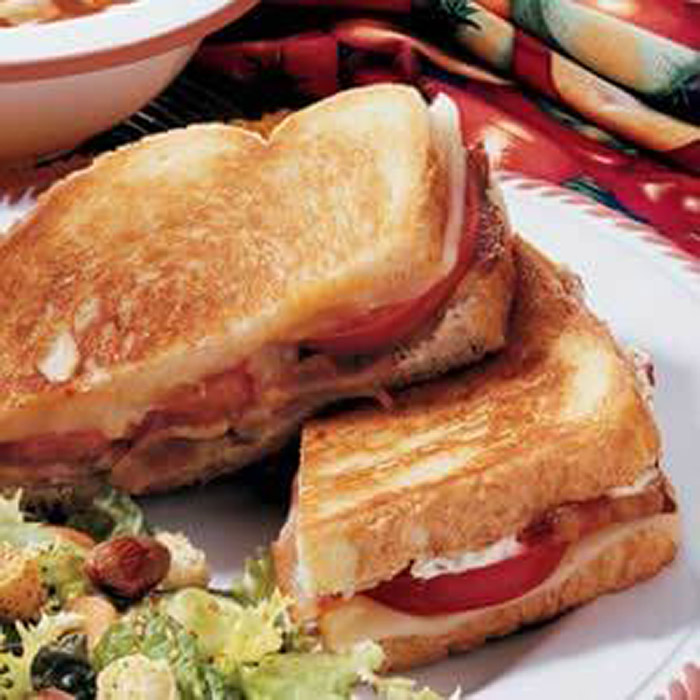
1. In a small bowl, combine the first four ingredients; spread on four slices of bread. Layer with bacon, tomato and cheese; top with remaining bread. 2. In a large skillet or griddle, melt 2 tablespoons butter. Toast sandwiches until lightly browned on both sides and cheese is melted, adding butter if necessary. Nutrition Facts 1 sandwich: 445 calories, 24g fat (12g saturated fat), 66mg cholesterol, 1094mg sodium, 35g carbohydrate (3g sugars, 2g fiber), 21g protein.