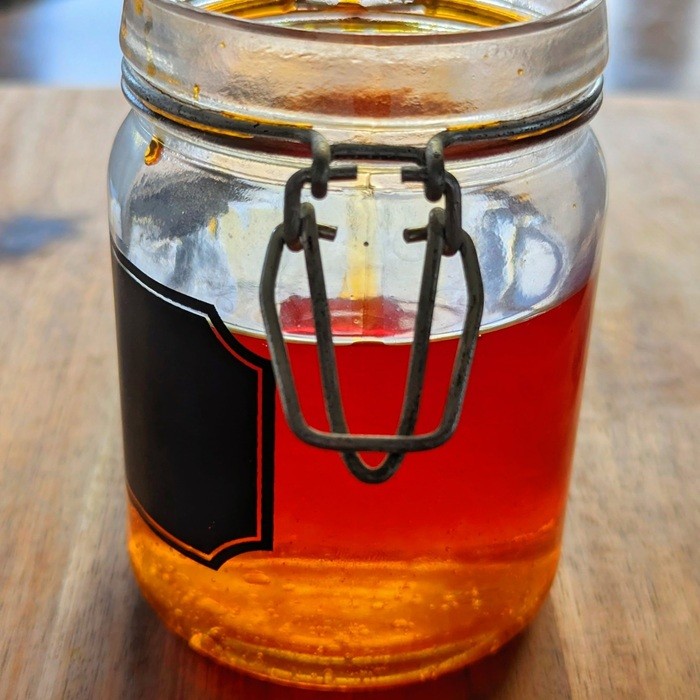
Heat the vegetable or olive oil and Achiote seeds in a small skillet over medium heat for about 2 to 3 minutes. Don't let the seeds turn black. Remove the skillet from the heat and let stand for 5 minutes more. Strain the oil and store for up to 15 days at room temperature in a jar with a tight lid.

Peel the potatoes and cut them into chunks, put them in a medium pot and cover with water and ¼ teaspoon of salt. Bring the potatoes to a boil over medium high heat, then reduce the heat to medium and cook until fork tender about 20 minutes. Drain the potatoes and mash with a fork or masher and set aside. Filling: In a large sauce pan, heat 1 tablespoon olive oil over medium heat and add the onion, tomato, scallions, garlic, cumin, azafran, pepper and salt. Cook for 5 minutes or until the onions are translucent, add the beef and cook stirring occasionally about 10 – 15 minutes. Set aside to cool. To make the batter: In a medium bowl place all the batter ingredients and whisk until smooth and set aside. To Form the Stuffed Potatoes Divide the potato mash into 10 equal sized portions, about ⅓ cup each, and form each portion into a ball by rolling between the palms of your hands. Flatten into patties and place 1 ½ tablespoons of the filling in the center of each one. Shape the potato mixture with the filling into balls to enclose the filling completely. Fill a large heavy pot with vegetable oil and heat over medium-high heat to 360° F. Dip the stuffed potato into the batter and carefully place them in the hot oil and fry for about 4 minutes or until golden, turning over halfway through. Remove the potatoes from the oil using a slotted spoon and drain in a plate with paper towels. Transfer to a serving plate and serve with Ají. Notes For a vegetarian version:Use the same ingredients in the meat filling except the beef and add 1 cup frozen carrots and peas
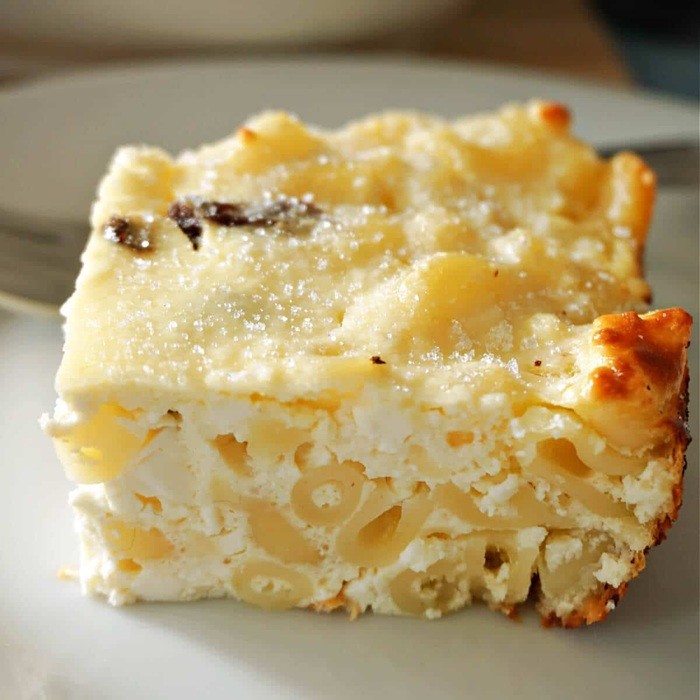
Add macaroni to large pan with sufficient water to cover (approximately 4 cups). Add salt and bring to boil until tender (approximately 25 -30 minutes). Meanwhile, beat eggs and sugar together, then add vanilla and nutmeg. Mix well and set aside. In a separate medium sauce pan, heat evaporated milk plus 1 cup of water and butter to almost a boiling point. Remove from heat and add to sugar mixture. Drain cooked macaroni. Add macaroni and raisins to the milk mixture and stir well. (This mixture will have quite a bit of liquid, but this will form a nice custard textured pudding once baked.) Grease a large baking dish with butter or margarine, add the macaroni mixture and sprinkle with additional nutmeg. Bake at 350° F for 1 hour or until golden brown. (Pudding should be firm enough to cut, but moist and not dry).
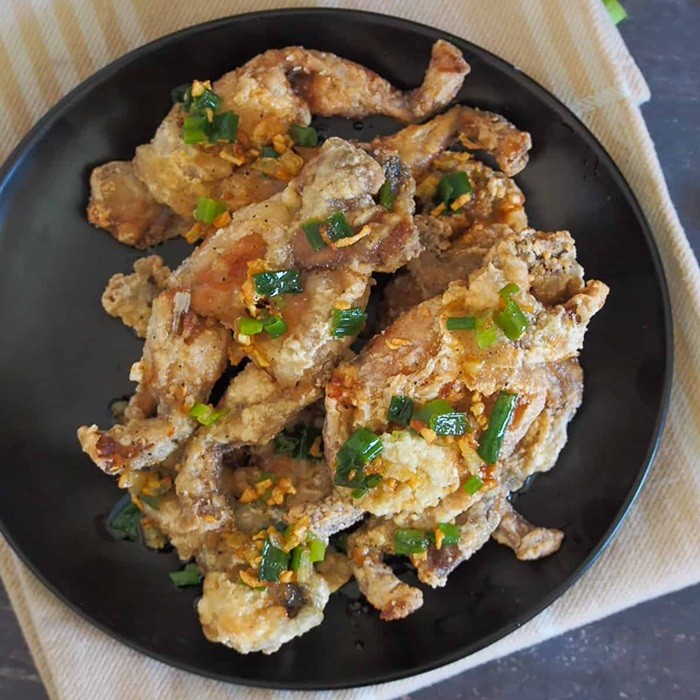
1. Let the frog legs soak in the milk in the fridge for an hour (optional). 2. Rinse the legs and pat them dry with kitchen paper. 3. Add the olive oil and half of the garlic butter to a large wok or frying pan. Place it over high heat until the butter starts to foam. Don't let it burn. 4. Add the frog legs to the pan. Pan fry them for about 10 minutes until they are golden brown on both sides. Turn the over regularly. 5. Add the rest of the garlic butter right in the end together with the freshly chopped parsley. Season with a pinch of pepper and salt to taste. 6. Divide the frog legs over plates. Serve with grilled bread and a green salad.
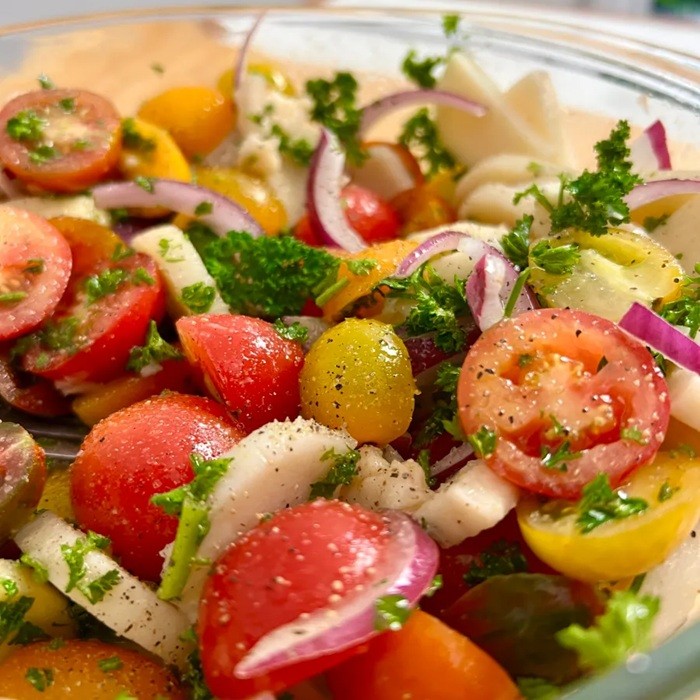
step 1 Mix together the hearts of palm, tomatoes and spring onions. Whisk together the sherry vinegar and olive oil. Drizzle over the salad. Sprinkle with the parsley, toss everything together and serve.
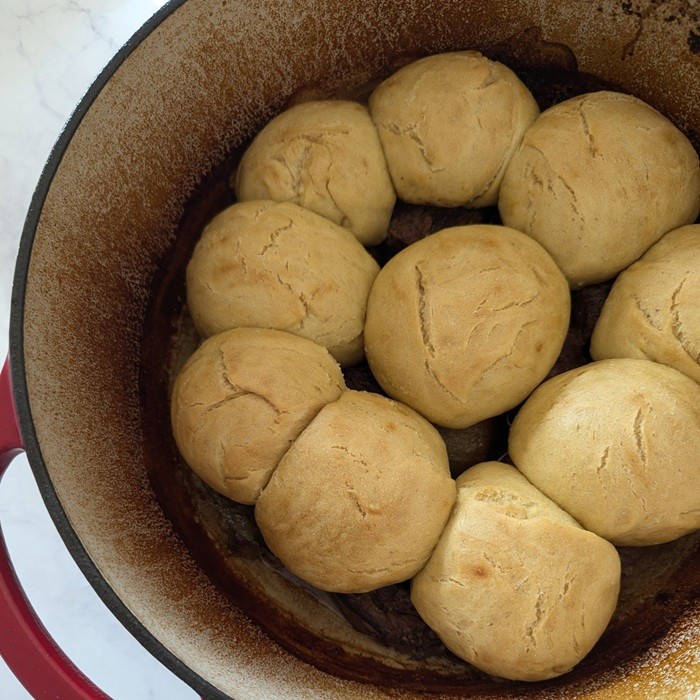
This recipe requires a stew to steam the dumplings on top of, at abour 180℃ or 350℉, give or take (it doesn't have to be specific, but can't be very high or very love heat). You will add the dumplings in during the last thirty minutes of your stew's cooking time, They need to steam covered, so the stew should be in a lidded pot that is oven-proof. Mix the dumpling dough In a measuring cup, combine the warm water, sugar, and yeast. Leave until foamy, about 5 minutes. To a stand mixer bowl, or a large bowl if mixing by hand, add the flour and salt. Stream in the water-yeast mixture while kneading. Knead for several minutes after the dough comes together, until a smooth ball of dough forms. Leave the dumpling dough to rise Place the ball of dough in an oiled dough, cover, and leave to rise until doubled, about 1 hour. Shape the dumplings Divide the risen ball of dough into 10 equal portions for large dumplings, or 12-14 portions for smaller dumplings. Shape each portion of dough into a smooth, round ball. Steam the dumplings In the last thirty minutes of cooking a stew, place the shaped dumplings right atop the stew. Push them down gently into the stew. Cover tightly and return to the oven for 25-30 minutes. The dumplings are done when they're risen and light golden.
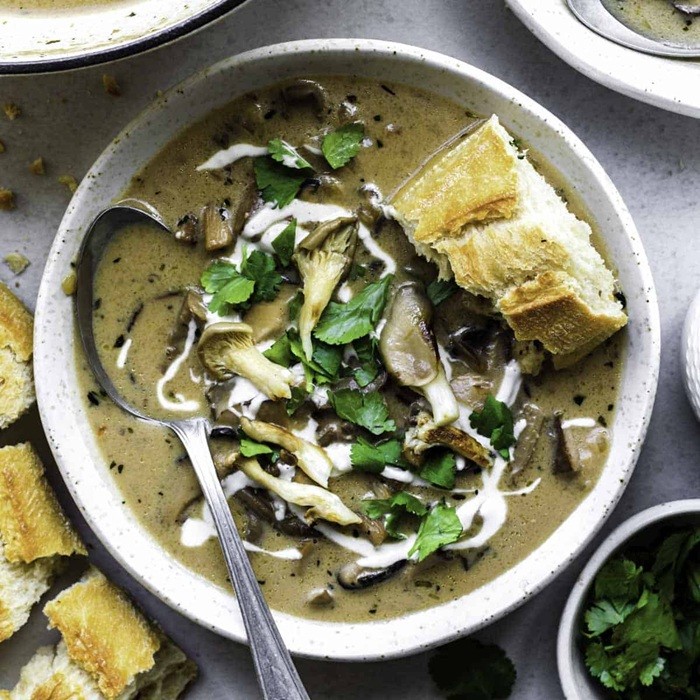
Clean mushrooms – I usually wash them under cold water, dry them and remove the stems. Cut mushrooms into thin strips. Melt butter in a small pot. Add the mushrooms and cook for 10 minutes, until the mushrooms release liquid. Combine the flour and water, whisk to remove any lumps and add to the pot. Add the salt and milk. Cook for 10 more minutes. In a small bowl or jar combine the garlic and vinegar. Serve the soup with 1-2 tablespoons (or more) of the garlic and vinegar mixture and hot red pepper.
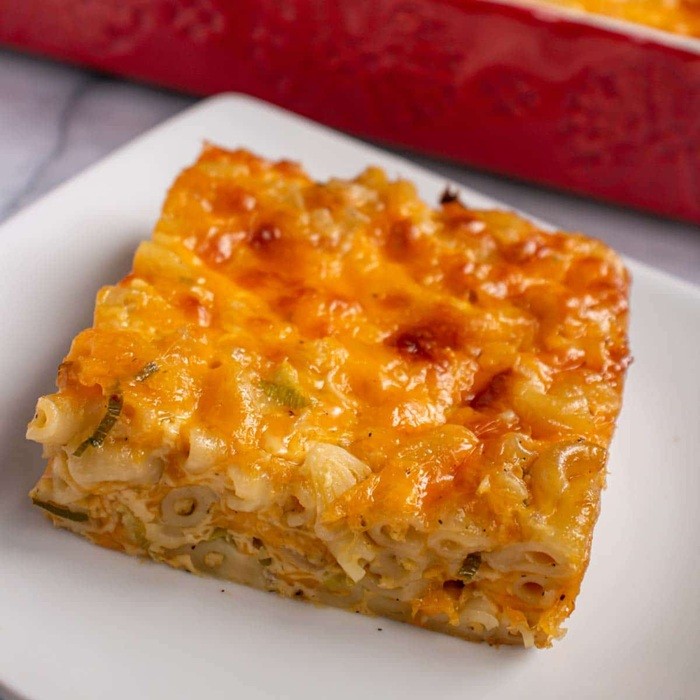
Bring water to a boil and add the broken-up macaroni, elbows, and salt. Cook uncovered until tender but not overcooked (about 8 minutes). Preheat a moderately hot oven to 350F, 180C, or Gas Mark 4. Drain the macaroni thoroughly, put it back into the same hot saucepan cooked in, and mix in the butter. Grate the cheese and mix it with the macaroni while it is still warm. Whisk the egg until fluffy, and add the milk, onion powder, white pepper, salt, pepper sauce, and mustard. Pour in with the macaroni and mix. Place in a greased ovenproof casserole dish. Top with butter, some grated cheese, and fine breadcrumbs. Bake in the center of the oven for about 30-45 minutes, depending on the dish’s depth.
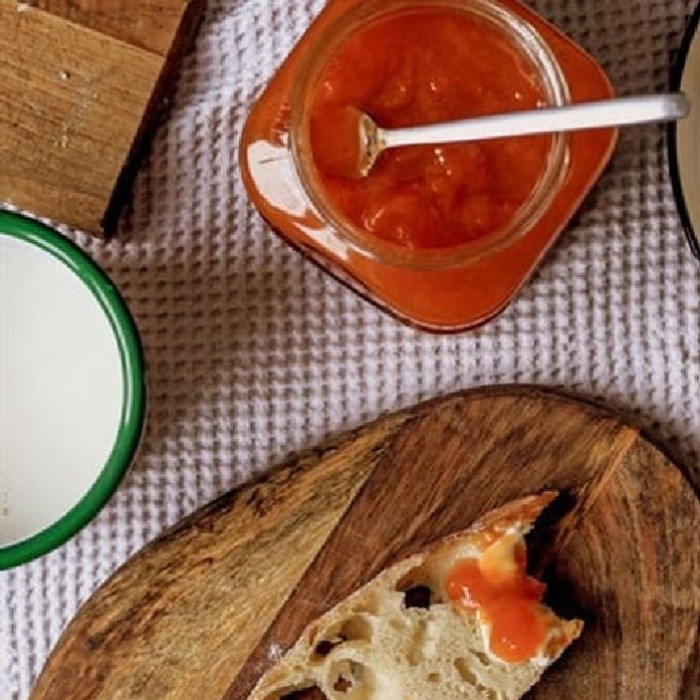
1. Remove the skin of the pumpkin. Also remove the inner seeds. 2. Cut the flesh into 2cm cubes. 3. Take the zest off the oranges, with as little pith as possible, and cut into matchstick-sized strips. 4. Extract the juice from the oranges. Remove the seeds from the cardamom pods and reserve. 5. Place the pumpkin, orange juice, orange strips, sugar and whole cardamom pod seeds in a large pan, mix well and leave to marinate for about 10 hours or overnight. Stir occasionally. 6. Bring the mixture to the boil, then reduce the heat and simmer until the liquid has thickened and become syrupy. This can take about an hour or a little bit longer. Leave to cool then place in clean, dry jars. Enjoy!
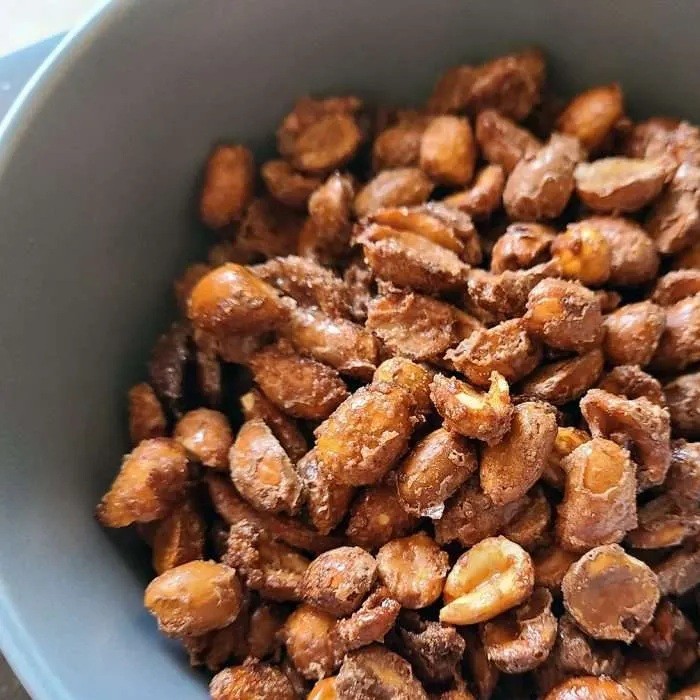
1 In a large heavy saucepan, combine the peanuts, sugar and water. Bring to a boil; cook until syrup has evaporated, about 10 minutes. 2 Spread peanuts in a single layer in a greased 15x10x1-in. baking pan; sprinkle with salt. 3 Bake at 300° for 30-35 minutes or until dry and lightly browned. Cool completely. Store in an airtight container.
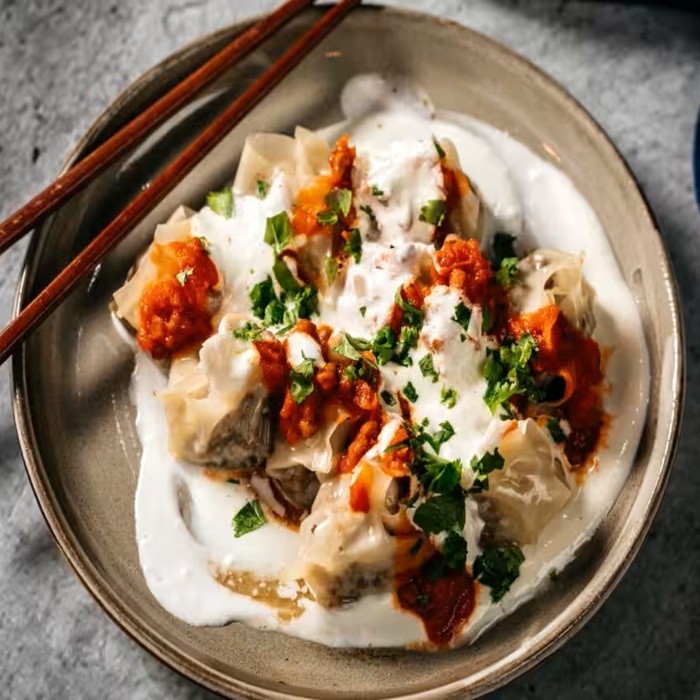
1. To prepare the dough, sift the flour with 1tsp of salt into a mixing bowl. Slowly mix in as much of the water is required, until a stiff dough is formed. Knead on a clean work surface for 5-10 minutes, until the dough is elastic and shiny. Cover with a damp cloth and set aside for about an hour. 2. Put the chopped lamb, onions, chilli, 1 tsp salt, ground pepper and spices in a bowl and mix thoroughly. 3. Divide the dough into 4 small balls, and roll out to a thickness of 1.5mm, cutting into 10cm squares. Into each square, place 1 heaped teaspoon of the lamb mixture. 4. Take two opposite corners and bring them to join in the centre by nipping together firmly between your fingers, and then bring together to other two corners in the same manner. Note that the mantu should not be entirely closed, as the steam has to be penetrate and cook the filling! 5. Using fat to grease the shelves of the steamer, place your mantu so that there is a small space between each one. Steam for 30-45 minutes over a medium heat. 6. Meanwhile, make the tomato sauce. Heat the oil in a pan, add tomato puree, and bring to the boil. Stir and simmer on a low heat until the mantu are ready. 7. Remove the mantu carefully from the steamer and place on a large, warm dish. Spoon the tomato sauce over the top, followed by the strained yoghurt, and sprinkle with chopped coriander to garnish.
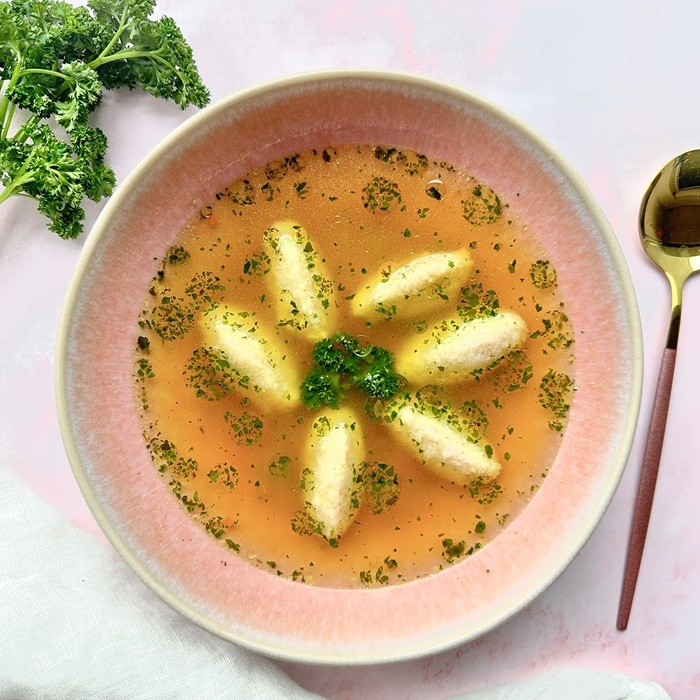
Step 1 Allow butter to come to room temperature before beating in a bowl until creamed. Season with salt and a small, delicate pinch of nutmeg. Step 2 Add in the egg, stirring vigorously. Sprinkle the semolina over this, and mix it in well until the surface is smooth. Cover with saran wrap and leave to rest for 15 – 20 minutes. Step 3 Use two spoons, dipped regularly into hot water throughout, to press or shape dumplings from the paste. You can also place these on a lightly oiled board or plate and again leave them to stand for a short while (this allows the dumplings to rise even more). Step 4 Heat a generous quantity of salted water in a large pan. Place the dumplings into the water and bring them back to a boil before turning down the heat and leaving to simmer gently for 10 – 15 minutes (do not boil). Carefully turn the dumplings occasionally. Step 5 Remove the semolina dumplings carefully and put them in the heated soup. Serve promptly, with a garnish of sprinkled parsley or chives. Step 6 The semolina dumplings can also be cooked in the beef broth, but this causes the soup to take on a slightly dull appearance. The cooked dumplings should never be left standing in the soup for too long, as they will “soak up” the soup and become softened.

Grate finely and toss together. 1 lb. sharp yellow cheese (cheddar or oude boerenkaas) 1 lb. keshi di buriko (or any white cheese such as fromage blanc, queso blanco, ricotto, feta etc.) Stir in: 6 eggs, beaten 5 Tbs. Cornstarch Shape the mixture into small balls. These may be kept indefinitely in the freezer. Drop the balls into deep, hot fat and fry until golden. Serve piping hot on toothpicks.
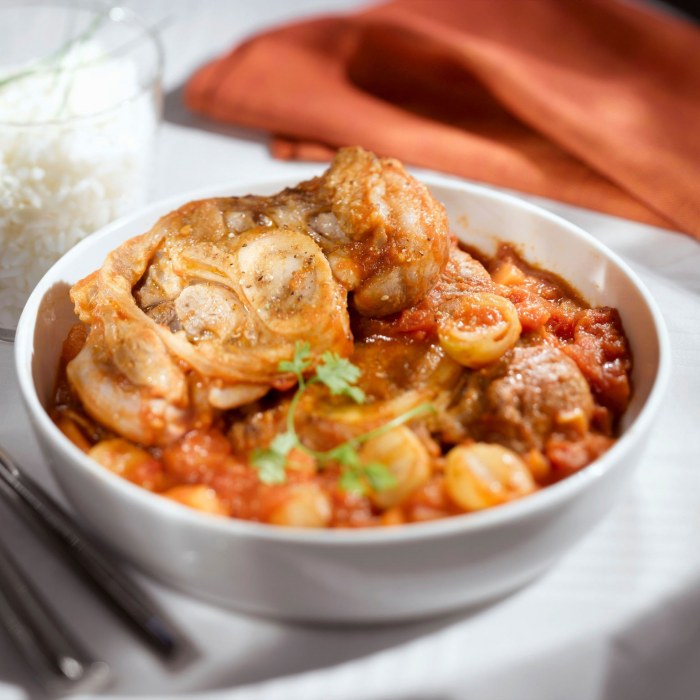
Heat the oven to 300 degrees. Dredging the shanks: pour the flour into a shallow dish (a pie plate works nicely). Season the veal shanks on all sides with salt and pepper. One at a time, roll the shanks around in the flour coat, and shake and pat the shank to remove any excuses flour. Discard the remaining flour. Browning the shanks: put the oil and 1 tablespoon of the butter in a wide Dutch oven or heavy braising pot (6 to 7 quart) and heat over medium-high heat. When the butter has melted and the oil is shimmering, lower the shanks into the pot, flat side down; if the shanks won’t fit without touching one another, do this in batches. Brown the shanks, turning once with tongs, until both flat sides are well caramelized, about 5 minutes per side. If the butter-oil mixture starts to burn, lower the heat just a bit. Transfer the shanks to a large platter or tray and set aside. The aromatics: pour off and discard the fat from the pot. Wipe out any burnt bits with a damp paper towel, being careful not to remove any delicious little caramelized bits. Ad the remaining 2 tablespoons butter to the pot and melt it over medium heat. When the butter has stopped foaming, add the onion, carrot, celery, and fennel. Season with salt and pepper, stir, and cook the vegetables until they begin to soften but do not brown, about 6 minutes. Stir in the garlic, orange zest, marjoram, and bay leaf, and stew for another minute or two. The braising liquid: add the wine, increase the heat to high, and bring to a boil. Boil, stirring occasionally, to reduce the wine by about half, 5 minutes. Add the stock and tomatoes, with their juice, and boil again to reduce the liquid to about 1 cup total, about 10 minutes. The braise: Place the shanks in the pot so that they are sitting with the exposed bone facing up, and pour over any juices that accumulated as they sat. Cover with parchment paper, pressing down so the parchment nearly touches the veal and the edges hang over the sides of the pot
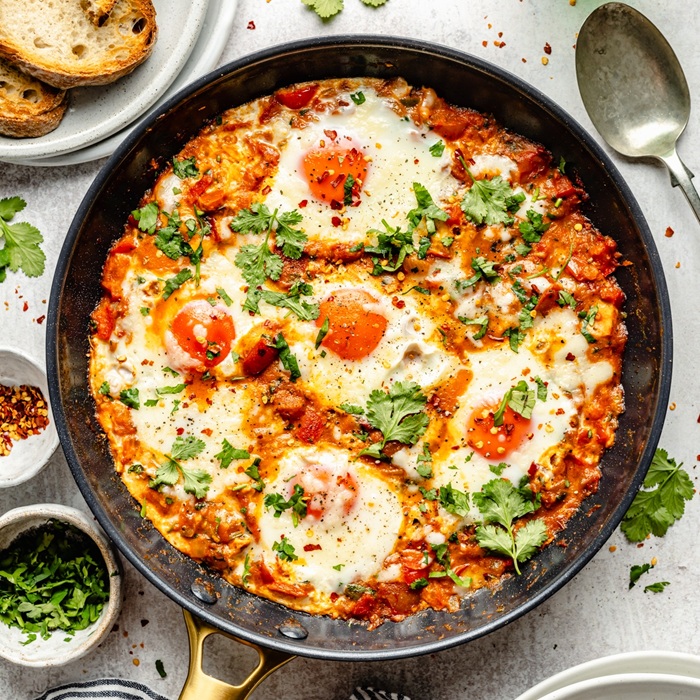
1 First, pan fry the black pepper and garlic over a dry medium heat until fragrant. 2 Add a good amount of extra virgin olive oil and infuse for a minute. 3 Once the oil heats up, add the tomatoes and salt, and cover with a lid. Simmer for 5 minutes. 4 Remove the lid and mash the tomatoes. Reduce until you reach the desired consistency of choice. 5 Make craters for the eggs and lower the heat. Carefully crack the eggs into the craters, making sure it touches the pan and not the tomato sauce. 6 Cover the eggs and leave it for 5 minutes without lifting the lid. 7 Remove from the heat and let the residual heat steam the eggs for 1-2 minutes. 8 Serve with flatbread. Enjoy!

step 1 Heat oven to 230C/fan 210C/gas 8. step 2 Drizzle a little sunflower oil evenly into two 4-hole Yorkshire pudding tins or two 12-hole non-stick muffin tins and place in the oven to heat through. step 3 To make the batter, tip 140g plain flour into a bowl and beat in 4 eggs until smooth. step 4 Gradually add 200ml milk and carry on beating until the mix is completely lump-free. Season with salt and pepper. step 5 Pour the batter into a jug, then remove the hot tins from the oven. Carefully and evenly pour the batter into the holes. step 6 Place the tins back in the oven and leave undisturbed for 20-25 mins until the puddings have puffed up and browned. step 7 Serve immediately. You can now cool them and freeze for up to 1 month.
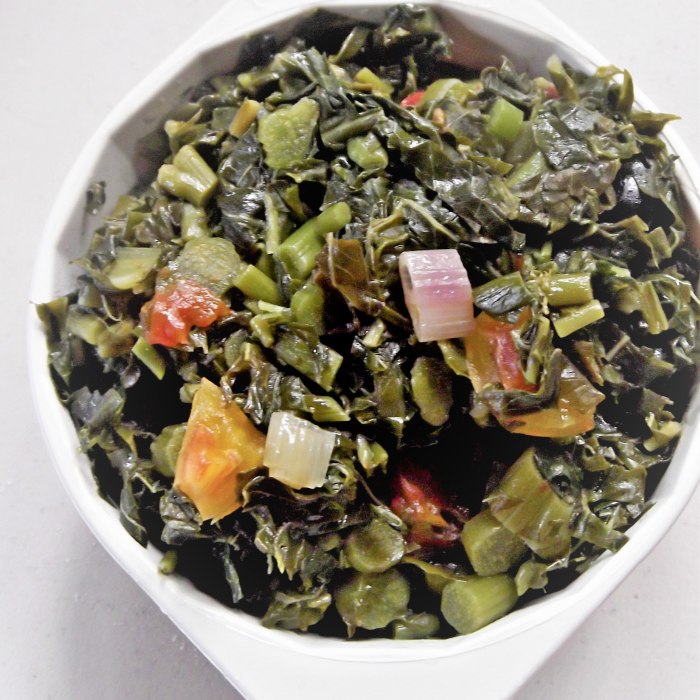
Cut leaves and soft stems from the kale branches, them soak in a bowl of cold water for about 5-10 minutes or until finish with prep. Proceed to slicing the onions, mincing the garlic and dicing the tomatoes. Set aside Remove kale from water cut in chunks. Place bacon on saucepan and cook until crispy. Then add onions, garlic, thyme, stir for about a minute or more Add tomatoes; scotch bonnet pepper, smoked paprika. Sauté for about 2-3 more minutes. Finally add vegetable, salt, mix well, and steamed for about 6-8 minutes or until leaves are tender. Add a tiny bit of water as needed. Adjust seasonings and turn off the heat. Using a sharp knife cut both ends off the plantain. This will make it easy to grab the skin of the plantains. Slit a shallow line down the long seam of the plantain; peel only as deep as the peel. Remove plantain peel by pulling it back. Slice the plantain into medium size lengthwise slices and set aside. Coat a large frying pan with cooking oil spray. Spray the tops of the plantains with a generous layer of oil spray and sprinkle with salt, freshly ground pepper. Let the plantains "fry" on medium heat, shaking the frying pan to redistribute them every few minutes. As the plantains brown, continue to add more cooking oil spray, salt and pepper (if needed) until they have reached the desired color and texture. Remove and serve with kale
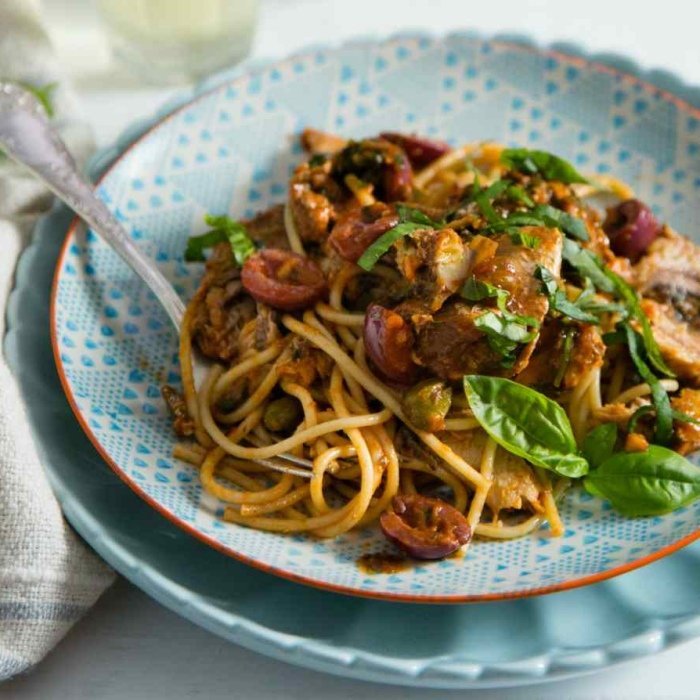
Cook the pasta following pack instructions. Heat the oil in a non-stick frying pan and cook the onion, garlic and chilli for 3-4 mins to soften. Stir in the tomato purée and cook for 1 min, then add the pilchards with their sauce. Cook, breaking up the fish with a wooden spoon, then add the olives and continue to cook for a few more mins. Drain the pasta and add to the pan with 2-3 tbsp of the cooking water. Toss everything together well, then divide between plates and serve, scattered with Parmesan.
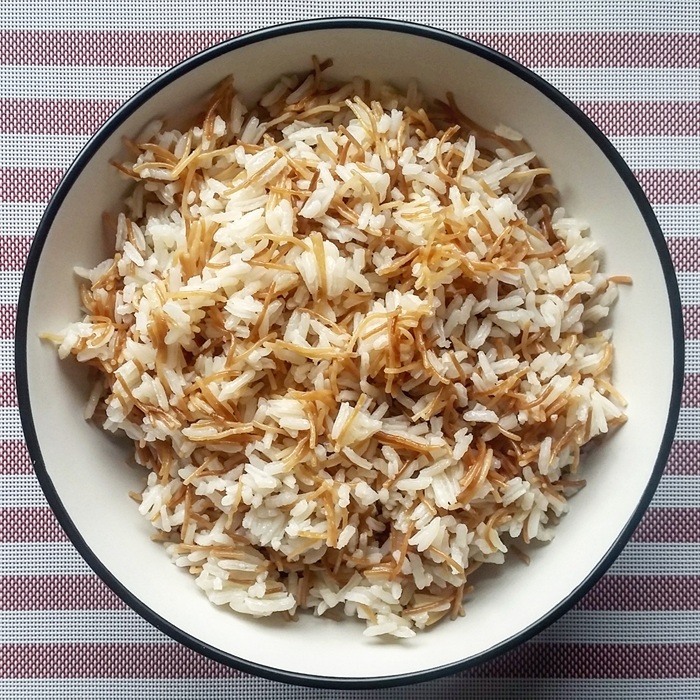
step 1 Pour the rice into a very large bowl under cold running water and carefully drain the water out of the bowl through a sieve. Repeat a few times until the water in the bowl is clear, then fill the bowl up with cold water and leave rice to soak for 10 mins while you cook the vermicelli. step 2 Put the oil into a medium pan over medium heat. Add the vermicelli and stir continuously until the strands turn a rich golden brown, 2-3 mins. Remove from the heat, stir through the butter until it melts and allow the vermicelli to cool for 1-2 mins. step 3 Drain the rice thoroughly through a sieve. Add the rice to the pan and stir well. Pour the hot stock into the pan, sprinkle in ½ tsp salt, stir well then return the pan to the hob over a high heat. Bring to the boil, then reduce the heat to the lowest it will go, put the lid on the pan and simmer for 7-9 mins. Remove the pan from the heat, cover with a couple of sheets of kitchen paper or a light tea towel and the pan lid, and let the rice sit in the pan for 10 mins. Fluff up with a fork before serving.
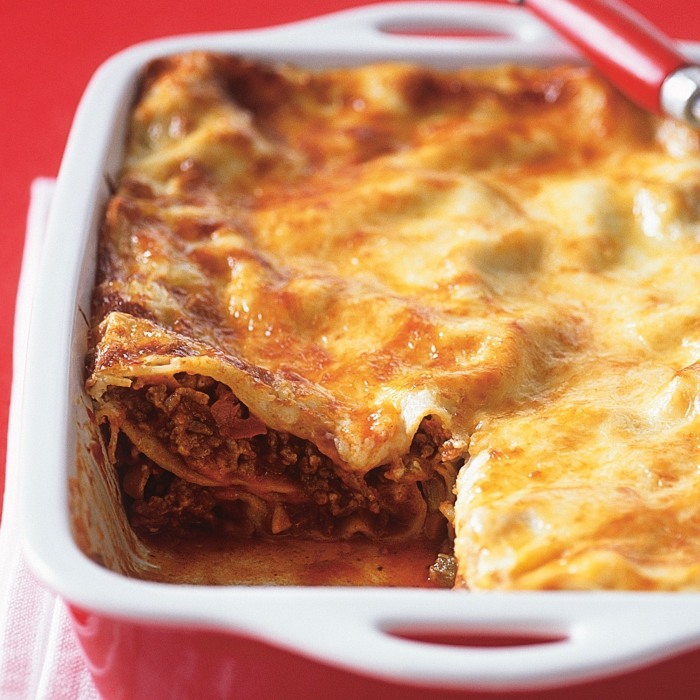
Heat the oil in a large saucepan. Use kitchen scissors to snip the bacon into small pieces, or use a sharp knife to chop it on a chopping board. Add the bacon to the pan and cook for just a few mins until starting to turn golden. Add the onion, celery and carrot, and cook over a medium heat for 5 mins, stirring occasionally, until softened. Add the garlic and cook for 1 min, then tip in the mince and cook, stirring and breaking it up with a wooden spoon, for about 6 mins until browned all over. Stir in the tomato purée and cook for 1 min, mixing in well with the beef and vegetables. Tip in the chopped tomatoes. Fill each can half full with water to rinse out any tomatoes left in the can, and add to the pan. Add the honey and season to taste. Simmer for 20 mins. Heat oven to 200C/180C fan/gas 6. To assemble the lasagne, ladle a little of the ragu sauce into the bottom of the roasting tin or casserole dish, spreading the sauce all over the base. Place 2 sheets of lasagne on top of the sauce overlapping to make it fit, then repeat with more sauce and another layer of pasta. Repeat with a further 2 layers of sauce and pasta, finishing with a layer of pasta. Put the crème fraîche in a bowl and mix with 2 tbsp water to loosen it and make a smooth pourable sauce. Pour this over the top of the pasta, then top with the mozzarella. Sprinkle Parmesan over the top and bake for 25–30 mins until golden and bubbling. Serve scattered with basil, if you like.
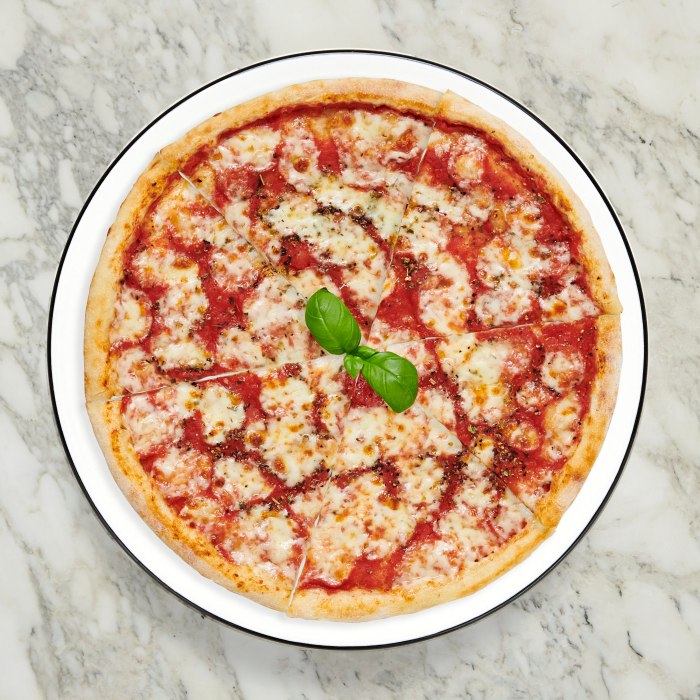
1 Preheat the oven to 230°C. 2 Add the sugar and crumble the fresh yeast into warm water. 3 Allow the mixture to stand for 10 – 15 minutes in a warm place (we find a windowsill on a sunny day works best) until froth develops on the surface. 4 Sift the flour and salt into a large mixing bowl, make a well in the middle and pour in the yeast mixture and olive oil. 5 Lightly flour your hands, and slowly mix the ingredients together until they bind. 6 Generously dust your surface with flour. 7 Throw down the dough and begin kneading for 10 minutes until smooth, silky and soft. 8 Place in a lightly oiled, non-stick baking tray (we use a round one, but any shape will do!) 9 Spread the passata on top making sure you go to the edge. 10 Evenly place the mozzarella (or other cheese) on top, season with the oregano and black pepper, then drizzle with a little olive oil. 11 Cook in the oven for 10 – 12 minutes until the cheese slightly colours. 12 When ready, place the basil leaf on top and tuck in!

Make the mac and cheese 1. Bring a medium saucepan of generously salted water (you want it to taste like seawater) to a boil. Add the pasta and cook, stirring occasionally, until al dente, 8 to 10 minutes, or according to the package directions. The pasta should be tender but still chewy. 2. While the pasta is cooking, in a small bowl, whisk together the flour, mustard powder, garlic powder, salt, black pepper, and cayenne pepper. 3. Drain the pasta in a colander. Place the empty pasta pan (no need to wash it) over low heat and add the butter. When the butter has melted, whisk in the flour mixture and continue to cook, whisking frequently, until the mixture is beginning to brown and has a pleasant, nutty aroma, about 1 minute. Watch carefully so it does not scorch on the bottom of the pan. 4. Slowly whisk the milk and cream into the flour mixture until everything is really well combined. Cook, whisking constantly, until the sauce is heated through and just begins to thicken, about 2 minutes. Remove from the heat. Gradually add the cheese while stirring constantly with a wooden spoon or silicone spatula and keep stirring until the cheese has melted into the sauce. Then stir in the drained cooked pasta. 5. Line a 9-by-13-inch (23-by-33-centimeter) rimmed baking sheet with parchment paper or aluminum foil. Coat the paper or foil with nonstick cooking spray or slick it with butter. Pour the warm mac and cheese onto the prepared baking sheet and spread it evenly with a spatula. Coat another piece of parchment paper with cooking spray or butter and place it, oiled or buttered side down, directly on the surface of the mac and cheese. Refrigerate until cool and firm, about 1 hour. Make the grilled cheese 6. Heat a large cast-iron or nonstick skillet over medium-low heat. 7. In a small bowl, stir together the 4 tablespoons (55 grams) butter and garlic powder until well blended. 8. Remove the mac and cheese from the refrigerator and peel off the top layer of parc
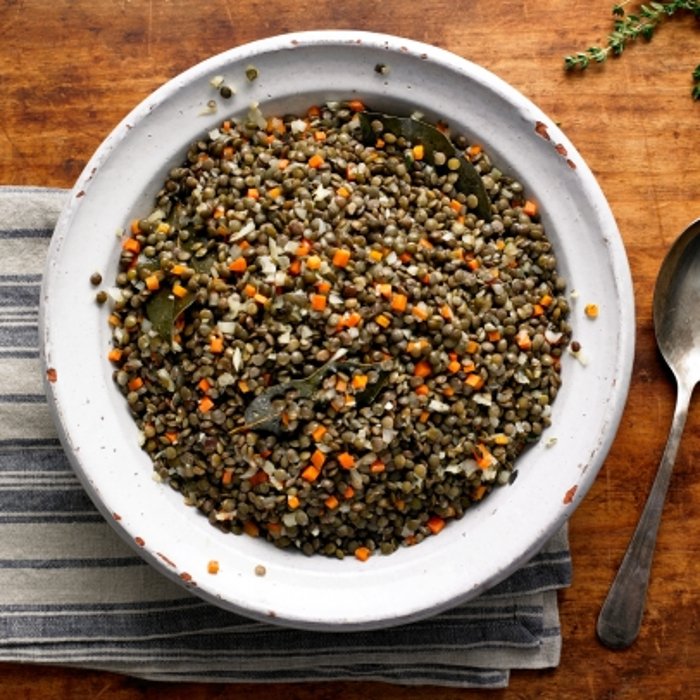
Place a large saucepan over medium heat and add oil. When hot, add chopped vegetables and sauté until softened, 5 to 10 minutes. Add 6 cups water, lentils, thyme, bay leaves and salt. Bring to a boil, then reduce to a fast simmer. Simmer lentils until they are tender and have absorbed most of the water, 20 to 25 minutes. If necessary, drain any excess water after lentils have cooked. Serve immediately, or allow them to cool and reheat later. For a fuller taste, use some chicken stock and reduce the water by the same amount.
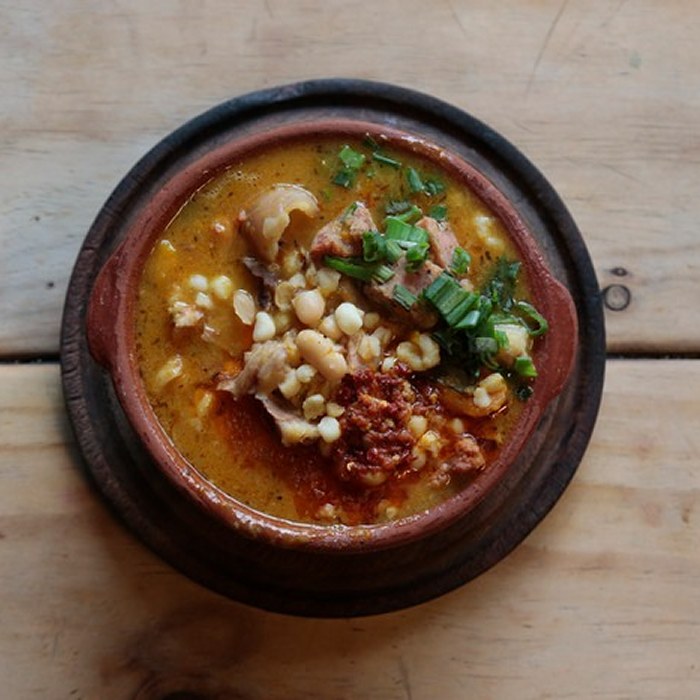
Soak: Soak corn and beans overnight in water. Cook Meats: In a large pot, brown the beef and pork. Add onions and spices, cooking until translucent. Simmer the Stew: Add soaked corn and beans, pumpkin, potato, and enough water to cover. Simmer for 2-3 hours, until thick. Serve: Enjoy hot, with bread on the side. Pro Tips: Toasting the corn slightly before adding it to the stew enhances its flavor. Add a spoonful of paprika or a dash of cumin for an extra layer of warmth and complexity