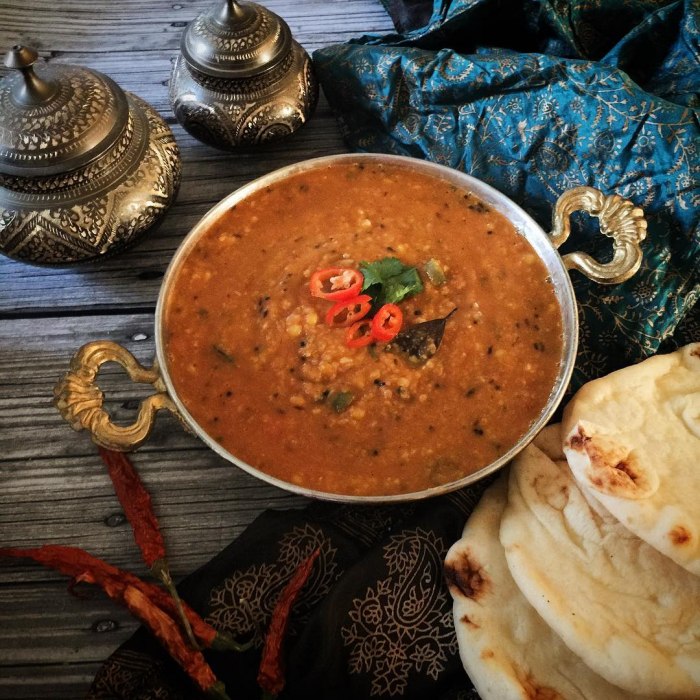
Wash and soak toor dal in approx. 3 cups of water, for at least one hours. Dal will be double in volume after soaking. Drain the water. Cook dal with 2-1/2 cups water and add salt, turmeric, on medium high heat, until soft in texture (approximately 30 mins) it should be like thick soup. In a frying pan, heat the ghee. Add cumin seeds, and mustard seeds. After the seeds crack, add bay leaves, green chili, ginger and chili powder. Stir for a few seconds. Add tomatoes, salt and sugar stir and cook until tomatoes are tender and mushy. Add cilantro and garam masala cook for about one minute. Pour the seasoning over dal mix it well and cook for another minute. Serve with Naan.
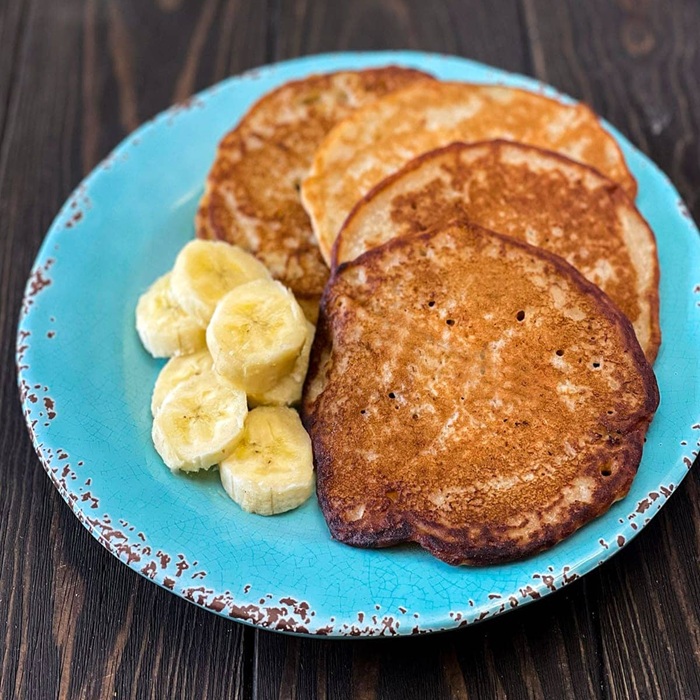
Mash bananas with fork in bowl. Add brown sugar, vanilla, extract, cinnamon, nutmeg and a pinch of salt. Sift in flour and stir with spoon until fully combined. Add oil to a 10 inch skillet over medium-high heat. Once oil is hot, drop banana fritter batter in oil by the spoonful. Once one side is golden and bubbles appear on the top, flip fritter and cook until the other side is browned as well. Remove fritters and drain on paper towels. Enjoy

Mix the lemon juice with the paprika and red onions in a large shallow dish. Slash each chicken thigh three times, then turn them in the juice and set aside for 10 mins. Mix all of the marinade ingredients together and pour over the chicken. Give everything a good mix, then cover and chill for at least 1 hr. This can be done up to a day in advance. Heat the grill. Lift the chicken pieces onto a rack over a baking tray. Brush over a little oil and grill for 8 mins on each side or until lightly charred and completely cooked through.
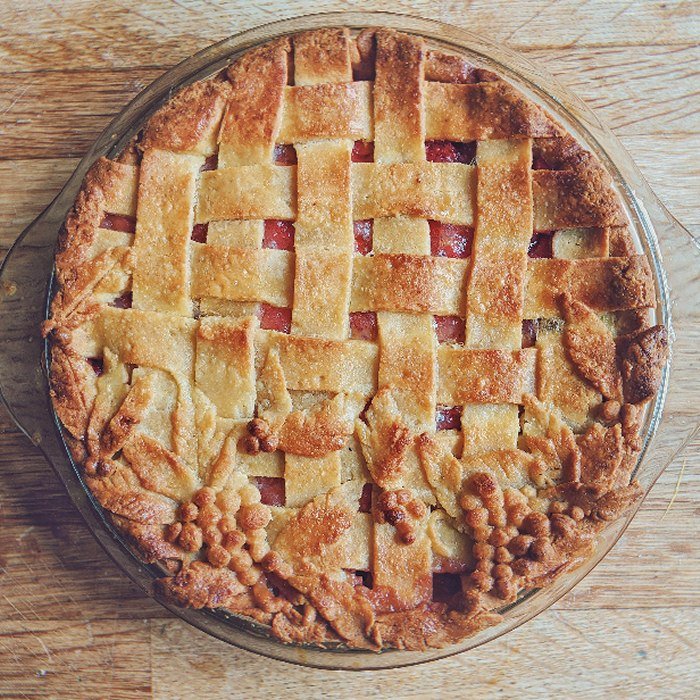
Pie Crust: In a food processor, place the flour, salt, and sugar and process until combined. Add the butter and process until the mixture resembles coarse meal (about 15 seconds). Pour 1/4 cup (60 ml) water in a slow, steady stream, through the feed tube until the dough just holds together when pinched. If necessary, add more water. Do not process more than 30 seconds. Turn the dough onto your work surface and gather into a ball. Divide the dough in half, flattening each half into a disk, cover with plastic wrap, and refrigerate for about one hour before using. This will chill the butter and relax the gluten in the flour. After the dough has chilled sufficiently, remove one portion of the dough from the fridge and place it on a lightly floured surface. Roll the pastry into a 12 inch (30 cm) circle. (To prevent the pastry from sticking to the counter and to ensure uniform thickness, keep lifting up and turning the pastry a quarter turn as you roll (always roll from the center of the pastry outwards).) Fold the dough in half and gently transfer to a 9 inch (23 cm) pie pan. Brush off any excess flour and trim any overhanging pastry to an edge of 1/2 inch (1.5 cm). Refrigerate the pastry, covered with plastic wrap, while you make the filling. Remove the second round of pastry and roll it into a 13 inch (30 cm) circle. Using a pastry wheel or pizza cutter, cut the pastry into about 3/4 inch (2 cm) strips. Place the strips of pastry on a parchment paper-lined baking sheet, cover with plastic wrap, and place in the refrigerator for about 10 minutes. Make the Strawberry Rhubarb Filling: Place the cut strawberries and rhubarb in a large bowl. In a small bowl mix together the cornstarch, sugar, and ground cinnamon. Remove the chilled pie crust from the fridge. Sprinkle about 2 tablespoons of the sugar mixture over the bottom of the pastry crust. Add the remaining sugar mixture to the strawberries and rhubarb and gently toss to combine. Pour the fruit mi
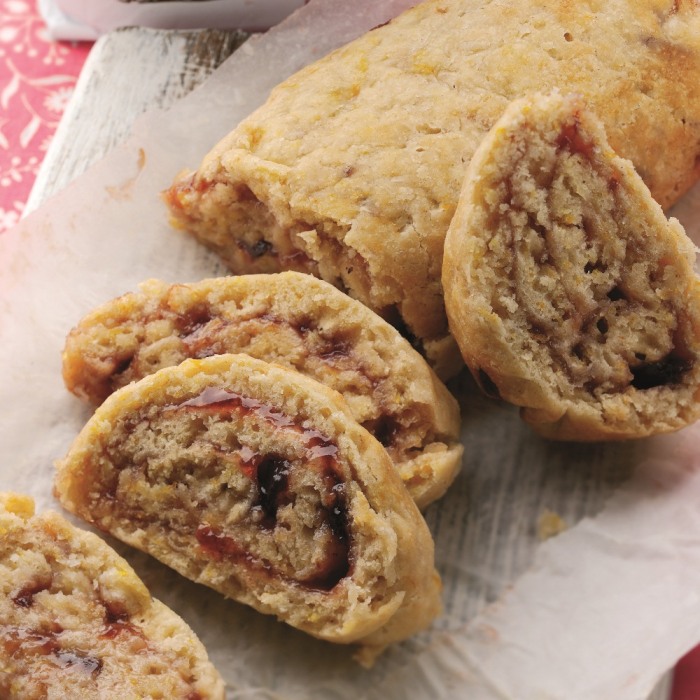
Put a deep roasting tin onto the bottom shelf of the oven, and make sure that there’s another shelf directly above it. Pull the roasting tin out on its shelf, fill two-thirds with boiling water from the kettle, then carefully slide it back in. Heat oven to 180C/160C fan/gas 4. Tear off a large sheet of foil and greaseproof paper (about 30 x 40cm). Sit the greaseproof on top of the foil and butter it. Tip butter, flour and vanilla seeds into a food processor; pulse until the butter has disappeared. Tip into a mixing bowl. Stir through the suet, pour in the milk and work together with a cutlery knife until you get a sticky dough. You may need a drop more milk, depending on your flour. Tip the dough out onto a floured surface, quickly pat together to smooth, then roll out to a square roughly 25 x 25cm. Spread the jam all over, leaving a gap along one edge, then roll up from the opposite edge. Pinch the jam-free edge into the dough where it meets, and pinch the ends roughly, too. Carefully lift onto the greased paper, join-side down (you might find a flat baking sheet helpful for this), loosely bring up the paper and foil around it, then scrunch together along the edges and ends to seal. The roly-poly will puff quite a bit during cooking so don’t wrap it tightly. Lift the parcel directly onto the rack above the tin and cook for 1 hr. Let the pudding sit for 5 mins before unwrapping, then carefully open the foil and paper, and thickly slice to serve.
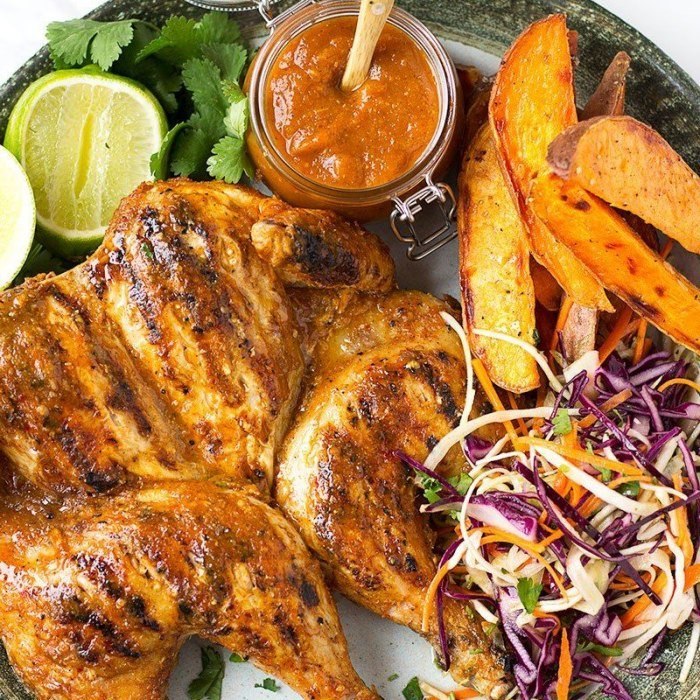
STEP 1 Whizz together all of the marinade ingredients in a small food processor. Rub the marinade onto the chicken and leave for 1 hour at room temperature. STEP 2 Heat the oven to 190C/fan 170C/gas 5. Put the chicken in a roasting tray and cook for 1 hour 20 minutes. Rest under loose foil for 20 minutes. While the chicken is resting, mix together the slaw ingredients and season. Serve the chicken with slaw, fries and condiments.

step 1 Place the curry paste in a large saucepan or wok with the oil. Fry for 1 min until fragrant. Tip in the vegetable stock, coconut milk and brown sugar. Simmer for 3 mins. step 2 Add the noodles, carrots and Chinese leaf and simmer for 4-6 mins, until all are tender. Mix in beansprouts and tomatoes. Add lime juice to taste and some extra seasoning, if you like. Spoon into bowls and sprinkle with spring onions and coriander.
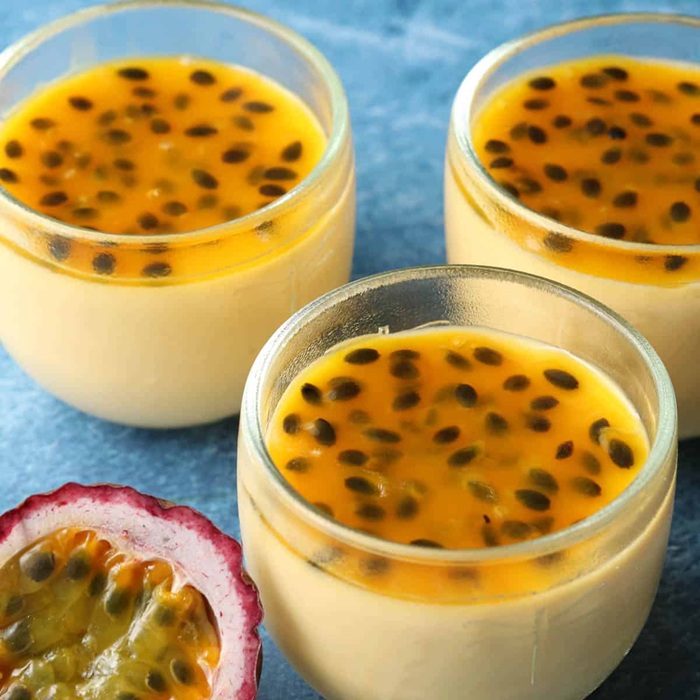
Add gelatin and ¼ cup room-temperature water to small bowl; let sit until gelatin softens, about 5 minutes. In medium saucepan over medium-high heat, stir together passion fruit pulp, sugar and gelatin mixture. Cook, stirring occasionally, until mixture is thoroughly combined and smooth (mixture should not come to a boil). Remove from heat; cool completely. Stir in condensed milk. Meanwhile, in clean mixing bowl, using electric mixer, beat egg whites until stiff (peaks of egg whites will not droop, and egg whites will not move when bowl is tilted). Stir 1/3 egg whites into cooled passion fruit mixture until combined. Using spatula, gently fold in remaining egg whites until combined. Divide mousse evenly among clear glass serving cups; cover. Refrigerate mousse until well chilled, at least 2 hrs. Serve chilled. Garnish with mint, if desired.
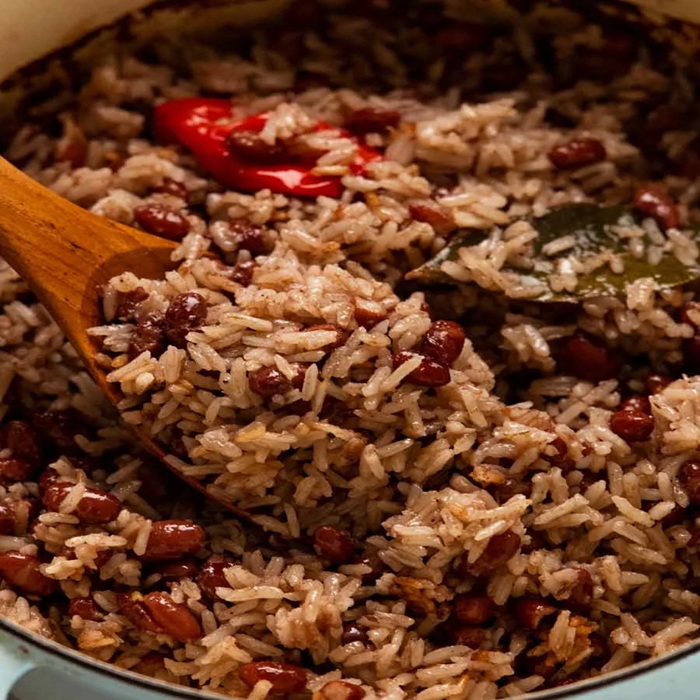
Equipment Dutch oven Add rice, coconut milk, kidney beans, water, kosher salt, allspice, and black pepper to a large pot and stir until combined. Lay green onions, thyme and Scotch bonnet pepper on top. Bring mixture to a boil. Once boiling, reduce heat to low and cover with a lid. Allow to cook covered for 18 minutes over low heat, then remove from heat. Leave the lid on for an additional 5 minutes. Open the lid and remove the green onion, Scotch bonnet pepper, and thyme. Fluff the rice and peas with a fork. Serve and enjoy.
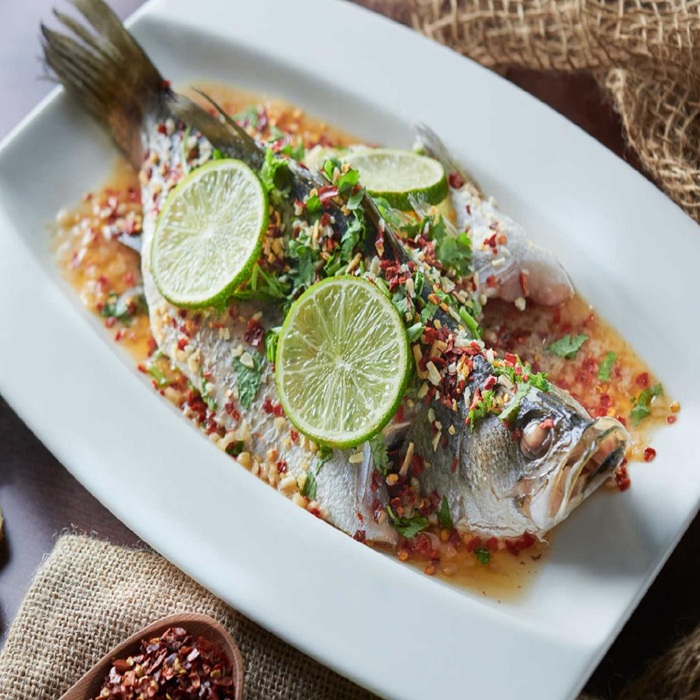
step 1 Nestle the fish fillets side by side on a large square of foil and scatter the ginger, garlic, chilli and lime zest over them. Drizzle the lime juice on top and then scatter the pieces of pak choi around and on top of the fish. Pour the soy sauce over the pak choi and loosely seal the foil to make a package, making sure you leave space at the top for the steam to circulate as the fish cooks. step 2 Steam for 15 minutes. (If you haven’t got a steamer, put the parcel on a heatproof plate over a pan of gently simmering water, cover with a lid and steam.)
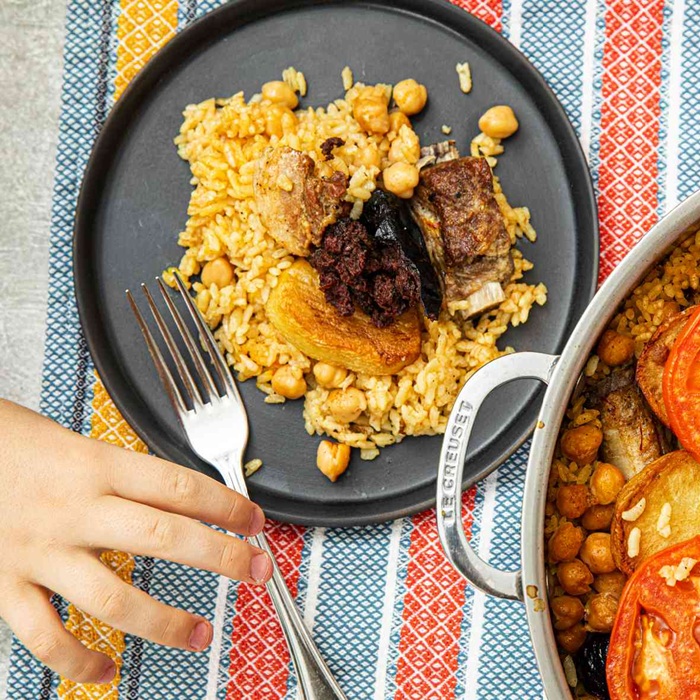
step 1 Heat oven to 200C/180C/gas 6. Heat half the oil in a deep frying or sauté pan (or shallow casserole dish) measuring around 30cm in diameter. Over a high heat, colour the pork belly slices on each side in several batches, then transfer to a bowl. Add the remaining oil to the pan and lower the heat to medium, then add the black pudding and bacon and fry all over for several mins. Remove with a slotted spoon. Fry the onion and peppers for around 10 mins until soft and pale gold, then add the tomato and cook until soft. Add the garlic, smoked paprika and chilli flakes and cook for another 2 mins, then put the pork, black pudding and bacon back in the pan. Add the beans, stock and whichever herb you're using, and bring everything to the boil. step 2 Sprinkle the rice around the pork belly, pushing it underneath the stock. Let the stock come to the boil again, season well, then transfer to the oven (leave it uncovered). Cook for 20 mins without stirring, then check to see how the rice is doing. The rice should be tender and the stock absorbed. If it’s not ready, put back in the oven for another 5 mins, then check again. Taste for seasoning. step 3 Squeeze lemon juice over the top and drizzle over some extra virgin olive oil just before serving, if you like.
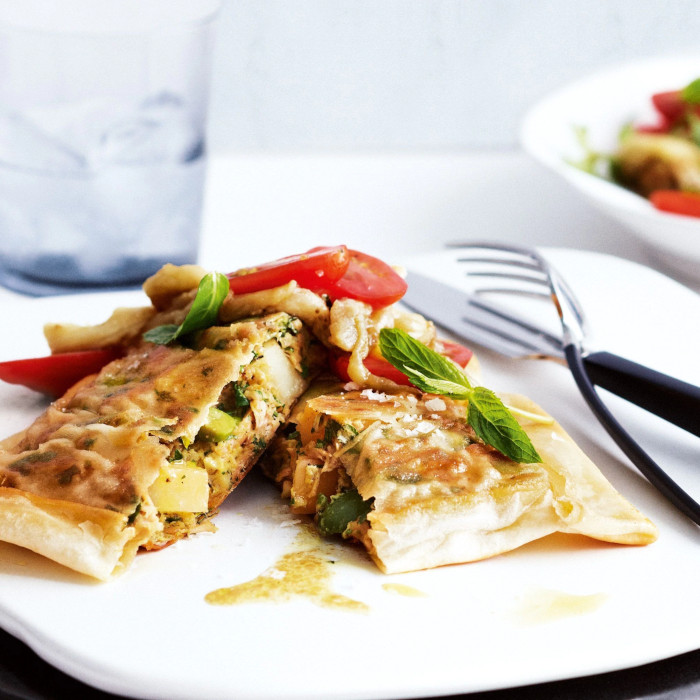
Heat 2 tsp of the oil in a large saucepan and cook the spring onions over a low heat for 3 minutes or until beginning to soften. Add the spinach, cover with a tight-fitting lid and cook for a further 2–3 minutes or until tender and wilted, stirring once or twice. Tip the mixture into a sieve or colander and leave to drain and cool. Using a saucer as a guide, cut out 24 rounds about 12.5 cm (5 in) in diameter from the filo pastry, cutting 6 rounds from each sheet. Stack the filo rounds in a pile, then cover with cling film to prevent them from drying out. When the spinach mixture is cool, squeeze out as much excess liquid as possible, then transfer to a bowl. Add the tuna, eggs, hot pepper sauce, and salt and pepper to taste. Mix well. Preheat the oven to 200°C (400°F, gas mark 6). Take one filo round and very lightly brush with some of the remaining oil. Top with a second round and brush with a little oil, then place a third round on top and brush with oil. Place a heaped tbsp of the filling in the middle of the round, then fold the pastry over to make a half-moon shape. Fold in the edges, twisting them to seal, and place on a non-stick baking sheet. Repeat with the remaining pastry and filling to make 8 briks in all. Lightly brush the briks with the remaining oil. Bake for 12–15 minutes or until the pastry is crisp and golden brown. Meanwhile, combine the tomatoes and cucumber in a bowl and sprinkle with the lemon juice and seasoning to taste. Serve the briks hot with this salad and the chutney.
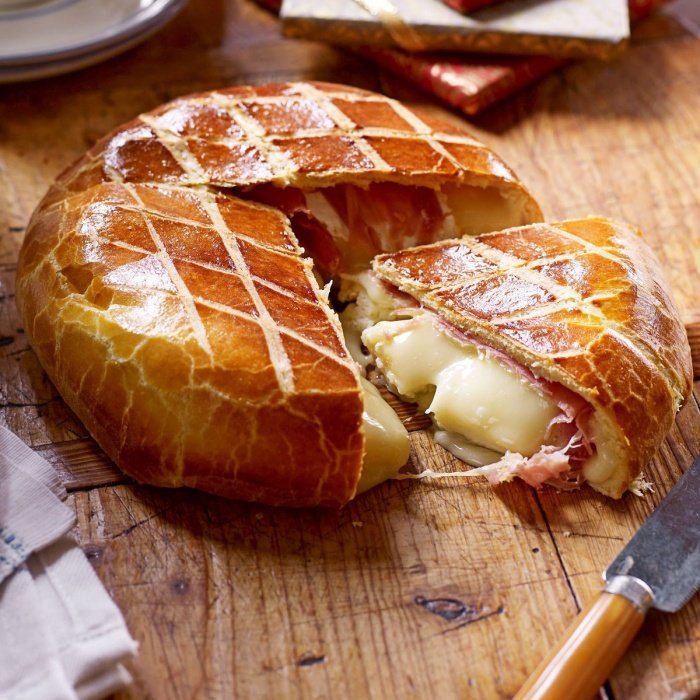
Mix the flour, 1 tsp salt, caster sugar, yeast, milk and eggs together in a mixer using the dough attachment for 5 mins until the dough is smooth. Add the butter and mix for a further 4 mins on medium speed. Scrape the dough bowl and mix again for 1 min. Place the dough in a container, cover with cling film and leave in the fridge for at least 6 hrs before using. Wrap the Brie in the prosciutto and set aside. Turn out the dough onto a lightly floured surface. Roll into a 25cm circle. Place the wrapped Brie in the middle of the circle and fold the edges in neatly. Put the parcel onto a baking tray lined with baking parchment and brush with beaten egg. Chill in the fridge for 30 mins, then brush again with beaten egg and chill for a further 30 mins. Leave to rise for 1 hr at room temperature. Heat oven to 200C/180C fan/gas 6, then bake for 22 mins. Serve warm.
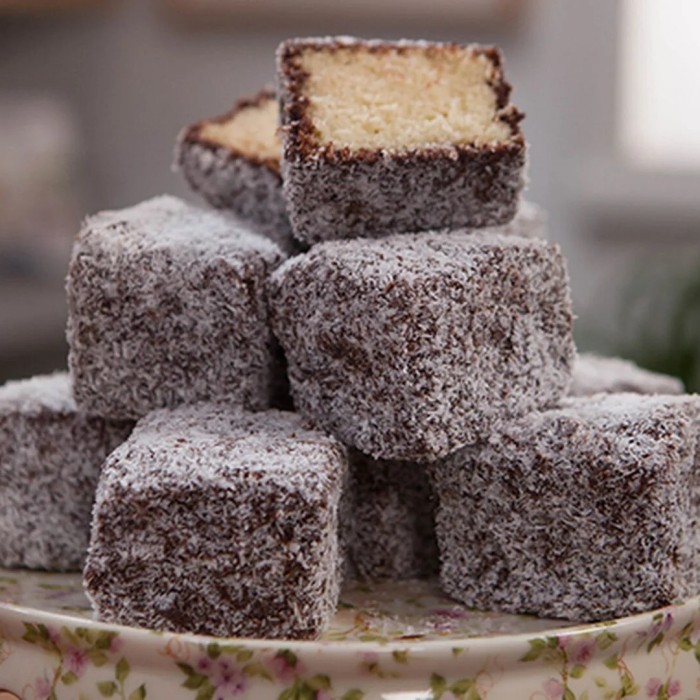
step 1 Heat the oven to 200C/180C fan/gas 6. Butter and line a 20 x 30cm rectangle tin. step 2 Beat the butter and sugar in a free-standing mixer until pale and fluffy. Add the eggs one at a time and beat well. Beat through the flour, milk and salt until fully combined, then spoon into the tin. Bake in the oven for 25 mins or until golden and firm to the touch. Set aside to cool completely. step 3 Slice the sponge horizontally to create two halves. Trim the edges to make perfect corners. Cut the sponge into 18 squares. Lightly whip the cream with the icing sugar until it reaches soft peaks. Spread a little of the jam on half of the sponge squares then pipe or spread over a little of the cream. Sandwich each one with a second square of sponge then set aside in the fridge to chill. step 4 To make the icing, whisk together the melted butter and milk in a bowl. Sieve the cocoa powder and icing sugar together in a seperate bowl. Gradually add the cocoa and sugar to the butter and milk mixture, whisking continuously to ensure there are no lumps. If it gets lumpy, whizz with a hand blender until smooth. step 5 Divide the coconut between three shallow bowls (this keeps it from getting coated in too much chocolate whilst you’re dipping). step 6 Dip each lamington in the icing until completely covered. Roll in the coconut and set on a wire rack. Repeat with the remaining sponges. Chill for a minimum of 1 hr.
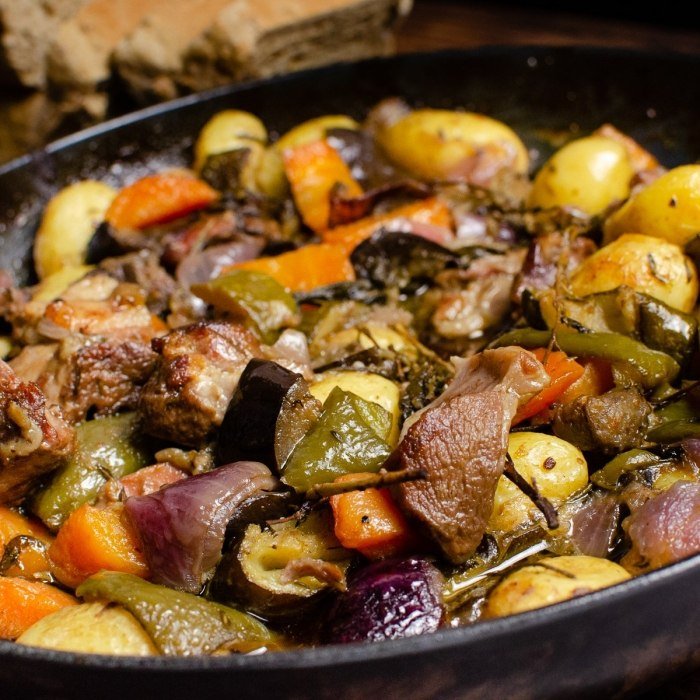
Preheat oven to 200°C fan / 220°C / 425°F / Gas mark 7 If you have not bought diced lamb, cut your lamb shoulder or leg into large chunks and place to one side. Chunks of chopped lamb of a red chopping board Make oil marinade - Mix 80ml of olive oil in a bowl with garlic puree, sundried tomato puree ,black pepper and salt. olive oil, gia sundried tomato puree and gia garlic puree and black pepper mixed together in a silver bowl to make Croatian peka Add potatoes and vegetables into a large lidded casserole dish. Chopped up vegetables which consist of chopped up red onion, courgette, potatoes red peppers in a cast iron pan Place diced lamb on top of the vegetables, pour the marinade and wine over the top. Chunks of lamb covered in in a sundried tomato oil sauce which is on top of chopped red onion, aubergine, courgette and potatoes in a cast iron pan Add the rosemary, thyme and sage, trying to keep the herbs on top. So you can easily remove the herb stalks once cooked. Chunks of lamb coated in a sundried tomato oil sauce and covered with thyme, rosemary and sage which is on top of chopped red onion, aubergine, courgette and potatoes in a cast iron pan Place lid on the casserole dish and cook for 1hr 30 minute If you do not have a lid cover very well with kitchen foil Cast iron dish with lid on in the oven Take the lid off, remove any thick herb stems. Stir in 2 tbsp of olive oil. Cook for a further 20-30 mins. Cooked Croatian Lamb Peka in a cast iron pan in the oven Serve with fresh homemade bread to dip into the juices.
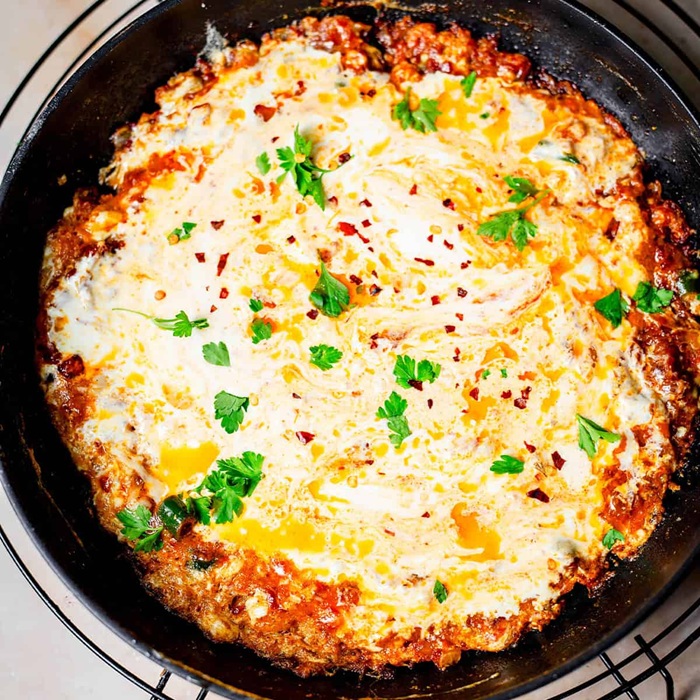
1 First, On medium heat, heat the olive oil and add the diced onion until it wethers. Next, add the tomatoes and cook for another 4-5 min. Lastly, add the all spice, salt, and cracked pepper. 2 Add the eggs and mix throughly for 2 minutes and cover to cook 5-6 minutes until top is solidified. Lastly, spread the liquid cheese and have it covered for a minute. 3 I served mine Mediterranean style with hash-browns, Egyptian fava beans, Turkish salami and olives, cheese wedges, and greek feta.
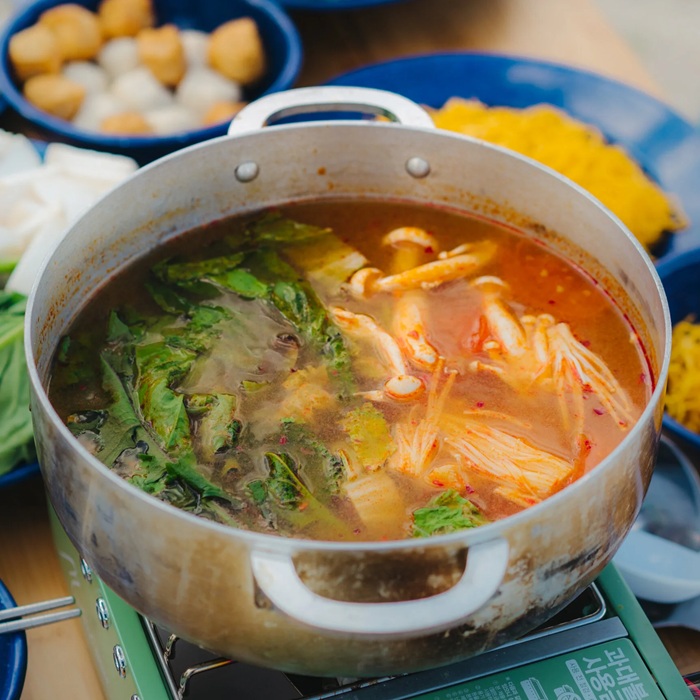
step 1 Heat the oil in a medium-size, lidded saucepan. Add the ginger and garlic, then stir-fry for about 5 mins. Add the squash, soy sauce, sugar and stock. Cover, then simmer for 10 mins. Remove the lid, add the green beans, then cook for 3 mins more until the squash and beans are tender. Stir the spring onions through at the last minute, then sprinkle with coriander and serve with rice.

step 1 Heat the oil in a large frying pan. Fry the onion and half the chilli for 5 mins until softened. Tip in the spices, fry for 1 min more, then add the cherry tomatoes, potatoes and coriander stalks to the pan. Season the eggs well, pour over the top of the veg and leave to cook gently for 8-10 mins until almost set. step 2 Heat the grill and flash the tortilla underneath for 1-2 mins until the top is set. Scatter the coriander leaves and remaining chilli over the top, slice into wedges and serve with a green salad.

Grill the Chorizos: Cook the chorizos on a grill or pan until fully cooked, about 10-15 minutes. Prepare the Rolls: Slice the rolls and toast them lightly on the grill or in a pan. Assemble: Slice each chorizo lengthwise and place in a roll. Top with a generous amount of chimichurri sauce. Serve: Enjoy immediately while hot. Pro Tips: Grill the chorizo slowly on medium heat to prevent the skin from bursting and to ensure it cooks evenly throughout. Toast the bread on the grill to absorb some of the chorizo's flavors.

step 1 Heat the oil in your largest pan, add the onion and fry for 3 mins to soften. Add the chicken and garlic, and cook until the chicken changes colour. step 2 Add the curry paste, coconut milk, stock, lime leaves and fish sauce, then simmer for 12 mins. Add the chopped onion tops, green beans and bamboo shoots and cook for 4-6 mins, until the beans are just tender. step 3 Meanwhile, put the lime juice and basil in a narrow jug and blitz with a hand blender to make a smooth green paste. Pour into the soup with the sliced spring onion and heat through. Serve with lime wedges for a light lunch or supper or as a make-ahead starter.
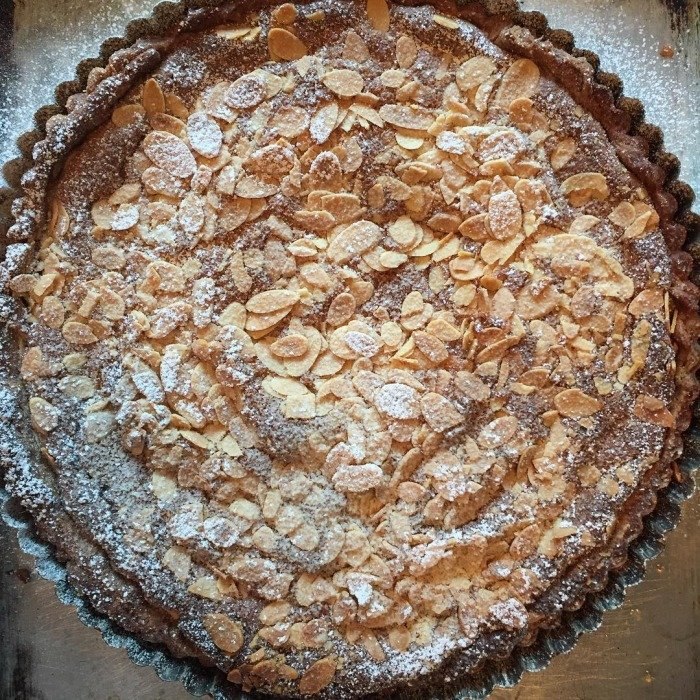
To make the pastry, measure the flour into a bowl and rub in the butter with your fingertips until the mixture resembles fine breadcrumbs. Add the water, mixing to form a soft dough. Roll out the dough on a lightly floured work surface and use to line a 20cm/8in flan tin. Leave in the fridge to chill for 30 minutes. Preheat the oven to 200C/400F/Gas 6 (180C fan). Line the pastry case with foil and fill with baking beans. Bake blind for about 15 minutes, then remove the beans and foil and cook for a further five minutes to dry out the base. For the filing, spread the base of the flan generously with raspberry jam. Melt the butter in a pan, take off the heat and then stir in the sugar. Add ground almonds, egg and almond extract. Pour into the flan tin and sprinkle over the flaked almonds. Bake for about 35 minutes. If the almonds seem to be browning too quickly, cover the tart loosely with foil to prevent them burning.
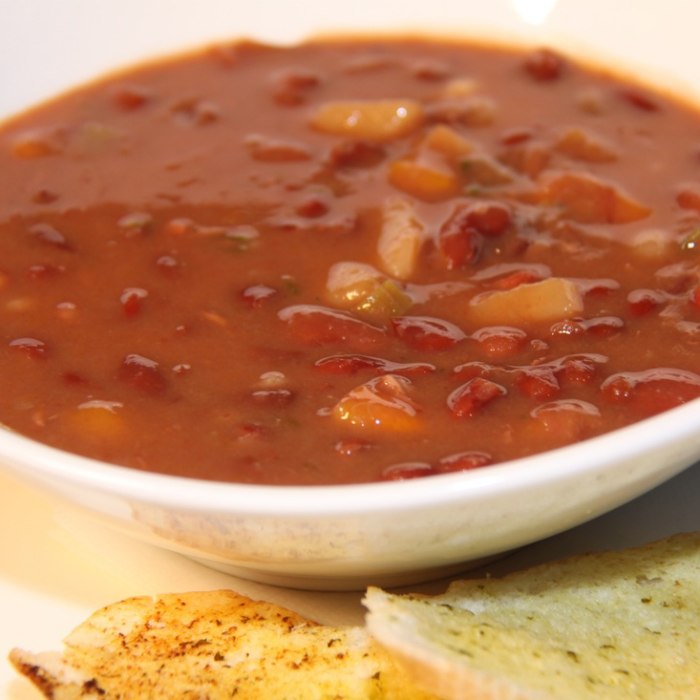
Wash and rinse the dried kidney beans.. then cover with water in a deep bowl. Remember as they soak they will expand to at least triple the size they were originally so add a lot of water to the bowl. Soak them overnight or for at least 2 hrs to make the cooking step go quicker. I tossed out the water they were soaked in after it did the job. Have your butcher cut the salted pigtail into 2 inch pieces as it will be very difficult to cut with an ordinary kitchen knife. Wash, then place a deep pot with water and bring to a boil. Cook for 20 minutes, then drain + rinse and repeat (boil again in water). The goal is to make the pieces of pig tails tender and to remove most of the salt it was cured in. Time to start the soup. Place everything in the pot (except the flour and potato), then cover with water and place on a high flame to bring to a boil. As it comes to a boil, skim off any scum/froth at the top and discard. Reduce the heat to a gentle boil and allow it to cook for 1 hr and 15 mins.. basically until the beans are tender and start falling apart. It’s now time to add the potato (and Yams etc if you’re adding it) as well as the coconut milk and continue cooking for 15 minutes. Now is a good time to start making the basic dough for the spinner dumplings. Mix the flour and water (add a pinch of salt if you want) until you have a soft/smooth dough. allow it to rest for 5 minutes, then pinch of a tablespoon at a time and roll between your hands to form a cigarette shape. Add them to the pot, stir well and continue cooking for another 15 minutes on a rolling boil. You’ll notice that I didn’t add any salt to the pot as the remaining salt from the salted pigtails will be enough to properly season this dish. However you can taste and adjust accordingly. Lets recap the timing part of things so you’re not confused. Cook the base of the soup for 1 hr and 15 minute or until tender, then add the potatoes and cook for 15 minutes, then add the dumplings and co
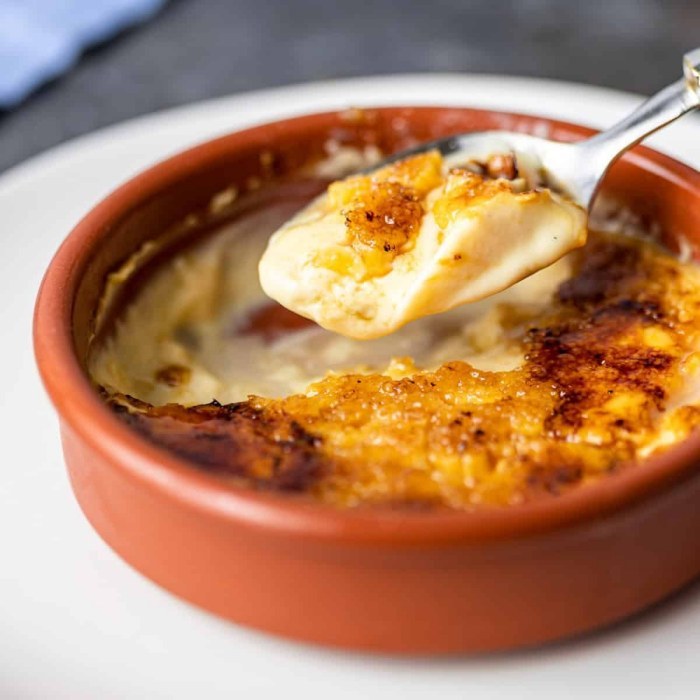
step 1 Put the milk, cream, cinnamon stick and all the citrus zest in a saucepan set over a medium heat. Cook, stirring often, until the milk is just steaming but not boiling, about 3-5 mins. Remove from the heat, cover with a plate and leave to infuse for at least 30 mins. step 2 When the cream mixture has infused, whisk the egg yolks, sugar and cornflour together in a separate bowl for 3-5 mins, or until light and pale in colour. Pour the infused milk through a sieve into the egg mixture, whisking continuously. Return the mixture to the saucepan. step 3 Put the saucepan over a medium-high heat and whisk for around 10-12 mins. The mixture should start thickening to a custard-like consistency – you can tell it’s ready by dipping a wooden spoon in the mixture, then running a finger through the mixture on the back of the spoon. If the line holds, it's ready. Sieve the mixture into a jug to remove any froth. step 4 Divide the custard between six 150ml ramekins or small terracotta dishes, then leave to cool for 1 hr at room temperature until set with a slight wobble. Chill overnight. step 5 Just before serving, sprinkle 1 tbsp caster sugar over the top of each ramekin and caramelise using a kitchen blowtorch. Alternatively, slide the ramekins under a hot grill until the sugar turns golden and starts to bubble. Serve straightaway.
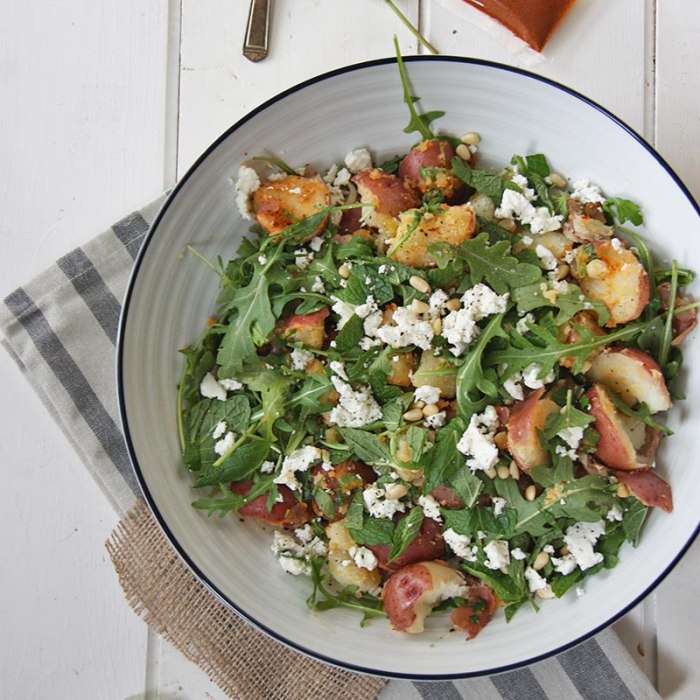
Cook potatoes - place potatoes in a pot of cold water, and bring to the boil. Boil 20 minutes, or until potatoes are tender. You know they are cooked when you can stick a knife in them and the knife goes straight through. Combine harissa spice, olive oil, salt and pepper and lemon juice in a small bowl and whisk until combined. Once potatoes are cooked, drain water and roughly chop potatoes in half. Add harissa mix and spring onions/green onions to potatoes and stir. In a large salad bowl, lay out arugula/rocket. Top with potato mix and toss. Add fetta, mint and sprinkle over pine nuts. Adjust salt and pepper to taste.