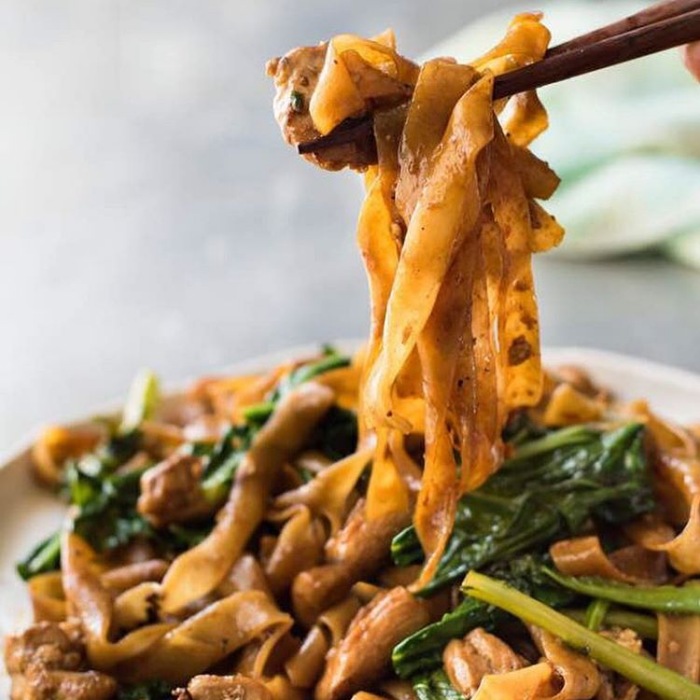
Mix Sauce in small bowl. Mince garlic into wok with oil. Place over high heat, when hot, add chicken and Chinese broccoli stems, cook until chicken is light golden. Push to the side of the wok, crack egg in and scramble. Don't worry if it sticks to the bottom of the wok - it will char and which adds authentic flavour. Add noodles, Chinese broccoli leaves and sauce. Gently mix together until the noodles are stained dark and leaves are wilted. Serve immediately!

Place all the ingredients in the glass and beat. Let the mixture stand for 10 minutes. Grease a hot frying pan with a little butter and pour a little of the mixture. When it starts to bubble on the surface, turn over with a spatula. Cook over medium-low heat so that they do not burn. Finally, add the caramel and strawberries.

This is one recipe a lot of people have requested and I have tried to make it as simple as possible and I hope it will work for you. Make sure you use the right flour which is basically one with raising agents. Adjust the amount of sugar to your taste and try using different flavours to have variety whenever you have them. You can use Coconut milk instead of regular milk, you can also add desiccated coconut to the dry flour or other spices like powdered cloves or cinnamon. For “healthy looking” mandazis do not roll the dough too thin before frying and use the procedure I have indicated above. 1. Mix the flour,cinnamon and sugar in a suitable bowl. 2. In a separate bowl whisk the egg into the milk 3. Make a well at the centre of the flour and add the milk and egg mixture and slowly mix to form a dough. 4. Knead the dough for 3-4 minutes or until it stops sticking to the sides of the bowl and you have a smooth surface. 5. Cover the dough with a damp cloth and allow to rest for 15 minutes. 6. Roll the dough on a lightly floured surface into a 1cm thick piece. 7. Using a sharp small knife, cut the dough into the desired size setting aside ready for deep frying. 8. Heat your oil in a suitable pot and gently dip the mandazi pieces to cook until light brown on the first side then turn to cook on the second side. 9. Serve them warm or cold

step 1 Tip all the ingredients into a large bowl, add 1-1½ tsp freshly ground black pepper, then scrunch it all together with your hands for 5 mins. You might want to wear gloves to avoid staining your skin with the beetroot juices. step 2 Press the veg down in the bowl with your hands, then cover the surface and up the side of the bowl with a large sheet of compostable cling film or something reusable like a beeswax wrap. Now place another similar-sized bowl on top. Press down hard and add anything heavy (packs of rice or cans work well) to weigh it down so the juices rise to cover the surface. Cover again. step 3 Leave to ferment at room temperature for at least five days, but for maximum flavour, leave for one-five weeks (until the bubbling subsides). step 4 Check the sauerkraut. After a few days, you will see bubbles that have built up as it ferments. Give it a stir, then cover and weigh it down again as before. The cabbage will become increasingly sour the longer it’s fermented, so taste it now and again. When you like the flavour, transfer it to sterilised jars and keep chilled. Will keep chilled for up to six months.
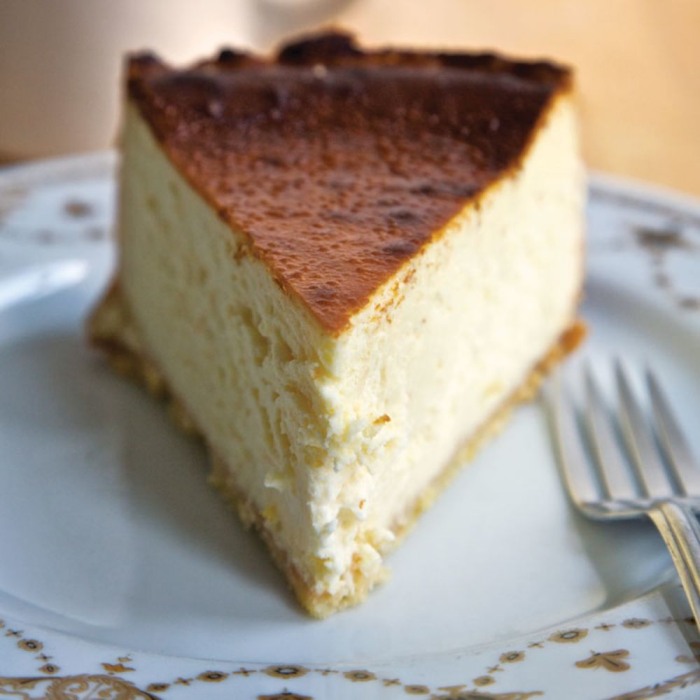
Position an oven shelf in the middle of the oven. Preheat the oven to fan 160C/conventional 180C/gas 4. Line the base of a 23cm springform cake tin with parchment paper. For the crust, melt the butter in a medium pan. Stir in the biscuit crumbs and sugar so the mixture is evenly moistened. Press the mixture into the bottom of the pan and bake for 10 minutes. Cool on a wire rack while preparing the filling. For the filling, increase the oven temperature to fan 200C/conventional 240C/gas 9. In a table top mixer fitted with the paddle attachment, beat the soft cheese at medium-low speed until creamy, about 2 minutes. With the mixer on low, gradually add the sugar, then the flour and a pinch of salt, scraping down the sides of the bowl and the paddle twice. Swap the paddle attachment for the whisk. Continue by adding the vanilla, lemon zest and juice. Whisk in the eggs and yolk, one at a time, scraping the bowl and whisk at least twice. Stir the 284ml carton of soured cream until smooth, then measure 200ml/7fl oz (just over 3⁄4 of the carton). Continue on low speed as you add the measured soured cream (reserve the rest). Whisk to blend, but don't over-beat. The batter should be smooth, light and somewhat airy. Brush the sides of the springform tin with melted butter and put on a baking sheet. Pour in the filling - if there are any lumps, sink them using a knife - the top should be as smooth as possible. Bake for 10 minutes. Reduce oven temperature to fan 90C/conventional 110C/gas 1⁄4 and bake for 25 minutes more. If you gently shake the tin, the filling should have a slight wobble. Turn off the oven and open the oven door for a cheesecake that's creamy in the centre, or leave it closed if you prefer a drier texture. Let cool in the oven for 2 hours. The cheesecake may get a slight crack on top as it cools. Combine the reserved soured cream with the 142ml carton, the sugar and lemon juice for the topping. Spread over the cheesecake right to the edges. Cover loosely w
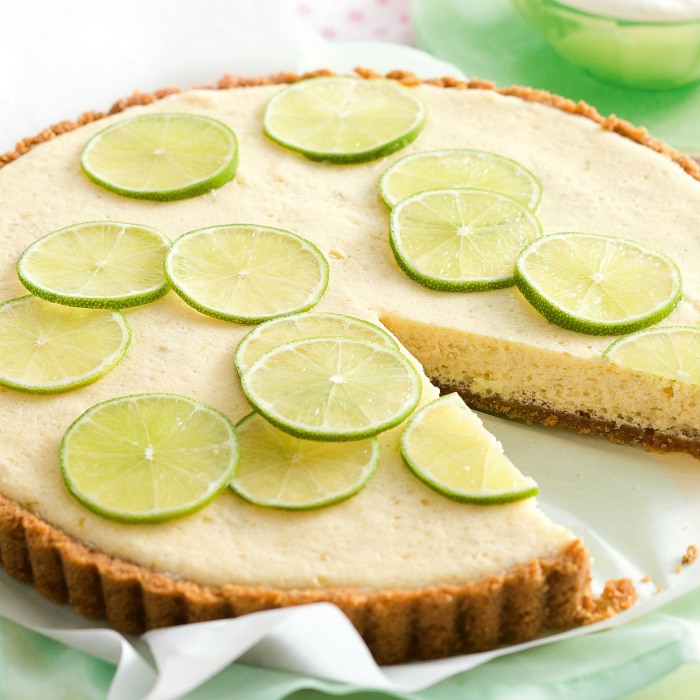
Heat the oven to 160C/fan 140C/gas 3. Whizz the biscuits to crumbs in a food processor (or put in a strong plastic bag and bash with a rolling pin). Mix with the melted butter and press into the base and up the sides of a 22cm loose-based tart tin. Bake in the oven for 10 minutes. Remove and cool. Put the egg yolks in a large bowl and whisk for a minute with electric beaters. Add the condensed milk and whisk for 3 minutes then add the zest and juice and whisk again for 3 minutes. Pour the filling into the cooled base then put back in the oven for 15 minutes. Cool then chill for at least 3 hours or overnight if you like. When you are ready to serve, carefully remove the pie from the tin and put on a serving plate. To decorate, softly whip together the cream and icing sugar. Dollop or pipe the cream onto the top of the pie and finish with extra lime zest.
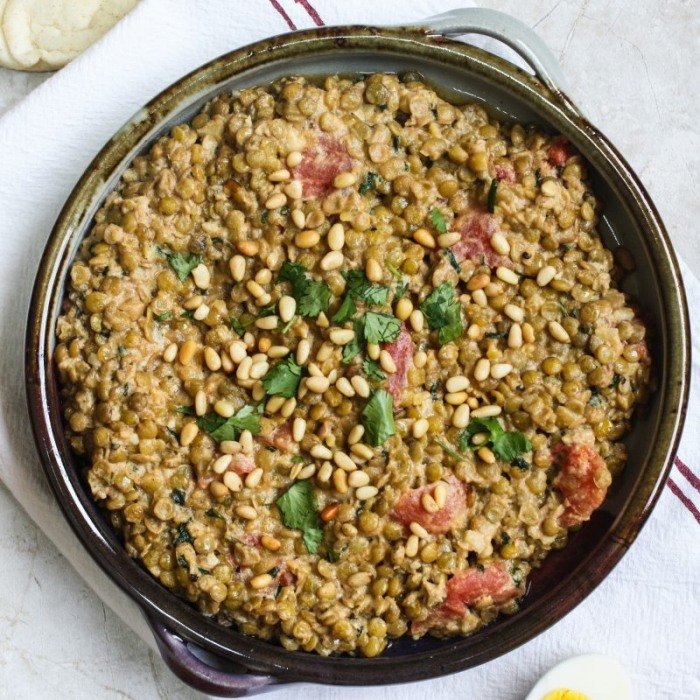
In a jug, mix the tahini with the zest and juice of the lemon and 50ml of cold water to make a runny dressing. Season to taste, then set aside. Heat the oil in a wok or large frying pan over a medium-high heat. Add the red onion, along with a pinch of salt, and fry for 2 mins until starting to soften and colour. Add the garlic, pepper, green beans and courgette and fry for 5 min, stirring frequently. Tip in the kale, lentils and the tahini dressing. Keep the pan on the heat for a couple of mins, stirring everything together until the kale is wilted and it’s all coated in the creamy dressing.
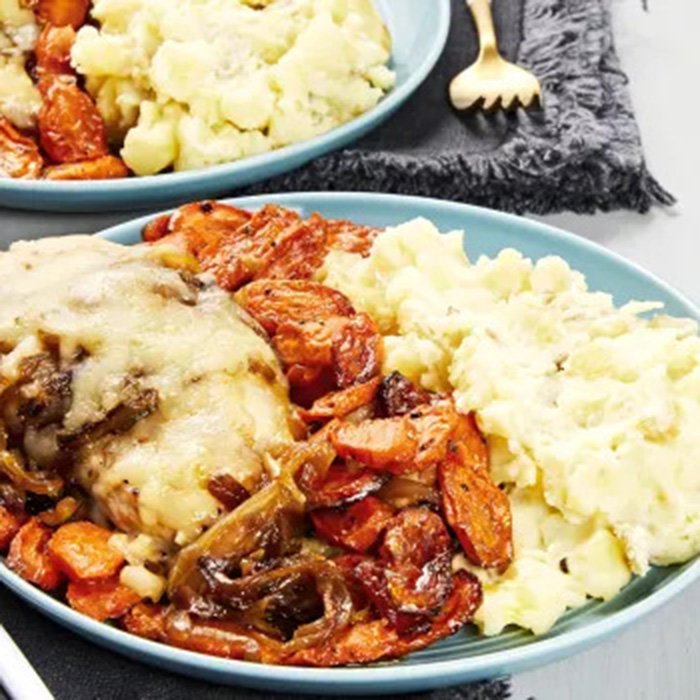
1 Preheat oven to 425 degrees. Wash and dry all produce. Trim, peel, and cut carrots on a diagonal into ¼-inch-thick pieces. Dice potatoes into ½-inch pieces. Halve, peel, and thinly slice onion. 2 Toss carrots on a baking sheet with a drizzle of oil, salt, and pepper. Roast until browned and tender, 15-20 minutes. 3 Meanwhile, place potatoes in a medium pot with enough salted water to cover by 2 inches. Bring to a boil and cook until tender, 12-15 minutes. Drain and return potatoes to pot; cover to keep warm. 4 While potatoes cook, heat a drizzle of oil in a large pan over medium-high heat. Add onion and cook, stirring occasionally, until lightly browned and softened, 8-10 minutes. Sprinkle with 1 tsp sugar (2 tsp for 4 servings). Stir in stock concentrate and 2 TBSP water (¼ cup for 4); season with salt and pepper. Cook until jammy, 2-3 minutes more. Turn off heat; transfer to a small bowl. Wash out pan. 5 Pat chicken dry with paper towels; season all over with salt and pepper. Heat a drizzle of oil in pan used for onion over medium-high heat. Add chicken and cook until browned and cooked through, 5-6 minutes per side. In the last 1-2 minutes of cooking, top with caramelized onion and cheese. Cover pan until cheese melts. (If your pan doesn’t have a lid, cover with a baking sheet!) 6 Heat pot with drained potatoes over low heat; mash with sour cream, 2 TBSP butter (4 TBSP for 4 servings), salt, pepper, and a splash of water (or milk, for extra richness) until smooth. Divide chicken, roasted carrots, and mashed potatoes between plates.

step 1 Heat oven to 200C/fan 180C/gas 6. Boil the potatoes for 15-20 mins until tender. Drain, return to the pan, then mash with some seasoning and 2 tsp of the paprika. step 2 Meanwhile, heat the oil in a large pan, then fry the onions and garlic for a few mins until softened. Stir in the remaining paprika for 1 min, add the tomatoes , then, bring to a simmer. Tip into a large ovenproof dish, then stir in the chicken, peppers, olives and some seasoning. step 3 Spoon over the mash, then bake for 15 mins until the mash is golden on top and the sauce is bubbling.
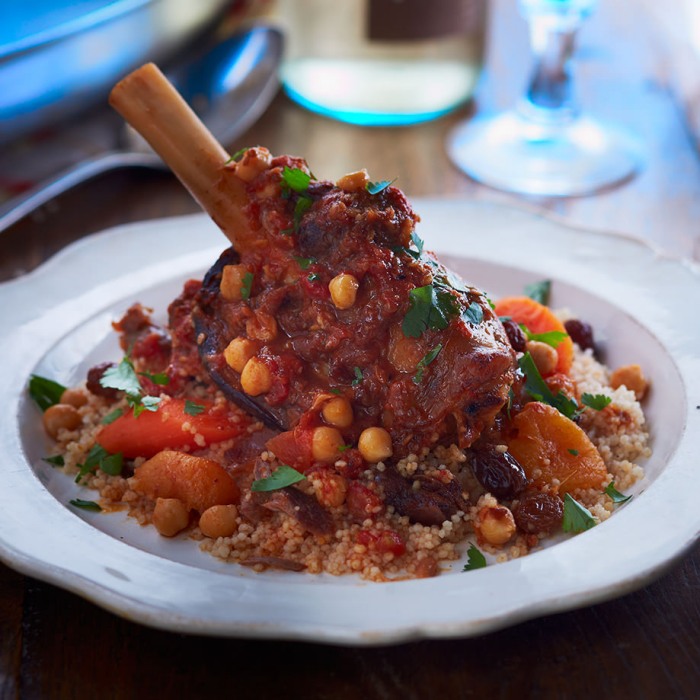
Heat the olive oil in a heavy-based pan and add the onion and carrot. Cook for 3- 4 mins until softened. Add the diced lamb and brown all over. Stir in the garlic and all the spices and cook for a few mins more or until the aromas are released. Add the honey and apricots, crumble in the stock cube and pour over roughly 500ml boiling water or enough to cover the meat. Give it a good stir and bring to the boil. Turn down to a simmer, put the lid on and cook for 1 hour. Remove the lid and cook for a further 30 mins, then stir in the squash. Cook for 20 – 30 mins more until the squash is soft and the lamb is tender. Serve alongside rice or couscous and sprinkle with parsley and pine nuts, if using.
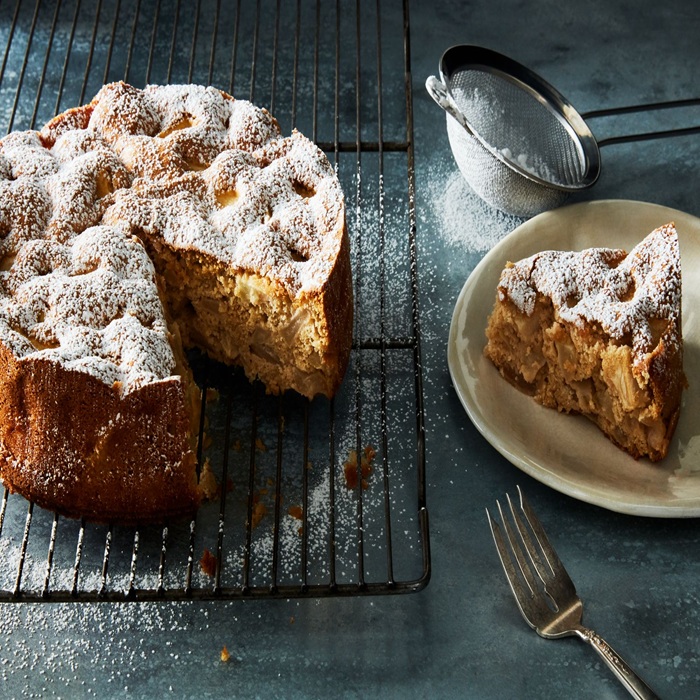
Preheat the oven to 180°C. (350˚F) Grease a cake pan and line it with baking paper. In a large bowl, break the four eggs with the sugar and beat until they have tripled in volume and become fluffy. Sift the self-rising baking flour and add it to your egg mixture. Fold this over, preserving as much air as possible. Add the melted (and slightly cooled) butter and mix until combined. Add cinnamon, pinch of salt and vanilla extract. Add the diced apple to the batter and gently fold them into the batter so that the apple pieces are evenly distributed. You can roll the apple pieces through some more cinnamon. Pour the batter into the prepared cake pan and smooth the top with a spatula. Place the apple slices on top of the batter and press lightly. Sprinkle optionally with some almond shavings. Bake the apple cake in the preheated oven for about 45-50 minutes, or until a wooden skewer comes out clean when inserted into the center of the cake. Remove the cake from the oven and let it cool in the mold for a few minutes. Then carefully remove the cake from the mold and let cool completely on a wire rack. Sprinkle the cooled apple cake with powdered sugar
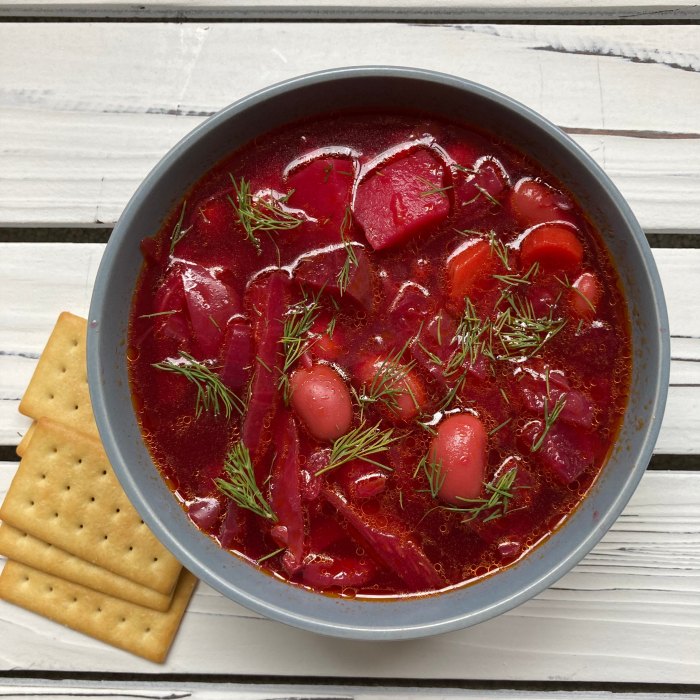
Chop the beetroot, add water and stock cube and cook for 15mins. Add the other ingredients and boil until soft. Finally add the beans and cook for 5mins. Serve in the soup pot.
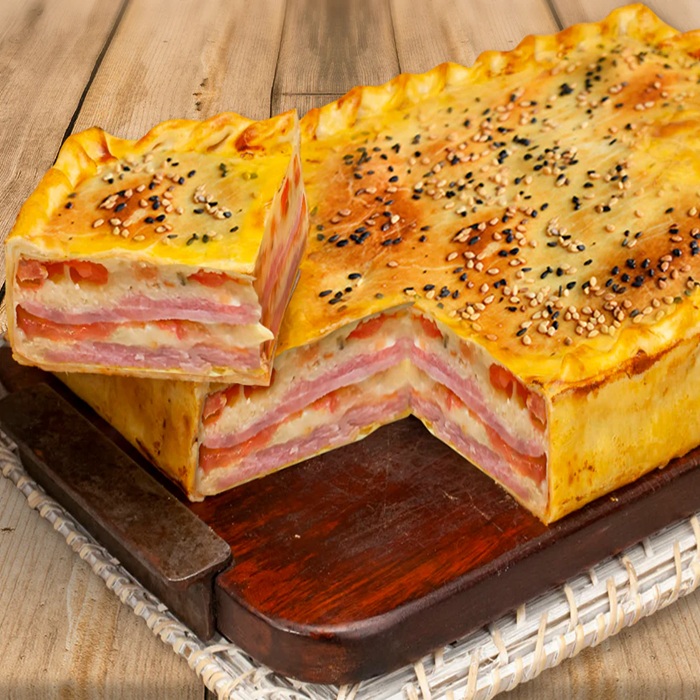
Line the bottom of a springform of 20-2cm (8-9inches) with parchment paper, I usually leave some overhang as the batter is very liquid and may spill a bit. Preheat oven to 220 degrees Celsius. 2 Grate the cheese and take out the ham. 3 Mix all remaining ingredients in a large bowl for about one to two minutes. 4 Pour half the batter into the prepared pan, it is going to be very liquid. Then place ham and cheese on top and pour the remaining batter on top. 5 Bake for about 20-25 minutes or until top is golden. Wait for a few minutes before releasing from the pan and enjoy either hot or cold with some fresh herbs.
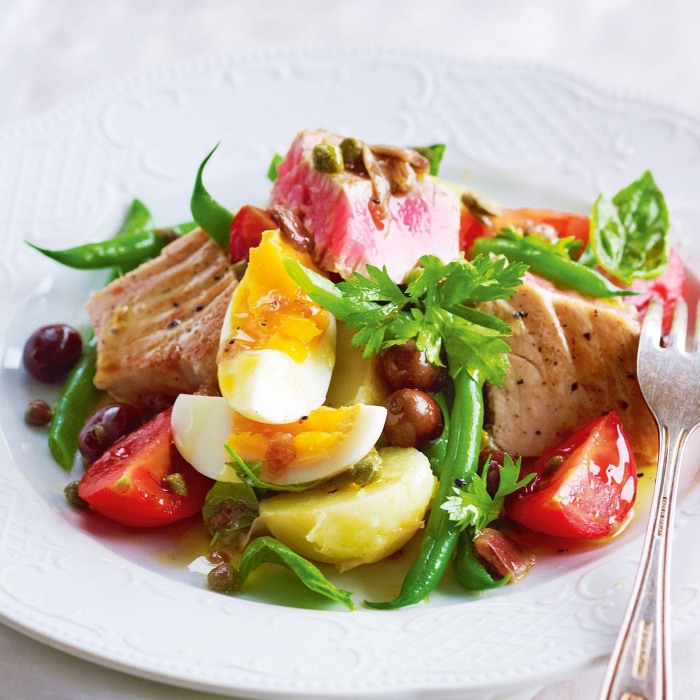
Heat oven to 200C/fan 180C/gas 6. Toss the potatoes with 2 tsp oil and some seasoning. Tip onto a large baking tray, then roast for 20 mins, stirring halfway, until crisp, golden and cooked through. Meanwhile, put eggs in a small pan of water, bring to the boil, then simmer for 8-10 mins, depending on how you like them cooked. Plunge into a bowl of cold water to cool for a few mins. Peel away the shells, then cut into halves. In a large salad bowl, whisk together the remaining oil, red wine vinegar, capers and chopped tomatoes. Season, tip in the onion, spinach, tuna and potatoes, then gently toss together. Top with the eggs, then serve straight away.
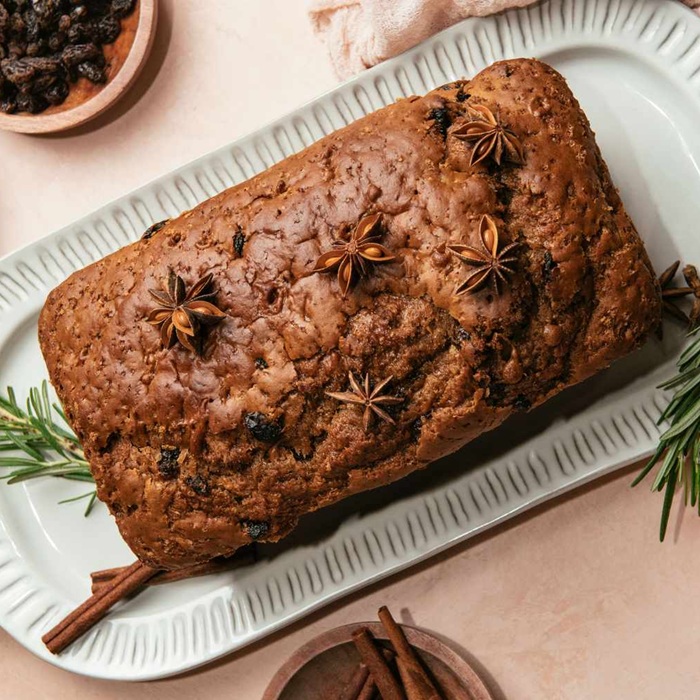
Soak the craisins, raisins, and cherries in the 1 cup of beer. Set aside and allow to soak for 30 minutes. Preheat the oven to 325 degrees Fahrenheit. Grease an 8x4 loaf pan. Set aside. Combine all-purpose flour, baking powder, ground cinnamon, salt, in a large bowl and set aside. In another bowl, combine brown sugar, egg, milk, honey, melted butter, molasses, browning, vanilla extract, and the beer that’s soaking the fruit. Do not pour the fruit in at this time, just the beer. Mix to combine. Remove 2 tablespoon of flour from the flour mixture and toss the fruit in it. Set aside. Make a well in the middle of the bowl of dry ingredients and pour in wet mixture, stirring until fully combined. And the fruits to the mixture and stir until incpororated. Pour mixture into prepared loaf pan and bake in the preheated oven for 50-60 minutes or until a toothpick comes out clean. Cool for 5 minutes in the pan and then move to a cooling rack to finish cooling. Serve with slices of cheddar cheese.
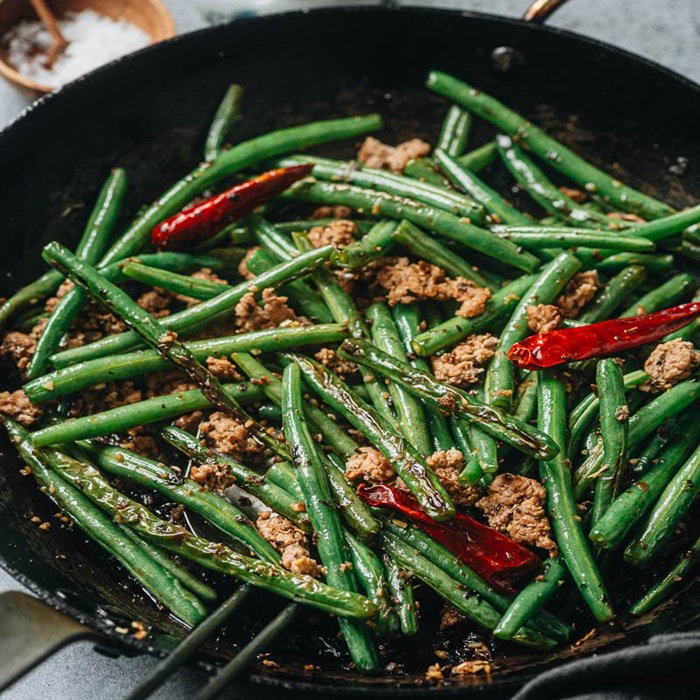
Chinese long beans can be found in both green and purple varieties. Both have similar flavors and textures, and either kind can be used for this recipe. If you don't have a wok, use a sturdy, large sauté pan that has at least a two-inch lip.
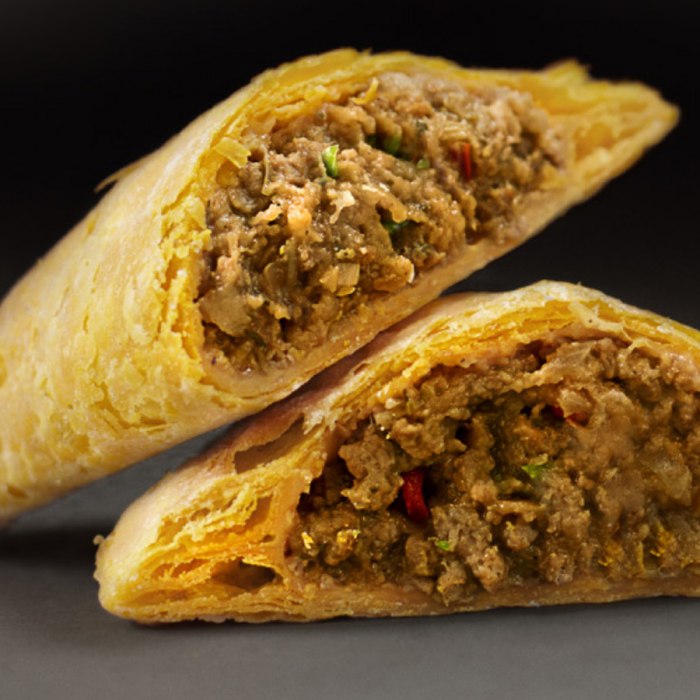
Make the Pastry Dough To a large bowl, add flour, 1 teaspoon salt, and turmeric and mix thoroughly. Rub shortening into flour until there are small pieces of shortening completely covered with flour. Pour in 1/2 cup of the ice water and mix with your hands to bring the dough together. Keep adding ice water 2 to 3 tablespoons at a time until the mixture forms a dough. At this stage, you can cut the dough into 2 large pieces, wrap in plastic and refrigerate for 30 minutes before using it. Alternatively, cut the dough into 10 to 12 equal pieces, place on a platter or baking sheet, cover securely with plastic wrap and let chill for 30 minutes while you make the filling. Make the Filling Add ground beef to a large bowl. Sprinkle in allspice and black pepper. Mix together and set aside. Heat oil in a skillet until hot. Add onions and sauté until translucent. Add hot pepper, garlic and thyme and continue to sauté for another minute. Add 1/4 teaspoon salt. Add seasoned ground beef and toss to mix, breaking up any clumps, and let cook until the meat is no longer pink. Add ketchup and more salt to taste. Pour in 2 cups of water and stir. Bring the mixture to a boil then reduce heat and let simmer until most of the liquid has evaporated and whatever is remaining has reduced to a thick sauce. Fold in green onions. Remove from heat and let cool completely. Assemble the Patties Beat the egg and water together to make an egg wash. Set aside. Now you can prepare the dough in two ways. First Method: Flour the work surface and rolling pin. If you had cut it into 2 large pieces, then take one of the large pieces and roll it out into a very large circle. Take a bowl with a wide rim (about 5 inches) and cut out three circles. Place about 3 heaping tablespoons of the filling onto 1/2 of each circle. Dip a finger into the water and moisten the edges of the pastry. Fold over the other half and press to seal. Take a fork and crimp the edges. Cut off any extra t
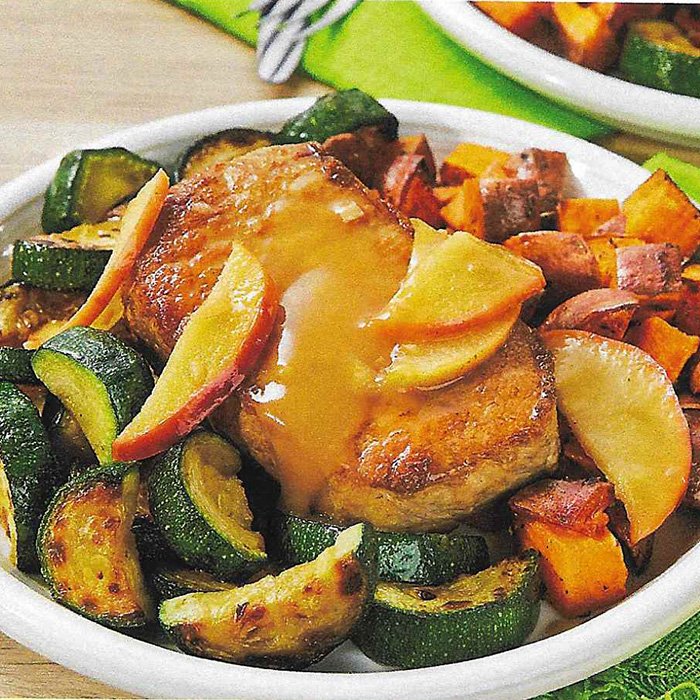
Serves 2 1. Adjust racks to top and middle positions and preheat oven to 450 degrees. Wash and dry all produce. Dice sweet potatoes into 1/2-inch pieces. Toss on a baking sheet with a drizzle of oil, salt, and pepper. Roast on top rack for 12 minutes (we'll roast the zucchini then). 2. Meanwhile, halve and core apple; thinly slice into half-moons. Peel and finely chop garlic. Quarter lemon. Trim and halve zucchini lengthwise; cut crosswise into 1/2-inch-thick half-moons. Toss on a second baking sheet with a drizzle of oil and a pinch of salt and pepper. Set aside. 3. Pat pork dry with paper towels and season all over with salt and pepper. Heat a drizzle of oil in a large pan over medium-high heat. Add pork and cook until browned and cooked through, 4-5 minutes per side. Turn off heat; transfer to a plate. 4. Once sweet potatoes have roasted 12 minutes, transfer baking sheet with zucchini to middle rack and continue roasting until both veggies are browned and softened, 12-15 minutes more. 5. Meanwhile, melt 1 TBSP butter (2 TBSP for 4 servings) in pan used for pork over medium-high heat. Add apple and season with salt and pepper. Cook, scraping up any browned bits from bottom of pan, until apple is slightly softened, 2-3 minutes. Add garlic; cook until fragrant, 30 seconds. Add 1/z cup water (3/4 cup for 4), stock concentrate, and 11/2 tsp sugar (3 tsp for 4). Cook, stirring, until sauce has thickened and apple is very tender, 3-5 minutes. Season with salt and pepper. 6. Remove pan with apple from heat; stir in 1 TBSP butter (2 TBSP for 4 servings) and a squeeze of lemon juice. Divide pork, zucchini, and sweet potatoes between plates. Top pork with glazed apple sauce. Top zucchini with a squeeze of lemon juice.
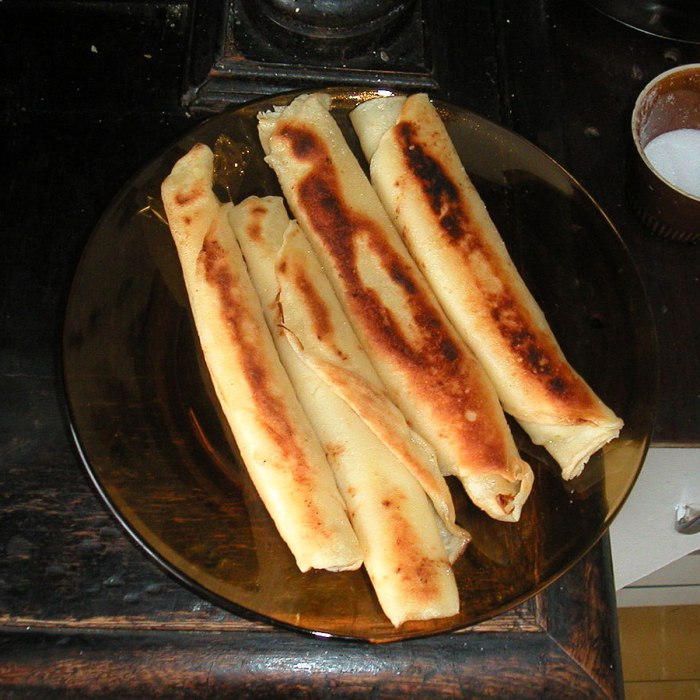
Add flour, eggs, milk, water, and salt in a large bowl then mix with a hand mixer until you have a smooth, lump-free batter. At this point, mix in the butter or the vegetable oil. Alternatively, you can use them to grease the pan before frying each pancake. Heat a non-stick pan over medium heat, then pour in the batter, swirling the pan to help it spread. When the pancake starts pulling away a bit from the sides, and the top is no longer wet, flip it and cook shortly on the other side as well. Transfer to a plate. Cook the remaining batter until all used up. Serve warm, with the filling of your choice.
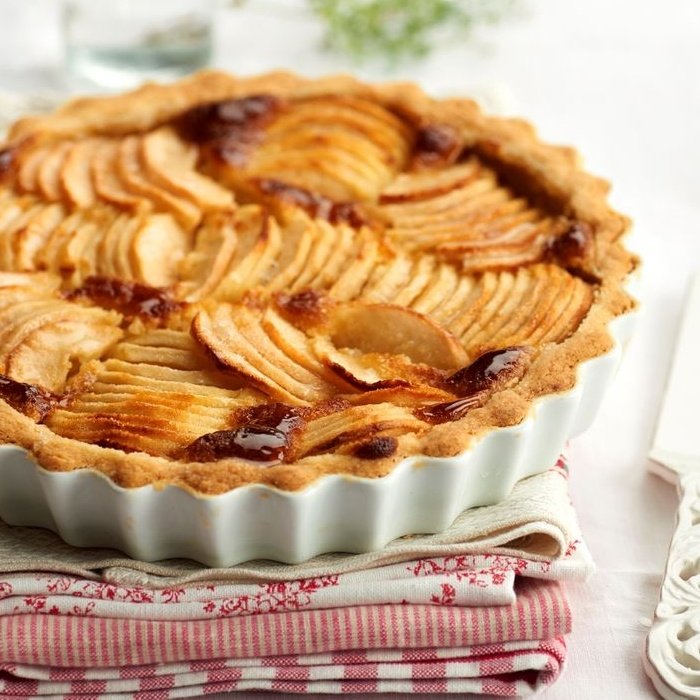
To make the red wine jelly, put the red wine, jam sugar, star anise, clove, cinnamon stick, allspice, split vanilla pod and seeds in a medium saucepan. Stir together, then heat gently to dissolve the sugar. Turn up the heat and boil for 20 mins until reduced and syrupy. Strain into a small, sterilised jam jar and leave to cool completely. Will keep in the fridge for up to 1 month. Take the pastry out of the fridge and leave at room temperature for 10 mins, then unroll. Heat the grill to high and heat the oven to 180C/160C fan/gas 4. Cut out 2 x 13cm circles of pastry, using a plate as a guide, and place on a non-stick baking sheet. Sprinkle each circle with 1 tbsp sugar and grill for 5 mins to caramelise, watching carefully so that the sugar doesn’t burn. Remove from the grill. Can be done a few hours ahead, and left, covered, out of the fridge. Peel, quarter and core the apples, cut into 2mm-thin slices and arrange on top of the pastry. Sprinkle over the remaining sugar and pop in the oven for 20-25 mins until the pastry is cooked through and golden, and the apples are softened. Remove and allow to cool slightly. Warm 3 tbsp of the red wine jelly in a small pan over a low heat with 1 tsp water to make it a little more runny, then brush over the top of the tarts. Tip the crème fraîche into a bowl, sift over the icing sugar and cardamom, and mix together. Carefully lift the warm tarts onto serving plates and serve with the cardamom crème fraîche.
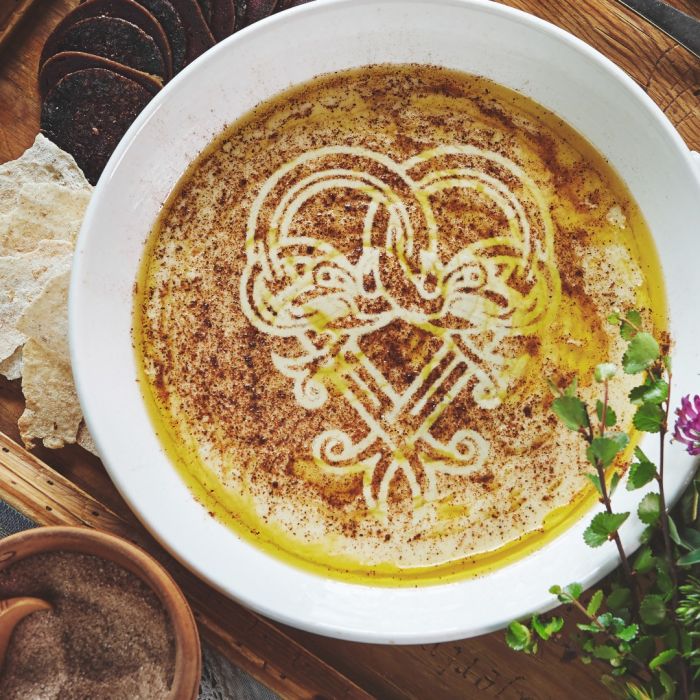
▢ Cook the sour cream in a covered saucepan on medium heat for about 5 minutes. ▢ Turn down the heat and add half of the flour and stir well with a whisk. Once the flour is fully incorporated, let the mixture continue to cook, stirring occasionally, until fat starts to release. Use a spoon to gather as much of the fat as you can in a small bowl, saving for later. (Don't worry if you can't get any fat – in that case you can add butter later.) ▢ Whisk in the rest of the flour and then slowly add the milk, whisking constantly to avoid lumps. Let the porridge continue to cook on low heat for 5 minutes and then add salt. ▢ Serve with sugar, cinnamon, and the fat from the porridge. If you're using lower fat sour cream you can top the rømmegrøt with some butter instead.
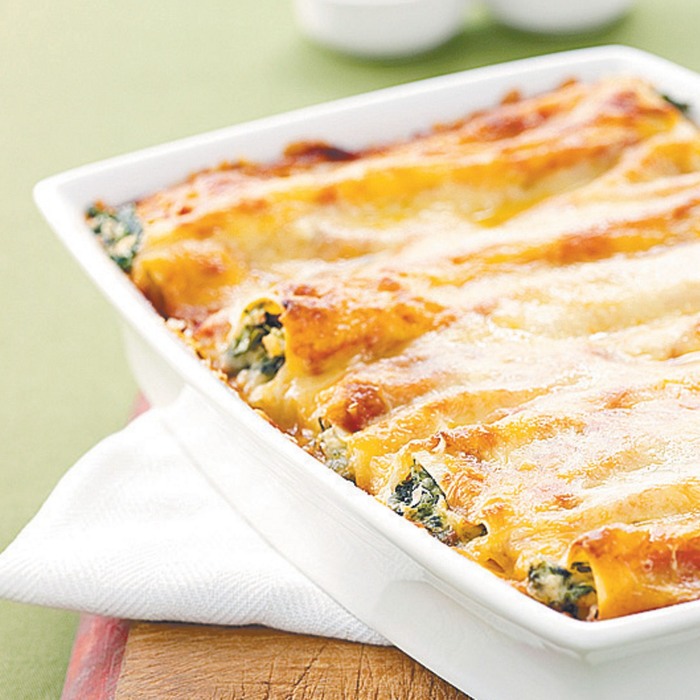
First make the tomato sauce. Heat the oil in a large pan and fry the garlic for 1 min. Add the sugar, vinegar, tomatoes and some seasoning and simmer for 20 mins, stirring occasionally, until thick. Add the basil and divide the sauce between 2 or more shallow ovenproof dishes (see Tips for freezing, below). Set aside. Make a sauce by beating the mascarpone with the milk until smooth, season, then set aside. Put the spinach in a large colander and pour over a kettle of boiling water to wilt it (you may need to do this in batches). When cool enough to handle squeeze out the excess water. Roughly chop the spinach and mix in a large bowl with 100g Parmesan and ricotta. Season well with salt, pepper and the nutmeg. Heat oven to 200C/180C fan/gas 6. Using a piping bag or plastic food bag with the corner snipped off, squeeze the filling into the cannelloni tubes. Lay the tubes, side by side, on top of the tomato sauce and spoon over the mascarpone sauce. Top with Parmesan and mozzarella. You can now freeze the cannelloni, uncooked, or you can cook it first and then freeze. Bake for 30-35 mins until golden and bubbling. Remove from oven and let stand for 5 mins before serving.

step 1 Heat half the oil in a frying pan, and sauté the onion over a medium heat until soft and pale gold – this will take about 8 mins. Remove from the pan, set aside, and add the potatoes to the pan. Cook until they are tender but not falling apart, carefully turning every so often. Cover the pan some of the time to help the slices cook through. Add the onions back to the pan along with the garlic and cook for another 4 mins. Tip into a bowl with the eggs, parsley and some seasoning and mix together. Leave to sit for half an hour. step 2 Meanwhile, put the cod in a saucepan and cover with water. Bring up to a simmer. Remove from the heat, cover and leave for 10 mins. Drain, leave to cool and remove the skin and any bones. Break into large flakes and add to the potato and egg mixture. step 3 Heat the rest of the oil in a non-stick frying pan. Pour in the tortilla mix and cook over a medium-low heat until it is just set and coming away from the sides of the pan. You might need to cover it to help the centre set. Be careful not to overcook it. Put a spatula underneath the tortilla every so often to make sure it isn’t sticking. Slide the tortilla onto a plate, then put the pan on top and flip the tortilla into it, uncooked side-down. Cook over a low heat until golden, or grill until just set. Leave to cool a little before serving.
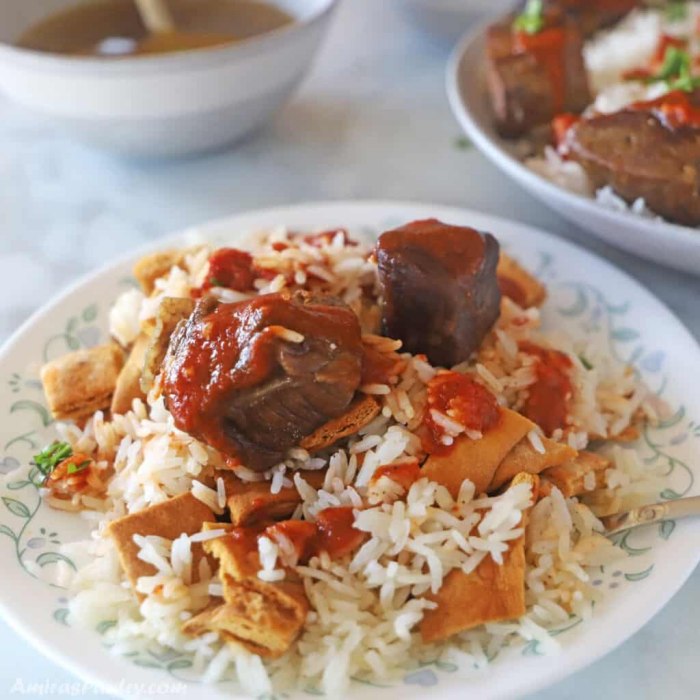
To prepare bread for bottom of dish: Take pita bread and rip into bite size pieces. In a frying pan, add about a 1/4 stick of butter, add bread pieces and fry until golden brown and crisp. Put these pieces in a glass baking dish, preferably a square sized dish. Set aside. Then add to same pan, a little more butter, salt, approximately 2 cloves of crushed fresh garlic, and a teaspoon or so of cumin stir around a bit until you can smell aroma, then add fried bread pieces to this mixture, stir to coat bread and put back into glass baking dish. Set aside. To prepare meat: put some butter in a pot, stir fry meat until brown, add 1 onion quartered, salt & pepper, 1 cube of chicken bouillon and water to cover meat. Bring to a boil, turn down to simmer, cover and cook until tender, approximately 2 hours. After meat has cooled, take out chunks of meat and put in a bowl, set aside. Reserve soup from the meat separately. To prepare the rice: Put some butter into a pot, add shareya (fideo noodles) like a handful or so, keep stirring until golden brown, not too dark, but very golden. Then add two cups of rice, stir a little bit until some of the rice turns an opaque white. Add 2-1/4 cups of water and salt to taste. Bring to a boil, cover and turn down to simmer, cook until tender. Test the rice tenderness after about 35 minutes. Now take some of the soup from meat and add to the top of the bread pieces in baking dish to saturate.Add cooked rice on top of bread pieces. Slowly spoon remainder of soup onto rice, looking at glass dish sides to see level of soup, should reach just to top of rice, don’t worry, this doesn’t have to be exact. Now you’re ready to make the sauce and fry the meat to put on top. To prepare red sauce: In a pan, add a little oil or butter, crushed tomato, a half teaspoon of tomato paste, salt & pepper, 2 cloves of fresh crushed garlic and cumin. Add also approximately 3 tablespoons of vinegar, stir this until you smell aroma and it is a bit smooth. It sh