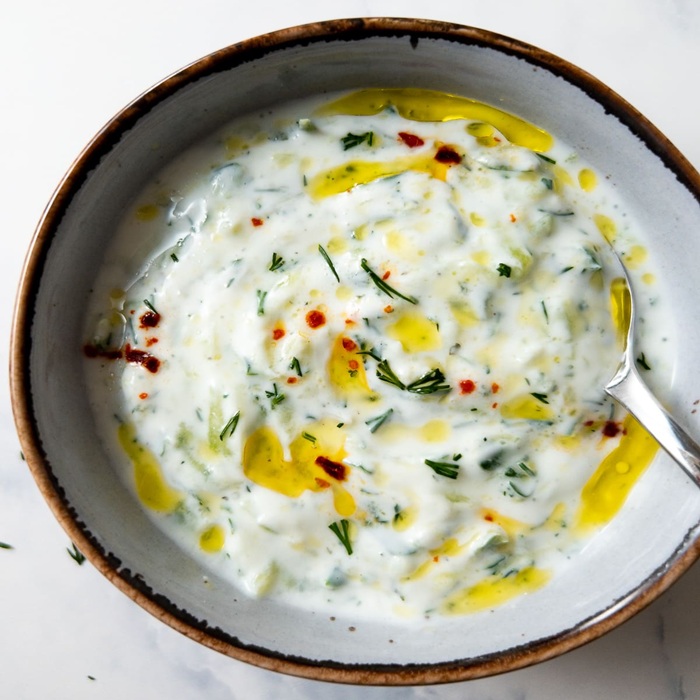
step 1 Put a sieve over a large bowl, line it with a thick sheet of non-dyed kitchen paper or a clean muslin cloth, and spoon in the yogurt. Cover with another sheet of kitchen paper and leave to strain in the fridge for a minimum of 12 hrs. step 2 Add the lemon juice, most of the olive oil and the dried mint to a bowl and stir well for the dried mint to soften and soak up the juices. Mix in the strained yogurt, then pour away the strained yogurt liquid and leave that bowl to one side. step 3 Halve the cucumber(s) lengthways and remove the seeds by running a teaspoon from the top to the bottom of the flesh, halve the cucumbers widthways to make them shorter and easier to handle, then coarsely grate each one into the bowl the yogurt was straining over. Using clean hands (or a clean muslin cloth), squeeze as much of the liquid out of the cucumber as possible. step 4 Add the strained, grated cucumber, garlic and ¾ tsp flaky salt to the rest of the ingredients and mix well. Garnish with a drizzle of extra virgin olive oil and a sprinkling of dried mint.
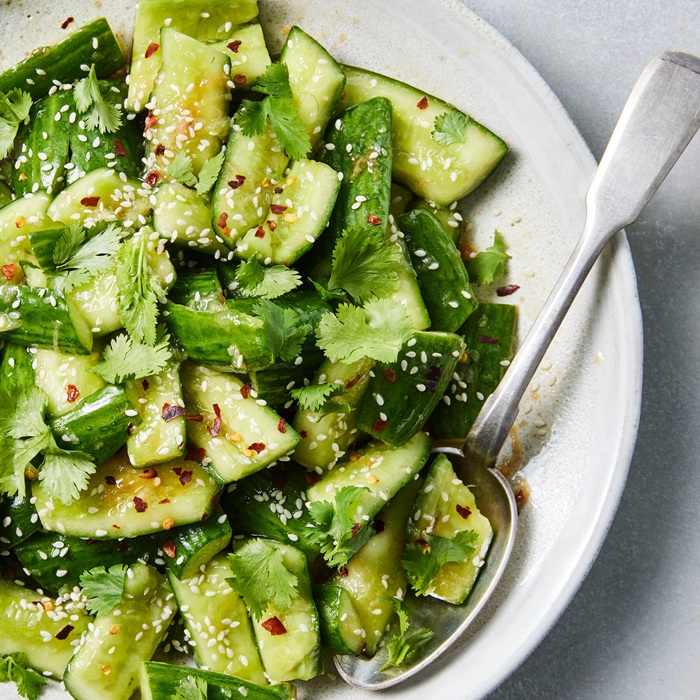
Prep the cucumbers: Peel the cucumbers. Cut them into quarters, lengthwise. (If the seeds are bitter, scrape out the seeds and discard.) Cut the cucumbers again, crosswise, into 1/2-inch thick pieces. Toss the salad: Place cucumbers into a serving bowl. Sprinkle with salt. Toss with sesame oil, seasoned rice vinegar, basil (if using), and chili flakes. Sprinkle with toasted sesame seeds if using.
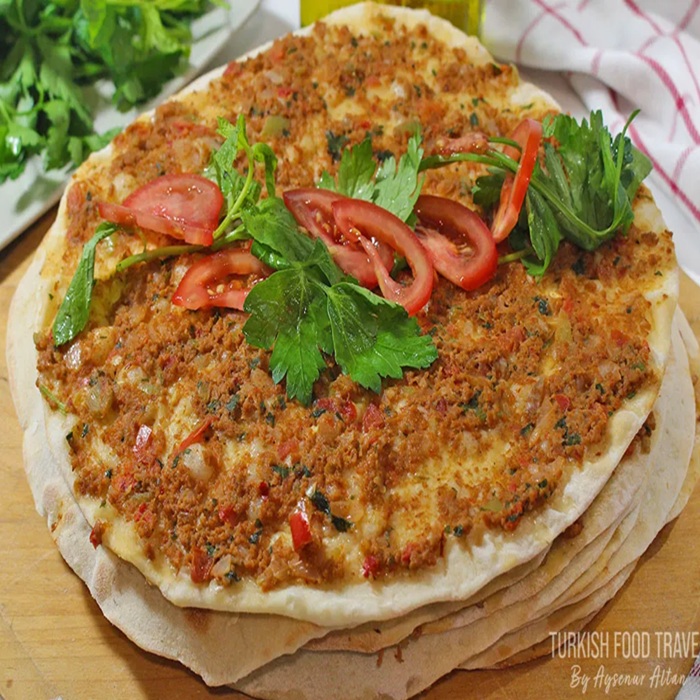
step 1 Sift the flour into a large bowl, make a well in the middle and sprinkle in the yeast. Pour 125ml water over the yeast, then flick flour over the liquid to create a layer. Cover and leave to rise in a warm place for 15 mins until cracks appear on the surface of that layer. step 2 Use your hands to mix in 250ml more water along with 1 tsp salt and knead the dough for about 10 mins until elastic and no longer sticky. Add a little more flour if you need to. Cover and leave to rise again in a warm place for 30 mins until doubled in size. step 3 Heat the oven to as high as it will go (about 240C/220C fan/gas 9) and sprinkle one or two baking trays thinly with cornmeal. step 4 Pour boiling water from the kettle over the tomatoes, leave to stand briefly, then drain and slip off the skins. Cut the tomatoes in half, cut out the stalks, scoop out the seeds and discard, then chop the flesh. step 5 Halve the chillies lengthways, cut out the stalks, seeds and white inner membrane, then rinse. Cut lengthwise into fine strips, then crosswise into fine dice. step 6 Put the tomatoes, chillies, spring onions, finely chopped parsley, beef mince, spices, 1 tsp salt and ½ tsp freshly ground black pepper into a bowl and mix well. step 7 Take the dough and knead it briefly, then divide into four pieces and shape each into a ball. Roll each ball into a thin circle, place on the prepared baking trays. Spread with a thin layer of the meat mixture. step 8 Bake each flatbread for 10-15 mins until the edges begin to darken. After removing from the oven, sprinkle the lahmacun with the roughly chopped parsley and sliced onion, then squeeze over a few drops of lemon juice. Serve straightaway.
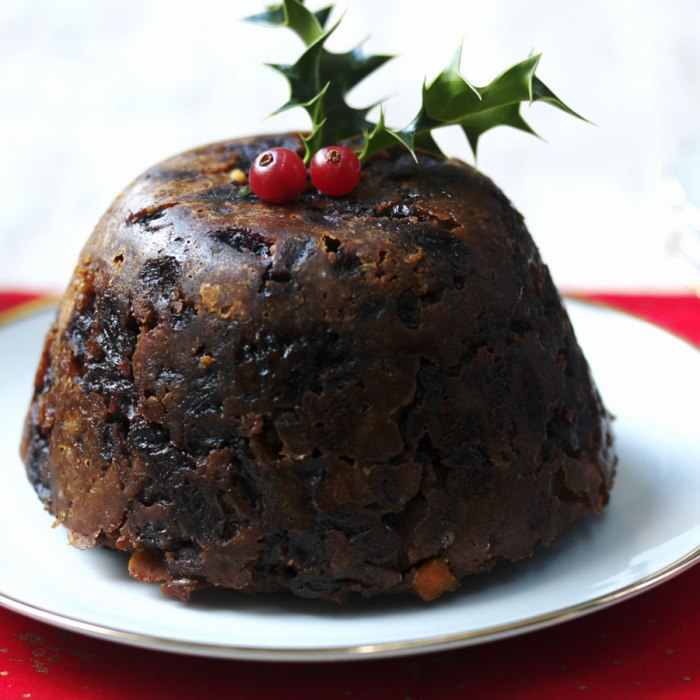
Get everything for the pudding prepared. Chop the almonds coarsely. Peel, core and chop the cooking apples. Sharpen your knife and chop the candied peel. (You can chop the almonds and apples in a food processor, but the peel must be done by hand.) Grate three quarters of the nutmeg (sounds a lot but it's correct). Mix the almonds, apples, candied peel, nutmeg, raisins, flour, breadcrumbs, light muscovado sugar, eggs and 2 tbsp brandy or cognac in a large bowl. Holding the butter in its wrapper, grate a quarter of it into the bowl, then stir everything together. Repeat until all the butter is grated, then stir for 3-4 mins – the mixture is ready when it subsides slightly after each stir. Ask the family to stir too, and get everyone to make a wish. Generously butter two 1.2 litre bowls and put a circle of baking parchment in the bottom of each. Pack in the pudding mixture. Cover with a double layer of baking parchment, pleating it to allow for expansion, then tie with string (keep the paper in place with a rubber band while tying). Trim off any excess paper. Now stand each bowl on a large sheet of foil and bring the edges up over the top, then put another sheet of foil over the top and bring it down underneath to make a double package (this makes the puddings watertight). Tie with more string, and make a handle for easy lifting in and out of the pan. Watch our video to see how to tie up a pudding correctly. Boil or oven steam the puddings for 8 hrs, topping up with water as necessary. Remove from the pans and leave to cool overnight. When cold, discard the messy wrappings and re-wrap in new baking parchment, foil and string. Store in a cool, dry place until Christmas. To make the brandy butter, cream the butter with the orange zest and icing sugar. Gradually beat in the brandy or cognac and chopped stem ginger. Put in a small bowl, fork the top attractively and put in the fridge to set. The butter will keep for a week in the fridge, or it can be
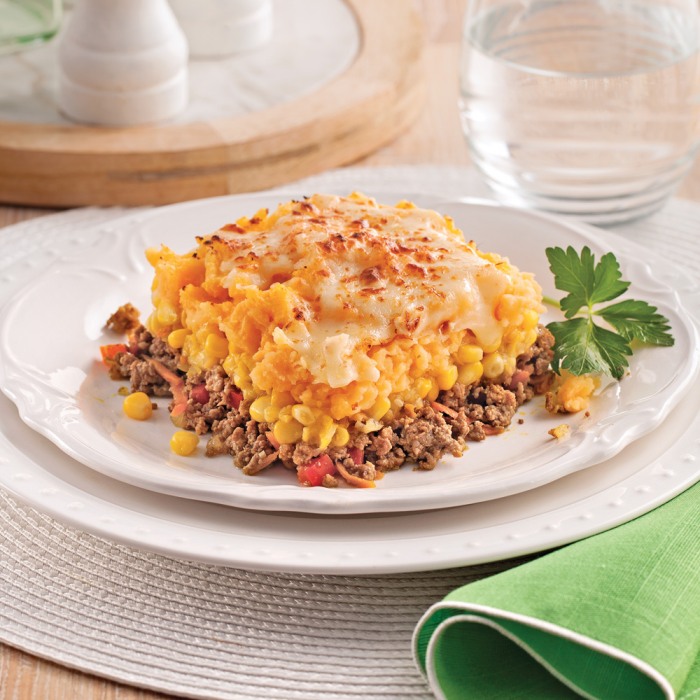
In a large pot of salted water, cook the potatoes until they are very tender. Drain. With a masher, coarsely crush the potatoes with at least 30 ml (2 tablespoons) of butter. With an electric mixer, purée with the milk. Season with salt and pepper. Set aside. With the rack in the middle position, preheat the oven to 190 °C (375 °F). In a large skillet, brown the onion in the remaining butter. Add the meat and cook until golden brown. Season with salt and pepper. Remove from the heat. Lightly press the meat at the bottom of a 20-cm (8-inch) square baking dish. Cover with the corn and the mashed potatoes. Sprinkle with paprika and parsley. Bake for about 30 minutes. Finish cooking under the broiler. Let cool for 10 minutes.
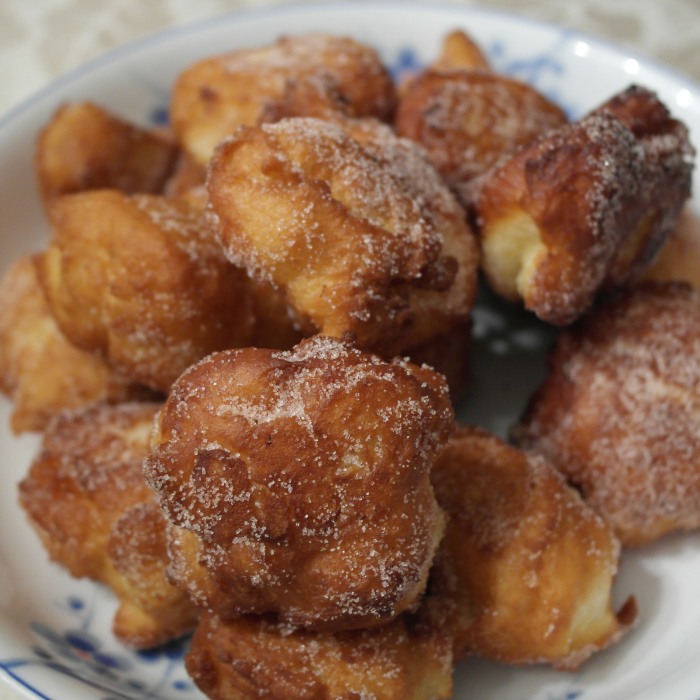
Sift together dry ingredients. Mix together wet ingredients and incorporate into dry. Stir until smooth. Drop by teaspoonfuls(no bigger) into hot oil (365 degrees, no hotter), turning after a few moments until golden brown on all sides. Remove and drain. Roll in cinnamon sugar while still warm and serve.
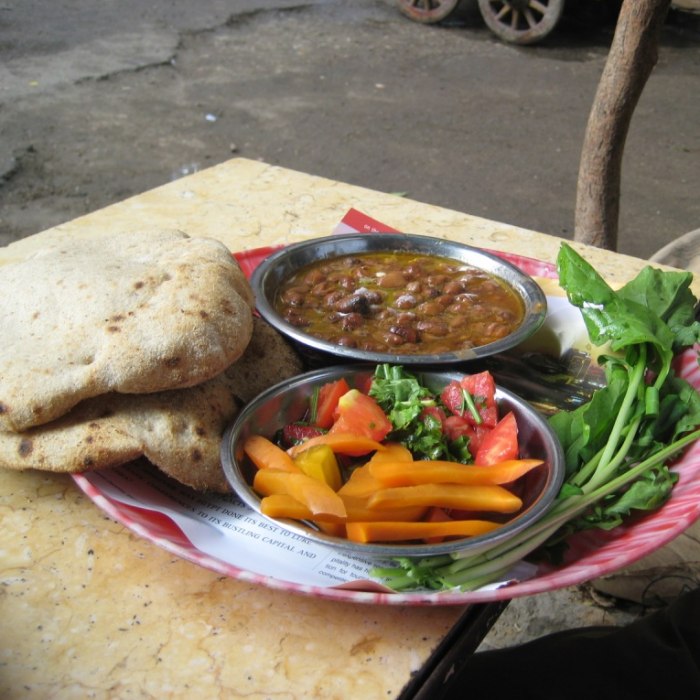
As the cooking time varies depending on the quality and age of the beans, it is good to cook them in advance and to reheat them when you are ready to serve. Cook the drained beans in a fresh portion of unsalted water in a large saucepan with the lid on until tender, adding water to keep them covered, and salt when the beans have softened. They take 2–2 1/2 hours of gentle simmering. When the beans are soft, let the liquid reduce. It is usual to take out a ladle or two of the beans and to mash them with some of the cooking liquid, then stir this back into the beans. This is to thicken the sauce. Serve the beans in soup bowls sprinkled with chopped parsley and accompanied by Arab bread. Pass round the dressing ingredients for everyone to help themselves: a bottle of extra-virgin olive oil, the quartered lemons, salt and pepper, a little saucer with the crushed garlic, one with chili-pepper flakes, and one with ground cumin. The beans are eaten gently crushed with the fork, so that they absorb the dressing. Optional Garnishes Peel hard-boiled eggs—1 per person—to cut up in the bowl with the beans. Top the beans with a chopped cucumber-and-tomato salad and thinly sliced mild onions or scallions. Otherwise, pass round a good bunch of scallions and quartered tomatoes and cucumbers cut into sticks. Serve with tahina cream sauce (page 65) or salad (page 67), with pickles and sliced onions soaked in vinegar for 30 minutes. Another way of serving ful medames is smothered in a garlicky tomato sauce (see page 464). In Syria and Lebanon, they eat ful medames with yogurt or feta cheese, olives, and small cucumbers. Variations A traditional way of thickening the sauce is to throw a handful of red lentils (1/4 cup) into the water at the start of the cooking. In Iraq, large brown beans are used instead of the small Egyptian ones, in a dish called badkila, which is also sold for breakfast in the street.

step 1 Heat oven to 180C/fan 160C/gas 4. Remove the tough central stalk from the cabbage leaves. Bring a large pan of salted water to the boil, add the cabbage, then cook for just 1-2 mins until the leaves are starting to wilt. Drain and refresh under cold running water. Drain well, then pat dry with a tea towel. step 2 Heat the oil in a pan, add the onion, then fry for 5 mins until slightly browned. Add the rosemary and celery, then cook for 8 mins more. Stir in the rice, then cook for a min or so until the grains are glistening. Remove from the heat, stir in the chestnuts and cranberries, then season. step 3 Spoon a little stuffing onto a cabbage leaf, roll up and fold in the sides to enclose the filling. Put in a single layer in a large, oiled, shallow ovenproof dish with the join underneath. Fill the remaining leaves in the same way. Mix the stock, vinegar and honey, then pour over the cabbage. Cover the dish tightly with foil, bake for 1 hr, uncover, then cook for a further 15 mins.
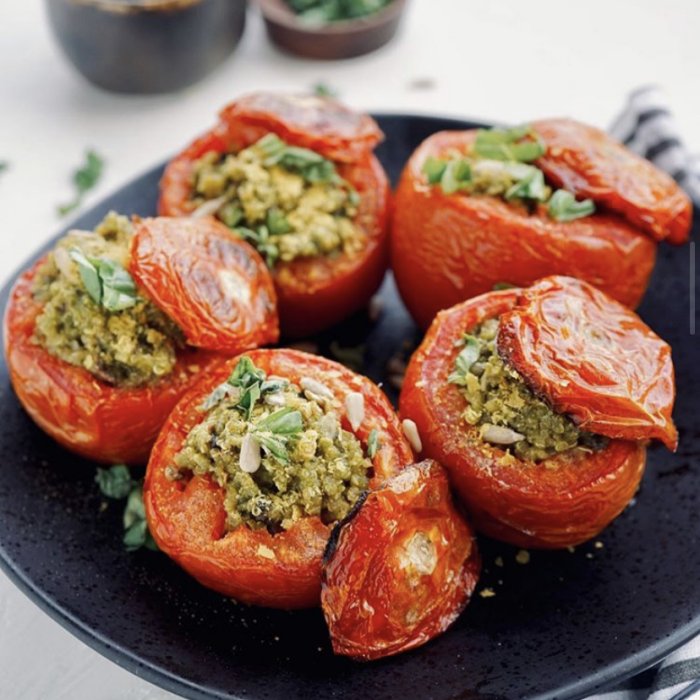
Heat oven to 180C/160C fan/gas 4. Slice the tops off the tomatoes and reserve. Scoop out most of the pulp with a teaspoon, being careful not to break the skin. Finely chop the pulp, and keep any juices. Sprinkle the insides of the tomatoes with a little sugar to take away the acidity, then place them on a baking tray. Heat 2 tbsp olive oil in a large frying pan, add the onion and garlic, then gently cook for about 10 mins until soft but not coloured. Add the lamb, cinnamon and tomato purée, turn up the heat, then fry until the meat is browned. Add the tomato pulp and juice, the rice and the stock. Season generously. Bring to the boil, then simmer for 15 mins or until the rice is tender and the liquid has been absorbed. Set aside to cool a little, then stir in the herbs. Stuff the tomatoes up to the brim, top tomatoes with their lids, drizzle with 2 tbsp more olive oil, sprinkle 3 tbsp water into the tray, then bake for 35 mins. Serve with salad and crusty bread, hot or cold.
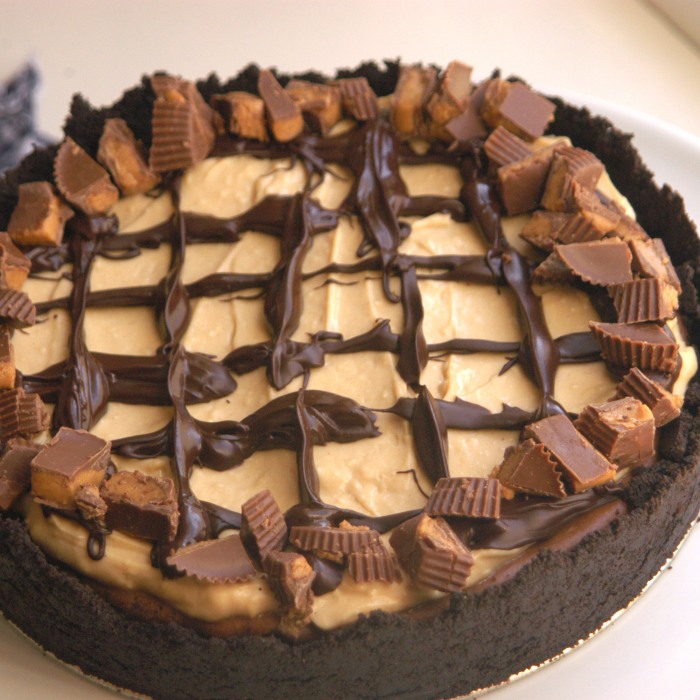
Oil and line a 20cm round loose- bottomed cake tin with cling film, making it as smooth as possible. Melt the butter in a pan. Crush the biscuits by bashing them in a bag with a rolling pin, then stir them into the butter until very well coated. Press the mixture firmly into the base of the tin and chill. Soak the gelatine in water while you make the filling. Tip the ricotta into a bowl, then beat in the peanut butter and syrup. Ricotta has a slightly grainy texture so blitz until smooth with a stick blender for a smoother texture if you prefer. Take the soaked gelatine from the water and squeeze dry. Put it into a pan with the milk and heat very gently until the gelatine dissolves. Beat into the peanut mixture, then tip onto the biscuit base. Chill until set. To freeze, leave in the tin and as soon as it is solid, cover the surface with cling film, then wrap the tin with cling film and foil. To defrost, thaw in the fridge overnight. To serve, carefully remove from the tin. Whisk the cream with the sugar until it holds its shape, then spread on top of the cheesecake and scatter with the peanut brittle.
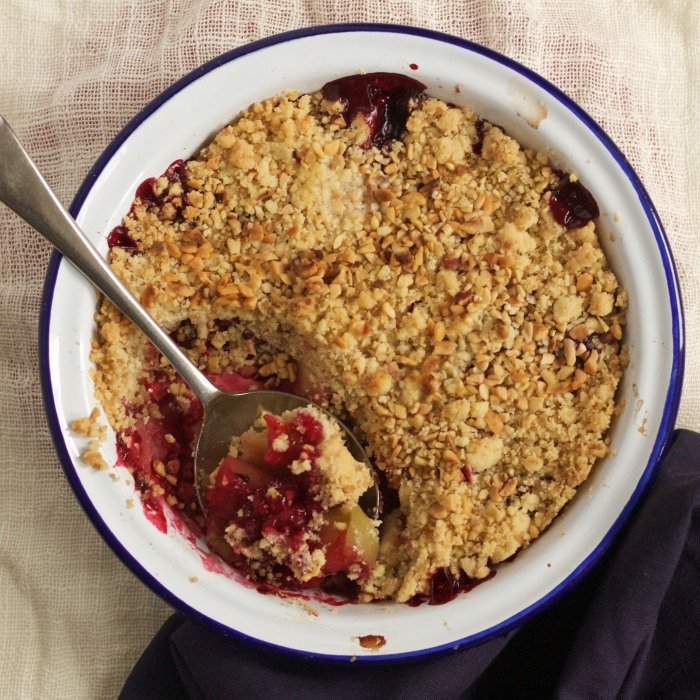
Heat oven to 190C/170C fan/gas 5. Tip the flour and sugar into a large bowl. Add the butter, then rub into the flour using your fingertips to make a light breadcrumb texture. Do not overwork it or the crumble will become heavy. Sprinkle the mixture evenly over a baking sheet and bake for 15 mins or until lightly coloured. Meanwhile, for the compote, peel, core and cut the apples into 2cm dice. Put the butter and sugar in a medium saucepan and melt together over a medium heat. Cook for 3 mins until the mixture turns to a light caramel. Stir in the apples and cook for 3 mins. Add the blackberries and cinnamon, and cook for 3 mins more. Cover, remove from the heat, then leave for 2-3 mins to continue cooking in the warmth of the pan. To serve, spoon the warm fruit into an ovenproof gratin dish, top with the crumble mix, then reheat in the oven for 5-10 mins. Serve with vanilla ice cream.
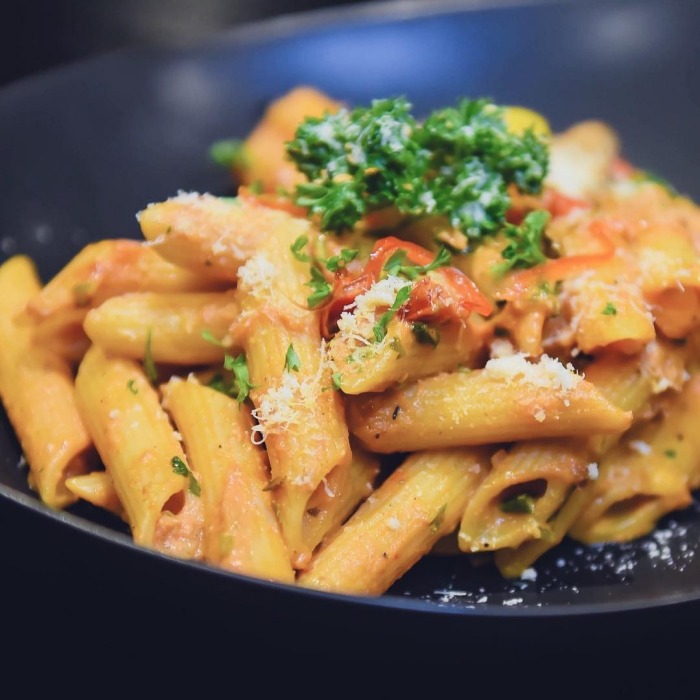
Bring a large pot of water to a boil. Add kosher salt to the boiling water, then add the pasta. Cook according to the package instructions, about 9 minutes. In a large skillet over medium-high heat, add the olive oil and heat until the oil starts to shimmer. Add the garlic and cook, stirring, until fragrant, 1 to 2 minutes. Add the chopped tomatoes, red chile flakes, Italian seasoning and salt and pepper to taste. Bring to a boil and cook for 5 minutes. Remove from the heat and add the chopped basil. Drain the pasta and add it to the sauce. Garnish with Parmigiano-Reggiano flakes and more basil and serve warm.
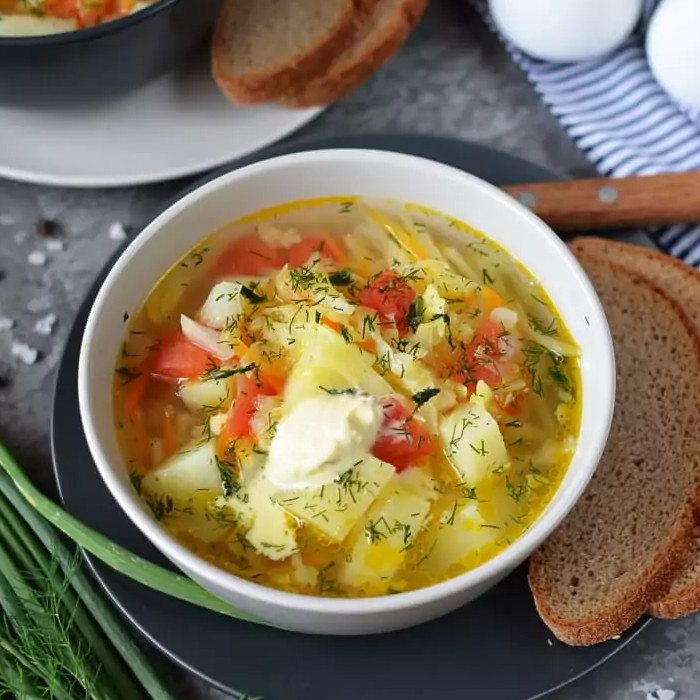
Add the butter to a large Dutch oven or other heavy-duty pot over medium heat. When the butter has melted, add the onion and sauté until translucent. Add the cabbage, carrot, and celery. Sauté until the vegetables begin to soften, stirring frequently, about 3 minutes. Add the bay leaf and vegetable stock and bring to a boil over high heat. Reduce the heat to low and simmer, covered, until the vegetables are crisp-tender, about 15 minutes. Add the potatoes and bring it back to a boil over high heat. Reduce the heat to low and simmer, covered, until the potatoes are tender, about 10 minutes. Add the tomatoes (or undrained canned tomatoes) and bring the soup back to a boil over high heat. Reduce the heat to low and simmer, uncovered, for 5 minutes. Season to taste with salt and pepper. emove and discard the bay leaf from the pot. Serve topped with fresh sour cream and fresh dill.
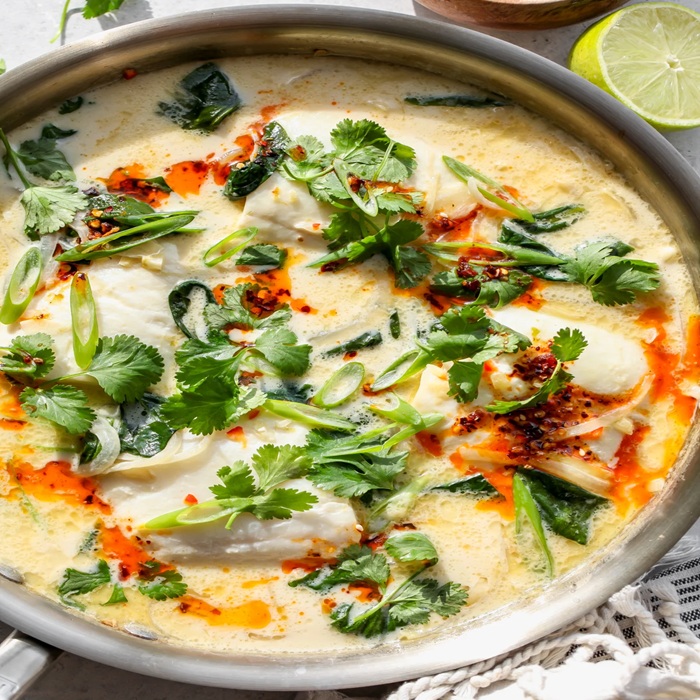
step 1 Cook the noodles following pack instructions. Refresh in cold water and drain well. step 2 Put the stock in a large saucepan and stir in the curry paste, lime leaves, fish sauce and 250ml cold water. Bring to a simmer and cook for 5 mins. step 3 Cut the fish into roughly 3cm cubes and add to the pan. Return to a simmer, then cook for 2 mins uncovered. step 4 Stir in the noodles, prawns and pak choi, and simmer for 2-3 mins or until the fish and prawns are just cooked. Serve in bowls scattered with coriander.

step 1 Combine the yeast, a pinch of the sugar and a couple tablespoons of lukewarm water in a small bowl. Stir to dissolve the yeast, then leave for 10 mins until foamy. step 2 Meanwhile, combine the flour, the remaining sugar and 2 tsp fine salt in a large bowl. Make a well in the centre, then add half the beaten egg, the yeast mixture and the oil. Pour in 200ml lukewarm water (it should feel slightly warm to the touch) and stir with a spoon, then mix using one hand, keeping the other clean while you bring the dough together. If there are a lot of very dry bits, gradually add a little water to just bring it together – you don't want it to get too wet and sticky. The dough should be moist, but not soggy. step 3 Once the dough has come together, turn it out onto a lightly floured surface. Knead using both hands for 10 mins until smooth and a bit springy. If it gets very sticky, add a very small amount of flour – as little as possible. A dough scraper is useful if the dough is sticking to the work surface. Stretch the sides of the dough down and pull together to form a ball. Lightly oil a bowl, then lightly roll the dough ball around the bowl so it's coated in the oil. Cover with a clean tea towel and leave in a warm place for 1 hr, or until dough has doubled in size. step 4 Line a baking sheet with baking parchment. Turn the dough out onto a clean work surface and divide into three equal pieces, weighing for accuracy, if you like. Roll each piece into a long sausage shape about 25cm long, tapering them slightly at both ends. Lay the pieces out in front of you, parallel to one another with a couple centimetres between each. Bring the sausages together at the top end, then plait them down the length, tucking in the ends when you reach the bottom. Carefully transfer the loaf to the prepared baking sheet and loosely cover with a clean tea towel. Leave to rise until puffy and billowy, about 40 mins. step 5 Meanwhile, heat the oven to 200C/180C fan/gas 6.

step 1 Pour 1.3 litres water into a large saucepan over a high heat. Add the onion, tomato, chilli, galangal, lemongrass, prawn heads and chicken stock cube. Stir and bring to a boil, then reduce the heat to medium and simmer for 20 mins until the liquid has reduced. step 2 Carefully strain the hot broth into a large heatproof bowl or jug, then discard the prawn heads. Return the strained veg and herb mixture to the saucepan and pour over the broth. Stir through the mushrooms and lime leaves, then cook for 3 mins until the mushrooms are tender. step 3 Add 1 tbsp sugar, the fish sauce, lime juice, coconut milk and prawns. Bring to the boil and cook until the prawns are cooked through, about 1-2 mins. Remove from the heat. Remove the lemongrass, then stir in the Thai chilli jam, if using. Scatter over the coriander to finish, if you like, and serve.

step 1 Heat the oven to 180C/160C fan/gas 4. Melt 25g butter and generously brush into the holes of a mini bundt tins. Tip a little flour into each hole and shake to coat, then tip out the excess. Beat the butter, caster sugar and a pinch of salt together using an electric whisk. Add the eggs, one at a time, beating well after each addition. Combine the flour and baking powder in a separate bowl, then sift this into the wet ingredients and stir until smooth. Combine the cocoa powder and milk in a small bowl until smooth. step 2 Spoon 1 tbsp of the plain batter into each hole of the bundt tin. Mix the remaining plain batter with the cocoa powder mixture, then divide this between the holes. Bake for 15-18 mins, or until a skewer inserted into the cakes comes out clean. Leave to cool in the tin for 5 mins, then turn out onto a wire rack and leave to cool completely. Dust with icing sugar to serve. step 3 Pour 1 tablespoon of light batter into each mold. Mix the remaining batter with the stirred cocoa mixture and then fill the molds with a tablespoon. step 4 Bake the mini Bundt cakes in the preheated oven for 15-18 minutes , depending on the size of the molds. After 15 minutes of baking time, use a toothpick to test with a skewer and, if necessary, bake for another 3 minutes. Let the mini Bundt cakes cool down completely in the tin. Then carefully remove from the mold. Dust with some icing sugar and serve. Enjoy your meal!
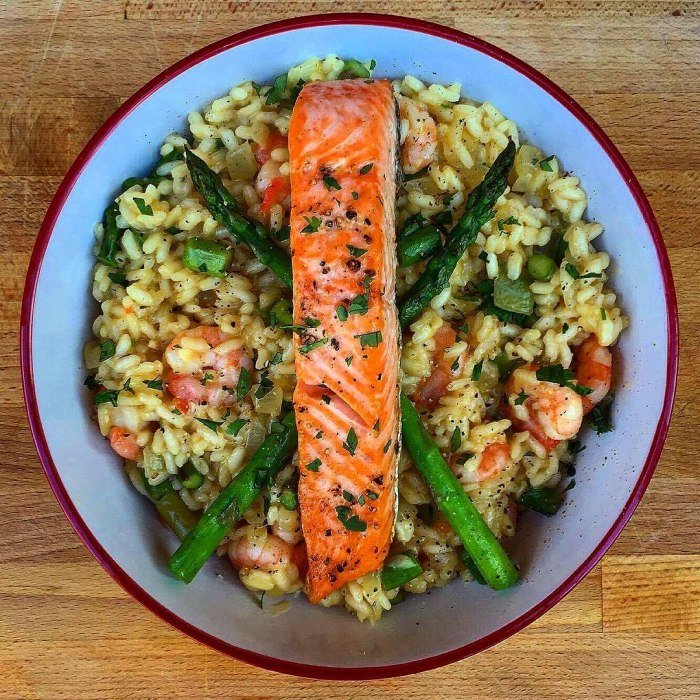
Melt the butter in a thick-based pan and gently cook the onion without colour until it is soft. Add the rice and stir to coat all the grains in the butter Add the wine and cook gently stirring until it is absorbed Gradually add the hot stock, stirring until each addition is absorbed. Keep stirring until the rice is tender Season with the lemon juice and zest, and pepper to taste. (there will probably be sufficient saltiness from the salmon to not need to add salt) Stir gently to heat through Serve scattered with the Parmesan and seasonal vegetables. Grill the salmon and gently place onto the risotto with the prawns and asparagus
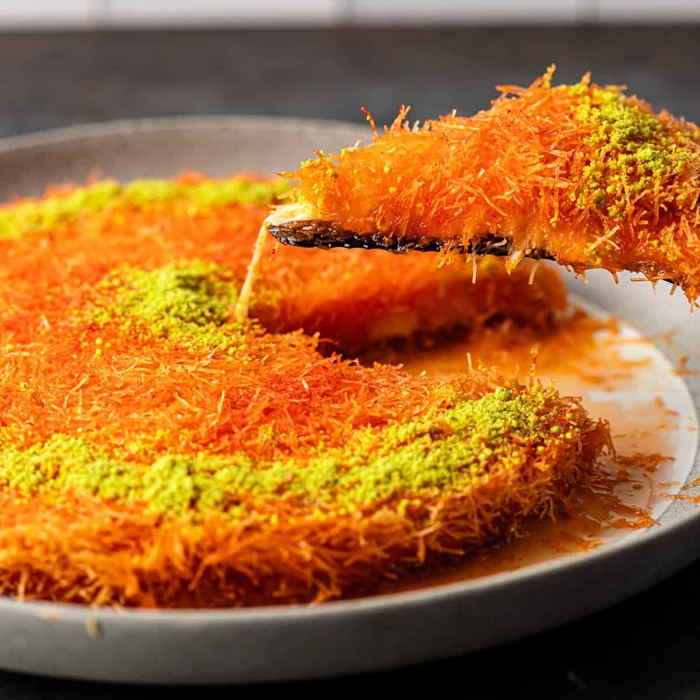
1 Take kanfhe in a bowl and roughly cut them. Pour melted butter, yellow food color and mix well with your hands. In a separate bowl mix milk, cream cheese, sugar, cornstarch well. 2 Turn on the flame and boil the liquid, when it gets thick turn off the flame let it cool down a little bit. Add mozzarella in it and mix it well. Now make a base with half of the kanfhe in a dish, gently press it to level the dough well. Pour the cheese mixture on the top and level it with a spoon. 3 Cover it with the other half of the kanfhe. Put the dish in a preheated oven at 200 degree for about 20-25 minutes. It's ready when kunafa is golden and crunchy in the surface. 4 Boil water in a pan and dissolve sugar in it for 4–5 minutes. OR cook it until slightly thicken and keep on stirring. Add lemon juice with rose water, mix well. Evenly pour the syrup over the kunafa as soon as it comes out of the oven. Your kunafa is ready to serve.
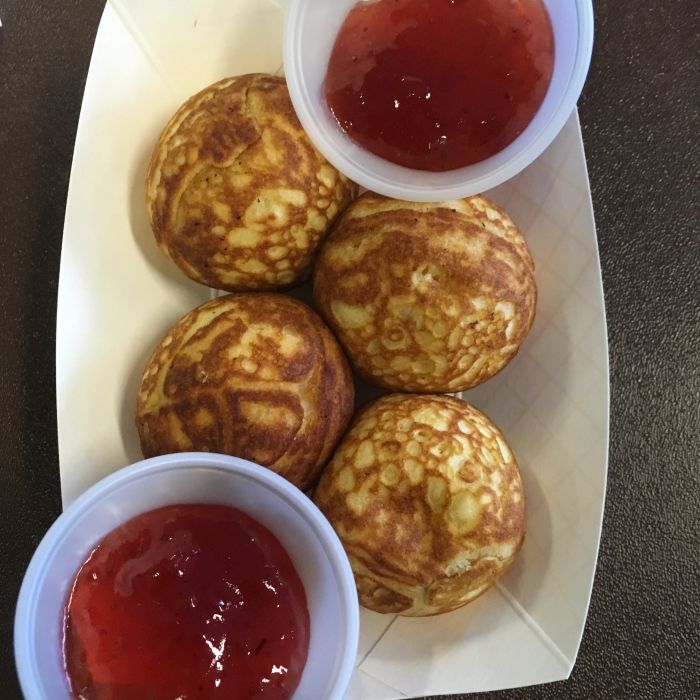
Whisk the flour, salt, sugar, baking soda, and cardamom together in a large bowl. ▢ Separate the eggs and add the egg yolks to the flour mixture. Pour in the buttermilk (or cultured milk) and whisk the batter together until smooth. Cover and refrigerate for about 30 minutes. ▢ Use a hand (or stand) mixer to beat the egg whites until stiff. Carefully fold into the æbleskiver batter. ▢ Heat the pan on medium heat. Once hot, brush the pan with butter and fill each æbleskive hole almost full with the batter. ▢ Once the edges become firm use a knitting needle or wooden skewer to turn the æbleskiver about 1/4. Continue turning until you get round pancake spheres. They should be golden brown. ▢ Remove the æbleskiver from the pan and serve with powdered sugar and jam.
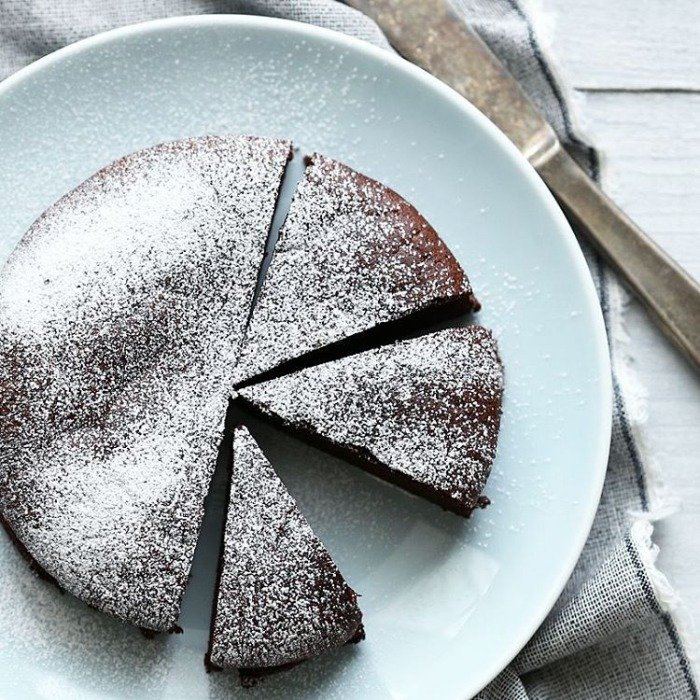
Preheat the oven to 180°C/350°F/Gas Mark 4. Grease and line the base of an 8 in round spring form cake tin with baking parchment Break the chocolate into a heatproof bowl and place over a saucepan of gently simmering water and stir until it melts. (or melt in the microwave for 2-3 mins stirring occasionally) Place the butter and sugar in a mixing bowl and cream together with a wooden spoon until light and fluffy. Gradually beat in the eggs, adding a little flour if the mixture begins to curdle. Fold in the remaining flour with the cooled, melted chocolate and milk. Mix until smooth. Spread the mixture into the cake tin and bake for 50-55 mins or until firm in the centre and a skewer comes out cleanly. Cool for 10 minutes, then turn out and cool completely.
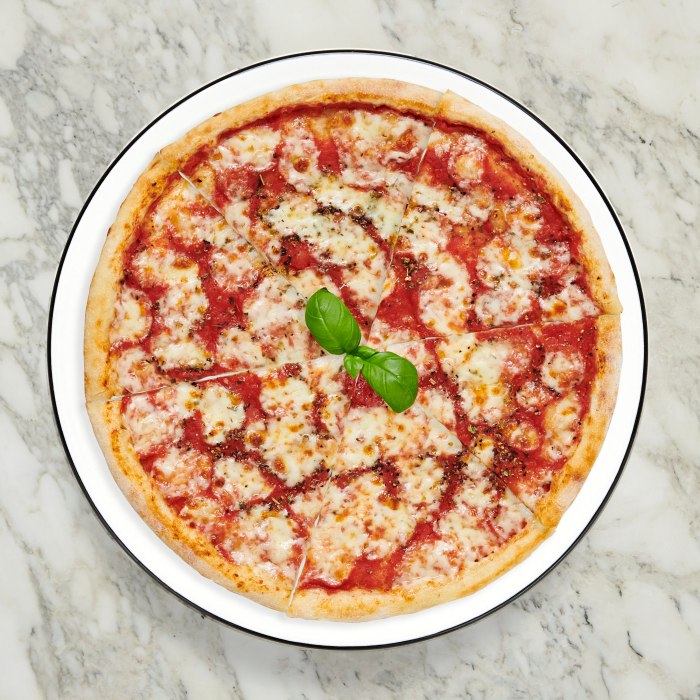
1 Preheat the oven to 230°C. 2 Add the sugar and crumble the fresh yeast into warm water. 3 Allow the mixture to stand for 10 – 15 minutes in a warm place (we find a windowsill on a sunny day works best) until froth develops on the surface. 4 Sift the flour and salt into a large mixing bowl, make a well in the middle and pour in the yeast mixture and olive oil. 5 Lightly flour your hands, and slowly mix the ingredients together until they bind. 6 Generously dust your surface with flour. 7 Throw down the dough and begin kneading for 10 minutes until smooth, silky and soft. 8 Place in a lightly oiled, non-stick baking tray (we use a round one, but any shape will do!) 9 Spread the passata on top making sure you go to the edge. 10 Evenly place the mozzarella (or other cheese) on top, season with the oregano and black pepper, then drizzle with a little olive oil. 11 Cook in the oven for 10 – 12 minutes until the cheese slightly colours. 12 When ready, place the basil leaf on top and tuck in!
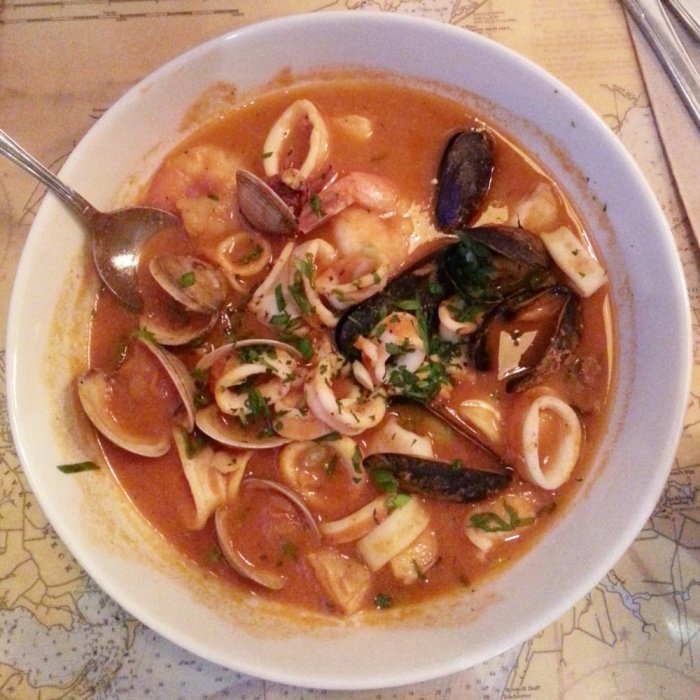
Twist the heads from the prawns, then peel away the legs and shells, but leave the tails intact. Devein each prawn. Fry the shells in 1 tbsp oil for 5 mins, until dark pink and golden in patches. Add the wine, boil down by two thirds, then pour in the stock. Strain into a jug, discarding the shells. Heat the rest of the oil in a deep frying pan or casserole. Add the fennel, onion and garlic, season, then cover and gently cook for 10 mins until softened. Meanwhile, peel the potato and cut into 2cm-ish chunks. Put into a pan of cold water, bring to the boil and cook for 5 mins until almost tender. Drain in a colander. Peel a strip of zest from the orange. Put the zest, star anise, bay and ½ tsp harissa into the pan. Fry gently, uncovered, for 5-10 mins, until the vegetables are soft, sweet and golden. Stir in the tomato purée, cook for 2 mins, then add the tomatoes and stock. Simmer for 10 mins until the sauce thickens slightly. Season to taste. The sauce can be made ahead, then reheated later in the day. Meantime, scrub the mussels or clams and pull away any stringy beards. Any that are open should be tapped sharply on the worktop – if they don’t close after a few seconds, discard them. Reheat the sauce if necessary, then stir the potato, chunks of fish and prawns very gently into the stew. Bring back to the boil, then cover and gently simmer for 3 mins. Scatter the mussels or clams over the stew, then cover and cook for 2 mins more or until the shells have opened wide. Discard any that remain closed. The chunks of fish should flake easily and the prawns should be pink through. Scatter with the thyme leaves. To make the quick rouille, stir the rest of the harissa through the mayonnaise. Serve the stew in bowls, topped with spoonfuls of rouille, which will melt into the sauce and enrich it. Have some good bread ready, as you’ll definitely want to mop up the juices.
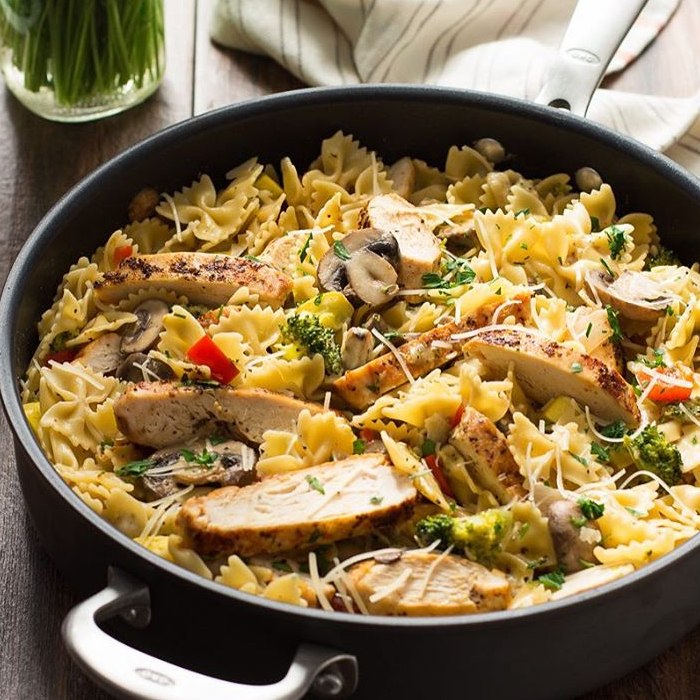
Heat 1 tablespoon of butter and 2 tablespoons of olive oil in a large skillet over medium-high heat. Season both sides of each chicken breast with seasoned salt and a pinch of pepper. Add the chicken to the skillet and cook for 5-7 minutes on each side, or until cooked through. While the chicken is cooking, bring a large pot of water to a boil. Season the boiling water with a few generous pinches of kosher salt. Add the pasta and give it a stir. Cook, stirring occasionally, until al dente, about 12 minutes. Reserve 1/2 cup of pasta water before draining the pasta. Remove the chicken from the pan and transfer it to a cutting board; allow it to rest. Turn the heat down to medium and dd the remaining 1 tablespoon of butter and olive oil to the same pan you used to cook the chicken. Add the veggies (minus the garlic) and red pepper flakes to the pan and stir to coat with the oil and butter (refrain from seasoning with salt until the veggies are finished browning). Cook, stirring often, until the veggies are tender, about 5 minutes. Add the garlic and a generous pinch of salt and pepper to the pan and cook for 1 minute. Deglaze the pan with the white wine. Continue to cook until the wine has reduced by half, about 3 minutes. Stir in the milk, heavy cream, and reserved pasta water. Bring the mixture to a gentle boil and allow to simmer and reduce for 2-3 minutes. Turn off the heat and add the Parmesan cheese and cooked pasta. Season with salt and pepper to taste. Garnish with Parmesan cheese and chopped parsley, if desired.